猪肉产业

Search documents
中方对欧加税刚落地,不到一天马克龙就向全球喊话,欧盟得赶紧对中国开放
Sou Hu Cai Jing· 2025-12-20 01:17
Group 1 - The Chinese Ministry of Commerce has imposed anti-dumping duties on pork and its by-products from the EU, with rates approaching 20% [1][2] - This decision is a strategic response to the EU's tightening trade policies against China, particularly in the agricultural sector [6][10] - The EU exports a significant amount of pork to China, which is crucial for the agricultural economies of countries like France and Germany [3][4] Group 2 - The EU's tightening of trade policies includes investigations into Chinese electric vehicles and revisions to public procurement rules, indicating a systematic approach to limit Chinese influence [8][10] - China's decision to target pork is a calculated move to hit a sensitive area within the EU, reflecting a strategic choice rather than a random act of retaliation [6][18] - The response from French President Macron highlights the internal divisions within the EU regarding trade with China, as he acknowledges the EU's trade deficit with China while advocating for openness [19][20] Group 3 - The agricultural sector's political weight in countries like France and Spain makes it a critical area for EU policy, and any disruption could complicate internal policy coordination [28] - The EU's reliance on Chinese imports, despite calls for "de-risking," indicates a deeper economic interdependence than publicly acknowledged [29][42] - The dynamic between China and the EU is shifting from a one-sided pressure to a two-way negotiation, with both sides needing to recognize each other's core interests [49][61] Group 4 - The pork tariff is not just about trade but reflects broader strategic concerns, as both sides navigate a complex geopolitical landscape [33][36] - The ongoing friction between China and the EU is a test of their ability to maintain functional cooperation amidst strategic distrust [37][38] - The outcome of this situation could influence future negotiations on various sectors, including electric vehicles and agricultural products, shaping the overall economic relationship [61]


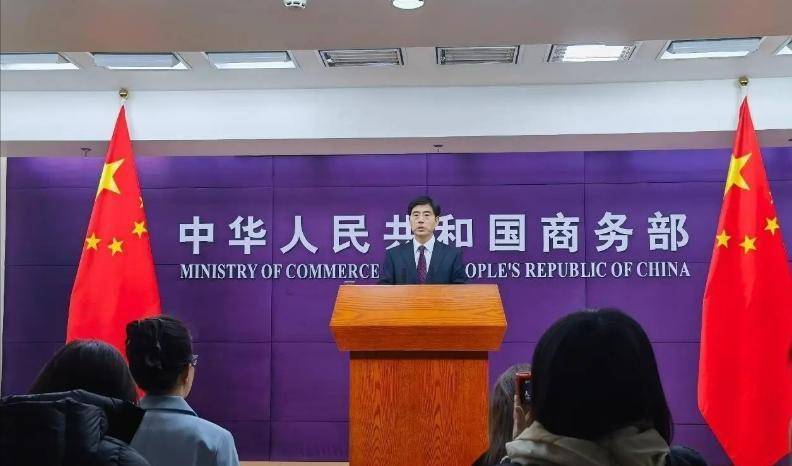
习近平主席会见西班牙国王费利佩六世
Huan Qiu Shi Bao· 2025-11-12 23:24
Group 1: Core Insights - The visit of King Felipe VI of Spain to China from November 10 to 13 marks the first state visit since his ascension and the first by a Spanish monarch in 18 years, highlighting the importance of bilateral relations [2][3] - Xi Jinping emphasized the strategic partnership between China and Spain, aiming to enhance cooperation in various fields including trade, technology, and cultural exchanges [3][4] - The signing of 10 cooperation documents in areas such as trade and education signifies a deepening of economic ties, with Spain positioning itself as a key partner for China in Europe [4][6] Group 2: Economic Cooperation - Spain aims to deepen economic collaboration with China, focusing on sectors like renewable energy, digital economy, and artificial intelligence, while also increasing imports of quality Spanish products [3][5] - The bilateral trade relationship is particularly strong in the pork and pharmaceutical industries, with Spanish pork exports to China increasing by 8% in the first seven months of the year, reaching €700 million [6] - Spanish companies are increasingly investing in China, with around 400 Spanish firms currently operating in the country, and an expected 9,000 Spanish companies exporting to China in 2024 [5][6] Group 3: Cultural and Diplomatic Engagement - Cultural exchanges are a significant aspect of the visit, with activities commemorating Spanish poet Antonio Machado and the importance of cultural institutions like the Confucius Institute and the Cervantes Institute [7][8] - The extension of visa-free policies for Spanish citizens traveling to China is part of broader diplomatic efforts to enhance mutual understanding and cooperation [7][8] - The visit is seen as a strategic move for Spain to maintain its independent foreign policy while navigating the complexities of international relations, particularly in the context of US-China tensions [8]