
甲醇能源

Search documents
第二届绿色甲醇能源产业发展大会召开
Xin Lang Cai Jing· 2026-01-08 04:35
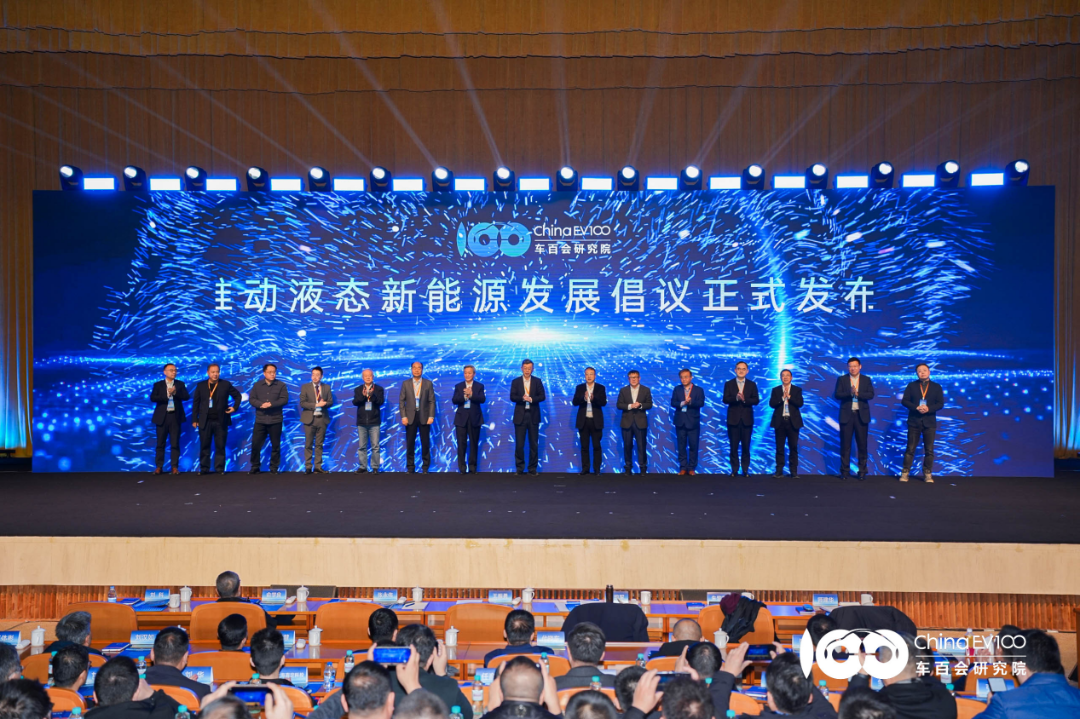
Group 1 - The second Green Methanol Energy Industry Development Conference was held in Wenzhou, focusing on the development paths of green methanol and alcohol-hydrogen electric energy [1] - Key discussions included the green transformation of transportation logistics, energy integration, applications in commercial vehicles and shipping, infrastructure construction, and industrial collaboration [1] - Zhang Yongwei emphasized the importance of integrating new energy vehicles as "mobile energy storage" into the power system to enhance renewable energy consumption and provide effective tools for grid regulation [1] Group 2 - Zhu Liyang highlighted the efficient utilization of waste materials for methanol production, which can improve resource efficiency and reduce environmental pollution, categorizing it as clean or green methanol [2] - Three main technical routes for green methanol production were identified: biomass methanol production, electro-methanol production, and comprehensive utilization of waste [2] - Fang Haifeng noted that the green low-carbon transition of energy will significantly impact the automotive industry's technology choices, with methanol being a viable low-carbon transition route, especially in commercial vehicles [2] Group 3 - Liu Ke discussed the organic combination of smart grids and low-carbon liquid pipelines, which could transition the current coal/oil economy to a renewable energy-dominated green electricity and methanol economy [3] - Shao Yu stated that energy transition is a gradual process, and methanol is a feasible path due to its cost-effectiveness and suitability for current needs [3] - Wang Weiliang pointed out that there is no optimal power route for commercial vehicles; instead, the most suitable solution depends on specific application scenarios [3] Group 4 - Fan Xianjun argued that alcohol-hydrogen electric energy, as a liquid new energy, has significant advantages over traditional technologies like pure electric and hydrogen fuel, making it suitable for sustainable carbon neutrality in China [4] - A roundtable discussion was held to exchange views on the development policies, international trends, industrial practices, and energy supply systems related to methanol energy and alcohol-hydrogen electric energy [4] - The conference also launched the "Initiative to Promote the Development of Liquid New Energy," calling for enhanced policy coordination, technological innovation, and industrial cooperation to accelerate the large-scale application of green methanol and alcohol-hydrogen electric energy in transportation logistics [4]

冰博会硬核亮相!吉利醇氢解锁寒区绿色发展新范式
Zhong Guo Qi Che Bao Wang· 2026-01-07 06:29
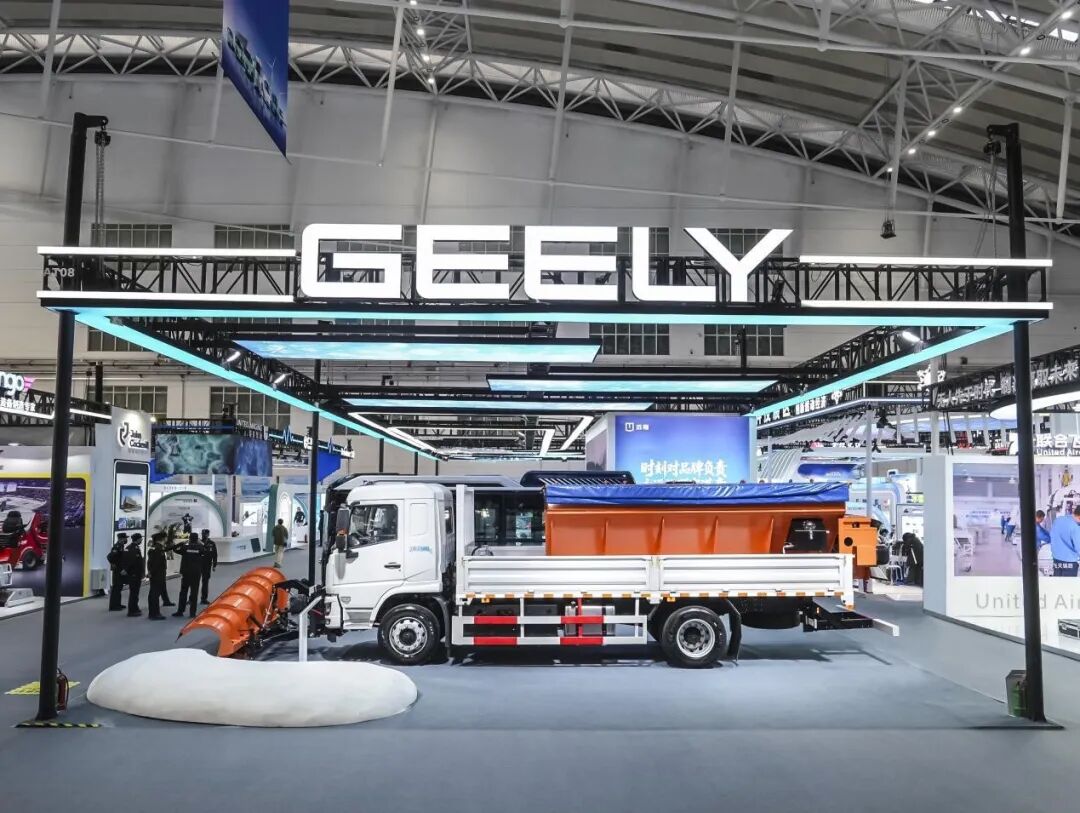
Group 1 - The Harbin International Ice and Snow Economic Expo, themed "Ice Chain World, Snow Dance Future," showcases global ice and snow industry resources, with Geely Holding Group presenting its full-scenario methanol-hydrogen electric product matrix and industry chain ecological solutions [2] - Geely has invested over 20 years in the methanol economy, becoming a core driver of industry development, with over 50,000 methanol-hydrogen electric vehicles in operation and a total mileage exceeding 23 billion kilometers [7] - The methanol economy is entering a golden period, supported by over 70 policy documents from national and local governments, promoting methanol vehicle applications and establishing a comprehensive policy support system [4][5] Group 2 - Methanol's unique advantages in energy security and carbon neutrality position it as a trillion-level emerging industry, with the potential to produce approximately 6 million tons of green fuel from 10% of China's annual CO2 emissions [5] - Geely's methanol-hydrogen electric technology has achieved a thermal efficiency of 50.3%, making it economically viable and reliable for commercial operation [7] - The methanol fuel's freezing point of -97.6°C allows it to operate effectively in extreme cold environments, making it a preferred solution for green transportation in northern regions [9] Group 3 - Geely's methanol-hydrogen electric buses and snow removal vehicles are designed for urban public and ice and snow industry operations, with the buses achieving over 600 kilometers of range in low temperatures and significant cost savings compared to pure electric models [11] - The company has established over 900 methanol refueling stations nationwide, with plans to increase this number to 4,000 by the end of 2027, facilitating convenient methanol refueling [15] - The collaboration between Geely and Heilongjiang province is expected to boost the development of the methanol-hydrogen electric industry, leveraging the region's renewable energy resources and the growing demand from the ice and snow economy [16]

共商绿色能源发展大计!2025北京甲醇能源峰会圆满落幕
Zhong Guo Qi Che Bao Wang· 2025-11-08 12:31
Core Insights - The "Beijing Methanol Energy Summit" held on November 7 focused on the entire methanol energy industry chain, discussing policy interpretation, technological innovation, industrial practices, and market outlook [1][3][8] - The summit aimed to create a platform for deep integration of production, education, research, and application in the methanol sector [1][3] Policy and Industry Development - The development of methanol energy relies heavily on policy guidance and practical exploration, with significant milestones achieved since the completion of methanol vehicle pilot projects in 2019 [3][10] - The successful hosting of the first Beijing Methanol Energy Summit in 2023 has further enhanced the industry's influence and public awareness [3][10] Technological Advancements - The methanol energy application ecosystem has expanded from early uses in vehicles and stoves to include ships, fuel cells, and power generation [7][31] - The global methanol industry is entering a phase of explosive growth, driven by rigid demand in shipping, chemicals, and transportation sectors [8][14] Market Dynamics - China is leading in methanol production and consumption, with over 60% of its renewable methanol projects being bio-methanol [14][18] - The methanol industry is expected to see a capacity growth rate of approximately 2.9% during the 14th Five-Year Plan, reaching 130 million tons per year by 2030 [18] Safety and Standards - The summit discussed the importance of developing standards for methanol fuel applications, particularly in shipping and thermal combustion [20][22] - Safety assessments indicate that the occupational health risks associated with methanol are currently at an acceptable level [37] Future Outlook - The methanol sector is poised to play a crucial role in the global energy transition, with ongoing technological breakthroughs and a growing array of application scenarios [45] - The collaboration among industry, academia, and research institutions is expected to accelerate the commercialization of green methanol technologies [45]

广阔天地大有作为 甲醇能源已登上世界舞台
Zhong Guo Qi Che Bao Wang· 2025-11-08 12:09
Group 1 - The concept of "green methanol" has transitioned from theoretical discussions to practical industrial applications, marking a significant shift in the methanol energy landscape [3][4] - Methanol is recognized as an efficient and clean-burning fuel, with the ability to be produced from a variety of raw materials, making it a versatile energy source [3][4] - The development of methanol as an energy source in China has evolved from initial applications in vehicles to a broader range of uses, including shipping and fuel cells, indicating a robust growth trajectory [4][5] Group 2 - China's energy resource endowment is characterized by a high dependence on coal and significant oil imports, prompting calls for a national policy to guide the high-quality development of the methanol industry [5][7] - The methanol industry is expected to see a production capacity growth rate of approximately 2.9% during the 14th Five-Year Plan, with projections reaching 13 million tons per year by 2030 [7] - The conference highlighted the importance of technological innovation and practical applications in driving the methanol energy sector forward, with a focus on various fields such as shipping and automotive applications [8][9] Group 3 - Methanol is positioned as a key player in the transition to sustainable energy, with its production capabilities exceeding 60% of the global total, showcasing China's leadership in the sector [9] - The annual consumption of methanol fuel has surpassed 10 million tons, with its applications in vehicles, ships, and power generation becoming increasingly prevalent [9]
