
甲醇经济

Search documents
中国能源研究会醇基新能源专业委员会成立
Ke Ji Ri Bao· 2026-02-04 00:35
Core Viewpoint - The establishment of the Methanol-based New Energy Professional Committee aims to promote the development of methanol economy in China, emphasizing its multiple values in energy security, ecological protection, and economic growth [1][2] Group 1: Methanol Fuel Characteristics - Methanol fuel is recognized as a clean, low-carbon energy source with broad availability, safety in use, and economic viability, making it a significant carrier of clean energy [1] - The technology for methanol production, transportation, and consumption in China is mature and controllable, with successful domestic innovations in modified methanol technology and CO2 and hydrogen synthesis for methanol production [1] Group 2: Economic and Policy Implications - The promotion of methanol fuel can diversify energy supply channels, reduce dependence on international energy markets, and enhance energy self-sufficiency, potentially decreasing oil imports by over 500 million tons annually and saving more than $300 billion in foreign exchange [2] - The current timing for developing the methanol economy in China is deemed mature, with the establishment of the committee expected to inject new momentum into the industry [2] - There is a need for policies to address market access challenges, lack of national standards, and the need for market regulation to create a favorable environment for the methanol economy [2] Group 3: Committee's Role and Future Actions - The committee will support the development of the methanol economy through policy research, technological innovation, standard formulation, collaboration, technical consulting, talent training, and promotional activities [2]
远程醇氢电动全场景亮相书写冰雪经济绿色转型中国方案
Xin Lang Cai Jing· 2026-01-20 07:33
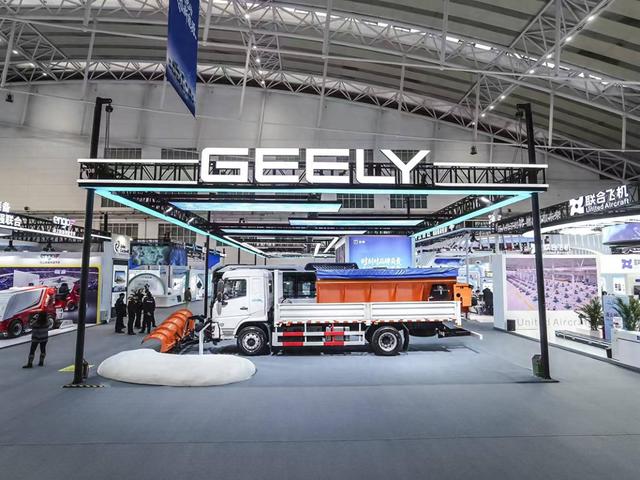
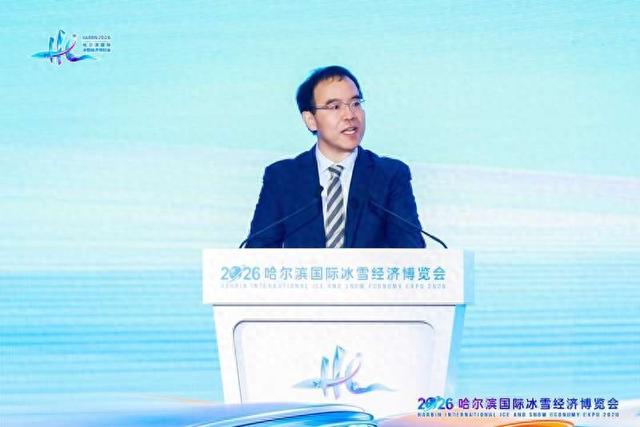
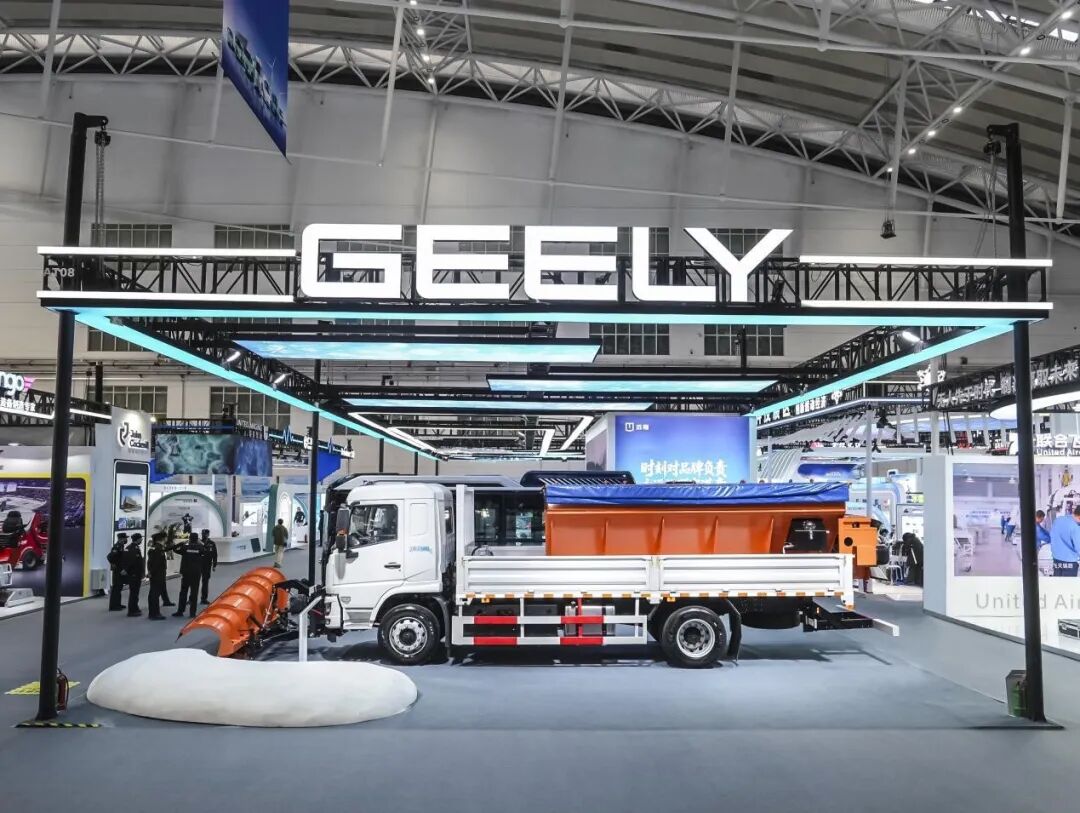
Core Viewpoint - The 2026 Harbin International Ice and Snow Economic Expo showcased the innovative achievements of Geely Holding Group in green transportation and ice and snow equipment, promoting methanol hydrogen electric vehicles as a new driving force for the ice and snow industry upgrade [1][3]. Group 1: Industry Development - The green transformation of energy and the new energy vehicle sector in China are entering a critical phase, with methanol emerging as a key component for sustainable development [3]. - By 2025, over 70 policy documents supporting the promotion of methanol vehicles have been issued by national ministries and local governments, facilitating rapid growth in the methanol industry [3]. Group 2: Geely's Innovations - Geely has over 20 years of experience in the methanol economy, with more than 50,000 methanol hydrogen electric vehicles in operation, accumulating over 23 billion kilometers [3]. - The company showcased methanol hydrogen electric buses and snow removal vehicles at the expo, designed for urban public transport and ice and snow industry applications [3][4]. Group 3: Product Performance - The remote methanol hydrogen electric buses have been successfully operating in cold northern regions since 2023, with a range exceeding 600 kilometers and a cost savings of approximately 0.2 yuan per kilometer compared to pure electric vehicles [4]. - The methanol hydrogen electric snow removal vehicles can operate in temperatures as low as -40°C, with a cost savings of over 30% compared to traditional fuel vehicles and a 90% reduction in emissions [6]. Group 4: Infrastructure Development - Geely has established over 900 methanol refueling stations nationwide, with plans to increase this number to 4,000 by the end of 2027, facilitating convenient refueling for methanol vehicles [10]. - The development of the ice and snow economy relies on stable, efficient, and sustainable energy and transportation support, with ongoing innovation in energy technology and industrial systems [10]. Group 5: Future Outlook - Geely aims to continue leveraging technological innovation and ecological collaboration to integrate deeply with the ice and snow industry, contributing to the high-quality and sustainable development of the ice and snow economy [10][12].


赋能冰雪经济,吉利醇氢产品开展绿色动力新实践
Zhong Guo Qing Nian Bao· 2026-01-07 12:53
Core Insights - The article discusses the challenges faced by electric vehicles (EVs) in extreme cold weather and highlights the advantages of methanol-hydrogen vehicles as a solution for cold regions [2] - Geely Holding Group showcased its methanol-hydrogen electric products at the 2026 Harbin International Ice and Snow Economy Expo, emphasizing their role in upgrading the ice and snow industry [2] Group 1: Methanol-Hydrogen Vehicle Advantages - Methanol-hydrogen vehicles have unique advantages over battery-powered EVs in terms of cold start, range, refueling speed, and adaptability, making them suitable for cold climates [2] - By the end of 2025, over 70 policy documents supporting the promotion of methanol vehicles will be issued by national ministries and local governments, indicating rapid development in the methanol industry [2] Group 2: Geely's Commitment and Achievements - Geely has been involved in the methanol industry chain for over 20 years, collaborating with upstream and downstream companies to create a comprehensive green production chain [2] - The company operates over 50,000 methanol-hydrogen electric vehicles, with a cumulative mileage exceeding 23 billion kilometers and holds over 400 core patents [2] Group 3: Product Showcase and Economic Impact - At the expo, Geely highlighted products like the methanol-hydrogen electric bus and snow removal vehicle, which can operate in temperatures as low as -40 degrees Celsius [4] - The methanol-hydrogen electric snow removal vehicle can reduce costs by over 30% compared to traditional fuel vehicles and achieve over 90% reduction in carbon emissions [4] - The growth of the ice and snow economy in regions like Northeast China and Xinjiang is driving the demand for stable, efficient, and sustainable energy and transportation solutions [4]

冰博会硬核亮相!吉利醇氢解锁寒区绿色发展新范式
Zhong Guo Qi Che Bao Wang· 2026-01-07 06:29
Group 1 - The Harbin International Ice and Snow Economic Expo, themed "Ice Chain World, Snow Dance Future," showcases global ice and snow industry resources, with Geely Holding Group presenting its full-scenario methanol-hydrogen electric product matrix and industry chain ecological solutions [2] - Geely has invested over 20 years in the methanol economy, becoming a core driver of industry development, with over 50,000 methanol-hydrogen electric vehicles in operation and a total mileage exceeding 23 billion kilometers [7] - The methanol economy is entering a golden period, supported by over 70 policy documents from national and local governments, promoting methanol vehicle applications and establishing a comprehensive policy support system [4][5] Group 2 - Methanol's unique advantages in energy security and carbon neutrality position it as a trillion-level emerging industry, with the potential to produce approximately 6 million tons of green fuel from 10% of China's annual CO2 emissions [5] - Geely's methanol-hydrogen electric technology has achieved a thermal efficiency of 50.3%, making it economically viable and reliable for commercial operation [7] - The methanol fuel's freezing point of -97.6°C allows it to operate effectively in extreme cold environments, making it a preferred solution for green transportation in northern regions [9] Group 3 - Geely's methanol-hydrogen electric buses and snow removal vehicles are designed for urban public and ice and snow industry operations, with the buses achieving over 600 kilometers of range in low temperatures and significant cost savings compared to pure electric models [11] - The company has established over 900 methanol refueling stations nationwide, with plans to increase this number to 4,000 by the end of 2027, facilitating convenient methanol refueling [15] - The collaboration between Geely and Heilongjiang province is expected to boost the development of the methanol-hydrogen electric industry, leveraging the region's renewable energy resources and the growing demand from the ice and snow economy [16]
中国工程院院士刘中民:智能化工技术助力实现“双碳”目标
Ke Ji Ri Bao· 2025-08-07 01:15
Core Viewpoint - The launch of the intelligent chemical model 2.0Pro by Dalian Institute of Chemical Physics and iFlytek marks a significant technological advancement for China's chemical industry, facilitating the transition from laboratory to factory [1] Group 1: DMTO Technology and Its Impact - DMTO technology has been developed since the 1980s and has reached its third generation, with a single unit's methanol processing capacity now at 3.6 million tons per year [2] - The technology has signed contracts for 36 units, with a total capacity exceeding 24 million tons of olefins per year, of which 20 units are already in operation [2] - DMTO technology significantly reduces carbon emissions by about 50% compared to traditional coal combustion methods, making it a crucial direction for clean and efficient coal utilization [2] Group 2: Market Trends and Future Outlook - The domestic petrochemical industry is accelerating its transformation towards "new chemical materials" amid rising international oil price volatility [2] - Under the "dual carbon" goals, renewable energy generation is expected to account for 35% of total power generation by 2024, leading to a predicted decline in domestic refined oil demand to 100 million tons by 2050, less than 30% of current levels [2] - DMTO technology, utilizing coal as a stable and controllable raw material, is positioned to meet the growing demand for high-end chemical products and new materials [2] Group 3: Challenges in Energy Transition - The complexity of China's energy and industrial systems poses challenges for scientific decision-making and the determination of technological pathways for energy transition [6] - The integration of artificial intelligence with scientific research and industrial development is still in the exploratory stage, indicating a need for deeper coupling to fully leverage its application value [6] Group 4: Strategic Recommendations - To achieve energy security, the industry should focus on "oil-chemical switching" through catalytic technology, which can facilitate the production of both oil products and chemicals [8] - In the hydrogen energy and carbon capture, utilization, and storage (CCUS) sectors, a systematic layout and original breakthroughs are essential to seize technological advantages [9] Group 5: Role of Artificial Intelligence - The rapid development of artificial intelligence presents new opportunities and challenges for traditional research fields, particularly in chemical engineering, which involves complex dynamic systems [14] - The goal is to develop intelligent chemical processes that can transition from laboratory to factory in a single step, addressing the long-standing challenges of scaling up chemical technology [14]
刘中民:智能化工技术助力实现“双碳”目标
Ke Ji Ri Bao· 2025-07-18 01:18
Core Viewpoint - The development of DMTO technology is pivotal for the coal-to-olefins industry in China, significantly reducing carbon emissions and enhancing resource utilization efficiency [6][8]. Group 1: DMTO Technology and Its Impact - DMTO technology has been under research since the 1980s, with the first industrial application successfully launched in 2010, producing 1.8 million tons annually [6]. - The technology has evolved to its third generation, with a single unit capable of processing 3.6 million tons of methanol per year, and contracts for 36 units have been signed, totaling over 24 million tons of olefins per year [6]. - DMTO technology is crucial for alleviating oil supply shortages and ensuring energy security, with a significant reduction in CO2 emissions compared to traditional coal utilization methods [6][8]. Group 2: Market Trends and Future Prospects - The shift towards "chemical new materials" in the petrochemical industry is accelerating, driven by the dual carbon goals and increasing renewable energy capacity [8][9]. - The demand for high-end chemical products and new materials is expected to grow, despite a projected decline in refined oil demand by 2050 [8]. - DMTO technology, utilizing coal as a stable and cost-effective raw material, is positioned to meet the increasing demand for olefins and chemical products [8][9]. Group 3: Challenges in Energy Transition - The complexity of China's energy and industrial systems poses challenges for scientific decision-making and the identification of effective technological pathways for energy transition [12]. - The integration of artificial intelligence in research and production processes is still in the exploratory phase, with significant potential to enhance efficiency and innovation in the chemical industry [12][23]. Group 4: Strategic Recommendations - To achieve a successful energy transition, a systematic approach combining original breakthroughs and technological integration is essential, particularly in hydrogen energy and carbon capture, utilization, and storage (CCUS) [15]. - The collaboration between traditional coal chemical processes and renewable energy sources is vital for achieving low-carbon and zero-carbon production methods [16][17]. Group 5: Innovation and Research Development - The relationship between basic research and industrial application can create a virtuous cycle, as demonstrated by the development of DMTO technology over the past decades [21][22]. - The rapid advancement of artificial intelligence presents new opportunities for the chemical industry, enabling a shift from laboratory experiments to industrial applications [23].

醇氢电动亮相中国汽车论坛,生态联盟成立加速产业共赢
Jing Ji Guan Cha Bao· 2025-07-15 02:11
Group 1 - The 2025 China Automotive Forum held in Shanghai focused on high-quality development in the automotive industry, with a significant emphasis on methanol-hydrogen electric vehicles [1] - The Methanol-Hydrogen Electric Ecological Alliance was established, promoting collaboration across various sectors including industry associations, research institutions, and media to advance the methanol-hydrogen electric ecosystem [1] - The forum highlighted the importance of low-carbon energy transition in the automotive sector, with a shift towards new energy vehicles and diverse fuel types [2][3] Group 2 - Methanol is recognized as a clean coal-based fuel that aligns with China's energy needs, offering advantages in production, storage, transportation, and safety, making it suitable for commercial vehicle applications [3][4] - The Tianjin Binhai New Area Public Transport Group shared practical data from 19 months of operating methanol-hydrogen electric buses, demonstrating the technology's benefits [4][5] - The remote new energy commercial vehicle group is expanding its methanol-hydrogen electric product line, with plans to launch a new model that meets diverse user needs [5][8] Group 3 - The roundtable discussion featured insights on the development of the methanol automotive industry, addressing historical progress, corporate practices, and policy support [7][8] - The forum underscored the potential of methanol-hydrogen electric technology in commercial vehicles and urban transportation, indicating a shift towards a more sustainable energy structure [8]