醇氢电动技术

Search documents
吉利喊出“万亿”营收目标
Zhong Guo Ji Jin Bao· 2026-01-22 16:17
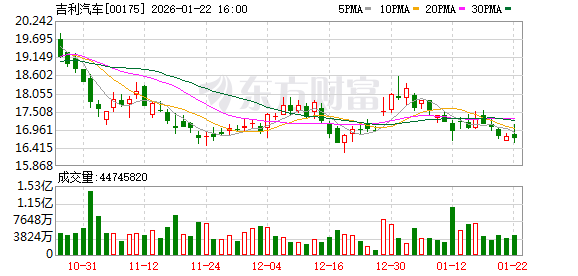
Core Insights - Geely aims to achieve a revenue of over 1 trillion yuan and global sales exceeding 6.5 million vehicles by 2030, positioning itself among the top five global automakers [2][5] - The company reported a sales milestone of 4.116 million vehicles in 2025, ranking seventh globally [2] Group 1: New Energy Vehicles as Growth Engine - New energy vehicles (NEVs) are projected to account for approximately 75% of Geely's total sales by 2030, translating to over 4.87 million NEVs [4] - In 2025, Geely's total sales grew by 26% year-on-year, with NEV sales increasing by 58% to 2.293 million units, achieving a NEV penetration rate of 55.7% [4] - Geely's Galaxy brand saw a remarkable 150% year-on-year sales growth in 2025, reaching 1.2358 million units, highlighting the effectiveness of Geely's strategic transition to NEVs [4] Group 2: Global Market Expansion - Geely plans to ensure that over one-third of its total sales by 2030 will come from overseas markets, estimating overseas sales to exceed 2.16 million vehicles [5] - The company has accelerated its global market strategy, including a strategic partnership with Renault in Brazil to produce and sell NEVs [6] Group 3: Brand Strategy and Ecosystem Development - Geely aims to strengthen its brand matrix by enhancing the positioning and synergy of its various brands, including Geely, Galaxy, Lynk & Co, and Zeekr, while leveraging international brands like Volvo and Polestar [7] - The company plans to launch 100,000 customized Robotaxi vehicles by 2030, initiating commercial operations globally [7] Group 4: Strategic Integration and Resource Optimization - Geely is committed to implementing the "One Geely" strategy, focusing on top-level operations and global governance to ensure efficient and compliant operations across its business units [8] - The company aims to streamline its business segments and optimize its industrial layout, enhancing resource utilization efficiency [8] Group 5: Technological Advancements - Geely plans to develop a global top-tier new energy architecture covering vehicle classes A to E, with a target to reduce the average development cycle and overall costs by over 30% [9] Group 6: User Service Ecosystem - Geely is initiating the "Geely Boundless" ecosystem to facilitate shared user rights across multiple brands, aiming to create a comprehensive service experience that integrates post-vehicle market, mobility services, and quality living [10]


甲醇能源加速走向规模化应用
Zheng Quan Ri Bao· 2026-01-07 17:26
Core Viewpoint - The green methanol energy sector is transitioning from demonstration to large-scale application, driven by the launch of numerous domestic projects and the clarity of application scenarios in commercial vehicles and shipping [1][2]. Group 1: Industry Development - A total of 210 green methanol projects have been planned, under construction, or in production across the country, with a combined capacity exceeding 51 million tons per year [2]. - Green methanol serves dual purposes as both an energy source and a chemical raw material, contributing to reduced carbon emissions in end-use sectors and optimizing the raw material structure in traditional chemical industries [2]. - The strategic significance of green methanol in international supply chains is increasing due to policies like the EU's Carbon Border Adjustment Mechanism (CBAM), which emphasizes the importance of the product's carbon footprint throughout its lifecycle [2]. Group 2: Standardization and Certification - There is a lack of unified standards for green methanol across different countries and regions, which affects the recognition of raw material sources, production processes, and carbon reduction effects, thereby limiting cross-regional circulation and international trade [2][3]. Group 3: Technological Advancements - The cost curve for green methanol is expected to improve significantly in the coming years due to declining costs of wind and solar power generation and advancements in electrolysis technology [3]. - Green methanol can convert fluctuating electricity into a storable and transportable liquid energy form, enhancing its role in the new energy system [3]. Group 4: Application Scenarios - The "scale-up inflection point" for methanol energy applications is anticipated to occur first in hard-to-abate sectors such as commercial vehicles and shipping [4]. - The commercial vehicle sector is witnessing a parallel development of multiple technological routes, with methanol emerging as a viable option for long-haul logistics and areas with insufficient charging infrastructure [4]. Group 5: Innovative Solutions - The methanol-hydrogen electric model is gaining attention, utilizing methanol as an energy storage medium to achieve longer range and higher efficiency [5]. - The latest systems in this model have achieved a thermal efficiency of 50.3%, with the cost of fuel expected to be 32% to 52% lower than diesel [5]. Group 6: Shipping Sector - Green methanol is considered a highly feasible alternative fuel in the shipping industry, offering advantages in terms of conversion costs, fuel storage, and safety management compared to liquefied natural gas and hydrogen fuel [6]. Group 7: Future Outlook - The methanol energy sector is at a critical stage of moving from "feasible" to "scalable," with the need for stable positive feedback in carbon reduction, energy security, and economic viability to secure its position in the new energy transition [7].
吉利醇氢,成了破解高寒新能源难题的“关键答案”
Bei Jing Qing Nian Bao· 2026-01-07 16:27
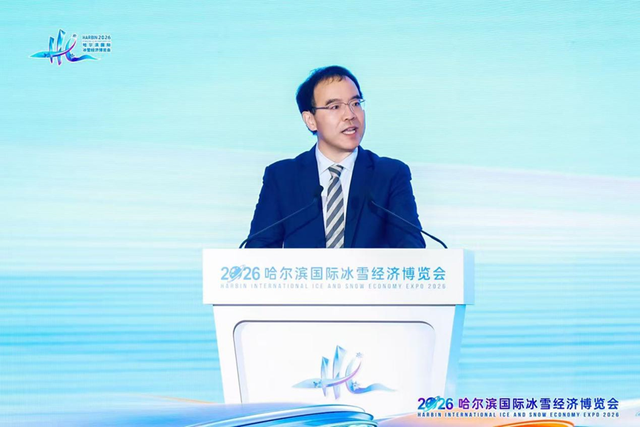
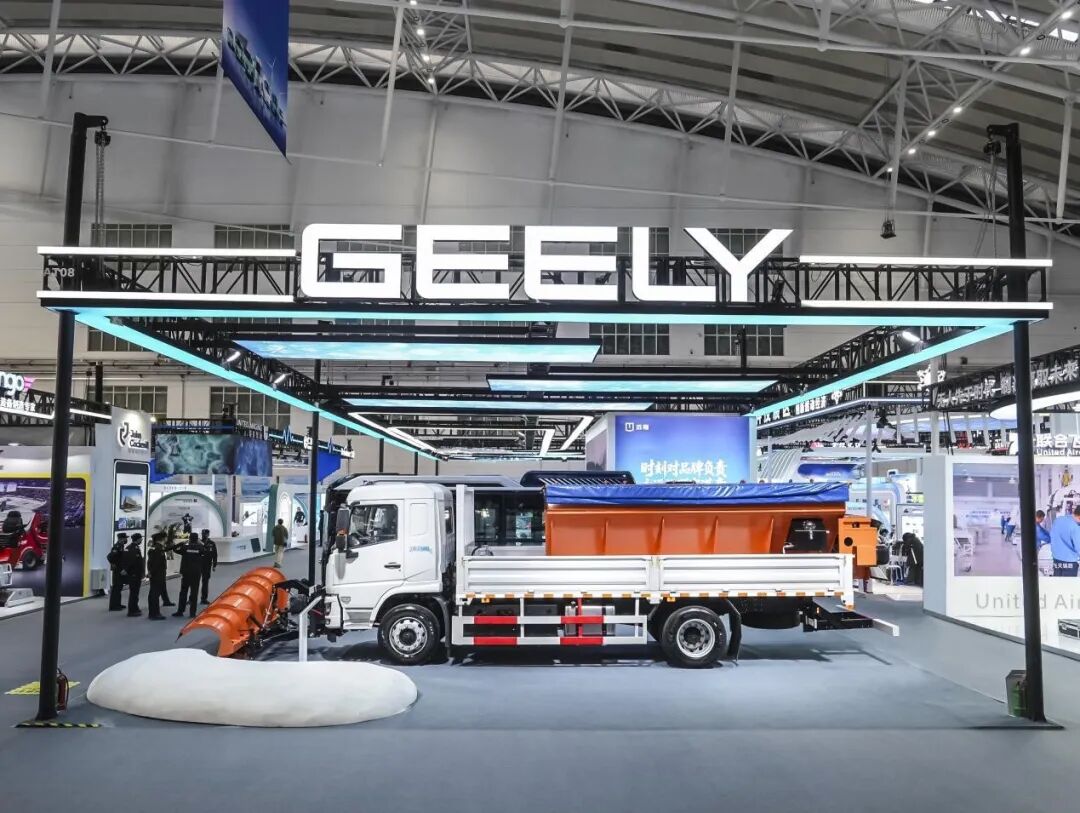
Core Viewpoint - The Harbin International Ice and Snow Economic Expo showcases Geely Holding Group's advancements in methanol-hydrogen electric technology, emphasizing its role in supporting the green future of the ice and snow economy in extreme cold environments [1][5]. Group 1: Technological Advancements - Geely is recognized as a global leader in methanol ecology and carbon neutrality, with methanol-hydrogen technology expanding from road transport to marine, mining, and construction machinery, providing reliable green power solutions for low-temperature economies [3][5]. - The methanol-hydrogen electric buses and snow removal vehicles presented can operate reliably at temperatures as low as -40°C, addressing the industry pain point of traditional electric vehicles struggling in winter conditions [5][7]. Group 2: Economic Impact - The long-range methanol-hydrogen electric buses are already in large-scale operation in northern cities, achieving a range of over 600 kilometers in low temperatures, with operational costs approximately 0.2 yuan lower per kilometer compared to pure electric vehicles, leading to savings of about 180,000 yuan over the vehicle's lifecycle [5][7]. - In the municipal sector, Geely's methanol-hydrogen electric snow removal vehicles reduce energy consumption costs by over 30% compared to traditional fuel vehicles and decrease emissions by 90% [7]. Group 3: Ecosystem Development - Geely is building a closed-loop methanol ecosystem through a "methanol-transport-station-vehicle" model, promoting the collaborative development of green methanol production, refueling infrastructure, and methanol electric vehicles [9]. - The company has established over 900 methanol refueling stations nationwide, with plans to increase this number to 4,000 by the end of 2027, making methanol refueling as convenient as traditional refueling [9].
冰博会硬核亮相!吉利醇氢解锁寒区绿色发展新范式
Zhong Guo Qi Che Bao Wang· 2026-01-07 06:29
Group 1 - The Harbin International Ice and Snow Economic Expo, themed "Ice Chain World, Snow Dance Future," showcases global ice and snow industry resources, with Geely Holding Group presenting its full-scenario methanol-hydrogen electric product matrix and industry chain ecological solutions [2] - Geely has invested over 20 years in the methanol economy, becoming a core driver of industry development, with over 50,000 methanol-hydrogen electric vehicles in operation and a total mileage exceeding 23 billion kilometers [7] - The methanol economy is entering a golden period, supported by over 70 policy documents from national and local governments, promoting methanol vehicle applications and establishing a comprehensive policy support system [4][5] Group 2 - Methanol's unique advantages in energy security and carbon neutrality position it as a trillion-level emerging industry, with the potential to produce approximately 6 million tons of green fuel from 10% of China's annual CO2 emissions [5] - Geely's methanol-hydrogen electric technology has achieved a thermal efficiency of 50.3%, making it economically viable and reliable for commercial operation [7] - The methanol fuel's freezing point of -97.6°C allows it to operate effectively in extreme cold environments, making it a preferred solution for green transportation in northern regions [9] Group 3 - Geely's methanol-hydrogen electric buses and snow removal vehicles are designed for urban public and ice and snow industry operations, with the buses achieving over 600 kilometers of range in low temperatures and significant cost savings compared to pure electric models [11] - The company has established over 900 methanol refueling stations nationwide, with plans to increase this number to 4,000 by the end of 2027, facilitating convenient methanol refueling [15] - The collaboration between Geely and Heilongjiang province is expected to boost the development of the methanol-hydrogen electric industry, leveraging the region's renewable energy resources and the growing demand from the ice and snow economy [16]
远程醇氢电动开始发力 10月销量持续领跑
智通财经网· 2025-11-14 01:11
Group 1 - The core viewpoint is that the remote new energy commercial vehicle sales continue to lead the industry, achieving both monthly and cumulative sales championships, with a market share of 21.3% in the new energy logistics vehicle segment, marking the 42nd consecutive month of industry leadership [1] - The overall sales of the new energy commercial vehicle industry are gradually declining after a peak in September, but the remote company's methanol-hydrogen electric models are gaining traction, with a year-on-year growth of 253% for methanol-hydrogen heavy trucks, emerging as a dark horse in the industry [1][2] - The methanol-hydrogen electric technology is recognized as the optimal solution for all scenarios in new energy commercial vehicles, leveraging the advantages of long range and low-temperature adaptability, with a cumulative market share of 66.8% for methanol-hydrogen heavy trucks from January to October, maintaining the top position in mixed-power heavy truck sales for 15 consecutive months [2][3] Group 2 - The recently released "Energy Saving and New Energy Vehicle Technology Roadmap 3.0" emphasizes that hybrid power will remain a key driving force in the new energy transformation of commercial vehicles, with expectations that hybrid commercial vehicles will account for over 65% of new sales of traditional energy commercial vehicles by 2040 [4] - The successful promotion of methanol-hydrogen electric technology in Shenyang serves as a valuable case study for large-scale application in northern cold regions, addressing major pain points of traditional pure electric vehicles in low-temperature environments [6] - The collaboration between the remote company and Jinbei Automobile in Shenyang aims to facilitate the new energy transformation of Jinbei through the introduction of methanol-hydrogen electric technology, which is expected to stimulate the development of the entire new energy commercial vehicle industry chain in Liaoning Province [6]
远程当选新能源重卡联盟理事单位,醇氢电动破解行业痛点获认可
Zhong Guo Qi Che Bao Wang· 2025-11-11 09:30
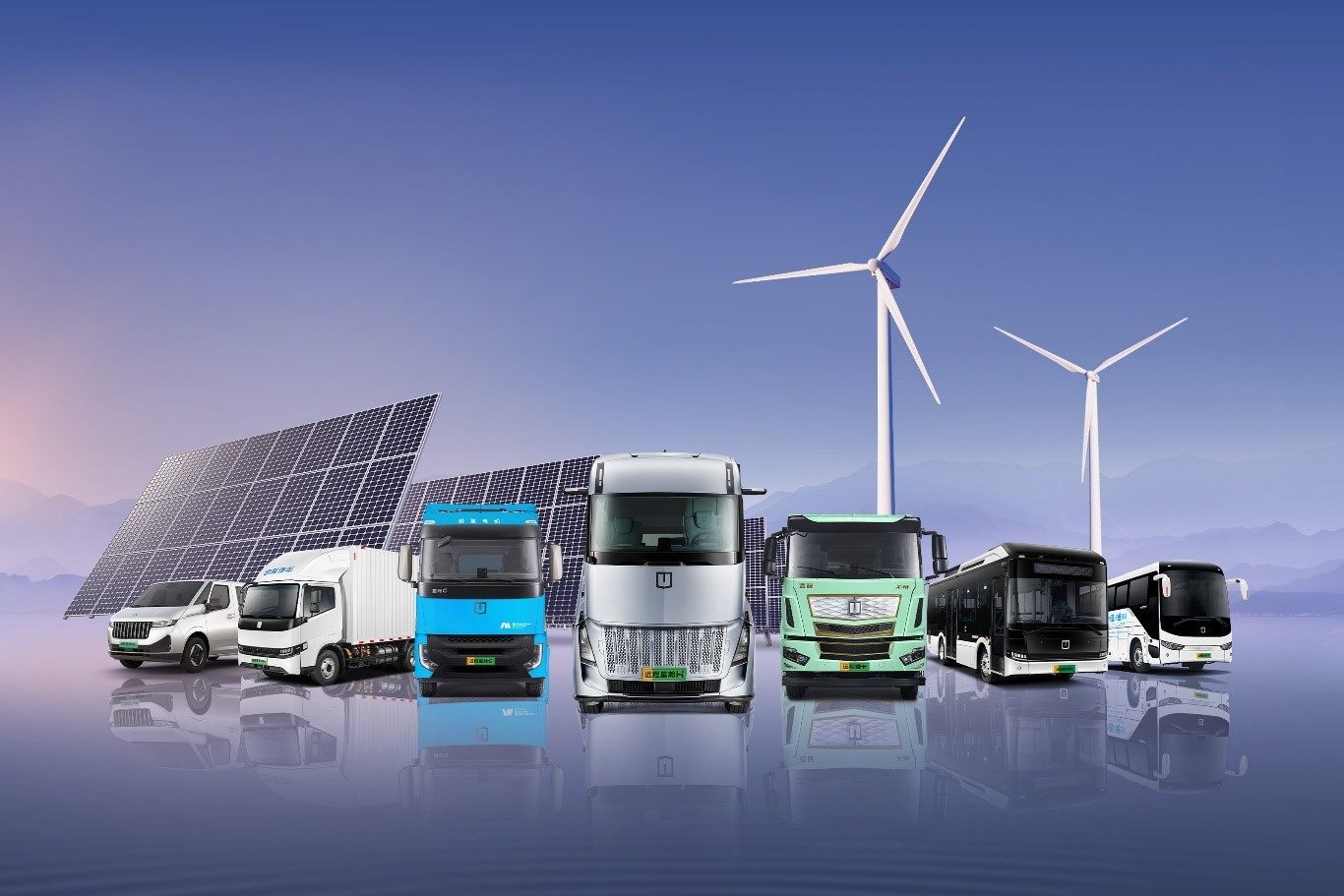
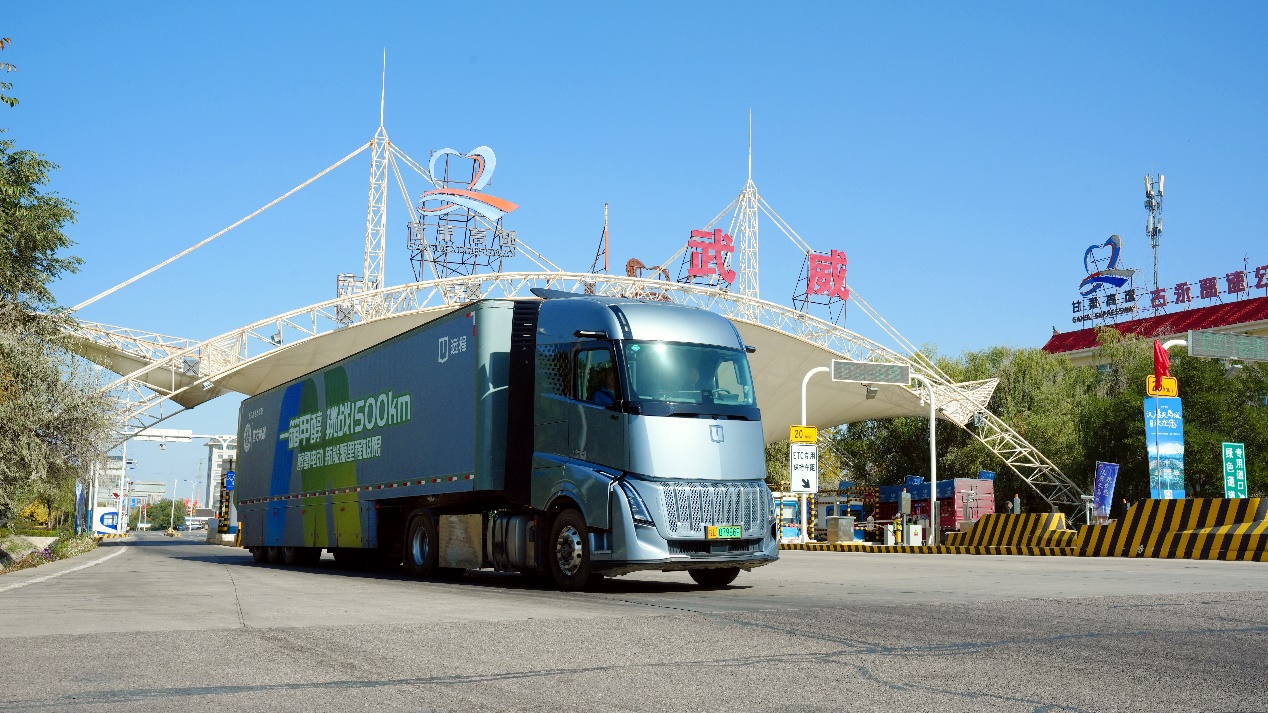
Core Insights - The 2025 China Commercial Vehicle Industry Development and Technology Innovation Conference was held in Wuhan, focusing on strategic paths for the development of the commercial vehicle industry in China [1] - The New Energy Heavy Truck Alliance was established, with nine companies including FAW Jiefang and Dongfeng as council members, aiming to create a collaborative ecosystem for new energy heavy truck manufacturers [1] - The unique "methanol-hydrogen + electric" technology route of Yuan Cheng aims to address the challenges of the heavy truck market's transition to new energy, promoting high-quality industry development [1] Industry Challenges and Opportunities - The heavy truck sector is crucial for logistics and construction, and is undergoing a significant transformation towards electrification and intelligence under China's "dual carbon" strategy [2] - Current challenges include a lack of clear national policy direction on various technology routes, which include pure electric, hydrogen fuel, and plug-in hybrid technologies [2] - The complexity of commercial vehicle applications necessitates a multi-fuel power system, with projections indicating that by 2040, over 65% of new commercial vehicle sales will be hybrid [3] Technological Advancements - Yuan Cheng has developed a "methanol-hydrogen electric" technology that significantly reduces emissions compared to traditional diesel vehicles, achieving a 98% reduction in PM pollutants and a 32%-52% cost reduction compared to diesel [4] - The technology allows for a range of over 1500 kilometers, making it suitable for long-haul logistics, and operates efficiently in cold weather conditions [4] - The company has achieved a market share of 65.9% in the methanol-hydrogen electric heavy truck segment, with a year-on-year growth of 305.9% [6] Strategic Collaborations and Infrastructure Development - Yuan Cheng collaborates with major suppliers like Bosch and ZF to enhance the value of its methanol-hydrogen electric trucks [6] - The company has established over 900 methanol refueling stations across key regions, with plans to expand to 4000 stations by the end of 2027, facilitating easier access to methanol fuel [6] - The focus on research and innovation, along with a commitment to sustainable development, positions Yuan Cheng to lead the transition of the heavy truck industry towards new energy solutions [6]
汉马科技10月份新能源中重卡车销量同比增长超300%
Zheng Quan Ri Bao· 2025-11-04 15:41
Core Insights - Hanma Technology's production and sales of new energy heavy-duty trucks saw significant year-on-year growth in October, with production increasing by 277.02% and sales by 325.70% [1] - The company's revenue for October is expected to exceed 600 million yuan, marking its best monthly performance in nearly five years, reflecting strong momentum in its new energy transition strategy [1] - Hanma Technology's alcohol-hydrogen electric trucks have been delivered in bulk across multiple regions in China, showcasing high market penetration [1] Company Performance - In October, Hanma Technology produced 1,165 new energy heavy-duty trucks and sold 1,209 units, indicating robust growth in production and sales [1] - The expected revenue of over 600 million yuan in October highlights the company's successful transition towards high-quality development [1] Market Trends - The new energy truck market in China is experiencing a surge, with cumulative sales of new energy heavy-duty trucks reaching 137,800 units in the first three quarters of the year, a year-on-year increase of 184% [2] - The market penetration rate for new energy heavy-duty trucks is currently at 24.21%, with projections suggesting it will rise to 35% by 2026 [2] Technological Advancements - Hanma Technology is leveraging its first-mover advantage in alcohol-hydrogen electric technology to support the green and intelligent transformation of the truck industry [2] - The industry is shifting from a focus on mechanical hardware to a combination of electric drive, intelligence, and service, driven by increased R&D investments and the introduction of diverse products [2]

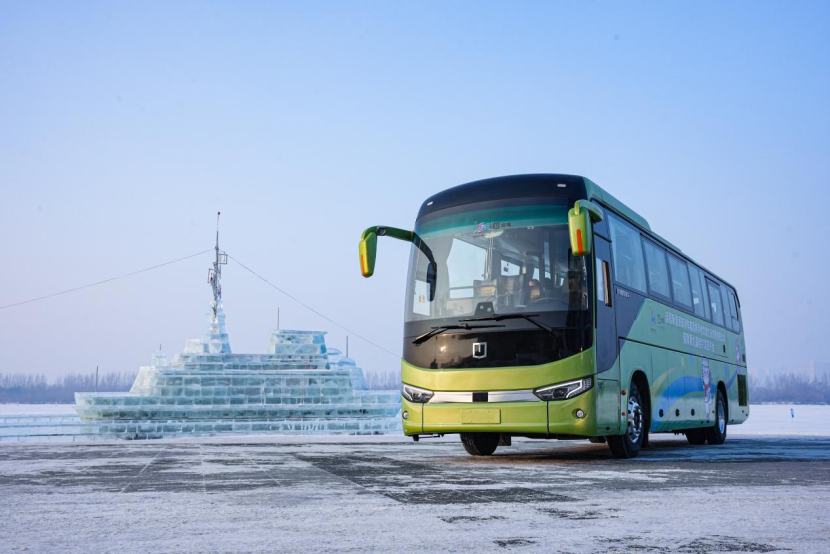
吉利旗下300台醇氢电动客车在哈尔滨上线,最快7分钟可补能
Bei Ke Cai Jing· 2025-10-31 03:24
Core Insights - The article reports that Geely Group has launched 300 methanol-hydrogen electric buses in Harbin, covering multiple routes [1][3] - The buses utilize a pioneering methanol-hydrogen electric technology with a self-developed methanol engine, significantly reducing fuel costs compared to diesel buses [1] - In extreme cold conditions of -25°C, the buses maintain a range of over 600 kilometers, which is more than double that of pure electric buses under similar conditions, with a refueling time of only 7-10 minutes [1] Cost Efficiency - Operational data indicates that the new bus model saves an additional 0.2 yuan per kilometer compared to pure electric buses [3] - Over an 8-year lifecycle, each bus can accumulate savings of approximately 180,000 yuan in operating costs, showcasing excellent energy-saving performance [3]
【快讯】每日快讯(2025年6月25日)
乘联分会· 2025-06-25 08:31
Domestic News - The Ministry of Commerce will organize the 2025 New Energy Vehicle Consumption Season from July to December 2025 to stimulate consumption potential and create new growth points in the automotive sector [3] - Six departments jointly issued guidelines to enhance financial support for consumption, encouraging financial institutions to provide various services for trade-in programs and increasing credit support for related enterprises [4] - The Ministry of Commerce aims to promote the commercial application of advanced intelligent driving vehicles while ensuring safety and compliance [5] - Guangzhou has implemented a policy allowing applicants who have been unsuccessful in the car license lottery to directly receive license plates, easing purchase restrictions [6] - Seres Automotive completed a strategic capital increase of up to 5 billion yuan, with several financial institutions participating [7] - Xiaomi's Yu7 model now supports external voice commands through its AI assistant, enhancing user interaction [8] - NIO's Firefly brand launched a Battery-as-a-Service (BaaS) rental service, reducing the car price by 40,000 yuan for users opting for this service [9] - GAC opened a sales service center in Benghazi, Libya, marking a significant step in its North African market expansion [9] International News - The South Korean market for imported diesel vehicles has significantly declined, with sales dropping by 60.2% year-on-year in May 2025 [11] - Cadillac delivered its first Celestiq model, a luxury vehicle starting at $350,000, showcasing its return to the high-end automotive market [12][13] - Uber and Waymo have launched a self-driving ride-hailing service in Atlanta, expanding their autonomous vehicle offerings [14] - Continental AG has lowered its profit margin forecast for the year due to rising costs from U.S. tariffs, now expecting a maximum adjusted EBIT margin of 11% [15] Commercial Vehicles - Beiqi Foton signed a memorandum for a localized manufacturing plant in Saudi Arabia, delivering 1,000 school buses to local customers [16] - The first cross-border heavy-duty truck battery swap line was launched, covering a distance of 980 kilometers from Sichuan to Yunnan [17] - The Haval Shanhai Pao Hi4-T was officially launched, with two versions priced at 249,800 yuan and 228,800 yuan respectively [18] - Remote's alcohol-hydrogen electric technology was showcased at a Zhejiang energy-saving promotion event, highlighting advancements in green transportation [19]

宝马中国宣布接入DeepSeek,传日产计划关闭武汉工厂 | 汽车早参
Mei Ri Jing Ji Xin Wen· 2025-04-27 22:40
Group 1 - BMW China announced the integration of DeepSeek, enhancing its AI ecosystem and improving human-machine interaction in new models starting in Q3 2025 [1] - The partnership with Alibaba aims to boost product competitiveness and provide consumers with a stronger smart experience, potentially driving innovation in the high-end automotive sector [1] Group 2 - Nissan plans to close its Wuhan factory by March 31, 2026, due to low production capacity utilization, with only 10,000 units produced since its opening in 2022 [2] - Despite the closure, Nissan will invest $1.4 billion in China and launch around 10 new electrified models by 2027, indicating a commitment to transformation [2] Group 3 - Bosch and Remote have upgraded their strategic partnership to focus on comprehensive collaboration in hydrogen and electric technologies, aiming to develop a hydrogen-electric ecosystem [3] - The first batch of 1,000 new energy commercial vehicles developed jointly will be launched in domestic and international markets in the second half of this year [3] Group 4 - Ford has suspended exports of SUVs, pickups, and sports cars to China due to a significant increase in import tariffs, affecting approximately 5,500 vehicles in 2024 [4] - The decision reflects the challenges faced by American automakers due to retaliatory tariffs, impacting market share and brand perception in China [4] Group 5 - Volkswagen will maintain vehicle prices in the U.S. until the end of May, addressing concerns over rising costs due to tariffs and high inflation [5] - This decision aligns with strategies from other automakers to alleviate consumer purchasing pressure in a high-interest-rate environment [5]