粮食仓储

Search documents
龙江粮储交出“十四五”亮眼成绩单
Xin Lang Cai Jing· 2026-02-18 23:27
Group 1 - The core focus of the Heilongjiang grain storage system is on enhancing grain storage, industry development, and emergency support, achieving significant results in these areas during the "14th Five-Year Plan" period [2] - The province secured 3 billion yuan in central government funding for six major grain-producing counties, leading the nation in both the number of projects and funding amount, with 29 projects attracting 4.69 billion yuan in social investment, accounting for over half of the national total [2] - The grain processing and transformation rate is expected to increase by over 1 percentage point, generating an additional annual output value of over 3 billion yuan [2] Group 2 - The province implemented innovative market price monitoring and enterprise purchasing scheduling, resulting in a 0.08 yuan per jin increase in corn prices compared to the previous year, benefiting farmers [2] - As of January 25, the province's enterprises had cumulatively purchased 944 billion jin of new grain, indicating a stable and orderly purchasing situation with prices remaining steady [2] - The province's deep processing of grain has led to 30 enterprises achieving a total revenue of 35.92 billion yuan, with raw grain consumption increasing by 4.53 million tons compared to the previous year [3] Group 3 - The emergency support system has expanded to include 2,722 grain emergency support enterprises, establishing a comprehensive three-tiered network for emergency grain support [3] - The province has initiated the construction of a Northeast regional grain emergency support center, recognizing 58 regional emergency support enterprises and conducting cross-regional emergency transport drills [3] - The provincial reserve grain green storage enhancement project is in planning, with an investment of 1.325 billion yuan aimed at creating 1 million tons of intelligent high-standard storage capacity [3]

低温“助攻”粮库保粮 4000吨粮食住进“天然冰箱”
Feng Huang Wang Cai Jing· 2026-01-26 05:49
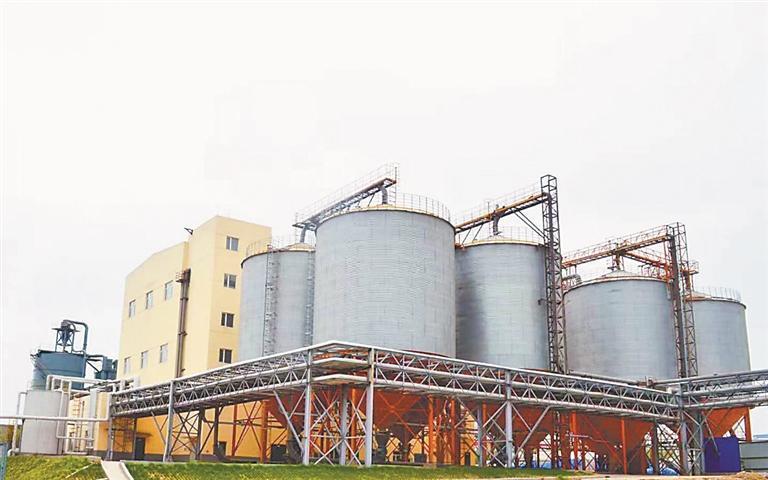
Core Insights - The recent cold wave has allowed Ningbo Yinzhou Grain Storage Company to utilize natural cooling for grain preservation, achieving a stable temperature of 3°C in their storage facilities [1][2] - The company has implemented large-scale mechanical ventilation to prevent mold and pest issues in stored grain, which is crucial for maintaining quality and minimizing losses [1] - The use of intelligent and green technologies in grain storage is emphasized to ensure food safety, especially with the upcoming Spring Festival [2] Group 1 - The grain storage facility has successfully reduced the temperature of 4000 tons of grain by 4°C overnight through mechanical ventilation, which is more cost-effective than using air conditioning [1] - The current temperature of the grain is maintained at 5°C or below, meeting the "quasi-low temperature storage" standard [2] - The mechanical ventilation system helps achieve uniform temperature distribution within the grain piles, addressing common issues of uneven heating from drying processes [2] Group 2 - The company is focused on ensuring that stored grain is well-preserved, easily accessible, and safe for consumer use, particularly as the Spring Festival approaches [2] - The integration of smart technology in grain storage operations is part of a broader strategy to enhance food security [2]
智慧储粮筑牢“大国粮仓”
Xin Lang Cai Jing· 2026-01-24 22:40
Group 1 - The core viewpoint of the articles highlights the significant advancements in grain storage quality and management by the China Grain Reserves Corporation (Sinograin), emphasizing the importance of maintaining high standards for national food security [1][2][3] - Sinograin has achieved the highest historical levels of central government grain and oil quality compliance and storage rates, with comprehensive grain loss controlled within 1% [1] - The company is accelerating the construction of green, technological, intelligent, and clean grain storage facilities, which serve as a model for the green transformation of the grain storage industry [1][2] Group 2 - The establishment of a smart grain storage management and dispatch center in Inner Mongolia, equipped with over 220,000 temperature sensors, allows for real-time monitoring and alerts for temperature anomalies [2] - Sinograin has developed a green storage technology system tailored to the climatic characteristics of China's seven major grain storage ecological zones, achieving over 98% coverage of green storage technology [2] - The company is enhancing its technological innovation system by collaborating with over 20 research institutions and universities, leading to increased research funding and breakthroughs in various projects [3]
储备粮综合损耗控制在1%以内——智慧储粮筑牢“大国粮仓”
Jing Ji Ri Bao· 2026-01-24 21:57
Core Insights - The China Grain Reserves Corporation (Sinograin) has achieved record levels in the quality compliance rate and storage rate of central government grain and oil reserves, with comprehensive storage loss controlled within 1% [1] - Sinograin is enhancing its green, technological, and intelligent grain storage capabilities, which are crucial for ensuring grain quality and reducing storage losses [1] - The company is establishing modern grain storage facilities that integrate advanced technologies, materials science, and information technology [2] Group 1 - Sinograin's green storage technology coverage exceeds 98%, with a focus on adapting to the climatic characteristics of China's seven major grain storage ecological zones [2] - The company has implemented a smart grain storage management and scheduling center, installing over 220,000 temperature sensors across 1,500 storage locations to monitor and manage grain conditions in real-time [2] - The average grain temperature in winter is maintained between -5°C and -7°C, while summer temperatures are kept below 25°C, significantly preserving the quality of stored corn [1][2] Group 2 - Sinograin is strengthening its technology innovation system by collaborating with over 20 research institutions and universities, leading to increased R&D investment and a record number of ongoing projects [3] - The company has successfully promoted 472 applications of innovative results nationwide, enhancing the contribution of technological innovation to high-quality grain storage development [3] - Sinograin's chairman emphasizes the commitment to intelligent, green, and integrated development, aiming to optimize the support policy for technological innovation and enhance the productivity of new quality [3]
用科技守护舌尖幸福感!江苏5家单位跻身国家级示范居全国第一
Yang Zi Wan Bao Wang· 2025-12-29 09:35
Core Viewpoint - Jiangsu Province has been recognized as one of the five demonstration units for green grain storage technology integration from 2025 to 2027, leading the nation in the number of demonstration points [1] Group 1: Green Grain Storage Initiatives - Jiangsu's commitment to food security is reflected in its integration of green development concepts into grain storage, ensuring that every grain remains fresh from storage to distribution [3] - The province has implemented a "Five Warehouse Co-construction" goal, focusing on safety, intelligence, greenness, beauty, and integrity in modern grain storage [3] Group 2: Technological Advancements - Over 90% of the grain storage facilities in Jiangsu are equipped with modern technology, with more than 70% utilizing new grain storage techniques [5] - The "new four-in-one" nitrogen storage technology enhances the respiration of grains, while eco-friendly materials contribute to greener storage environments [5] Group 3: Collaborative Innovation - Jiangsu has established four national grain industry technology innovation centers and a complete provincial technology innovation strategic alliance, fostering collaboration between research institutions and grain storage companies [5] - A "five-in-one" green storage technology system has been developed, improving the structural integrity and environmental efficiency of storage facilities [7] Group 4: Knowledge Sharing and Training - The province promotes the dissemination of green storage technologies through platforms like "Su Grain Smart Chain," facilitating technical exchanges and training for professionals in the field [7] - Smart monitoring systems in grain storage facilities provide real-time data on temperature and humidity, ensuring optimal conditions for grain preservation [7] Group 5: Future Plans - Jiangsu plans to continue refining its technologies and sharing experiences to enhance green storage practices across more facilities [9]
“十四五”期间,山东新建扩建绿色仓容549万吨、升级改造仓容545万吨
Qi Lu Wan Bao· 2025-12-26 12:04
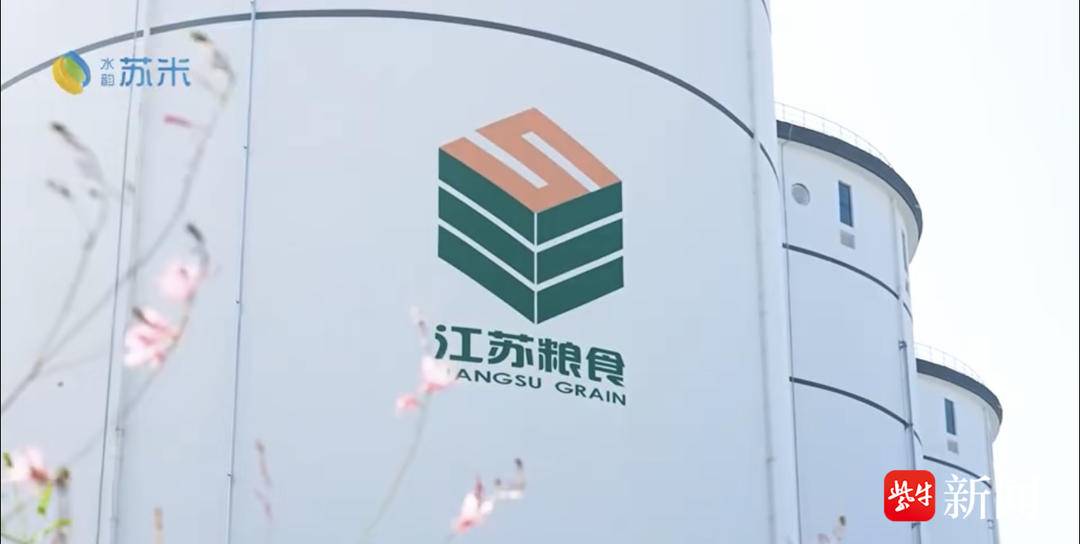
Core Viewpoint - The "Green Storage Improvement Action" is a key initiative during the "14th Five-Year Plan" period, focusing on the construction and upgrading of high-standard grain storage facilities to ensure food security in China [1][2]. Group 1: Facility Modernization - A total of 2.91 billion yuan in fiscal funds has been allocated, attracting nearly 7.4 billion yuan in social investment to support green storage facility construction [2]. - The initiative includes the construction and expansion of storage capacity by 5.49 million tons and the upgrading of 5.45 million tons of existing storage [2]. - 61 projects aimed at enhancing grain reserve capacity are currently being implemented, focusing on new constructions, upgrades, and the establishment of "smart grain depots" [2]. Group 2: Green Storage Achievements - The application of technologies such as refrigeration control, internal circulation temperature control, and horizontal ventilation has been promoted, with state-owned grain enterprises utilizing these technologies across 6.54 million tons of storage [2]. - The comprehensive loss rate of stored grain in local reserve depots has decreased to 0.38%, significantly below the national standard of 1% [2]. Group 3: Institutional Management - The "Shandong Province Grain Security Guarantee Regulations" emphasizes the upgrading of old grain warehouses and the promotion of green storage technologies [3]. - Grain safety management indicators are now included in the comprehensive performance assessment of 16 cities, ensuring accountability in administrative and corporate responsibilities [3]. - The management system has been improved with the revision of nearly 100 forms related to local reserve grain management, enhancing the standardization of grain storage practices [3].
寄给“十五五”的明信片丨深耕沃野 绘就新卷
He Nan Ri Bao· 2025-12-25 23:43
Core Insights - The article highlights the efforts of various individuals in Henan province who are contributing to the agricultural development and rural revitalization, showcasing their innovative approaches and dedication to improving the lives of local farmers [1] Group 1: Smart Grain Storage - The smart grain storage initiative in Pingdingshan aims to enhance efficiency for both large-scale and small-scale farmers, with a focus on technology integration to solve practical issues [3][4] - The grain storage facility has implemented a dual-track service model, improving efficiency for large farmers by three times while providing easy access for smallholders and elderly farmers [3] - Future plans for the grain storage include the introduction of AI technology for pest prediction and the development of a 24-hour unmanned inspection system [4] Group 2: Tomato Cultivation Success - The transformation of Baiyunshan Village from a poverty-stricken area to a thriving community is attributed to the introduction of greenhouse tomato cultivation, which has significantly increased local incomes [6][8] - The village now boasts 165 greenhouses, producing 10 million pounds of tomatoes in 2024, with collective economic income reaching 865,000 yuan and per capita income at 39,000 yuan [8] - The leadership of local party secretary Chen Baocao was pivotal in this transformation, as he encouraged villagers to embrace new agricultural practices and provided necessary support [7][8] Group 3: Innovative Agricultural Practices - Zhou Haiyan's return to her hometown to develop unique agricultural products, such as the high-end "sheep belly mushroom" and "rose gold cabbage," reflects a shift towards high-value, niche farming [9][10] - The introduction of these products has created numerous job opportunities, benefiting the local community and promoting shared prosperity [11] - Zhou's experience illustrates the potential for innovative agricultural practices to revitalize rural economies and enhance the quality of life for local residents [11] Group 4: Community Development through Art - Zhang Guifang's initiative to transform Sanjia Village into a "rainbow village" through artistic wall paintings has significantly increased the village's visibility and attractiveness [12][13] - The village has seen a surge in tourism and community engagement, leading to the establishment of new facilities and opportunities for residents [15] - Zhang's efforts exemplify how creative approaches can drive community development and foster a sense of pride among villagers [14][15]
苏州农发两大域外粮库全面运营
Su Zhou Ri Bao· 2025-12-25 22:33
Core Insights - The Suzhou Agricultural Development Group has initiated key operations for grain storage in its external grain depots, marking the full-scale operational phase of two external grain warehouses [1] Group 1: Warehouse Developments - Su Yan Company, established in September this year, has a total storage capacity of 300,000 tons, serving as the core facility for Suzhou's external grain storage planning [1] - Su Su Company, completed in May this year, has a storage capacity of 100,000 tons, crucial for meeting regional grain storage requirements and expanding storage space [1] Group 2: Grain Storage Operations - As part of the autumn grain storage tasks, quality inspectors have conducted strict testing on every truckload of grain, ensuring compliance with quality standards [1] - A total of 34,350 tons of wheat and 12,322 tons of rice have been successfully stored [1] - Over 2,000 tons of rice have been stored at Su Su Company, with preparations made for adverse winter weather conditions [1] Group 3: Strategic Goals - The company aims to focus on the core goal of food security, emphasizing standardized operations and refined management of external grain warehouses [1] - There is a commitment to maintaining both quality and quantity in grain storage, ensuring strict adherence to storage protocols [1] - The strategic reserve function of the two external grain warehouses is intended to support the overall food security framework [1]
年终话“三农”丨全链条发力 携手护粮安——2025年粮食和重要农产品稳产保供一线观察
Xin Hua Wang· 2025-12-25 01:20
Core Insights - Food security is emphasized as a national priority, with significant efforts made to ensure stable production and supply of grain and important agricultural products by 2025 [1] Group 1: Agricultural Production - In 2025, China's grain production faced challenges from various natural disasters, yet the total grain output reached a historical high of 14,297.5 billion jin, marking a significant increase from the previous year [2][3] - The national average grain yield was reported at 399.1 kg per mu, an increase of 1.1% from the previous year, with corn planting area reaching 67.4 million acres, up by 3.3 million acres [3] - The Ministry of Agriculture and Rural Affairs noted that grain production achieved self-sufficiency, ensuring absolute safety for staple foods while maintaining a rich supply of other agricultural products [3] Group 2: Storage and Processing - Enhancements in grain storage capabilities are crucial for food security, with advancements in technology such as intelligent control systems in storage facilities to maintain grain quality [5] - The reduction of grain loss during harvesting and processing is emphasized, with new machinery reducing loss rates significantly, such as a drop in wheat loss rates to 0.78% in Shandong [6][4] - The processing sector also shows potential for reducing waste, with companies implementing strict measures to minimize grain loss during transportation and processing [6] Group 3: Consumption and Waste Reduction - Initiatives at the consumer level, such as offering smaller portion sizes in community canteens, aim to reduce food waste and promote a culture of conservation [8][9] - The community's efforts in promoting food-saving practices contribute to the overall goal of ensuring food security for the population [9]

不愁果腹的今天 为何仍要铭记“四无粮仓”?
Xin Lang Cai Jing· 2025-12-23 13:54
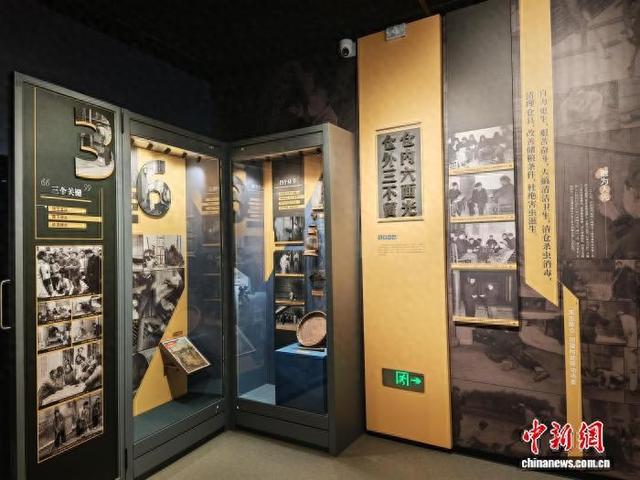
Core Viewpoint - The upgraded Yuhang Four No Grain Warehouse Exhibition Hall utilizes digital technology to educate the public about the importance of food security and the historical efforts of early grain workers in China [1][4]. Group 1: Historical Significance - The Yuhang Four No Grain Warehouse Exhibition Hall is located in the core area of Yuhang District and was transformed from an old grain storage facility, reflecting the historical value of China's grain industry [3]. - In the early years of New China, grain storage was inadequate, with only 6 billion pounds of capacity and significant losses due to pests and mold. The creation of the "Four No Grain Warehouse" in 1954 marked a significant advancement in grain storage practices [3][4]. Group 2: Exhibition Hall Upgrade - The exhibition hall underwent renovations to modernize its facilities and better align with contemporary educational needs, focusing on the spirit and cultural significance of the "Four No Grain Warehouse" [5][6]. - The first exhibition area narrates the history of the "Four No Grain Warehouse," while the third area emphasizes its relevance in the modern context, enhancing interactivity and engagement through technology [6]. Group 3: Future Initiatives - Zhejiang Province has initiated the construction of 21 grain culture-themed exhibition halls, transforming old grain storage sites into cultural hubs [10]. - The province is also pioneering the "Future Grain Warehouse" concept, which incorporates advanced technologies for efficient grain storage and management, aiming to enhance food security [10][11].