综合交通

Search documents
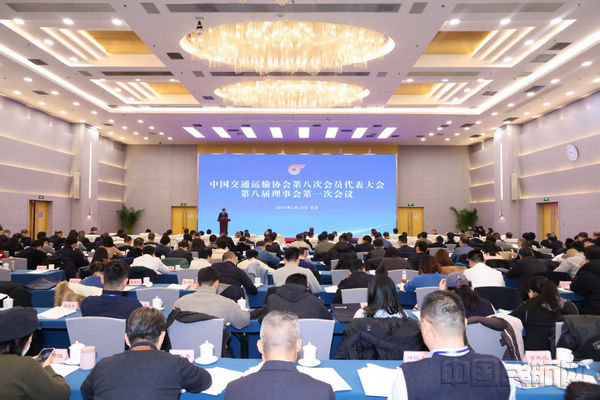
中国交通运输协会第八次会员代表大会在京召开
Zhong Guo Min Hang Wang· 2026-01-25 07:07
Core Viewpoint - The China Transportation Association held its eighth member representative conference, focusing on the development of a modern comprehensive transportation system and setting strategic goals for the "14th Five-Year Plan" period [1][2]. Group 1: Conference Overview - The conference was approved by the Ministry of Civil Affairs and guided by the Ministry of Transport, gathering representatives to summarize the achievements of the seventh council and outline future development plans [1]. - Key documents reviewed included the work report and financial report of the seventh council, as well as the revised constitution and fee management methods [2]. - The conference emphasized the importance of the "14th Five-Year Plan" period in enhancing the modern transportation system and integrating various transportation modes [2]. Group 2: Strategic Goals and Focus Areas - The eighth council aims to establish itself as a leading industry association, focusing on improving the modern comprehensive transportation system [3]. - Four key tasks were identified: building modern transportation infrastructure, enhancing transportation service systems, advancing transportation equipment technology, and improving governance systems [3]. - The conference's resolutions are expected to provide new momentum for the high-quality development of the civil aviation sector, aligning with initiatives like "air-rail intermodal" and "air-land intermodal" transport [2][3].

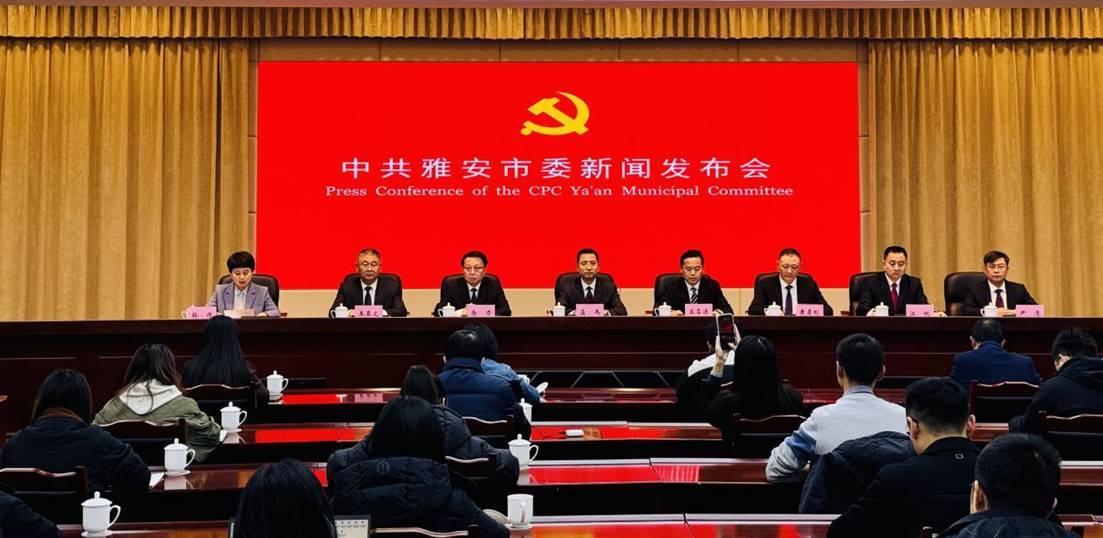
四川雅安:“十五五”期间锚定“一市一地”总目标 擘画“三区两地一枢纽”新路径
Xin Lang Cai Jing· 2025-12-27 06:22
Core Viewpoint - The Yaan Municipal Committee has approved the "14th Five-Year Plan" proposal, outlining the city's development direction and open cooperation strategy for the next five years, emphasizing its role in green development and western openness [1][3]. Group 1: Overall Positioning - The proposal defines Yaan's overall positioning as a "green development pioneer city" and a "new highland for western openness," reflecting its commitment to ecological priority and its strategic role in national and provincial openness [3]. Group 2: Implementation Path - The implementation path is detailed as "three districts, two areas, and one hub," focusing on high-quality development [4]. - **Three Districts**: - Green Industry Innovation Development Zone: Aims to promote industrial green transformation and establish a green industry system supported by modern industries [4]. - Sichuan-Tibet Economic Cooperation Experimental Zone: Focuses on developing a "land-based economy" by integrating resources from Tibet with technology from Chengdu and transformation capabilities from Yaan [5]. - Important Functional Area of Chengdu Metropolitan Area: Aims to deepen integration in various dimensions such as industry, transportation, and living standards [6]. - **Two Areas**: - Important Destination for Giant Panda Cultural Tourism: Leverages the construction of the Giant Panda National Park to promote cultural tourism [7]. - High-Quality Livable Area: Aims to create a "garden of Chengdu and Yaan" by integrating ecology, education, health, and urban development [8]. - **One Hub**: - Comprehensive Transportation Hub in Western Sichuan: Focuses on building a multi-modal transport system and aims to be included in the national logistics hub layout [9]. Group 3: Open Cooperation Strategy - The strategy for expanding open cooperation includes three key areas: - Constructing open corridors and accelerating infrastructure projects like the expansion of the Cheng-Yan Expressway and the establishment of a general airport [11]. - Expanding cooperation in four directions, connecting with Chengdu and the Yangtze River Delta to the east, Tibet to the west, the new land-sea corridor to the south, and the Silk Road Economic Belt to the north [12]. - Developing a high-level open economy by supporting the export of specialty products and promoting the establishment of bonded logistics centers and cross-border e-commerce [13].
中运科技(871481):与广州开发区交通投资集团有限公司签订战略合作协议
Sou Hu Cai Jing· 2025-12-16 15:49
Core Viewpoint - Zhongyun Technology has signed a strategic cooperation agreement with Guangzhou Development Zone Transportation Investment Group, focusing on the development of a low-altitude economy ecosystem and smart transportation integration [1] Group 1: Strategic Cooperation - The agreement is based on principles of integrity, equality, and mutual benefit [1] - Both parties will leverage their respective resource advantages for collaboration [1] Group 2: Areas of Collaboration - The cooperation will cover the construction of a low-altitude economic ecosystem [1] - It includes the development of smart transportation and integrated road-air hubs [1] - The partnership will also focus on flight training, cultural tourism expansion, policy application, and industry standard formulation [1]
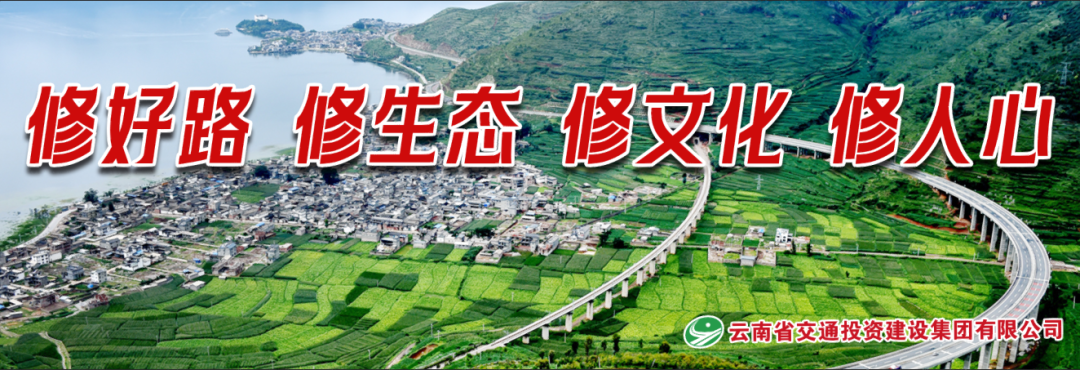
迟中华会见浦虹一行并见证省低空产业投资公司与丽江市人民政府签署战略合作协议
Xin Lang Cai Jing· 2025-12-09 13:36
Core Viewpoint - The strategic cooperation agreement signed between Yunnan Transportation Investment Group and Lijiang Municipal Government aims to develop the low-altitude economy in the region, leveraging Yunnan's comprehensive transportation capabilities and Lijiang's unique resources [2][4][10]. Group 1: Agreement and Objectives - The agreement focuses on creating an innovative demonstration area for the low-altitude economy in Northwest Yunnan, targeting the development of diverse application scenarios, flight service systems, infrastructure networks, and technological innovation [7][13]. - Both parties will implement a series of demonstration projects and establish a regular coordination mechanism to ensure effective collaboration [7][13]. Group 2: Strategic Importance - The signing of the agreement is seen as a significant milestone in deepening cooperation and promoting development in line with provincial strategies for accelerating the low-altitude economy [4][9]. - Yunnan Transportation Investment Group aims to utilize its integrated capabilities in investment, construction, management, and operation to meet Lijiang's development needs and capitalize on national opportunities in the low-altitude economy [4][9]. Group 3: Regional Advantages - Lijiang is recognized for its world-class tourism resources, favorable airspace conditions, and supportive policy environment, providing a solid foundation for the development of the low-altitude economy [6][12]. - The collaboration is expected to enhance cooperation in low-altitude economy, green corridor economy, and comprehensive transportation infrastructure construction [6][12].
2025会议明牌:未来5年钱往哪流,都在这13个领域
Sou Hu Cai Jing· 2025-10-25 18:33
Core Viewpoint - The era of land finance is officially over, and the next five years will see a shift in wealth towards technology and green innovation, with a target to increase per capita GDP from $13,000 to $20,000 by 2035 [1][3] Group 1: Economic Transition - The focus of economic growth has shifted from investment and real estate to high-quality development, emphasizing self-controlled industrial chains, particularly in chips and artificial intelligence [3][5] - Significant investments are expected in high-end manufacturing, aerospace, and comprehensive transportation networks, indicating a strong capital flow into these sectors [5] Group 2: Emerging Opportunities - The AI sector is moving from concept to practical integration across various industries, while quantum technology is being pushed from laboratories to applications [5] - The domestic market is identified as a new growth area, with sectors like specialty dining, healthcare, and cultural entertainment poised for rapid development, especially in central and rural regions [5][6] Group 3: Policy Support and Market Trends - The "Three Guarantees" policy aims to support employment, consumption, and livelihood, benefiting businesses related to basic living needs, such as community services and affordable consumption [6] - The silver economy is projected to reach ¥30 trillion by 2035, creating a vast industry around elderly care and related services [8] Group 4: Infrastructure and Digital Trade - Urban development will shift from expansion to internal renewal, with over 700,000 kilometers of underground pipeline renovations expected, generating nearly ¥5 trillion in new investment demand [6] - The digital trade sector is expanding, with a current scale exceeding ¥3 trillion and 165 cross-border e-commerce pilot zones, allowing even small companies to engage in global trade [6] Group 5: Regional Development and Financial Market - Key regional developments are focused on the Yangtze River Delta and the Guangdong-Hong Kong-Macao Greater Bay Area, with specific attention to integrated circuits and biomedicine [10] - Financial market reforms are optimizing channels for long-term funds, enhancing market stability and potentially increasing foreign investment in A-shares [10]