重卡换电

Search documents
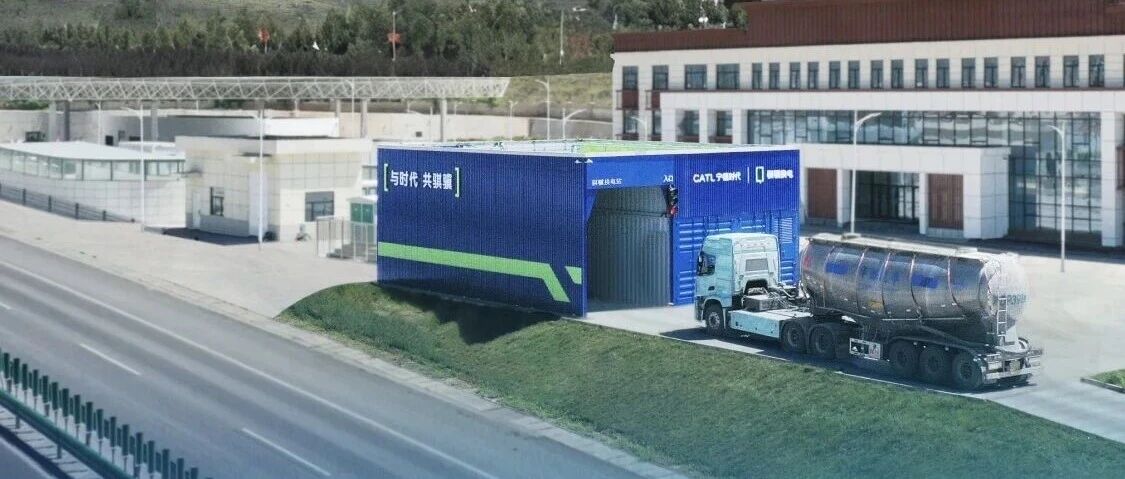
宁德时代骐骥换电一年建成305站!重卡换电,“小众赛道”还是“大势所趋” | 头条
第一商用车网· 2026-01-09 07:04
Core Viewpoint - The rapid development of battery swapping stations for heavy-duty electric trucks, exemplified by CATL's Qiji Battery Swapping, indicates a significant shift towards electric logistics, challenging the notion that it is a niche market [1][2][25] Policy Support - National policies are increasingly focused on promoting green and low-carbon transportation, with a clear consensus from central to local governments [4][5] - The "dual carbon" goals serve as a long-term strategic guide, emphasizing the need for clean energy alternatives in transportation [5][7] - Local initiatives, such as subsidies for replacing diesel trucks with electric ones, are providing direct incentives for the adoption of electric heavy-duty trucks [7][8] Ecosystem Transformation - The construction of battery swapping stations is evolving from isolated efforts by individual companies to a collaborative ecosystem involving government guidance and multi-party cooperation [9][10] - Qiji Battery Swapping's partnerships with major truck manufacturers and logistics companies demonstrate a shift towards a robust collaborative network [10][12] Standardization and Technical Development - The establishment of industry standards is crucial for the scalability of battery swapping, with Qiji Battery Swapping making significant strides in this area [13][15] - Strategic collaborations with research institutions aim to develop technical standards and facilitate the nationwide deployment of battery swapping infrastructure [13][17] Economic Viability - The "vehicle-battery separation" model significantly lowers the initial investment for users, making electric heavy-duty trucks more economically attractive compared to traditional fuel trucks [16][20] - The extensive network layout enables long-distance operations, countering previous perceptions that battery swapping was limited to short routes [18][20] Future Vision - Qiji Battery Swapping aims to expand its network to cover 18,000 kilometers by 2030, enhancing the efficiency and cost-effectiveness of logistics operations across China [24][25] - The integration of a nationwide battery swapping network with the logistics system is expected to drive down costs and promote a green transition in the transportation sector [25]


宁德时代,企图用换电解决一个“重量级”难题
远川研究所· 2025-05-21 12:25
Core Viewpoint - The article discusses the value of battery swapping models in the electric vehicle industry, highlighting both explicit and implicit benefits, and emphasizes the importance of standardization for widespread adoption, particularly in the heavy-duty truck sector [1][4][9]. Group 1: Explicit and Implicit Value of Battery Swapping - The explicit value of battery swapping includes faster battery replacement (5 minutes), reduced purchase barriers, and alleviation of concerns regarding battery lifespan [1][4]. - Implicit benefits include lower land usage, higher power capacity utilization, reduced impact on the power grid, and enhanced social externalities [1][4]. - The battery swapping model has been recognized in government reports and has attracted investments from companies seeking optimal solutions, such as CATL [1][4]. Group 2: Heavy-Duty Truck Market Dynamics - Battery swapping is essential for heavy-duty trucks due to their operational characteristics, allowing for a 30%-50% reduction in initial purchase costs compared to traditional fuel trucks [4][5]. - The efficiency of battery swapping allows heavy-duty trucks to achieve full charge in 5 minutes, comparable to LNG refueling, while traditional charging methods take significantly longer [4][5]. - The unified management of batteries in a swapping model can extend battery life and reduce maintenance costs, enhancing the overall lifecycle value of the batteries [5][6]. Group 3: Standardization and Network Effects - The article emphasizes that battery standardization is crucial for expanding battery swapping from closed to open scenarios, enabling interoperability across different brands and regions [9][12]. - The current market for battery swapping in heavy-duty trucks is limited, with only about 15% of trucks utilizing this model in long-haul logistics, primarily due to fragmented standards [12][31]. - Achieving a unified battery standard is essential for creating a nationwide efficient energy network, which would facilitate the widespread adoption of battery swapping [12][32]. Group 4: CATL's Role and Future Prospects - CATL has been proactive in developing solutions for the heavy-duty truck market, launching standardized battery packs and comprehensive battery swapping solutions [17][19]. - The company aims to establish a network of 300 battery swapping stations in key regions by 2025, with a long-term goal of creating a national battery swapping network covering major logistics routes [26][31]. - The successful implementation of battery swapping could lead to significant cost savings for operators and contribute to the broader goal of carbon neutrality in the transportation sector [20][32].