
非遗手工

Search documents
“苏品苏货”集合店落地南京机场 打造江苏智造空中窗口
Zhong Guo Min Hang Wang· 2026-02-14 04:46
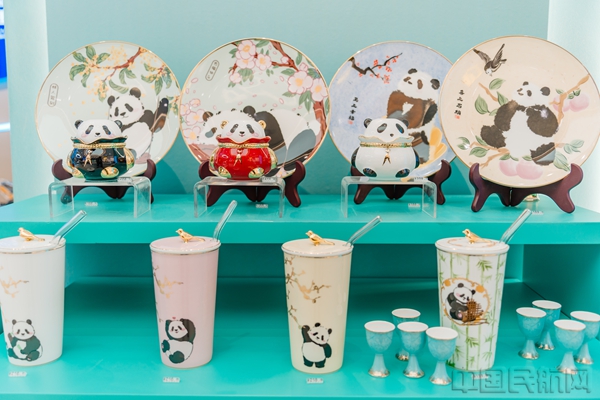
Core Viewpoint - The opening of the first "Su Pin Su Huo" collective store at Nanjing Lukou International Airport marks a significant step in showcasing Jiangsu's technological innovation and cultural heritage to global travelers [1][3]. Group 1: Store Overview - The store features a variety of products including smart cleaning devices, service robots, AI interactive devices, and traditional handicrafts such as High Chun ceramics and Nanjing Yunjin [1][3]. - It aims to provide a one-stop experience for travelers to appreciate Jiangsu's technological and cultural charm while waiting for flights [1]. Group 2: Strategic Focus - The project focuses on three main areas: local smart technology, intangible cultural heritage handicrafts, and specialty foods, positioning itself as a "technology reception hall" and "cultural display window" for Jiangsu [3][6]. - The store employs an innovative model combining "first store economy, hub traffic, technology display, and cultural dissemination" to transform the transportation hub into a platform for showcasing Jiangsu's achievements [5][6]. Group 3: Future Plans - The store is part of a broader initiative to deepen the "Su Xin Consumption" action and promote the creation of an international consumption city in Jiangsu [7]. - Future plans include continuously introducing new Jiangsu tech products, premier products, and local specialties to create an ongoing exhibition of Jiangsu's innovation and culture [7].

江河奔腾,脉动涓流里的中国
第一财经· 2025-11-27 00:38
Core Viewpoint - The article emphasizes the role of financial services in supporting rural revitalization and agricultural development, particularly through the Agricultural Bank of China, which provides tailored financial products to meet the needs of farmers and rural enterprises [1][16]. Group 1: Agricultural Development - Guangxi has maintained its position as the leading region in sugarcane planting and sugar production in China, contributing nearly 60% of the national total for 21 consecutive seasons [3]. - The Agricultural Bank of China has issued over 160 billion yuan in loans to the sugar industry in Guangxi over the past three seasons, with 136 billion yuan allocated to sugar enterprises and 25 billion yuan to sugarcane farmers [8]. Group 2: Financial Innovation - The introduction of "Huinong e-loan" and "Order Loan" has addressed the financing challenges faced by sugarcane farmers, allowing for quick online applications and immediate funding [7][8]. - The "Miao Silver e-loan" product has been specifically designed to support the traditional silver crafting industry, providing 1 million yuan in unsecured loans with rapid approval processes [13]. Group 3: Cultural Heritage and Economic Growth - The Miao silver industry has seen significant growth, with sales reaching 300 million yuan and annual production exceeding 30 tons, supported by financial products that facilitate raw material procurement [12][13]. - The financial support from the Agricultural Bank has enabled artisans to innovate and integrate traditional craftsmanship with modern aesthetics, contributing to the preservation of cultural heritage [13][15]. Group 4: Strategic Goals and Future Outlook - The Agricultural Bank aims to enhance its service to the agricultural sector, with a loan balance of nearly 11 trillion yuan by the end of Q3 2025, reflecting a commitment to rural development [17][19]. - The bank's focus on rural revitalization aligns with national policies aimed at modernizing agriculture and improving the livelihoods of farmers, ensuring that financial services effectively support rural industries [19].

第三届全国技能大赛技能展示交流活动举行 “粤字号”智能制造和非遗技艺惊艳亮相
Nan Fang Ri Bao Wang Luo Ban· 2025-09-22 07:56
Core Insights - The third National Skills Competition officially opened in Zhengzhou, Henan, showcasing a vibrant display of skills and innovations, particularly in the Guangdong pavilion, which highlighted the theme "Skills Lead the Future" [1] - The event featured skill demonstration activities across various provinces and industries, presenting achievements in vocational training, traditional craftsmanship, and high-tech innovations [1] Group 1: Event Highlights - The Guangdong pavilion showcased advanced technologies such as AI digital humans and legged robots, emphasizing the province's achievements in transforming skills into industrial upgrades [1] - Traditional craftsmanship was also on display, with examples like non-heritage dough figurines and handmade beef balls, illustrating the blend of modern skills and traditional techniques [1] - A champion barista demonstrated latte art, attracting significant attention from the audience, highlighting the practical application of skills in the coffee industry [1] Group 2: Technological Innovations - A self-developed legged robot was introduced, combining features of traditional wheeled and upright robots, designed for autonomous decision-making in complex terrains, with potential applications in firefighting and inspections [2] - Guangdong has made strides in converting World Skills Competition results into practical applications, establishing three high-skilled talent training platforms to integrate competition standards into educational frameworks [2] - A standout project from Guangdong was a fruit-picking robot, recognized for its high-level autonomous perception and decision-making capabilities, capable of performing complex tasks in dynamic environments [2]