《军团要塞2》

Search documents
V社射击突然翻红,到底能不能行?
3 6 Ke· 2026-02-02 12:11
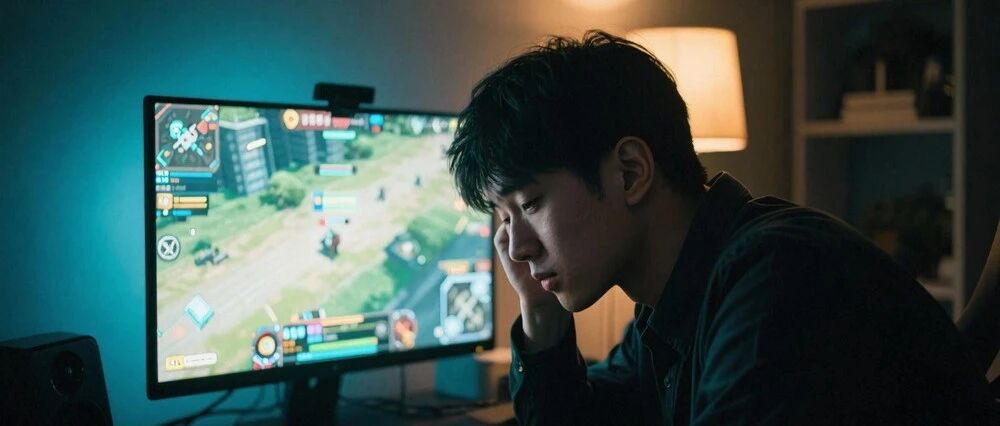
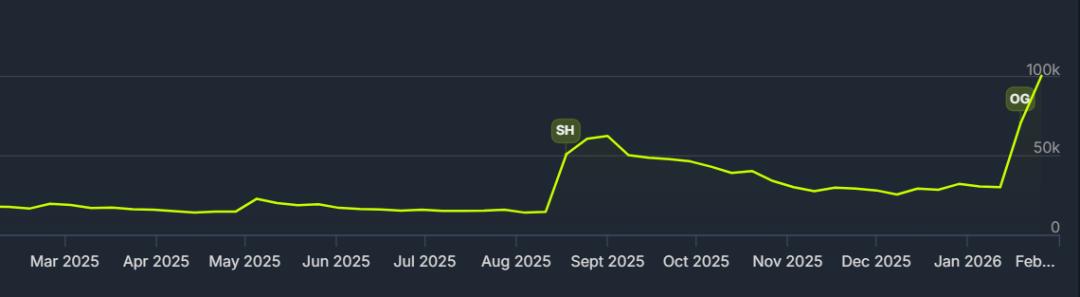
Core Insights - Valve's new game "Deadlock" has achieved a peak concurrent player count of 100,558 on Steam following the "Old Gods, New Blood" major update, marking its best performance since testing began [1][3] - The game had maintained an average daily online player count of around 30,000 prior to the update, indicating a significant increase in interest and engagement [1][3] Player Engagement - The update has been well-received by core players, with some expressing that it reflects Valve's high standards, while others question the sudden surge in player numbers for a game in testing for nearly two years [1][3] - The "Old Gods, New Blood" update has been credited with addressing player pain points and aligning with trends in the MOBA shooter genre, leading to a doubling of player engagement [4][5] Gameplay Innovations - The introduction of the "Street Brawl" fast-paced mode has been highlighted as a key factor in attracting players, featuring a 4v4 format and a BO5 short match structure that focuses on pure shooting and skill interactions [5][6] - The mode includes a random item system that levels the playing field for all players, reducing the entry barrier for newcomers and enhancing the game's enjoyment [6][8] Game Mechanics - "Deadlock" combines MOBA and shooting mechanics, allowing for a lightweight shooting experience that is accessible to both MOBA and shooter players [10][13] - The game features a unique economy system where players collect "soul orbs" from defeated minions, which simplifies the traditional last-hitting mechanic while maintaining economic ties to shooting [13][15] Community Involvement - The order of new hero releases is determined by player votes using in-game tokens, fostering a strong sense of community involvement and increasing player retention [12] - The game has undergone extensive optimizations, including UI improvements and bug fixes, which have contributed to a smoother gameplay experience [9][21] Long-term Viability - Despite the initial surge in player numbers, there are concerns about whether this interest can be sustained over the long term, particularly regarding the balance of new heroes and the ongoing innovation of core gameplay modes [19][21] - The game faces challenges in retaining new players due to high learning costs and a lack of intuitive gameplay experiences, which could hinder its long-term success in a competitive market [22][21]

百亿市场一夜崩盘,00后的“电子黄金”不香了
Sou Hu Cai Jing· 2025-11-12 15:18
Core Viewpoint - The article discusses the significant drop in the virtual skin trading market for the game CS2, which lost approximately $2 billion (around 142 billion RMB) in a single day due to a new policy by the game's developer, Valve Corporation (V社) [5][28]. Group 1: Market Impact - On October 24, the CS2 skin trading market experienced a dramatic decline, with assets evaporating in just a few hours [5][7]. - Valve's new policy allowed lower-tier skins to be combined into higher-tier skins, drastically reducing the value of previously rare items [10][12]. - The price of popular items, such as the butterfly knife, saw a significant drop, with some players reporting losses of up to 600,000 RMB [14][16]. Group 2: Player Reactions - Many players expressed their frustration on social media, blaming Valve's CEO for the sudden market crash [18][21]. - Professional players and skin traders faced substantial financial losses, while some players viewed the policy change as beneficial for regular gamers [24][28]. Group 3: Economic System Design - Valve's economic system for CS skins has evolved over the years, starting from the introduction of cosmetic items in Team Fortress 2 to a complex trading platform in CS:GO [30][35]. - The market for CS skins became a significant financial derivative platform, with a peak market value exceeding $6 billion (approximately 43 billion RMB) [38]. - The lack of regulation and the speculative nature of the market have led to repeated cycles of boom and bust, similar to traditional financial markets [50][51].

00后的“电子黄金”,一夜蒸发140亿
Sou Hu Cai Jing· 2025-11-07 05:19
Core Viewpoint - The recent collapse of the CS2 virtual skin trading market has resulted in a loss of approximately $2 billion in a single day, affecting many players who treated these skins as investments [3][4][5]. Group 1: Market Dynamics - Valve Corporation (V社), the developer of CS2, announced a game update allowing lower-tier skins to be combined into high-tier skins, drastically reducing the value of previously rare items [5][7][9]. - The price of top-tier skins, such as knives and gloves, has plummeted, with some players reporting losses of up to 600,000 yuan [9][11]. - The skin trading market, which once had a peak valuation of over $6 billion, has seen a significant shift in user demographics from gamers to speculators [25][35]. Group 2: Economic System Design - Valve's economic system for CS skins has been described as more complex than that of many small countries, with a focus on creating a vibrant trading environment [16][22]. - The introduction of a trading platform by Valve allowed for a thriving secondary market, leading to inflation and deflation within the skin economy [16][26]. - The lack of regulation in the skin market has led to repeated cycles of speculation and crashes, similar to historical financial bubbles [27][35]. Group 3: Community Reactions - Many players express frustration towards Valve's new policies, viewing them as detrimental to the skin trading community while others see it as a positive change for regular players [11][15]. - The community has witnessed significant emotional responses, with some players losing substantial amounts of money and others feeling vindicated by the collapse of speculators [11][15][30]. - The recent events have sparked discussions about the sustainability and ethics of virtual item trading as a form of investment [27][35].
00后的「电子黄金」,一夜蒸发140亿
首席商业评论· 2025-11-05 05:08
Core Viewpoint - The article discusses the recent collapse of the virtual skin trading market for the game CS2, which resulted in a loss of approximately $2 billion (around 142 billion RMB) in a single day, affecting many players who treated these skins as investments [9][11][52]. Group 1: Market Collapse - The virtual skin trading market for CS2 experienced a dramatic decline, with a reported loss of $2 billion in just one day [9]. - The decline was triggered by Valve's announcement allowing players to synthesize high-value skins from lower-tier skins, drastically reducing the rarity and value of existing high-end skins [15][18]. - Many players, particularly those who had invested heavily in skins, faced significant financial losses, with some reporting losses of up to 600,000 RMB [23][26]. Group 2: Valve's Strategy - Valve's introduction of a skin synthesis feature is seen as a strategic move to revitalize the official market and increase player engagement by making high-value skins more accessible [56]. - The company has historically designed a complex economic system around its games, which has led to the emergence of a substantial external trading market [39][47]. - Valve's economic model has been criticized for lacking regulation, leading to speculative trading and market volatility, similar to financial markets [68][69]. Group 3: Historical Context - The article traces the origins of the virtual skin market back to Valve's 2007 game "Team Fortress 2," which introduced a trading system that allowed players to buy and sell cosmetic items [40][42]. - The success of this model was further developed in "CS:GO," where skins became a significant part of the game's economy, leading to a market that at one point exceeded $6 billion [52]. - The rise of speculative trading in CS skins began around 2020-2021, with many players treating them as investment assets, akin to cryptocurrencies [48].
00后的“电子黄金”,一夜蒸发140亿
虎嗅APP· 2025-11-03 14:42
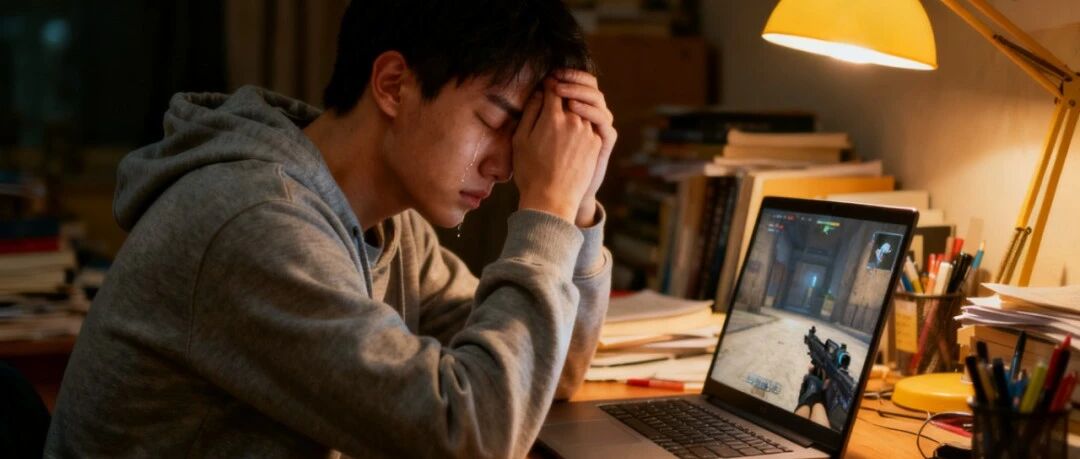
Core Viewpoint - The article discusses the recent collapse of the virtual skin trading market for the game CS2, which resulted in significant financial losses for many players, likening it to a stock market crash [8][11][63]. Group 1: Market Collapse - On October 24, the CS2 skin trading market lost $2 billion (approximately 14.2 billion RMB) in just a few hours [8]. - The introduction of a new game update allowed players to synthesize high-value skins from lower-tier ones, drastically reducing the value of previously rare items [14][19]. - Many players, including skin traders and professional players, faced severe financial losses, with some losing up to 600,000 RMB [25][30]. Group 2: Market Dynamics - The skin trading market for CS2 evolved from a gaming feature to a significant financial market, with a peak valuation exceeding $6 billion (approximately 43 billion RMB) [63]. - The market's growth was fueled by speculative trading, with players treating skins as investment assets, similar to cryptocurrencies and NFTs [59][60]. - The lack of regulation and the volatility of the market led to significant risks for investors, as evidenced by the recent crash [85]. Group 3: Company Strategy - Valve Corporation (V社), the developer of CS2, has strategically designed the skin economy to maximize its profits, including implementing a 15% transaction fee on official trades [68]. - The company has shifted its focus from being a game developer to operating more like a financial institution, capitalizing on human psychology and market dynamics [86][87]. - The introduction of new policies is seen as a way to reinvigorate the market for regular players while sidelining speculators who do not engage with the game [69].