《安徒生童话》

Search documents
书香心语|读书贵在持之以恒
Xin Lang Cai Jing· 2026-02-07 22:52
Group 1 - The article reflects on the importance of reading and personal growth through literature, emphasizing that a fulfilling life is achieved by nurturing the mind and spirit through books [1][2][3] - The author highlights a diverse reading journey, starting from children's books to classic literature, showcasing how different genres have influenced personal development and understanding of life [2][3] - The commitment to reading is illustrated by a structured reading plan, with the author aiming to read one book per week and write reflections, demonstrating a disciplined approach to lifelong learning [3] Group 2 - The article contrasts traditional reading methods with modern information consumption, noting that while digital resources have made knowledge more accessible, printed books remain a reliable source for in-depth understanding [3] - The author expresses a desire to continue fostering a love for reading, indicating that the act of reading should become a habitual practice rather than a chore [3]
在书中体会辽阔人生
Xin Lang Cai Jing· 2026-01-02 22:39
Core Viewpoint - The narrative emphasizes the profound impact of reading and literature on personal growth and resilience throughout different life stages, illustrating how books serve as a source of inspiration and comfort in challenging times [1][2][3] Group 1: Childhood and Early Influences - The protagonist's childhood home, a simple earthen house, is depicted as a nurturing environment where reading flourished despite material poverty [1] - The use of a large cabinet as a makeshift desk symbolizes the resourcefulness and determination to pursue education amidst limited resources [1] - Nature and the changing seasons are intertwined with the reading experience, enhancing the connection between literature and the world outside [1] Group 2: Adult Life and Reflection - After finishing school, the protagonist returns to farming, highlighting the struggle to balance work and the desire for education [2] - Rediscovering an old book, "Hans Christian Andersen's Fairy Tales," evokes memories of childhood and provides emotional relief from life's burdens [2] - The act of reading under a kerosene lamp at night signifies the enduring love for literature and its role in fostering courage to face life's challenges [2] Group 3: Lifelong Learning and Wisdom - As the protagonist ages, the reflections on reading history and contemporary literature reveal the lessons learned about life, history, and human nature [3] - The impact of classic works, such as "Records of the Grand Historian" and "The Comprehensive Mirror for Aid in Government," illustrates the importance of understanding history to navigate the present [3] - The protagonist finds solace and clarity in literature, suggesting that a well-stocked personal library can enrich life and provide a sense of purpose [3]
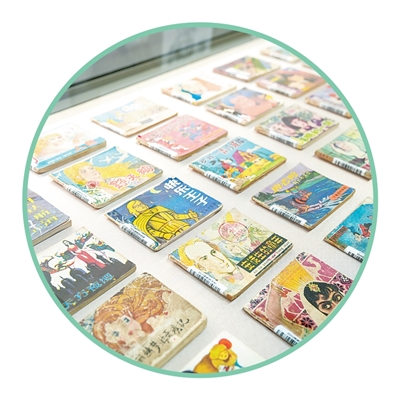
在小人书中读大世界
Ren Min Ri Bao· 2025-06-05 22:02
Core Viewpoint - The exhibition "Palm Qian Kun - The Era Memory in Reading" at the National Version Library's Hangzhou branch showcases the cultural significance of Chinese comic books, also known as "lianhuanhua," which have been a cherished part of childhood for generations, bridging cultural connections between China and the world [2][3]. Group 1: Historical Significance - Lianhuanhua became widely popular in China after the founding of the People's Republic, with notable works like Liu Jiu'er's colored comic "Wu Song Fights the Tiger" winning international awards, marking a significant achievement for Chinese comic artists [3]. - The first foreign award for a Chinese comic artist was won by Liu Jiu'er, who skillfully captured dynamic character movements and emotions in his works [3]. Group 2: Cultural Exchange - The exhibition highlights the international recognition of Chinese lianhuanhua, with artists like He Youzhi showcasing their work in France, which led to a surge of interest in Chinese comics among Western audiences [3][4]. - The reissue of "World Literary Classics Lianhuanhua" by Zhejiang People's Fine Arts Publishing House in 2013 reflects the enduring appeal of these works, featuring adaptations of classics by authors like Shakespeare and Hugo [4][5]. Group 3: Modern Developments - Recent years have seen a revival of lianhuanhua through digital reproduction and international translation, allowing these works to participate in global cultural dialogues [6]. - The release of French versions of Chinese classics, such as "Dream of the Red Chamber," has further solidified the international presence of Chinese lianhuanhua, with positive reviews from notable French publications [5][6].