《师父》

Search documents
中国叙事艺术如何实现当代创新?戴锦华、李修文、徐浩峰上演激情思想交锋
Xin Lang Cai Jing· 2025-12-27 15:39
Core Insights - The discussion at the Beijing Film Academy highlighted the intersection of literature and film, focusing on contemporary Chinese narrative and its spiritual essence [1][10] Group 1: Xu Haofeng's Perspective - Xu Haofeng emphasizes that his films are serious "industry dramas" rather than traditional martial arts narratives, aiming to dissect the internal rules and ethical dilemmas of a real social organization [3] - He employs a narrative strategy of "lonely back figures" to provoke deeper contemplation on the costs and dignity associated with "Dao," akin to the tragic elements in European classical tragedies [3] - Xu introduces the concept of "false causality," suggesting that true realism reveals characters acting on their misunderstandings while the world operates on a different logic, creating dramatic tension [3] Group 2: Li Xiuwen's Influence - Li Xiuwen's writing is deeply influenced by classical Chinese literature, particularly Yuan drama, focusing on small characters navigating fate through passive endurance rather than active heroism [5] - He articulates that in a context where loss is normalized, Chinese-style emotional connections serve as a balm for the soul, reflecting a unique understanding of fate [5] - His works often depict individuals on the brink of collapse, revealing profound emotions and dignity amidst chaos [5] Group 3: Dai Jinhua's Insights - Dai Jinhua critiques the binary notion of "ancient path" and "hot-bloodedness," advocating for a more integrated understanding of these concepts in contemporary society [7] - She warns that AI poses a significant threat to formulaic writing, which can be easily replaced, while emphasizing that the core value of art lies in unique life experiences and critical thinking [7] - Dai expresses concern about the future of cinema, suggesting that the real threat is not short videos but the tribalization and segmentation of culture, urging filmmakers to reassess their public role [8] Group 4: Common Consensus - Despite differing styles, the speakers agree that authentic creation must be rooted in sincere life experiences, cultural awareness, and a keen diagnosis of the times [10] - The contemporary innovation of Chinese narrative should be based on a profound understanding and creative transformation of tradition [10]


每一步都Roll出大成功的《33号远征队》,真的只是靠运气吗?
3 6 Ke· 2025-12-23 10:23
Core Insights - "The Game Awards" recognized "Expedition 33" as a major success, winning multiple industry awards and gaining acclaim from both media and players, despite controversy over its classification as an indie game [1][21] - The success of "Expedition 33" is attributed to a series of fortunate coincidences and unconventional resource acquisition methods, leading to a narrative of luck in its development [1][2] Team Composition - The initial team of Sandfall was formed through personal connections of producer Guillaume Broche, who recruited colleagues and friends from Ubisoft, along with talent found online [1][4] - Approximately 80% of Sandfall's 30 employees were either recent graduates or newcomers to the gaming industry, showcasing a unique blend of fresh perspectives [2][21] - The recruitment process emphasized finding individuals who shared similar interests and aesthetic sensibilities, rather than focusing solely on industry experience [10][12] Development Process - The development of "Expedition 33" was marked by a series of fortunate events, including the timing of the pandemic, which allowed team members to seek new opportunities and collaborate on the project [12][13] - The use of Unreal Engine 5 provided significant advantages, enabling a small team to create a visually impressive game that would have been difficult to achieve five years prior [13][17] Publishing and Marketing - The partnership with Kepler Interactive, a unique publisher focused on supporting indie projects, played a crucial role in elevating the game's visibility and quality without interfering in the creative process [14][17] - Kepler Interactive provided funding for development and marketing, including high-profile voice actors and promotional collaborations, significantly enhancing the game's reach [17][18] Industry Impact - The unconventional approach of Sandfall and the success of "Expedition 33" challenge traditional industry norms, suggesting a potential shift towards smaller, more agile development teams that can produce innovative content without extensive resources [21][24] - The game has sparked discussions about the future of game development, particularly in how smaller teams can leverage external resources and talent to create compelling experiences [23][24]

网易(09999)投出TGA最大赢家!《光与影:33号远征队》狂揽9项大奖,法国总统发文祝贺
智通财经网· 2025-12-15 11:28
Core Insights - The game "Light and Shadow: Expedition 33" won nine awards at TGA 2025, including Game of the Year, Best Narrative, and Best Art Direction, marking it as the most awarded game in a single TGA event's history [1][2] - The success of "Expedition 33" is attributed to its innovative content and strong support from its publishing team, focusing 90% of resources on core experiences such as combat feedback, camera language, and musical narrative [1] - The game received recognition from French President Macron, highlighting its significance as a symbol of French creativity [2] Company Overview - Kepler Interactive, the publisher of "Expedition 33," employs a "developer co-governance" model, allowing studio founders to retain creative autonomy while jointly making decisions [2] - Kepler Interactive has previously published successful low-budget titles, including "Sifu," which also received multiple nominations at TGA 2022 [2] Industry Impact - "Expedition 33" achieved a historic breakthrough at TGA 2025, generating global attention and setting a record with 12 nominations, the highest in TGA history [2]

从外国厂商制作的中国游戏中,我们能学到什么?
3 6 Ke· 2025-05-22 23:51
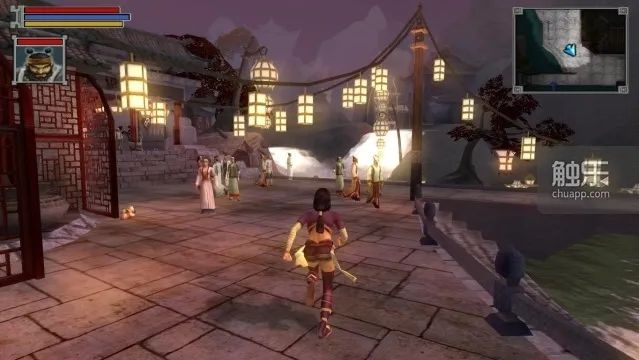
Core Insights - The article discusses the cultural exchange and integration in the gaming industry, highlighting successful examples of games that utilize Chinese cultural elements created by foreign companies, such as "Kung Fu Panda" and "Sifu" [1][4][10] - It emphasizes the importance of not only using cultural symbols but also ensuring the quality of the work to avoid cultural appropriation issues [14][21] - The article suggests that successful cultural representation in games requires a balance between cultural authenticity and universal themes that resonate with a global audience [9][13][18] Group 1: Cultural Representation in Gaming - The gaming industry is experiencing a rise in domestic games that showcase Chinese culture, with varying opinions on how to effectively convey cultural messages [1][3] - Successful examples of foreign games using Chinese themes include "Jade Empire" and "Sifu," which have effectively integrated cultural elements while appealing to a broad audience [2][10] - The article analyzes the success of "Kung Fu Panda," breaking it down into three layers: cultural symbols, media performance, and cultural core transmission [4][5][9] Group 2: Quality and Authenticity - The quality of the game is paramount; a well-made game can transcend cultural differences and be appreciated by both domestic and international audiences [14][21] - "Sifu" is highlighted as a case where the developers took great care to authentically represent Chinese martial arts, which contributed to its success [10][12] - The article argues that merely using cultural symbols is insufficient; a deeper understanding and respect for the culture are necessary to create meaningful and engaging content [14][20] Group 3: Universal Themes and Emotional Resonance - The article points out that successful cultural products often convey universal themes, such as friendship and personal growth, which resonate across different cultures [9][13] - The narrative of "Sifu" revolves around themes of revenge and loss, which, while rooted in Chinese culture, also possess universal appeal [13][18] - The exploration of common human experiences can facilitate cross-cultural understanding and appreciation, making cultural narratives more accessible to a global audience [17][21]