《弓箭传说》

Search documents
年终总结②:200亿出海市场,谁在闷声赚大钱
3 6 Ke· 2025-12-25 12:11
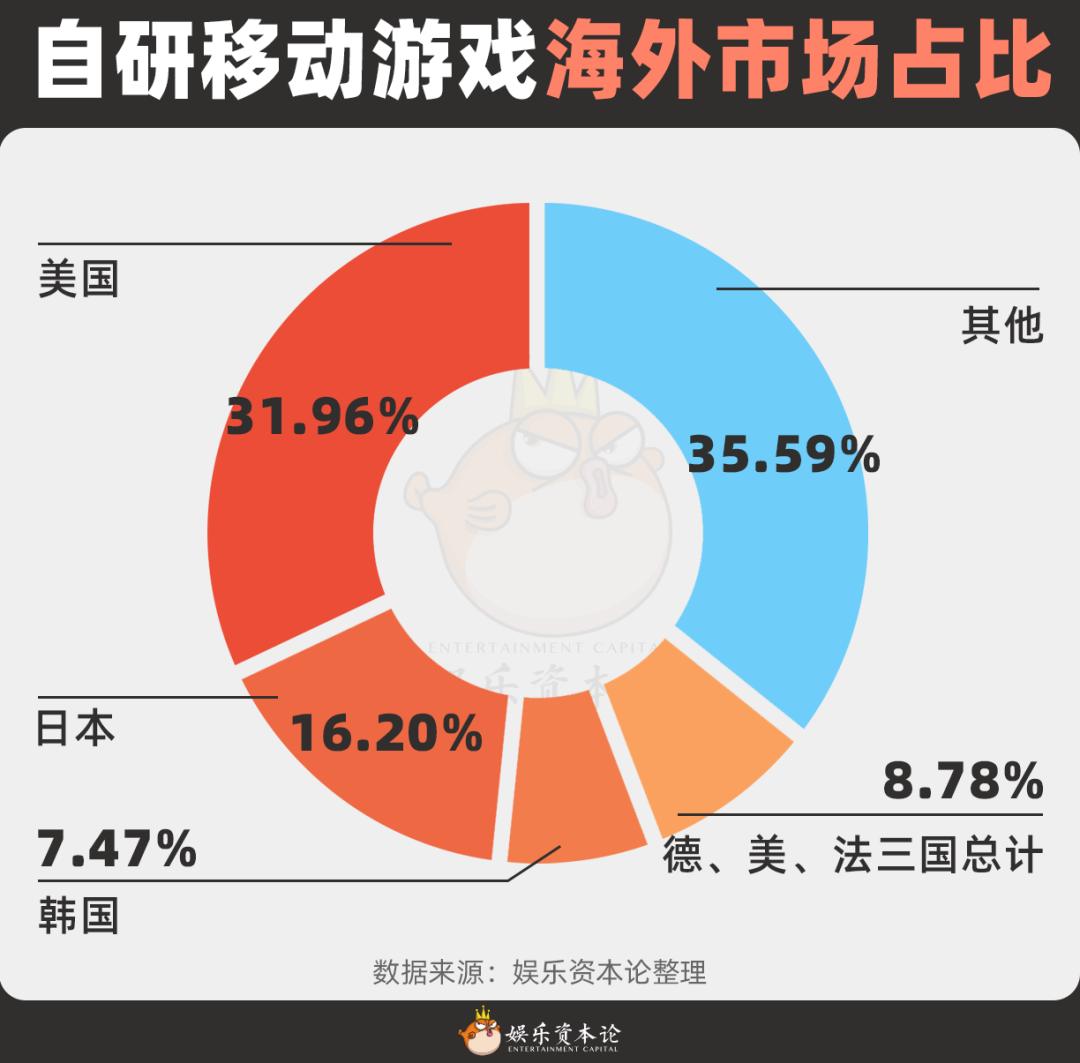
Core Insights - The overseas market remains a key focus for the Chinese gaming industry, with actual sales revenue from self-developed games reaching $9.501 billion in the first half of 2025, marking an 11.07% year-on-year growth [1] - Major companies like Tencent and NetEase have reported significant revenue growth from international markets, with Tencent's international market revenue increasing by 43% and NetEase's deferred revenue growing by 25.3% to 19.47 billion yuan [3] - The trend indicates that by 2025, the overseas revenue from Chinese self-developed games is expected to exceed $20 billion, highlighting the increasing demand for Chinese games abroad [3] Group 1 - Tencent is recognized as a leading player in the overseas market, but Century Huatong has been named the "first factory" for overseas expansion in 2025 [4] - The "Top 50 Global Mobile Game Publishers" list includes nine Chinese companies, showcasing the competitive landscape and the presence of Chinese firms in the global market [5] - Century Huatong's success is attributed to several hit mobile games, particularly in the SLG genre, which remains popular in emerging markets [8] Group 2 - Companies like Haipi Games and Lemon Microfun are capitalizing on casual gaming trends, targeting light players, particularly women, with games that are easy to pick up and play [10][12] - The second dimension of gaming, particularly in the overseas market, is still developing, with companies like MiHoYo maintaining a loyal player base despite not being as dominant as in previous years [16] - The success of games like "Yanyun Sixteen Sounds" on platforms like Steam indicates a growing interest in Chinese martial arts games, suggesting a potential new direction for Chinese games in international markets [30][32] Group 3 - The overseas gaming market is evolving, with trends showing a shift towards quality, culture, and gameplay, moving away from a more crude approach [37] - The combination of martial arts themes, immersive experiences in second-dimensional games, and detailed narratives in female-oriented games are shaping the new landscape of Chinese games abroad [37] - Future challenges for companies will include balancing global adaptation with local expression while leveraging cultural advantages for sustained commercial competitiveness [37]




Habby与111%合资,中韩抱团能不能打开小游戏新局面
3 6 Ke· 2025-10-20 09:08
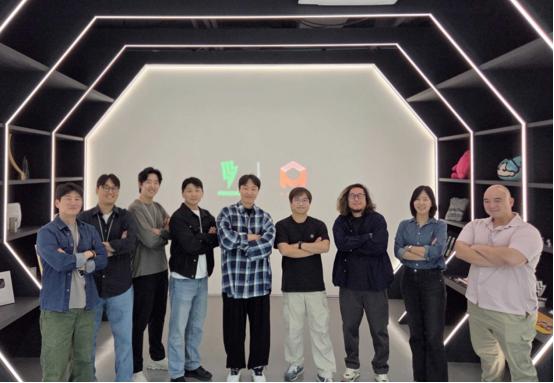
Core Viewpoint - The collaboration between South Korean game developer 111% and domestic game company Habby aims to establish a joint venture in Singapore, focusing on creative game development and global distribution, addressing the need for strategic adjustments in a changing market [1][3][19] Group 1: Joint Venture Objectives - The joint venture will leverage the strengths of both companies in creative game development and global distribution, with 111% handling distribution in South Korea and the joint venture managing other markets [3][19] - Both companies have faced challenges recently, with 111% struggling to replicate the success of "LuckyDefense" and Habby experiencing lackluster responses to recent titles [3][19] Group 2: Market Position and Competition - Both companies are recognized for their innovative game prototypes, influencing many top games in the domestic mini-game market [4][19] - The rapid growth of the mini-game market has intensified competition, leading to the need for both companies to enhance their product development and distribution efficiency [6][14] Group 3: Development and Operational Strategies - The joint venture aims to address efficiency issues in product development and global distribution, as both companies have previously relied on rapid iteration and data-driven decision-making [7][14] - Habby emphasizes a high standard for new game launches, with a retention rate exceeding 50% as a core metric for success [10][19] Group 4: Long-term Development Focus - The shift towards long-term game development is evident, with both companies recognizing the need for deeper engagement and sustainability in their game offerings [13][14] - The collaboration is seen as a necessary adjustment to maintain competitive advantages in a rapidly evolving market landscape [19]