国游出海

Search documents
国游出海这一年:夺科隆、拿TGA,给老外一点武侠震撼
创业邦· 2025-12-26 09:06
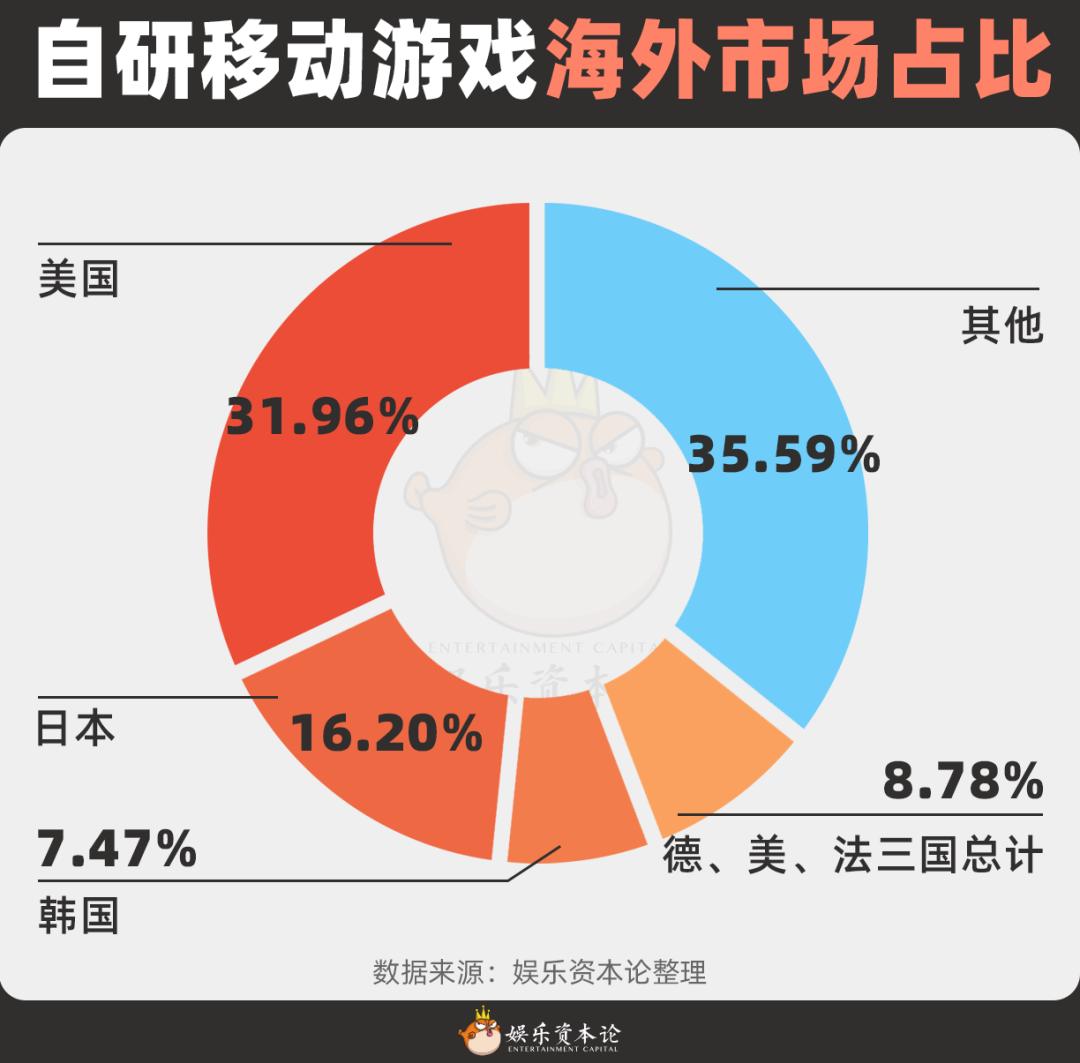
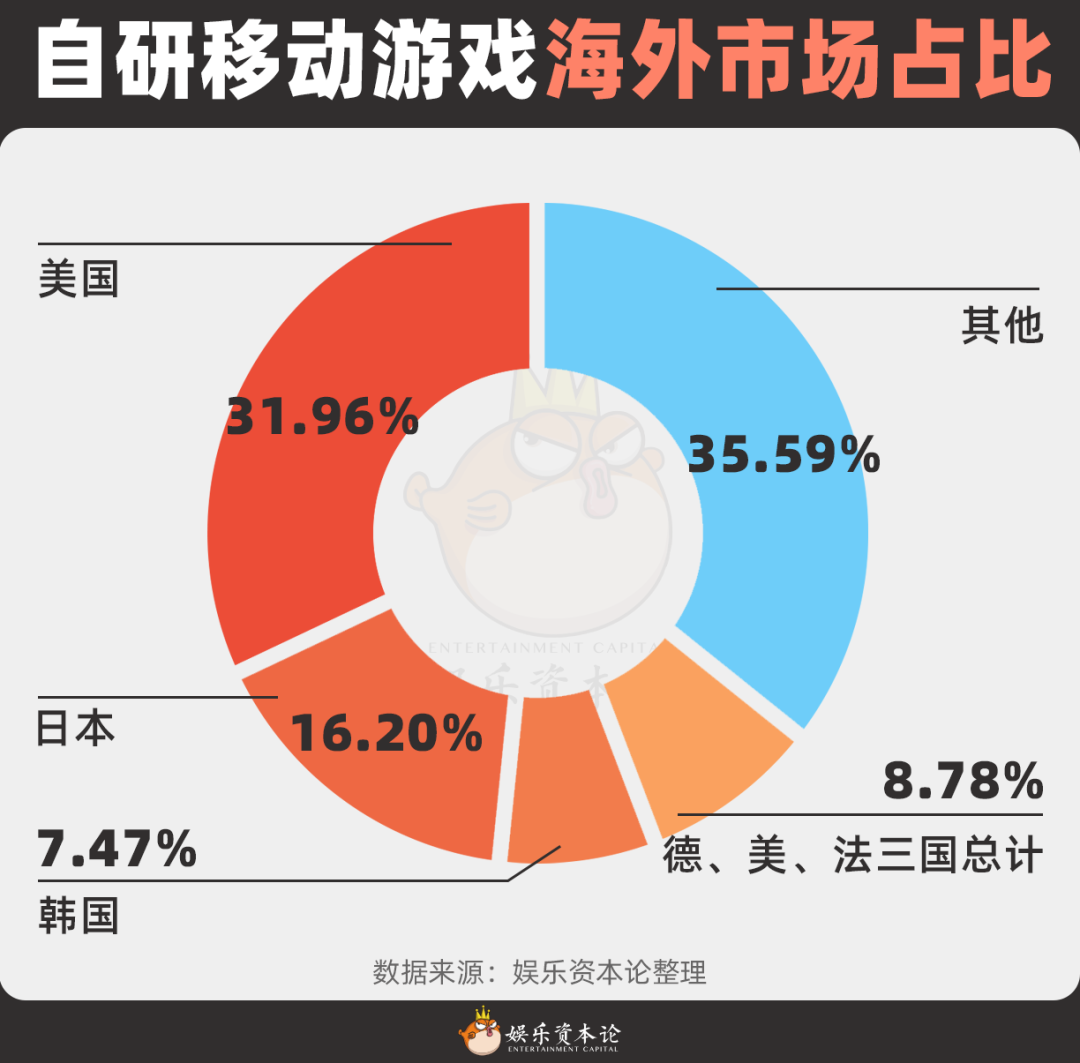
Core Viewpoint - The article emphasizes the growth of China's gaming industry in overseas markets, highlighting that the actual sales revenue of self-developed games reached $9.501 billion, a year-on-year increase of 11.07% [6]. Group 1: Market Performance - Tencent's international market revenue grew by 43%, marking the highest growth rate since the segment's performance was disclosed [9]. - NetEase's overseas deferred revenue increased by 25.3% to 19.47 billion yuan, indicating that the overseas market is becoming a second growth curve for its gaming business [9]. - By 2025, China's self-developed game overseas revenue is expected to exceed $20 billion, reflecting a significant upward trend in overseas income [9]. Group 2: Leading Companies - Century Games has been identified as the "first factory" for overseas expansion, ranking first in the global mobile game manufacturers list, with notable titles like "Endless Winter" and "Kingdom of Bouncing" contributing to its success [12][13]. - Other companies like FunPlus and Lilith Games also continue to perform well in the overseas market, particularly in the SLG genre, which is popular in emerging markets [14]. Group 3: Game Genres and Player Demographics - SLG games remain a popular category for Chinese games going abroad, appealing to a wide range of players, including those in conflict zones seeking escapism [14]. - Casual games from companies like Habby, which include titles like "Archero" and "Dungeon of the Endless," have also shown strong performance in overseas markets due to their low entry barriers and engaging gameplay [16]. - Lemon Microfun targets ultra-casual players, primarily women, with games like match-3 and simulation genres, catering to players looking for quick entertainment during daily routines [19]. Group 4: Trends in Game Development - The article notes that shooting games continue to be a traditional strong category for overseas markets, with Tencent's "Delta Force" performing exceptionally well [20]. - The second dimension (二游) games, while not mainstream, have a dedicated following in overseas markets, with players attending conventions to connect with others [22]. - The success of titles like "Ming Tide" and "Yuan Yun Sixteen Sounds" indicates a growing interest in Chinese cultural themes, particularly in the martial arts genre, which has gained traction among overseas players [41][43]. Group 5: Future Directions - The article suggests that the combination of martial arts, immersive experiences in second dimension games, and detailed narratives in female-oriented games will shape the future landscape of Chinese games going abroad [48]. - The industry is transitioning from a rough expansion phase to a more refined competition stage focused on quality, culture, and gameplay [49]. - Companies will need to balance global adaptation with local expression to maintain competitive advantages in the international market [49].




200亿出海市场,谁在闷声赚大钱?
Xin Lang Cai Jing· 2025-12-26 05:22
Core Insights - The overseas market for Chinese self-developed games is showing strong growth, with actual sales revenue reaching $9.501 billion in the first half of 2025, a year-on-year increase of 11.07% [1] - Major companies like Tencent and NetEase are experiencing significant revenue growth in international markets, with Tencent's international market revenue increasing by 43% and NetEase's deferred revenue growing by 25.3% to 19.47 billion yuan [3] - By 2025, the overseas revenue of Chinese self-developed games is expected to exceed $20 billion, indicating a robust demand for Chinese games abroad [3] Group 1: Leading Companies in Overseas Markets - Century Huatong has been identified as the leading company in overseas markets, outperforming competitors like Tencent and miHoYo [5] - The 2025 Global Mobile Game Publishers Top 50 list includes nine Chinese companies, highlighting the competitive landscape [6] - Century Huatong's success is attributed to several hit mobile games, including "Endless Winter" and "Truck Star," which are popular in emerging markets [9] Group 2: Game Genres and Player Demographics - Strategy games (SLG) remain a popular genre for Chinese games in overseas markets, appealing to players in regions like the Middle East [9] - Casual games from companies like Haipi Games and Lemon Microfun are targeting light players, particularly women, who play during downtime [11][13] - The overseas player base for SLG games is often described as a "silent group," primarily playing for social interaction rather than gameplay depth [9] Group 3: Trends in the Overseas Market - The overseas market for second-dimensional (2D) games is growing, with companies like miHoYo maintaining a loyal player base despite a decline in spending willingness [15] - The success of games like "恋与深空" (Love and Deep Space) indicates a rising trend among young female players, driven by social media engagement [20] - The emergence of martial arts-themed games, such as "燕云十六声" (Yanyun Sixteen Sounds), suggests a potential new direction for Chinese games in international markets, capitalizing on the popularity of Chinese culture [25][26] Group 4: Future Directions and Challenges - The gaming industry is transitioning from a broad approach to a more refined competition focused on quality, culture, and gameplay [33] - Companies must balance global adaptation with local expression to leverage cultural advantages into sustainable competitive advantages [33]
年终总结②:200亿出海市场,谁在闷声赚大钱
3 6 Ke· 2025-12-25 12:11
Core Insights - The overseas market remains a key focus for the Chinese gaming industry, with actual sales revenue from self-developed games reaching $9.501 billion in the first half of 2025, marking an 11.07% year-on-year growth [1] - Major companies like Tencent and NetEase have reported significant revenue growth from international markets, with Tencent's international market revenue increasing by 43% and NetEase's deferred revenue growing by 25.3% to 19.47 billion yuan [3] - The trend indicates that by 2025, the overseas revenue from Chinese self-developed games is expected to exceed $20 billion, highlighting the increasing demand for Chinese games abroad [3] Group 1 - Tencent is recognized as a leading player in the overseas market, but Century Huatong has been named the "first factory" for overseas expansion in 2025 [4] - The "Top 50 Global Mobile Game Publishers" list includes nine Chinese companies, showcasing the competitive landscape and the presence of Chinese firms in the global market [5] - Century Huatong's success is attributed to several hit mobile games, particularly in the SLG genre, which remains popular in emerging markets [8] Group 2 - Companies like Haipi Games and Lemon Microfun are capitalizing on casual gaming trends, targeting light players, particularly women, with games that are easy to pick up and play [10][12] - The second dimension of gaming, particularly in the overseas market, is still developing, with companies like MiHoYo maintaining a loyal player base despite not being as dominant as in previous years [16] - The success of games like "Yanyun Sixteen Sounds" on platforms like Steam indicates a growing interest in Chinese martial arts games, suggesting a potential new direction for Chinese games in international markets [30][32] Group 3 - The overseas gaming market is evolving, with trends showing a shift towards quality, culture, and gameplay, moving away from a more crude approach [37] - The combination of martial arts themes, immersive experiences in second-dimensional games, and detailed narratives in female-oriented games are shaping the new landscape of Chinese games abroad [37] - Future challenges for companies will include balancing global adaptation with local expression while leveraging cultural advantages for sustained commercial competitiveness [37]