《投资的护城河》

Search documents
巴菲特的护城河理论:企业长期盈利的秘密 | 螺丝钉带你读书
银行螺丝钉· 2026-01-10 13:52
Core Viewpoint - The article discusses the investment philosophy of Warren Buffett, particularly focusing on the concept of "economic moats" and how it influences value investing strategies. It contrasts different investment styles, including growth investing and value investing, and highlights the importance of understanding a company's competitive advantages for long-term investment success [3][31][42]. Group 1: Investment Styles - The article introduces two distinct investment styles represented by different investment masters: growth investing, exemplified by firms like Baidu, and value investing, represented by Buffett [5][12]. - Growth investing focuses on identifying sectors with significant future potential and making early investments, even in companies that are not yet publicly listed [13][14]. - Value investing, particularly Buffett's approach, has evolved from deep value strategies to a focus on purchasing high-quality companies at reasonable prices for long-term holding [27][30]. Group 2: Economic Moats - Economic moats are essential for identifying companies with sustainable competitive advantages, which are crucial for long-term profitability [36][42]. - Buffett's moat theory emphasizes the importance of a company's ability to maintain its competitive edge over time, which is vital for delivering substantial returns to investors [37][38]. - The article provides an example of how Buffett invested in Apple when it had established itself as a leader in the smartphone market, demonstrating the application of the moat concept in investment decisions [43]. Group 3: Historical Context - The evolution of Buffett's investment strategies is traced from his early "cigar butt" approach during World War II, where he capitalized on undervalued companies, to a more sophisticated strategy post-war that focused on a basket of undervalued stocks [16][22]. - The article notes that the investment landscape changed significantly after the war, leading to a shift in strategies among value investors, including the adoption of low P/E and low P/B strategies [23][25]. - The influence of peers like Charlie Munger and John Bogle on Buffett's investment philosophy is highlighted, showcasing how collaboration and shared insights can shape investment approaches [27][28].


人到中年一定要读的5本经典好书,培养投资理财思维,太太太醒脑了
Sou Hu Cai Jing· 2025-05-21 08:11
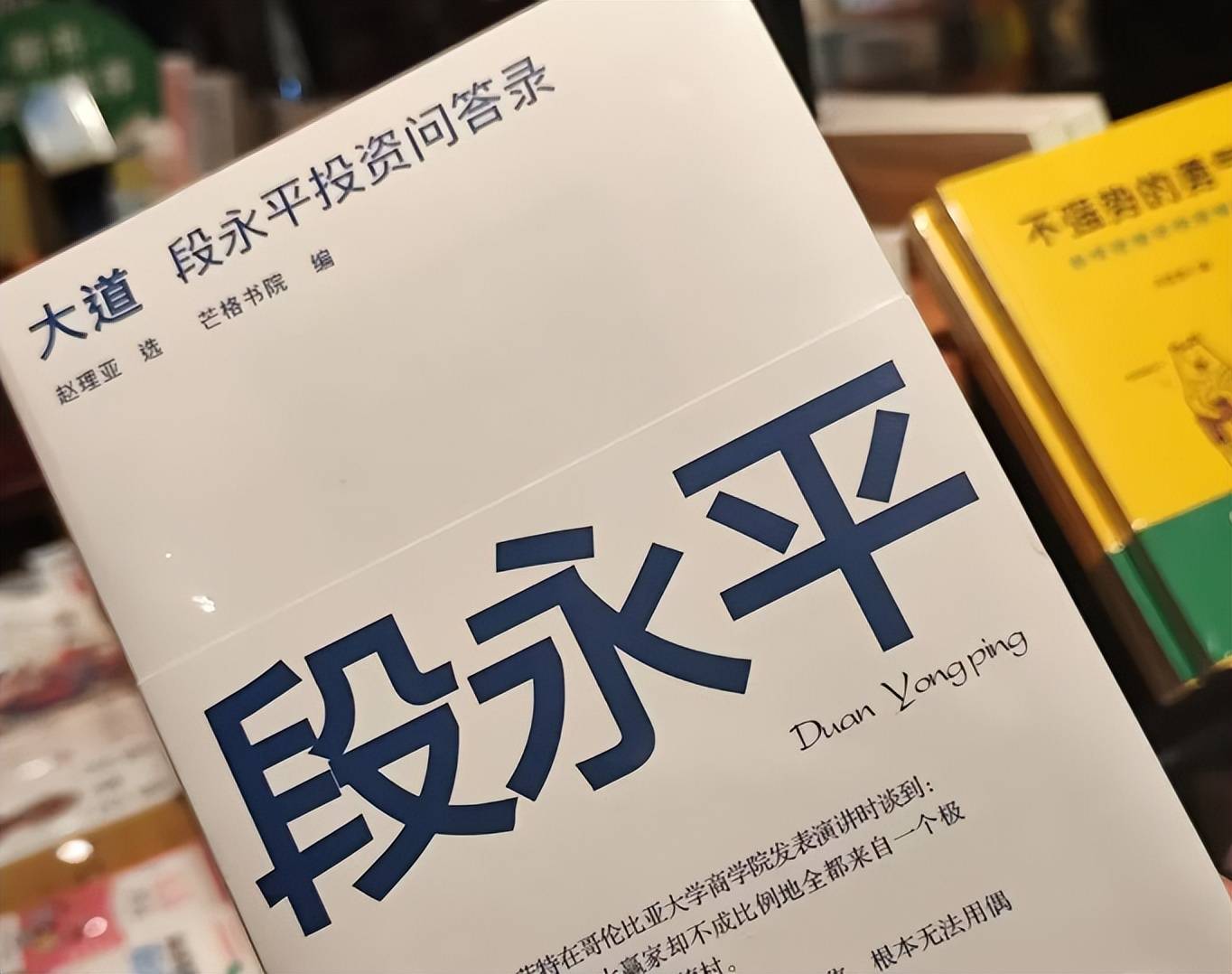
Core Insights - The articles emphasize the importance of investment as a means to achieve financial freedom and personal growth, highlighting the challenges and opportunities within the investment landscape [1][2][4]. Group 1: Investment Literature - Investment books serve as valuable guides, providing insights into market complexities and sharing practical experiences [2][3]. - They help cultivate a sound investment mindset, teaching readers to remain calm amidst market fluctuations and to identify opportunities in uncertainty [4][5]. Group 2: Recommended Books - "The Way: Investment Q&A with Duan Yongping" offers insights from Duan Yongping's experiences, covering investment wisdom and personal philosophies [6][7][8]. - "The Intelligent Investor" by Benjamin Graham is regarded as a foundational text in value investing, emphasizing rational decision-making and the concept of "margin of safety" [11][12][13]. - "Wealth Depends on K-Waves" by Zhou Jintao provides a macroeconomic perspective on wealth accumulation, linking individual fortunes to economic cycles [17][18][19]. - "The Investment Moat" by Heather Brilint teaches investors how to identify companies with sustainable competitive advantages, focusing on long-term value rather than short-term market trends [21][22][24]. - "Reminiscences of a Stock Operator" by Edwin Lefevre narrates the life of Jesse Livermore, illustrating the psychological aspects of trading and the importance of self-awareness in investment decisions [28][30][31].