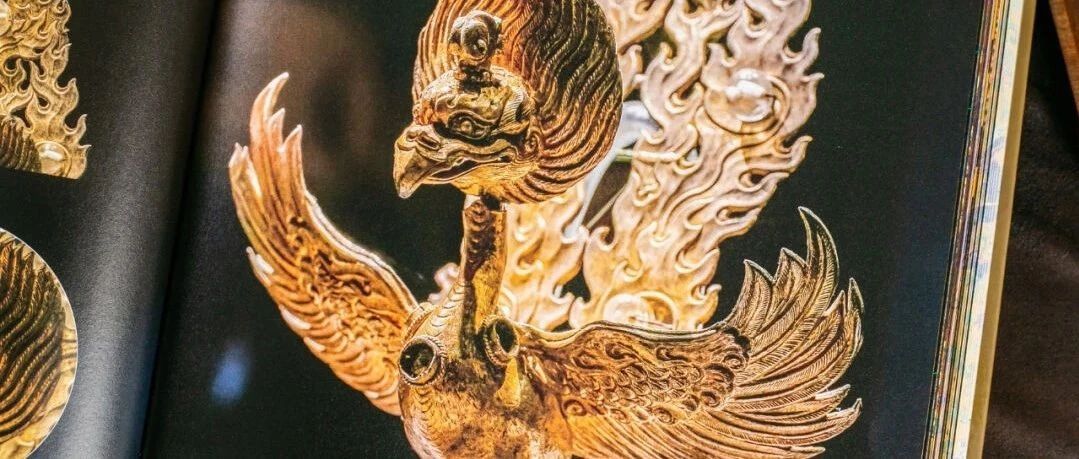
《瑞鹤图》

Search documents
辽宁省博物馆藏《瑞鹤图》——千年瑞鹤,一图传世
Xin Lang Cai Jing· 2026-02-22 03:30
Core Viewpoint - "Rui He Tu" (Picture of Auspicious Cranes) is a significant work in Chinese art history, showcasing the integration of poetry, calligraphy, and painting, and reflecting the artistic innovations of Emperor Huizong of Song [2][3]. Group 1: Artistic Significance - "Rui He Tu" is celebrated for its unique combination of poetry, calligraphy, and painting, marking it as one of the early representative works of this integration in Chinese art [2]. - The painting features a distinctive composition where the main architectural element, the Xuan De Gate, is depicted at the bottom, allowing the sky and cranes to dominate the visual space [2]. - The cranes in the painting are rendered with remarkable realism, each displaying different postures, demonstrating the artist's keen observation of nature [2]. Group 2: Historical Context - The painting was created during the second year of the Zhenghe era (1112 AD) and captures a festive scene in the capital, Bianjing, during the Lantern Festival [1]. - The inscription on the painting, written in the unique "slender gold" script by Emperor Huizong, provides valuable context about the artwork's creation and significance [2]. Group 3: Cultural Impact - "Rui He Tu" is regarded as a textbook-level piece in Chinese painting history, symbolizing a brilliant gem in Chinese cultural history due to its preservation and the political and artistic expressions it embodies [3].
宋徽宗《听琴图》 每一处细节都有故事
Xin Lang Cai Jing· 2025-12-29 00:38
Core Viewpoint - Emperor Huizong of Song is recognized as a significant artistic figure in Chinese history, whose influence ushered in a golden age of aesthetics, with his work "Listening to the Qin" being of paramount importance, even more so than the more famous "Auspicious Cranes" [1] Group 1: Artistic Influence and Personal Complexity - Huizong's duality is highlighted; he is both criticized for his governance and praised for his artistic talents, such as his "slender gold script" and exquisite paintings [2] - Personal anecdotes reveal Huizong's sensitivity and humor, showcasing a more human side to his character beyond the emperor's public persona [3][4] - His artistic pursuits may have been influenced by his lifelong struggles with anxiety, stemming from his childhood experiences and the pressures of his royal status [5] Group 2: Analysis of "Listening to the Qin" - The painting "Listening to the Qin" features a complex interplay of imagery and literary elements, with characters depicted not as historical figures but as literary constructs, emphasizing the painting's artistic depth [8][9] - The portrayal of the musician in the painting serves as a representation of Huizong's dual identity as both an emperor and an artist, blending reality with idealization [10] - The clothing depicted in the painting symbolizes a sophisticated cultural identity, merging elements of Daoism and Confucianism, reflecting Huizong's artistic vision [11][12] Group 3: Poetic Layer and Historical Context - The poem inscribed in the painting, written by Cai Jing, serves to enhance the narrative, reflecting on themes of talent recognition and the transient nature of power [14][15] - Cai Jing's poem, written during a period of personal decline, adds a layer of complexity to the painting, contrasting the serene imagery with the underlying tensions of the political landscape [16]
38岁赵丽颖,面相变了:从“土妞”到高级美,她做对了这件事
首席商业评论· 2025-09-18 04:45
Core Viewpoint - The article emphasizes the significance of Chinese aesthetics and its historical depth, showcasing how traditional Chinese art and design have influenced global standards of beauty and creativity [2][7][39]. Group 1: Chinese Aesthetics and Global Influence - The article highlights the transformation of Zhao Liying's image through the adoption of new Chinese styles, which have garnered admiration from both domestic and international audiences [3][5]. - It points out that many Western artists and designers have drawn inspiration from Chinese aesthetics, indicating a long-standing appreciation for Chinese art in Western culture [10][18]. - The article mentions specific historical instances where Western figures, such as Louis XV and George IV, expressed their admiration for Chinese art and aesthetics, further solidifying its global impact [18][21]. Group 2: Historical Context and Artistic Masterpieces - The article discusses a comprehensive book that compiles nearly 200 masterpieces from Chinese art history, emphasizing its significance as a cultural treasure [25][41]. - It notes that over 35% of the artworks included are rare pieces that are difficult to encounter, showcasing the book's unique value [27]. - The text elaborates on the detailed analysis of famous artworks, such as "Qianli Jiangshan Tu" and "Qingming Shanghe Tu," revealing the intricate techniques and cultural narratives embedded within them [31][49]. Group 3: Educational Value and Accessibility - The article promotes the book as an essential resource for families, particularly for educating children about Chinese art and aesthetics [52][65]. - It emphasizes the book's luxurious presentation and affordability, making it accessible for a wider audience while encouraging the appreciation of Chinese culture [54][93]. - The article concludes by positioning the book as not just a collection of art but as a personal museum that can enrich one's understanding of Chinese aesthetics and history [95].

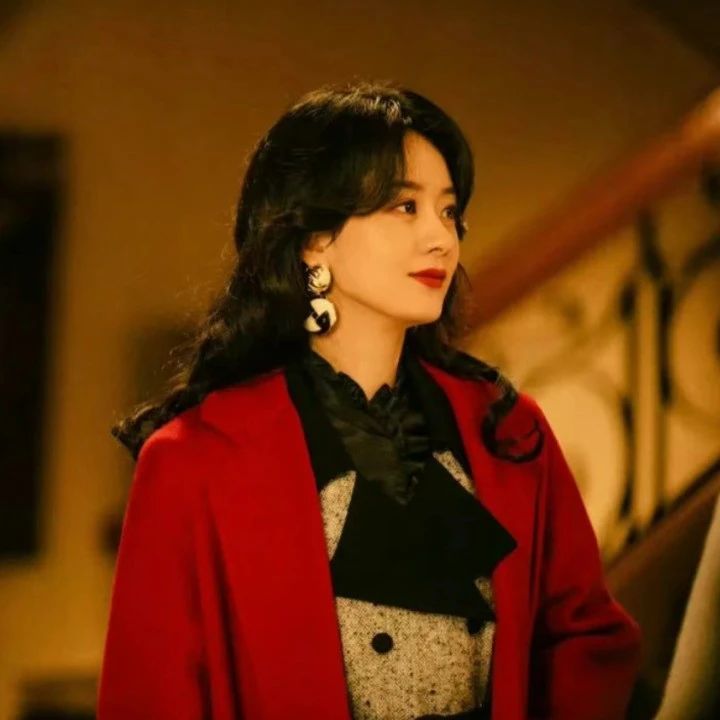
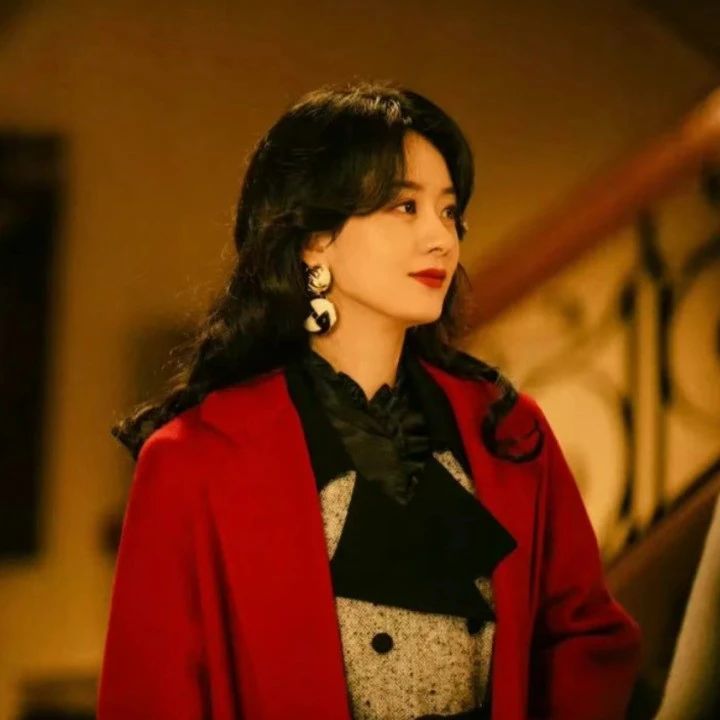
38岁赵丽颖,面相变了:从“土妞”到高级美,她做对了这件事
首席商业评论· 2025-08-27 05:28
Core Viewpoint - The article emphasizes the significance of Chinese aesthetics and its historical depth, showcasing how traditional Chinese art and design have influenced global trends and continue to hold value in contemporary culture [4][10][40]. Group 1: Chinese Aesthetics and Global Influence - The article highlights the transformation of Zhao Liying's image through the adoption of new Chinese styles, which have garnered admiration from both domestic and international audiences [6][8]. - It points out that many Western designers and artists have drawn inspiration from Chinese aesthetics, indicating a long-standing appreciation for Chinese art in Western history [19][22]. - The article mentions specific historical instances where Western figures, such as Louis XV and George IV, expressed their admiration for Chinese art and aesthetics, further solidifying its global influence [19][22]. Group 2: Historical Art and Cultural Significance - The article discusses a comprehensive art book that encapsulates 8000 years of Chinese aesthetics, featuring nearly 200 masterpieces from various dynasties, emphasizing its educational value for understanding Chinese culture [38][42]. - It details the rarity and significance of the artworks included in the book, with over 35% being unique pieces that are rarely seen, thus enhancing the book's value as a cultural artifact [28][42]. - The article also highlights the meticulous reproduction quality of the book, which allows readers to appreciate the intricate details of the artworks, making it a valuable resource for art enthusiasts and educators [83][91]. Group 3: Educational Value and Accessibility - The article advocates for the importance of educating future generations about Chinese aesthetics, suggesting that this art book serves as an essential tool for cultivating artistic appreciation and understanding [52][66]. - It emphasizes the book's affordability and accessibility, making it a practical choice for families looking to enrich their children's cultural education without significant financial burden [55][93]. - The article concludes by positioning the book not just as a collection of art but as a personal museum that can enhance one's living space and provide a deeper connection to Chinese cultural heritage [95].
暑期探馆打卡“热”,这些文物和展览值得细细品鉴!
Yang Shi Wang· 2025-07-19 07:03
Group 1: Museum Visitor Trends - Various museums, including the Liaoning Provincial Museum and Xinjiang Museum, are experiencing a surge in visitor numbers during the summer vacation period, with the Liaoning Provincial Museum averaging nearly 15,000 visitors on recent weekdays [1][6] - The Chengdu Museum has received over 20 million visitors since its new building opened in 2016, indicating its popularity as a cultural destination [11] Group 2: Notable Exhibits and Cultural Significance - The Liaoning Provincial Museum features significant artifacts such as the jade pig dragon, a symbol of the Hongshan culture, showcasing the importance of jade craftsmanship in ancient times [1][3] - The Xinjiang Museum's new exhibition on ancient Chinese musical instruments includes over 200 representative artifacts, enhancing cultural appreciation through interactive experiences [8] - Chengdu's unique offerings include a variety of interactive experiences at the Chengdu Museum and the Sichuan Cuisine Museum, which features over 6,000 artifacts related to the history of Sichuan cuisine [13][15] Group 3: Innovative Exhibition Formats - The Liaoning Provincial Museum has launched a high-tech immersive digital exhibition titled "Tang and Song Elegance," allowing visitors to engage with national treasures through digital means [4][6] - Xinjiang Museum is utilizing advanced technologies such as AI and interactive displays to enhance visitor engagement and understanding of historical artifacts [8] Group 4: Extended Access and Visitor Engagement - To accommodate increased summer visitors, the Liaoning Provincial Museum has extended its hours from July 1 to August 31, remaining open an additional hour each day [6] - The Sichuan Cuisine Museum offers bilingual guides and tax refund services for international visitors, enhancing the overall visitor experience [13][15]
美归还的中国国宝,刺痛了多少中国人
凤凰网财经· 2025-06-17 13:28
Core Viewpoint - The article emphasizes the significance of cultural heritage and the increasing interest of Chinese people in their historical artifacts, particularly through museum visits and the return of lost treasures [4][6][11]. Group 1: Cultural Heritage and Artifacts - The Smithsonian Institution returned the lost artifacts "Wuxing Ling" and "Gongshou Zhan" to China after 79 years [2][3]. - Over 10 million cultural relics have been lost from China since 1840, many of which are now housed in major museums like the British Museum and the Metropolitan Museum of Art [4]. - The return of these artifacts symbolizes the historical memory of the Chinese nation and its journey towards cultural revival [6]. Group 2: Public Interest in Museums - There is a growing trend among Chinese people to visit museums, especially during holidays, with over 70 million visitors reported during a recent holiday [9]. - Major attractions included the Terracotta Army Museum with over 420,000 visitors, the Forbidden City with over 650,000, and the Chengdu Museum with over 2.06 million [9]. - Cambridge professor Martin expressed admiration for the Chinese people's connection to their cultural artifacts, highlighting the stories each piece tells [11]. Group 3: The Importance of Art and Aesthetics - The article discusses the emotional and historical significance of various artifacts, such as the Jiahu bone flute and the Terracotta Warriors, which connect modern viewers to ancient civilizations [13][17]. - The narrative emphasizes that understanding these artifacts enriches one's appreciation of Chinese history and culture [20][28]. Group 4: Promotion of "The Complete Book of Chinese National Treasures" - The article promotes "The Complete Book of Chinese National Treasures," which features over 1,000 artifacts from 50 museums, aiming to provide a comprehensive view of 10,000 years of Chinese civilization [28][70]. - The book is described as a treasure trove for art lovers, offering high-quality images and detailed descriptions of each artifact [36][70]. - It is marketed as an essential resource for both children and adults to enhance their understanding of Chinese culture and history [144][145].