《蒙田随笔全集》

Search documents
黄荭:无事花草 闲来翻书
Bei Jing Qing Nian Bao· 2025-12-30 07:55
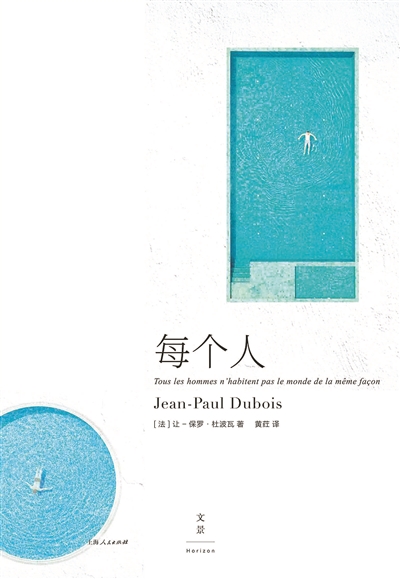
Core Viewpoint - The article highlights Huang Hong's recognition through the 17th Fu Lei Translation and Publishing Award for her translation of the French novel "Everyone," emphasizing her dedication to French literature and translation over the past 30 years [8]. Group 1: Award and Recognition - Huang Hong received the Fu Lei Translation and Publishing Award for her translation of "Everyone," originally titled "Not Everyone Lives in the Same Way" [8]. - The award serves as a testament to her passion for French literature and her commitment to literary translation [8]. Group 2: Background and Journey - Huang Hong's early exposure to literature stemmed from her father's love for reading, which influenced her broad interest in books from a young age [9]. - She faced initial challenges in her studies at Nanjing University, particularly with the foundational language courses, but developed a passion for literature as she progressed [9][10]. Group 3: Research and Specialization - Huang Hong is recognized as an expert on Marguerite Duras, having written her doctoral thesis on Duras's Eastern sentiments and the reception of her works in China [10]. - She has translated several significant works related to Duras, including a comprehensive study titled "Interpreting Duras" and various biographies and interviews [10]. Group 4: Translation Philosophy - Huang Hong describes her approach to translation as akin to nurturing plants, suggesting that a well-translated book can thrive in a new cultural context [11][12]. - She emphasizes the importance of literary translation in preserving and promoting literature across languages and cultures [12]. Group 5: Influence of Mentors - Huang Hong's relationship with the late Ma Zhencheng, a prominent translator and the first recipient of the Fu Lei Award, significantly impacted her career and passion for French literature [13][14]. - Their discussions often revolved around literature, art, and personal experiences, enriching Huang Hong's understanding of translation and literary appreciation [14]. Group 6: Current Projects and Future Aspirations - Huang Hong is currently working on proofreading "Gestation" by Antoinette Fouque and is set to translate works by Albert Camus and André Gide [15][16].

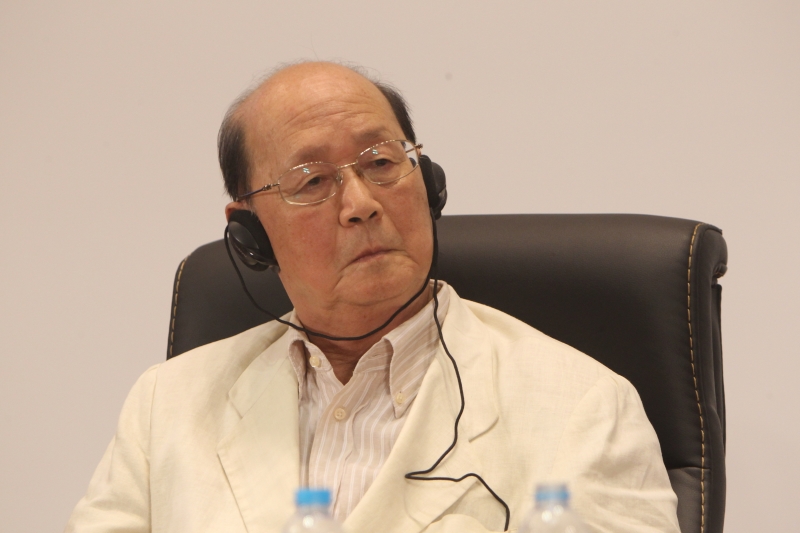
翻译蒙田打磨译文成了他一生的事业:纪念马振骋先生
Di Yi Cai Jing· 2025-11-25 09:56
Core Viewpoint - The article highlights the unique translation style of Mr. Ma, emphasizing his ability to capture the essence of Saint-Exupéry's works, particularly "The Little Prince," through a more poetic and musical approach to language [1][2]. Translation Style - Mr. Ma's translations are noted for their musicality, with a focus on rhythm and emotional resonance, as seen in his translation of "The Earth" where he modifies sentences to enhance their lyrical quality [4][5]. - His approach contrasts with other translators who may opt for more straightforward or literal translations, showcasing his preference for capturing the deeper emotional undertones of the text [2][4]. Notable Works - Among his early translations, "The Earth" is highlighted as a favorite of Mr. Ma, where he explores themes of personal discovery and the human experience through the lens of a pilot's life [4][8]. - The connection between "The Earth" and another work, "The Killed Mozart," is discussed, illustrating how Mr. Ma's translations often reflect broader themes of lost potential and the impact of societal circumstances on individual lives [7][8]. Personal Philosophy - Mr. Ma is characterized as a "present" person, focusing on the immediate task of translation without dwelling on past experiences or formal training, which contributes to his unique perspective on literature [10][12]. - His translations are not merely about the text but also about the experience and insights gained from the process, reflecting a deep engagement with the material [13][15]. Recognition - Mr. Ma's work has been recognized with awards, such as the inaugural Fu Lei Translation Award for his translation of "The Complete Essays of Montaigne," underscoring the significance of his contributions to literary translation [16][18].