
《蛙》

Search documents
诺贝尔文学奖最值得看的12本书,一生至少要读一次
洞见· 2026-03-08 12:35
Core Viewpoint - The article emphasizes the importance of reading classic literature, particularly Nobel Prize-winning works, as a means to explore human nature, history, and reality, providing insights that can help individuals navigate modern life's complexities [5][142]. Summary by Sections Recommended Classic Works - The article recommends 12 classic Nobel Prize-winning books that represent literary peaks and deep explorations of human experience [6]. Individual Book Insights - **"Steppenwolf"**: The protagonist Harry embodies the internal struggle between societal desires and a yearning for a higher spiritual existence, reflecting a common psychological dilemma faced by modern individuals [12][15]. - **"Siddhartha"**: This novel illustrates the journey of a young Indian nobleman seeking enlightenment, emphasizing that life's true lessons come from personal experiences and choices rather than shortcuts [22][26]. - **"The Old Man and the Sea"**: Hemingway's simple narrative conveys profound human struggles and the dignity of perseverance, suggesting that true victory lies in the courage to face challenges [34][39]. - **"The Plague"**: Camus uses a plague as a metaphor for unexpected disasters, highlighting the importance of individual choices in times of crisis, which remains relevant today [46][49]. - **"The Stranger"**: This book explores themes of alienation and emotional detachment, offering a rare understanding of those who feel like outsiders in society [57][62]. - **"The Grapes of Wrath"**: Steinbeck's work documents the suffering of ordinary people during tough times, showcasing human resilience and the spirit of altruism amidst hardship [68][75]. - **"One Hundred Years of Solitude"**: García Márquez's narrative delves into the theme of solitude across generations, suggesting that recognizing this shared human experience can lead to acceptance and peace [78][85]. - **"Frog"**: Mo Yan's novel intertwines personal stories with broader historical themes, providing a unique perspective on Chinese rural life and the struggles of individuals against societal forces [90][96]. - **"Escape"**: This book reflects the universal desire to break free from mundane life, illustrating that true freedom comes with the responsibility of choices made [100][105]. - **"The Answer is Blowin' in the Wind"**: Dylan's lyrics challenge societal norms and inspire a quest for meaning, marking a significant cultural impact that transcends traditional literary forms [110][117]. - **"The Remains of the Day"**: Ishiguro's narrative serves as a poignant reminder of the importance of personal connections over professional accolades, urging readers to reflect on what truly matters in life [121][130]. - **"A Man's Place"**: Ernaux's work captures the essence of shared human experiences through fragmented memories, resonating with readers across different backgrounds [134][140].

半月涨粉超100万,年轻人迷上这位文学大佬
3 6 Ke· 2025-11-24 00:15
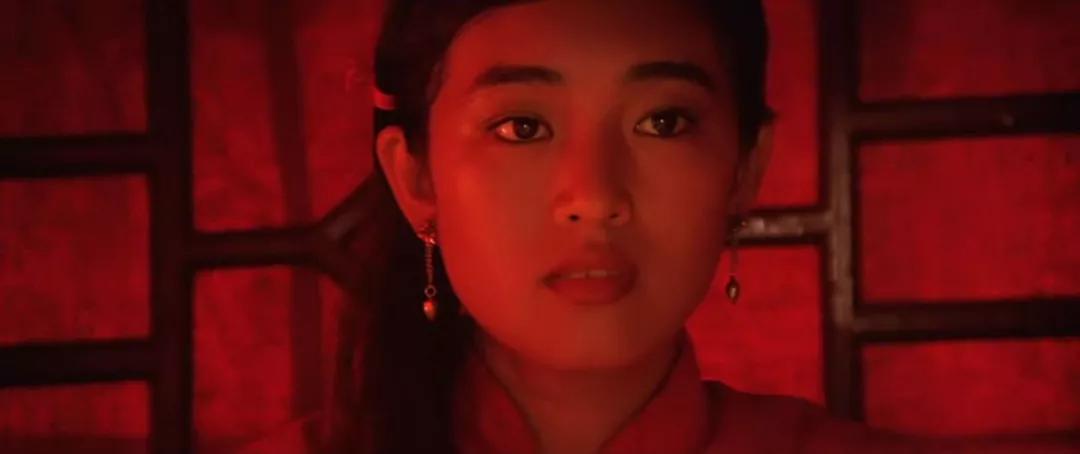
Group 1 - Mo Yan has recently gained over 1 million followers on social media, expressing curiosity about the world and a desire to engage with young people [1] - He is the first and only Chinese recipient of the Nobel Prize in Literature, awarded 13 years ago, with the citation highlighting his unique voice in world literature [1] - Mo Yan's early fame began in the 1980s with his novel "Red Sorghum," which was adapted into a film that won the Golden Bear at the Berlin Film Festival [6] Group 2 - Mo Yan's literary career is characterized by a blend of magical realism and brutal realism, often drawing comparisons to Gabriel Garcia Marquez [10][12] - His works frequently explore themes of land and humanity, reflecting his rural upbringing and experiences [17] - Mo Yan's writing process is noted for its speed, with him capable of producing up to 10,000 words in a single day [18][46] Group 3 - Despite achieving international acclaim, Mo Yan maintains a simple lifestyle, often working in an office at Beijing Normal University and living modestly [20] - He emphasizes the importance of food in his life and writing, with early experiences of hunger shaping his literary themes [26][31] - Mo Yan's works often contain elements of humor and satire, contrasting with the darker themes present in his narratives [12][67] Group 4 - Mo Yan's self-perception as a storyteller is rooted in his childhood experiences, where he developed a passion for narrative through oral traditions [50][52] - His literary contributions aim to demystify the role of the writer, presenting himself as an accessible figure rather than an enigmatic one [67][78] - The author expresses a desire to connect with younger generations while acknowledging the generational gap in understanding their perspectives [71]
莫言辟谣!
券商中国· 2025-11-22 12:28
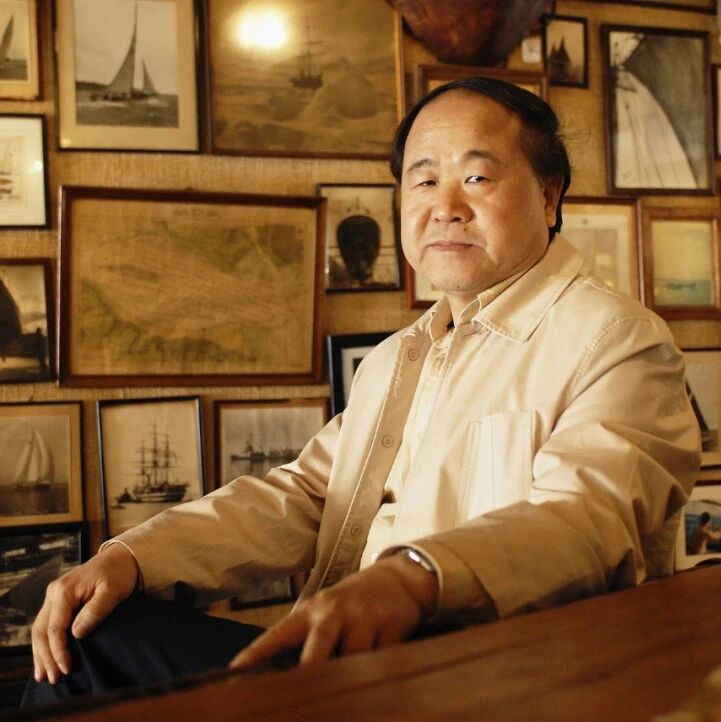
Core Viewpoint - The article discusses the recent statements made by the Chinese author Mo Yan regarding various quotes attributed to him, clarifying that many of these statements are fabrications by internet users [1][2][11]. Summary by Sections Mo Yan's Clarifications - Mo Yan addressed the rumor about him, Yu Hua, and Shi Tiesheng stealing melons, stating that it is a fabricated story and questioning the logic of including Shi Tiesheng in such an act [1]. - He previously refuted claims about statements he allegedly made, emphasizing that these were not his words [2]. Specific Quotes and Responses - Mo Yan denied having said he dislikes visiting relatives during the New Year, clarifying that he actually enjoys it for the scenery and good food [3][4]. - He also rejected the quote about strength being the ability to allow everything to happen, noting that while he has expressed similar sentiments, the exact phrasing is not his [5][6]. - Regarding another quote about maturity and being late-blooming, he acknowledged the sentiment but stated he cannot take credit for it [8][9]. - Mo Yan dismissed various "chicken soup" style quotes attributed to him, asserting that they do not originate from him [10][11]. Background Information - Mo Yan, born in 1955 in Shandong, is a renowned author known for works such as "Red Sorghum" and "Frog." He received the Nobel Prize in Literature in 2012 [11].
加强文学交流 赓续中俄友好
Ren Min Ri Bao· 2025-05-09 22:10
Core Viewpoint - The article emphasizes the significance of cultural exchange between China and Russia, particularly in literature, as a means to enhance mutual understanding and strengthen bilateral relations [1][4]. Group 1: Historical Context - The literary exchange between China and Russia has a long history, with notable figures such as Pushkin and Tolstoy playing pivotal roles in this cultural dialogue [2][3]. - Pushkin's novel "The Captain's Daughter" is recognized as the first Russian literary work translated into Chinese, marking the beginning of Russian literature's introduction to China [2]. - Tolstoy expressed admiration for Confucian texts, highlighting the intellectual engagement between the two cultures [2]. Group 2: Impact of Russian Literature in China - Over the past century, numerous Russian literary classics have been translated into Chinese, significantly influencing Chinese literature [3]. - Works by authors like Dostoevsky and Chekhov continue to be popular in China, with Dostoevsky's novels being particularly well-received [3]. - The 2023 All-Russian Annual Book Award recognized a series of Chinese ancient poetry appreciation books, showcasing the ongoing interest in literary works from both countries [3]. Group 3: Contemporary Literary Exchange - Recent initiatives, such as the "China-Russia Cultural Year" and forums for young writers, have fostered direct exchanges between emerging authors from both nations [4]. - Notable contemporary Russian authors, such as Lyudmila Ulitskaya, are now being published in China, reflecting the evolving literary landscape [4]. - Chinese authors like Liu Cixin and Yu Hua have gained popularity in Russia, indicating a reciprocal interest in each other's literary contributions [4]. Group 4: Broader Cultural Integration - Literature serves as a foundation for various art forms, including theater and film, facilitating deeper cultural connections between the two nations [6]. - Recent adaptations of Chinese literary works into Russian theater have garnered positive responses, demonstrating the appeal of cross-cultural artistic collaborations [7]. - The ongoing dialogue between Chinese and Russian literature is seen as a fertile ground for establishing a new model of international relations based on mutual respect and understanding [7].