
《红高粱》

Search documents
东北叙事的起落与逸散
Xin Lang Cai Jing· 2026-02-23 21:43
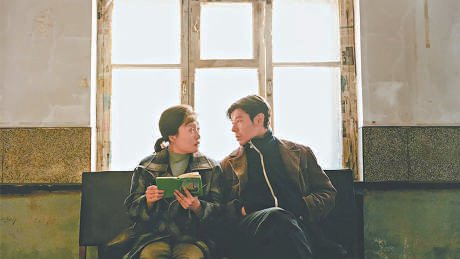
Core Viewpoint - The two films adapted from the works of Shuang Xuetao, "The Aviator" and "My Friend Andrei," are both competent adaptations, but "The Aviator" is considered superior in terms of adaptation quality and narrative coherence [3][5]. Summary by Sections Film Adaptation Quality - "The Aviator" demonstrates a more mature script with a well-structured narrative that effectively incorporates various symbolic elements, enhancing both the story's flow and artistic quality [5][6]. - "My Friend Andrei" struggles with narrative coherence due to its non-linear storytelling, which leads to a disjointed viewing experience [3][4]. Narrative Structure - "The Aviator" features a clear narrative arc with four flights symbolizing the protagonist's journey, while "My Friend Andrei" fails to establish a strong connection between its adult and childhood timelines [5][6]. - The adaptation of "My Friend Andrei" alters the original narrative significantly, leading to a loss of the story's emotional depth and coherence [4][6]. Thematic Elements - Both films explore themes of nostalgia and the impact of industrial transformation on personal lives, reflecting the essence of Shuang Xuetao's original works [7][8]. - The characters in both films represent individuals whose innovative ideas are stifled by their respective societal contexts, highlighting a shared thematic concern [7]. Cultural Authenticity - The adaptations struggle to capture the authentic cultural essence of Northeast China, with actors and directors lacking the regional authenticity that could enhance the storytelling [7][8]. - The loss of local dialects and cultural nuances in the adaptations detracts from the original works' emotional resonance and authenticity [8].

五大板块呈现近30场演出,国家大剧院合唱团2026乐季唱响“心之所向”
Xin Lang Cai Jing· 2026-01-17 06:24
Core Insights - The National Centre for the Performing Arts (NCPA) Chorus announced its 2026 season themed "Where the Heart Is," focusing on how music can provide solace and anticipation in busy lives [3][9] - The season will feature nearly 30 concerts across five main segments: "NCPAC Classics," "Master Series," "Choral Theatre," "New Voices of the Season," and "Special Projects" [3][9] Group 1: Concert Highlights - The "NCPAC Classics" segment will include beloved concerts such as "Jubilant Songs," which opened the season from January 8-9, and the male chorus concert "Brilliance and Songs," returning for its fourth performance [3][4] - The "Master Series" will feature renowned conductors like Wu Lingfen and Zheng Jian, with performances including "Songs from the Earth," showcasing choral adaptations of Chinese folk songs [4] - The "Choral Theatre" segment will present immersive concerts, including a new Chinese version of Mozart's "The Marriage of Figaro" to celebrate the 270th anniversary of Mozart's birth [6] Group 2: Special Events and Collaborations - The NCPA Chorus will participate in four original operas, including "Lan Hua Hua" and "Aida," and will perform "The Long March Suite" to commemorate the 90th anniversary of the Long March [7][11] - A weekend concert series combining lectures and performances will see an increase in scheduled events, enhancing audience engagement [7] - The season will conclude with a special concert celebrating the 17th anniversary of the NCPA Chorus, featuring various guest conductors and artists [6][9]
《日掛中天》:承担历史的渴望与作为“动词变位”的女性角色
Xin Lang Cai Jing· 2026-01-02 07:09
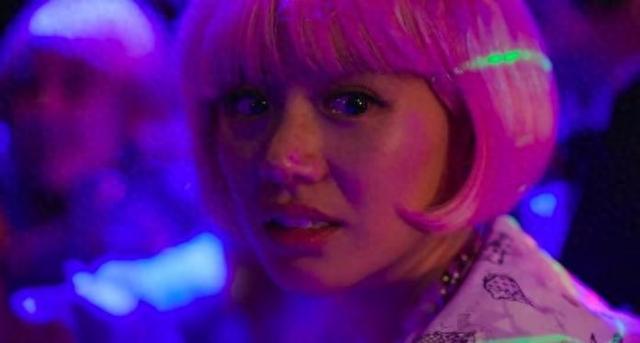
Core Viewpoint - The film "Day Hanging in the Sky" directed by Cai Shangjun highlights the evolving representation of female characters in Chinese cinema, particularly through the lens of the lead actress Xin Zhilei, who won the Best Actress award at the Venice Film Festival, thus enhancing the visibility of Asian faces in the international film scene [1][17]. Summary by Sections Film Narrative and Character Dynamics - The plot revolves around the complex relationship between the main characters Meiyun and Baoshu, exploring themes of guilt, redemption, and the struggle for a new life after past mistakes [2][4]. - The film's narrative structure reflects a shift in the portrayal of female characters, moving away from traditional victim roles to more nuanced representations that challenge audience sympathies [17][26]. Influence of Noir and Localized Themes - The film draws inspiration from Film Noir, incorporating elements such as a fallen detective and a femme fatale, while localizing these themes within the context of a Northeast Chinese city [3][7]. - The character of Wu Zhizhen, portrayed by Gwei Lun-mei, is depicted with complexity, showcasing the duality of victimhood and moral ambiguity, which contrasts with typical Hollywood portrayals of female criminals [3][4]. Evolution of Female Representation - The evolution of female characters in contemporary Chinese cinema is marked by a departure from the "good woman" archetype, as seen in the works of directors from the "sixth generation" and beyond, reflecting broader societal changes [11][12]. - The film's narrative strategy emphasizes the internal struggles of female characters, often portraying them as victims of their circumstances rather than active agents, which raises questions about their moral standing and audience empathy [17][26]. Cultural Context and Historical Reflection - The film serves as a commentary on the historical and cultural context of modern China, using the personal struggles of its characters to reflect on broader themes of modernization and societal expectations [6][11]. - The narrative invites viewers to engage with the complexities of time and memory, as characters grapple with their past decisions and the consequences that shape their futures [19][27].
半月涨粉超100万,年轻人迷上这位文学大佬
3 6 Ke· 2025-11-24 00:15
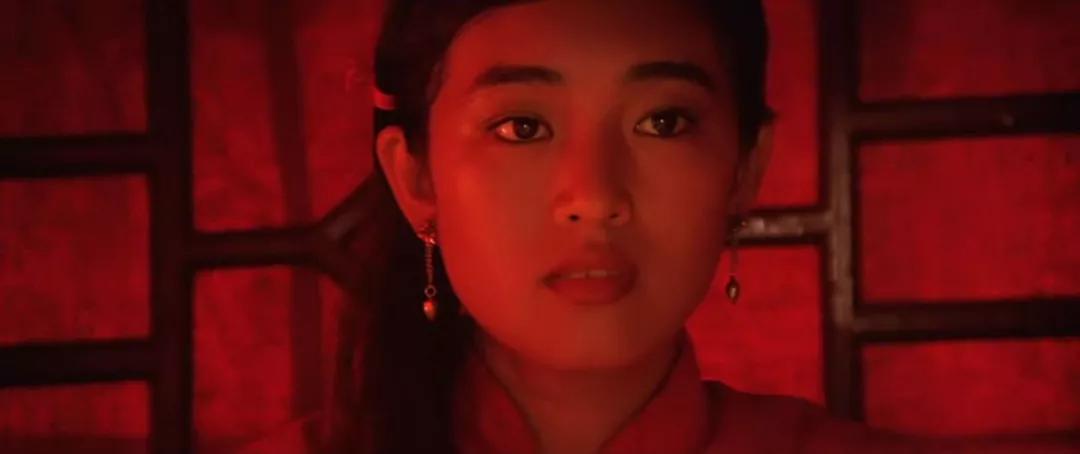
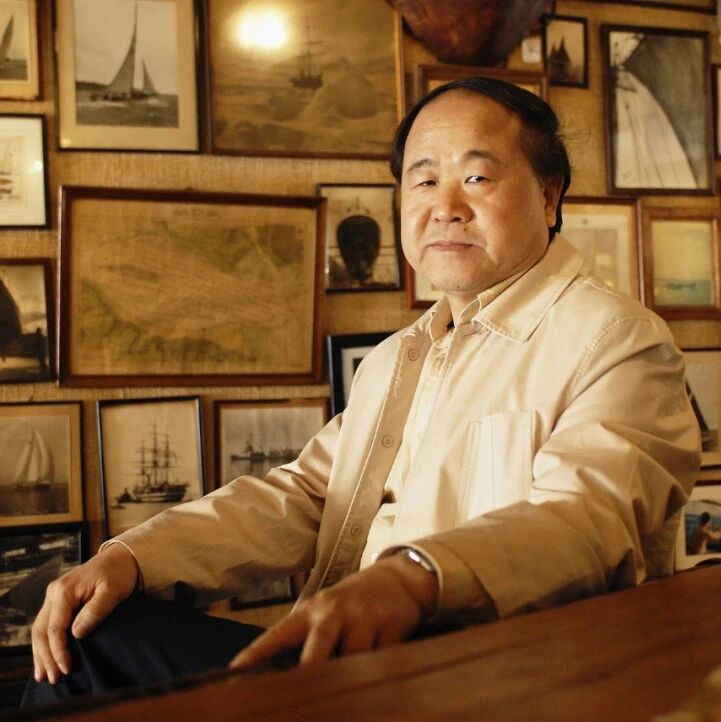
Group 1 - Mo Yan has recently gained over 1 million followers on social media, expressing curiosity about the world and a desire to engage with young people [1] - He is the first and only Chinese recipient of the Nobel Prize in Literature, awarded 13 years ago, with the citation highlighting his unique voice in world literature [1] - Mo Yan's early fame began in the 1980s with his novel "Red Sorghum," which was adapted into a film that won the Golden Bear at the Berlin Film Festival [6] Group 2 - Mo Yan's literary career is characterized by a blend of magical realism and brutal realism, often drawing comparisons to Gabriel Garcia Marquez [10][12] - His works frequently explore themes of land and humanity, reflecting his rural upbringing and experiences [17] - Mo Yan's writing process is noted for its speed, with him capable of producing up to 10,000 words in a single day [18][46] Group 3 - Despite achieving international acclaim, Mo Yan maintains a simple lifestyle, often working in an office at Beijing Normal University and living modestly [20] - He emphasizes the importance of food in his life and writing, with early experiences of hunger shaping his literary themes [26][31] - Mo Yan's works often contain elements of humor and satire, contrasting with the darker themes present in his narratives [12][67] Group 4 - Mo Yan's self-perception as a storyteller is rooted in his childhood experiences, where he developed a passion for narrative through oral traditions [50][52] - His literary contributions aim to demystify the role of the writer, presenting himself as an accessible figure rather than an enigmatic one [67][78] - The author expresses a desire to connect with younger generations while acknowledging the generational gap in understanding their perspectives [71]
莫言辟谣!
券商中国· 2025-11-22 12:28
Core Viewpoint - The article discusses the recent statements made by the Chinese author Mo Yan regarding various quotes attributed to him, clarifying that many of these statements are fabrications by internet users [1][2][11]. Summary by Sections Mo Yan's Clarifications - Mo Yan addressed the rumor about him, Yu Hua, and Shi Tiesheng stealing melons, stating that it is a fabricated story and questioning the logic of including Shi Tiesheng in such an act [1]. - He previously refuted claims about statements he allegedly made, emphasizing that these were not his words [2]. Specific Quotes and Responses - Mo Yan denied having said he dislikes visiting relatives during the New Year, clarifying that he actually enjoys it for the scenery and good food [3][4]. - He also rejected the quote about strength being the ability to allow everything to happen, noting that while he has expressed similar sentiments, the exact phrasing is not his [5][6]. - Regarding another quote about maturity and being late-blooming, he acknowledged the sentiment but stated he cannot take credit for it [8][9]. - Mo Yan dismissed various "chicken soup" style quotes attributed to him, asserting that they do not originate from him [10][11]. Background Information - Mo Yan, born in 1955 in Shandong, is a renowned author known for works such as "Red Sorghum" and "Frog." He received the Nobel Prize in Literature in 2012 [11].
“大戏”上演!丰盛文化大餐点亮百姓多彩假期 创新表达让经典绽放新光彩
Yang Shi Wang· 2025-10-03 09:03
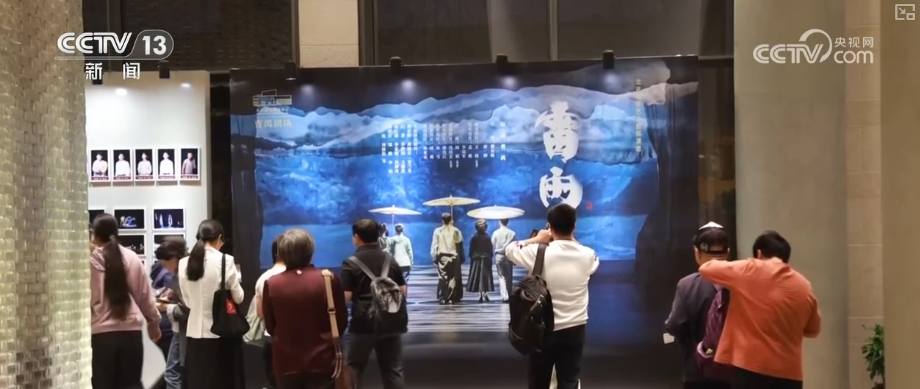
Core Viewpoint - The National Day holiday has seen a surge in high-quality cultural performances across various art troupes, providing a rich cultural experience for the public, with notable productions like the innovative rendition of the classic play "Thunderstorm" [1][4]. Group 1: Performances and Productions - The production of "Thunderstorm," directed by Pu Cunxin and Tang Ye, is being staged at the Beijing International Theatre Center, featuring experimental expansions in stage space that blend symbolic and realistic expressions [4]. - The current version of "Thunderstorm" was created in 2021 and has toured multiple locations, celebrating the 115th anniversary of playwright Cao Yu's birth in 2025 [6]. - The original narrative from Cao Yu's 1934 script is reinterpreted in this production, showcasing the timeless appeal of classic works to contemporary audiences [6]. Group 2: Cultural Events and Festivals - The "Big Drama in Beijing" exhibition season is actively taking place during the National Day holiday, featuring a variety of performances that attract large crowds of citizens and tourists [7]. - The National Centre for the Performing Arts is hosting the original national opera "Red Sorghum," based on Mo Yan's novel, marking its debut on the opera stage with a top-tier creative team [9]. - The "Big Drama in Beijing" exhibition season, themed "Artistic Innovation and Quality for the People," will last for three months, showcasing over 117 premium productions across various genres, highlighting the pinnacle of domestic and international theatrical arts [11]. Group 3: Art Exhibitions - The 2025 International Audio-Visual Artworks Expo is being held, allowing attendees to enjoy a rich artistic atmosphere through performances and exhibitions [11]. - The expo features six exhibition areas covering a total of 15,000 square meters, showcasing nearly 6,000 audio-visual treasures from 17 countries [13]. - Outdoor activities at the Beijing Art Center include free jazz performances and interactive events, enhancing the cultural experience for visitors during the holiday [15].
东西问·北京文化论坛丨章嘉禾:当代戏剧传播关键在“移情”
Zhong Guo Xin Wen Wang· 2025-09-25 11:14
Core Viewpoint - The key to contemporary drama dissemination lies in "empathy," emphasizing the importance of emotional connection in theatrical performances and cross-cultural understanding [3][9]. Group 1: Differences Between Eastern and Western Drama - Eastern and Western dramas exhibit significant differences in values and performance systems, rooted in philosophical foundations: the West emphasizes "individual conflict and social critique," while the East focuses on "overall harmony and expressive representation" [5][6]. - The "mask theory" training method proposed for East Asian actors suggests that Eastern performers tend to maintain a level of concealment in their expressions, while Western performances are characterized by emotional openness [5][6]. Group 2: Cultural Exchange and Collaboration - There is a deep cultural foundation shared between Chinese and Korean dramas, yet they also display notable differences in teaching methods and thematic expressions [6][11]. - Recommendations for enhancing collaboration between China and Korea in drama and arts education include strengthening cultural exchanges between universities and participating in international drama festivals [11][14]. Group 3: The Role of Technology in Drama - The digital age presents more opportunities than challenges for the drama field, as students increasingly view drama as a means of emotional expression despite the prevalence of digital screens [13][14]. - Concerns about artificial intelligence replacing human actors have been addressed, with a consensus that the core of drama remains the emotional expression of "human" experiences [14].

中国电影人闪耀三大国际影展
Huan Qiu Shi Bao· 2025-09-07 22:51
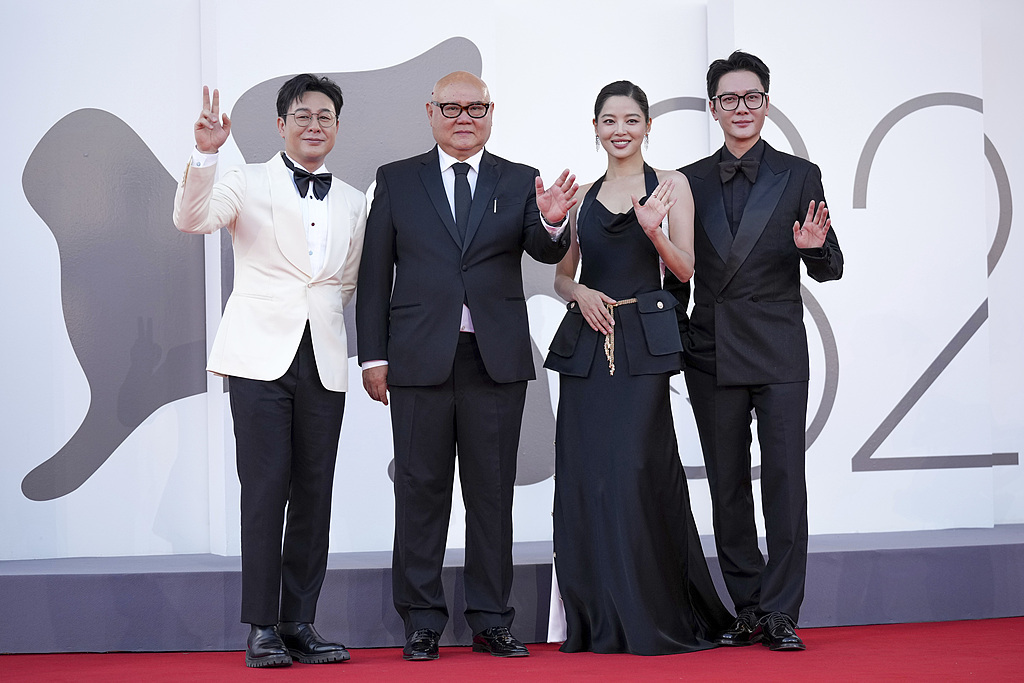
Group 1 - Chinese films have achieved significant recognition at major international film festivals in 2023, including awards for "The Land of the Living" at the Berlin International Film Festival, "Wild Times" at the Cannes Film Festival, and "Daytime Hanging" at the Venice Film Festival [1] - The Venice Film Festival has historically been a favorable platform for Chinese cinema, with renowned directors like Zhang Yimou, Ang Lee, and Hou Hsiao-hsien winning prestigious awards, particularly during Marco Müller’s tenure as chairman [3] - Despite the recent surge in box office success for Chinese films, there has been a relative quietness in terms of artistic achievements at major international festivals, with the last award for a Chinese film at Venice being in 2019 [3] Group 2 - Since the late 1980s and early 1990s, Chinese films have gained international attention through European film festivals, with notable films like "Red Sorghum" and "Farewell My Concubine" winning awards and enhancing the global profile of Chinese actors [4] - The new generation of filmmakers, represented by directors like Bi Gan and Wei Shujun, has been increasingly recognized at major film festivals, showcasing the potential and talent of young Chinese filmmakers [4] - Recent short films from Chinese directors have won multiple awards at Cannes, indicating a strong reserve of talent and creativity among the younger generation in the Chinese film industry [4]

“携手打造具有国际竞争力的华语电影”
Ren Min Ri Bao· 2025-07-26 21:52
Group 1 - The 8th Malaysia International Film Festival is currently taking place in Kuala Lumpur, showcasing the increasing presence of Chinese films, including "My Friend Andre," which is competing for the highest award, the "Golden Ring Award" [1] - The Chinese animated film "Ne Zha" has gained significant attention in Malaysia, providing an excellent opportunity for Malaysian audiences to understand Chinese culture, particularly due to the character's familiarity within the Chinese mythological context [1] - The success of these films is attributed to their effective cross-cultural narratives, addressing universal themes such as justice, bravery, and love, which resonate with Malaysian audiences [1] Group 2 - Recent years have seen innovations and breakthroughs in Chinese cinema, enhancing cultural expression through technology, exemplified by the advanced computer graphics in "Ne Zha," which offers an unprecedented sensory experience [2] - The collaboration between China and Malaysia in film has intensified, with notable projects such as the co-produced documentary "Our Story" and the Malaysia Chinese Film Festival, showcasing various Chinese films to local audiences [2] - There is a natural cultural connection between Malaysia and China, with hopes for increased cooperation in film co-production, distribution, and market expansion to create internationally competitive Chinese-language films [2]