《面向量产的端到端实战小班课》

Search documents
市场正在惩罚只懂理论的端到端算法工程师......
自动驾驶之心· 2025-12-29 01:07
Core Insights - The article discusses the current challenges in the automotive industry regarding the recruitment of algorithm talent for end-to-end production roles, highlighting a gap between the skills of candidates and the high salary expectations for these positions [1] - A new course titled "End-to-End Practical Class for Mass Production" has been designed to address this gap, focusing on essential algorithms and practical applications in autonomous driving [1] Course Overview - The course is structured into eight chapters, covering various aspects of end-to-end algorithms, including the integration of perception tasks and learning-based control algorithms [6] - It emphasizes the importance of understanding both one-stage and two-stage end-to-end frameworks, with practical examples and real-world applications [7][8] - Key algorithms discussed include reinforcement learning, trajectory optimization, and spatial-temporal planning, which are crucial for the mass production of autonomous driving systems [10][12] Target Audience - The course is aimed at advanced learners with a foundational understanding of autonomous driving technologies, including familiarity with algorithms such as reinforcement learning and diffusion models [14][16] - It is designed to be accessible even to those with weaker foundations, as the instructor will provide guidance to help participants quickly get up to speed [14] Course Logistics - The course will commence on November 30 and is expected to last for three months, featuring offline video lectures and online Q&A sessions [14][17] - Participants are required to have a GPU with a recommended capability of 4090 or higher, along with a basic understanding of Python and PyTorch [16]

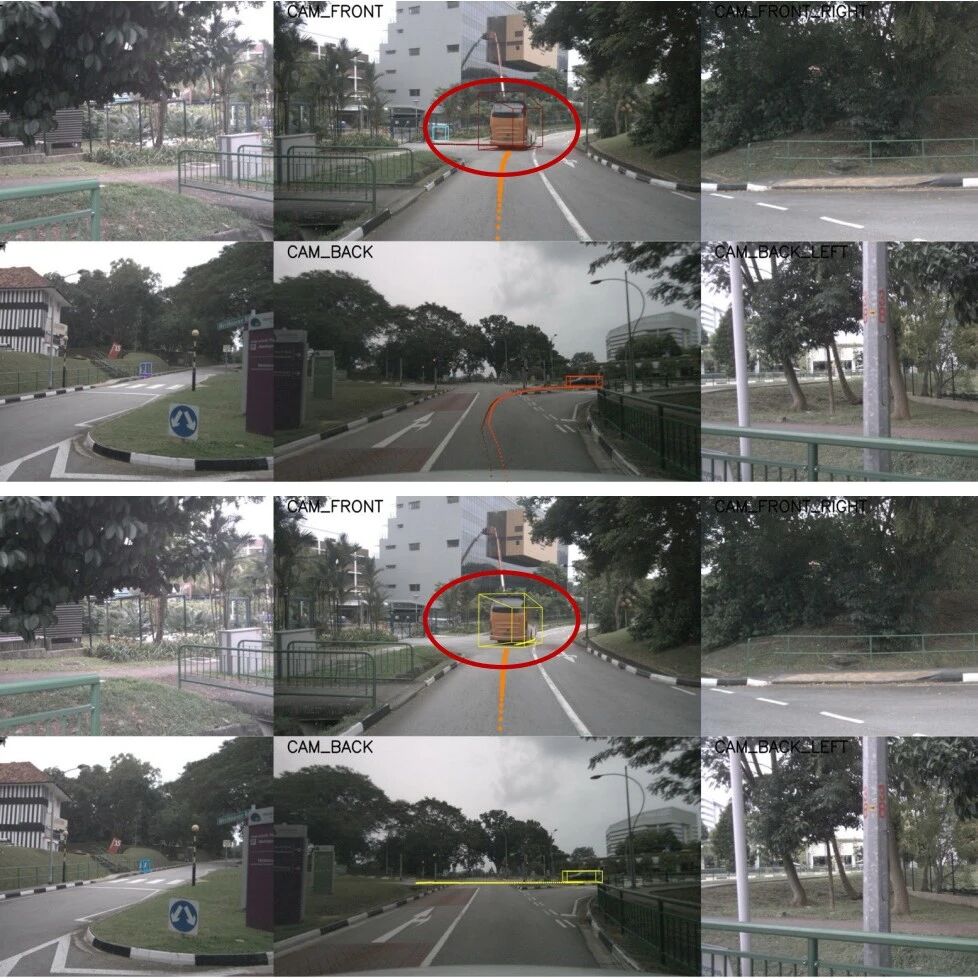
一个在量产中很容易被忽略重要性的元素:导航信息SD
自动驾驶之心· 2025-12-26 01:56
Core Viewpoint - The article discusses the application of navigation information in autonomous driving, emphasizing its importance in providing lane guidance, waypoint information, and reference lines to enhance vehicle path planning and control [2][4][32]. Group 1: Navigation Information Application - Navigation information SD/SD Pro is currently utilized in many production solutions, offering lane and waypoint data to provide a comprehensive view for drivers [2]. - The core responsibilities of the navigation module include providing reference lines, which significantly reduce planning pressure by offering a predefined driving path [4]. - Additional functionalities include providing planning constraints and priorities, as well as path monitoring and replanning [5]. Group 2: Path Planning and Behavior Guidance - Global path planning at the lane level involves searching for the optimal lane sequence to reach a target lane [6]. - The navigation information aids behavior planning by providing clear semantic guidance, allowing vehicles to prepare for lane changes, deceleration, and yielding in advance [6]. Group 3: Course Overview - The article outlines a course focused on practical applications in autonomous driving, covering topics such as end-to-end algorithms, navigation applications, and trajectory optimization [24][29]. - The course is designed for advanced learners and aims to provide insights into integrating perception tasks and designing learning-based control algorithms [29][37]. - It includes practical sessions on various algorithm frameworks, including one-stage and two-stage models, and emphasizes the importance of navigation information in production applications [30][31][32].
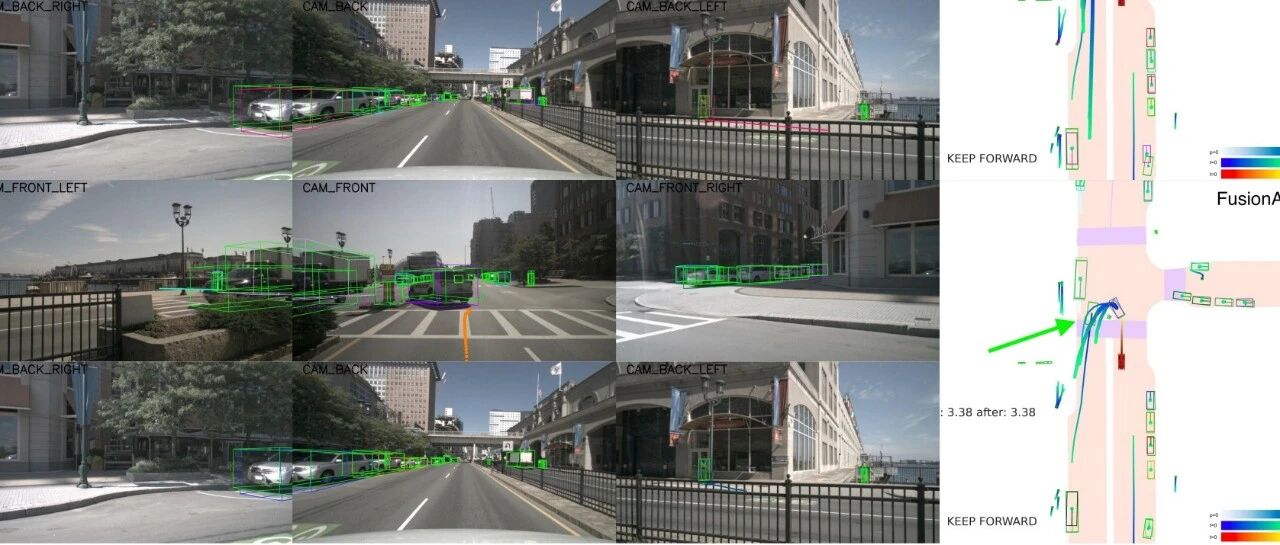
聊聊导航信息SD如何在自动驾驶中落地?
自动驾驶之心· 2025-12-23 00:53
Core Viewpoint - The article discusses the application of navigation information in autonomous driving, emphasizing its importance in providing lane guidance, waypoint information, and reference lines to enhance vehicle path planning and control [2][4][31]. Group 1: Navigation Information Application - Navigation information SD/SD Pro is already utilized in many production solutions, offering a rough global and local view for drivers [2]. - The core responsibilities of the navigation module include providing reference lines, which significantly reduce planning pressure by offering a predefined driving path [4]. - Additional functionalities include providing planning constraints and priorities, as well as path monitoring and replanning [5]. Group 2: Path Planning and Behavior Guidance - Global path planning at the lane level involves searching for the optimal lane sequence to reach the target lane [6]. - Behavior planning is enhanced by providing clear semantic guidance, allowing vehicles to prepare for lane changes, deceleration, and yielding in advance [6]. Group 3: Course Overview - The course titled "End-to-End Practical Class for Mass Production" focuses on practical applications in autonomous driving, covering topics from one-stage and two-stage frameworks to trajectory optimization and production experience sharing [23]. - The curriculum includes chapters on end-to-end task overview, two-stage and one-stage algorithms, navigation information applications, reinforcement learning in autonomous driving, trajectory output optimization, fallback solutions, and mass production experience [28][30][31][32][33][34][35]. Group 4: Target Audience and Course Details - The course is aimed at advanced learners with a background in autonomous driving algorithms, reinforcement learning, and programming [36][38]. - The course will commence on November 30, with a duration of three months, featuring offline video teaching and online Q&A sessions [36][39].
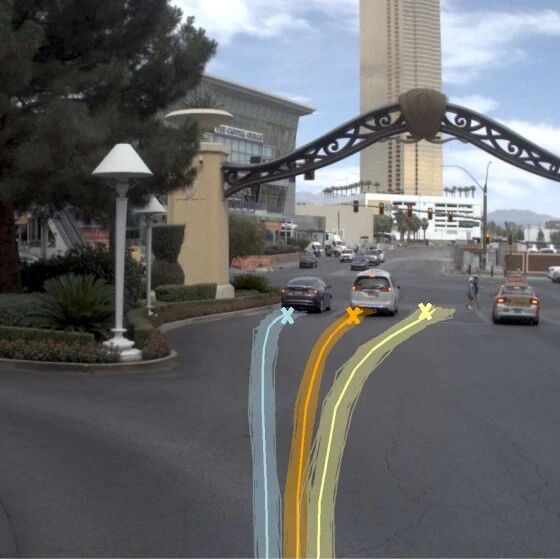
端到端VLA的入门进阶和求职,我们配备了完整的学习路线图!
自动驾驶之心· 2025-12-18 00:06
Core Viewpoint - The article emphasizes the growing demand for technical talent in the autonomous driving sector, particularly in end-to-end and VLA (Vision-Language-Action) technologies, with companies willing to invest significantly in experienced professionals, starting salaries reaching millions annually [2]. Course Offerings - The article outlines several specialized courses aimed at enhancing skills in autonomous driving, including "End-to-End Practical Class for Mass Production," "End-to-End and VLA Autonomous Driving Class," and "VLA and Large Model Practical Course," catering to various levels from beginners to advanced professionals [4][7][12]. End-to-End Mass Production Course - This course focuses on the practical implementation of end-to-end autonomous driving, covering key modules such as navigation information application, reinforcement learning optimization, diffusion and autoregressive production experience, and spatiotemporal joint planning [4]. End-to-End and VLA Autonomous Driving Course - This course addresses macro aspects of end-to-end autonomous driving, detailing key algorithms and theoretical foundations, including BEV perception, large language models, diffusion models, and reinforcement learning [7]. VLA and Large Model Practical Course - This course requires participants to have a GPU with recommended computing power of 4090 or higher, a foundational understanding of autonomous driving, and familiarity with concepts like transformer models and reinforcement learning [11]. Instructor Profiles - The courses are led by industry experts with strong academic backgrounds, including those with multiple published papers in top conferences and extensive experience in algorithm development and mass production in autonomous driving [6][9][14][15].
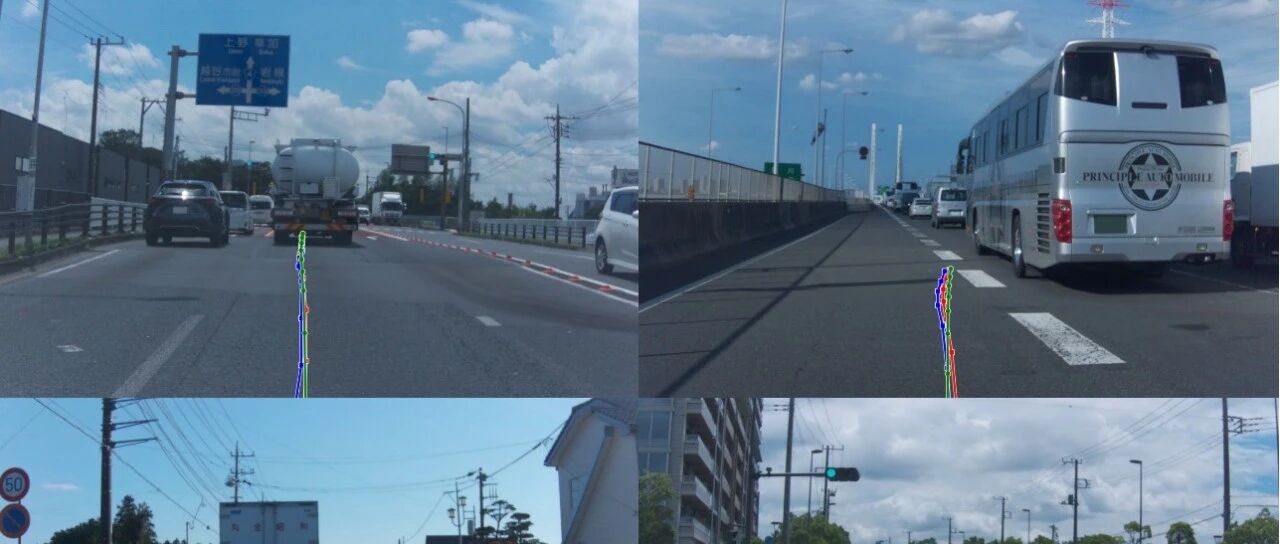
正式开课!7个Project搞懂端到端落地现状
自动驾驶之心· 2025-12-12 03:02
Core Insights - The article discusses the evolving recruitment landscape in the autonomous driving industry, highlighting a shift in demand from perception roles to end-to-end, VLA, and world model positions [2] - A new advanced course focused on end-to-end production in autonomous driving has been designed, emphasizing practical applications and real-world experience [2][4] Course Overview - The course is structured into eight chapters, covering various aspects of end-to-end algorithms, including task overview, two-stage and one-stage frameworks, navigation information applications, reinforcement learning, trajectory optimization, and production experience sharing [5][7][8][9][10][11][12][13][14] - The first chapter introduces the integration of perception tasks and learning-based control algorithms, which are essential skills for companies in the end-to-end era [7] - The second chapter focuses on the two-stage end-to-end algorithm framework, discussing its modeling and information transfer between perception and planning [8] - The third chapter covers one-stage end-to-end algorithms, emphasizing their performance advantages and various frameworks [9] - The fourth chapter highlights the critical role of navigation information in autonomous driving and its integration into end-to-end models [10] - The fifth chapter introduces reinforcement learning algorithms, addressing the limitations of imitation learning and the need for generalization [11] - The sixth chapter involves practical projects on trajectory output optimization, combining imitation and reinforcement learning [12] - The seventh chapter discusses post-processing logic for trajectory smoothing and reliability in production [13] - The final chapter shares production experiences from multiple perspectives, focusing on tools and strategies for real-world applications [14] Target Audience - The course is aimed at advanced learners with a foundational understanding of autonomous driving algorithms, reinforcement learning, and programming skills [15][17]
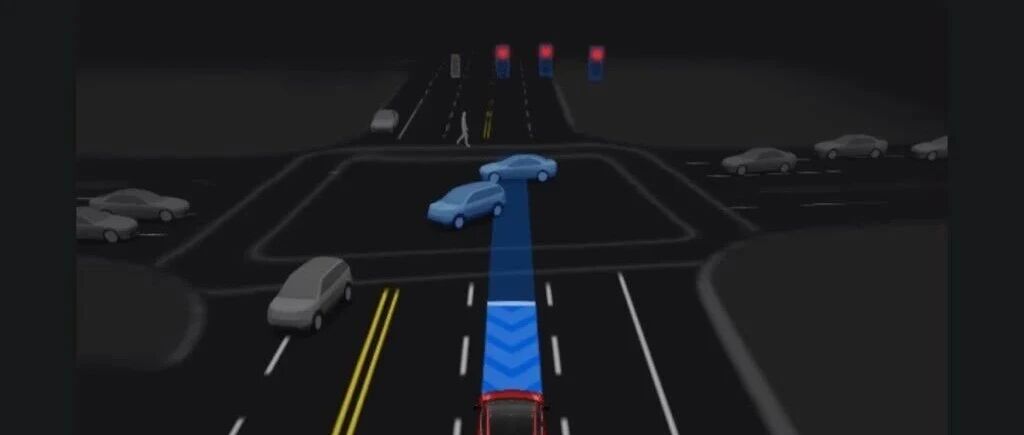
端到端落地小班课:核心算法&实战讲解(7个project)
自动驾驶之心· 2025-12-09 19:00
Core Insights - The article discusses the evolving recruitment landscape in the autonomous driving sector, highlighting a shift in demand from perception roles to end-to-end, VLA, and world model positions [2] - A new advanced course focused on end-to-end production in autonomous driving has been designed, emphasizing practical applications and real-world experience [2][4] Course Overview - The course is structured to cover various core algorithms, including one-stage and two-stage end-to-end methods, navigation information applications, reinforcement learning, and trajectory optimization [2] - The course aims to provide in-depth knowledge and practical skills necessary for production in autonomous driving, with a focus on real-world applications and challenges [2][4] Chapter Summaries - **Chapter 1: Overview of End-to-End Tasks** Discusses the integration of perception tasks and the learning-based design of control algorithms, which are essential skills for companies in the end-to-end era [7] - **Chapter 2: Two-Stage End-to-End Algorithm Framework** Introduces the modeling methods of two-stage frameworks and the information transfer between perception and planning, including practical examples [8] - **Chapter 3: One-Stage End-to-End Algorithm** Focuses on one-stage frameworks that allow for lossless information transfer, presenting various methods and practical learning experiences [9] - **Chapter 4: Production Application of Navigation Information** Covers the critical role of navigation information in autonomous driving, detailing mainstream navigation map formats and their integration into models [10] - **Chapter 5: Introduction to RL Algorithms in Autonomous Driving** Explains the necessity of reinforcement learning in conjunction with imitation learning to enhance the model's ability to generalize [11] - **Chapter 6: Trajectory Output Optimization** Engages participants in practical projects focusing on algorithms based on imitation learning and reinforcement learning [12] - **Chapter 7: Safety Net Solutions - Spatiotemporal Joint Planning** Discusses post-processing logic to ensure model accuracy and stability in trajectory outputs, introducing common smoothing algorithms [13] - **Chapter 8: Experience Sharing on End-to-End Production** Provides insights on practical experiences in production, addressing data, models, scenarios, and strategies for system capability enhancement [14] Target Audience - The course is aimed at advanced learners with a foundational understanding of autonomous driving algorithms, reinforcement learning, and programming skills [15][17]
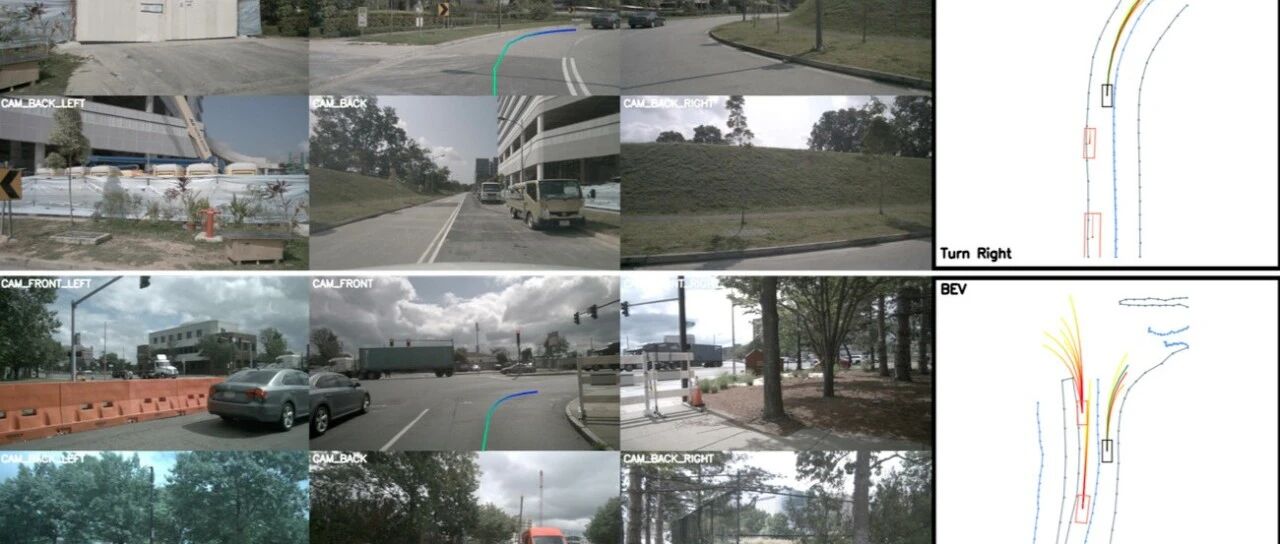
最近,自动驾驶的岗位招聘有一些新的变化......
自动驾驶之心· 2025-12-03 00:04
Core Viewpoint - The article discusses the evolving recruitment demands in the autonomous driving sector, highlighting a shift from perception roles to end-to-end, VLA, and world model positions, indicating a broader technical skill requirement for candidates [1][2]. Group 1: Course Overview - The course titled "End-to-End Practical Class for Mass Production" focuses on practical applications in autonomous driving, covering various algorithms and real-world production experiences [2][3]. - The course is designed for a limited number of participants, with only 25 spots available, emphasizing a targeted approach to training [2][3]. Group 2: Course Structure - Chapter 1 introduces the overview of end-to-end tasks, discussing the integration of perception tasks and the learning-based control algorithms that are becoming mainstream [6]. - Chapter 2 covers the two-stage end-to-end algorithm framework, explaining the modeling methods and the information transfer between perception and planning [7]. - Chapter 3 focuses on the one-stage end-to-end algorithm framework, highlighting its advantages in information transmission and introducing various one-stage framework solutions [8]. - Chapter 4 discusses the application of navigation information in autonomous driving, detailing the formats and encoding methods of navigation maps [9]. - Chapter 5 introduces reinforcement learning algorithms, emphasizing the need for these methods to complement imitation learning in autonomous driving [10]. - Chapter 6 involves practical projects on trajectory output optimization, combining imitation learning and reinforcement learning techniques [11]. - Chapter 7 presents fallback solutions through spatiotemporal planning, focusing on trajectory smoothing algorithms to enhance output reliability [12]. - Chapter 8 shares mass production experiences, analyzing how to effectively use tools and strategies to improve system capabilities [13]. Group 3: Target Audience and Requirements - The course is aimed at advanced learners with a foundational understanding of autonomous driving algorithms, though those with weaker backgrounds can still participate [14][15]. - Participants are required to have access to a GPU with recommended specifications and familiarity with various algorithms and programming languages [15].
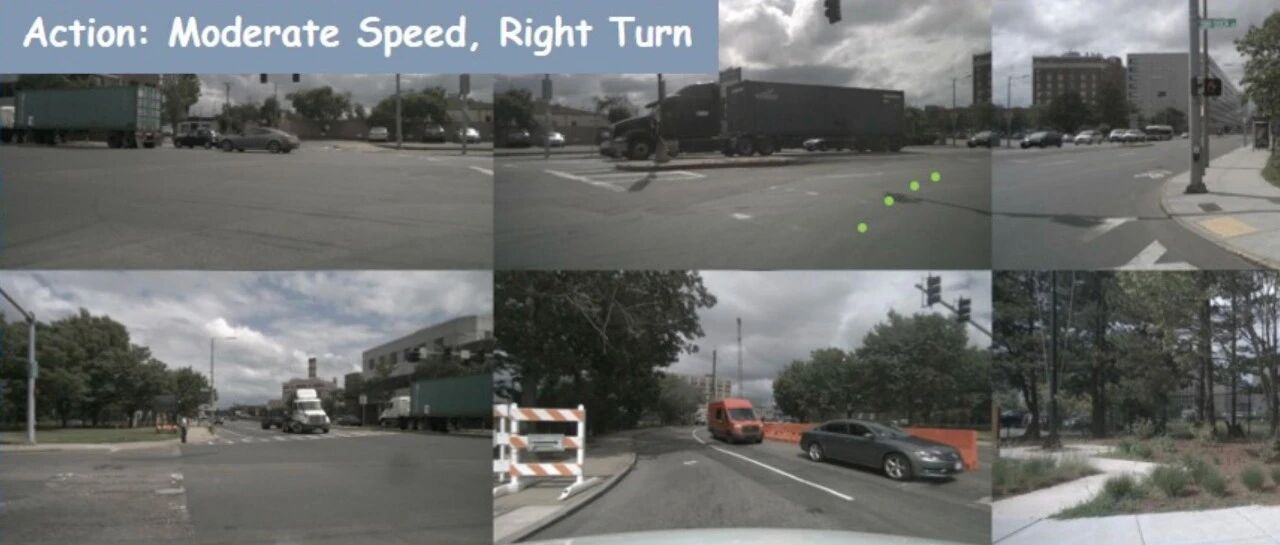
明日开课!端到端量产究竟在做什么?我们筹备了一门落地课程...
自动驾驶之心· 2025-11-29 02:06
Core Viewpoint - The article emphasizes the importance of end-to-end production in the automotive industry, highlighting the scarcity of qualified talent and the need for comprehensive training programs to address various challenges in this field [1][3]. Course Overview - The course is designed to cover essential algorithms related to end-to-end production, including single-stage and two-stage frameworks, reinforcement learning applications, and trajectory optimization [3][9]. - It aims to provide practical experience and insights into production challenges, focusing on real-world applications and expert guidance [3][16]. Course Structure - Chapter 1 introduces the overview of end-to-end tasks, discussing the integration of perception and control algorithms, and the importance of efficient data handling [9]. - Chapter 2 focuses on the two-stage end-to-end algorithm framework, explaining its modeling and information transfer processes [10]. - Chapter 3 covers the single-stage end-to-end algorithm framework, emphasizing its advantages in information transmission and performance [11]. - Chapter 4 discusses the application of navigation information in autonomous driving, detailing the formats and encoding methods of navigation maps [12]. - Chapter 5 introduces reinforcement learning algorithms, highlighting their necessity in complementing imitation learning for better generalization [13]. - Chapter 6 involves practical projects on trajectory output optimization, combining imitation and reinforcement learning techniques [14]. - Chapter 7 presents fallback strategies for trajectory planning, focusing on smoothing algorithms to enhance output reliability [15]. - Chapter 8 shares production experiences from various perspectives, offering strategies for optimizing system capabilities [16]. Target Audience - The course is aimed at advanced learners with a foundational understanding of autonomous driving algorithms, reinforcement learning, and programming skills [17][18].