一元剧场

Search documents
期待“一元剧场”叫好又叫座
Jing Ji Ri Bao· 2025-12-10 00:07
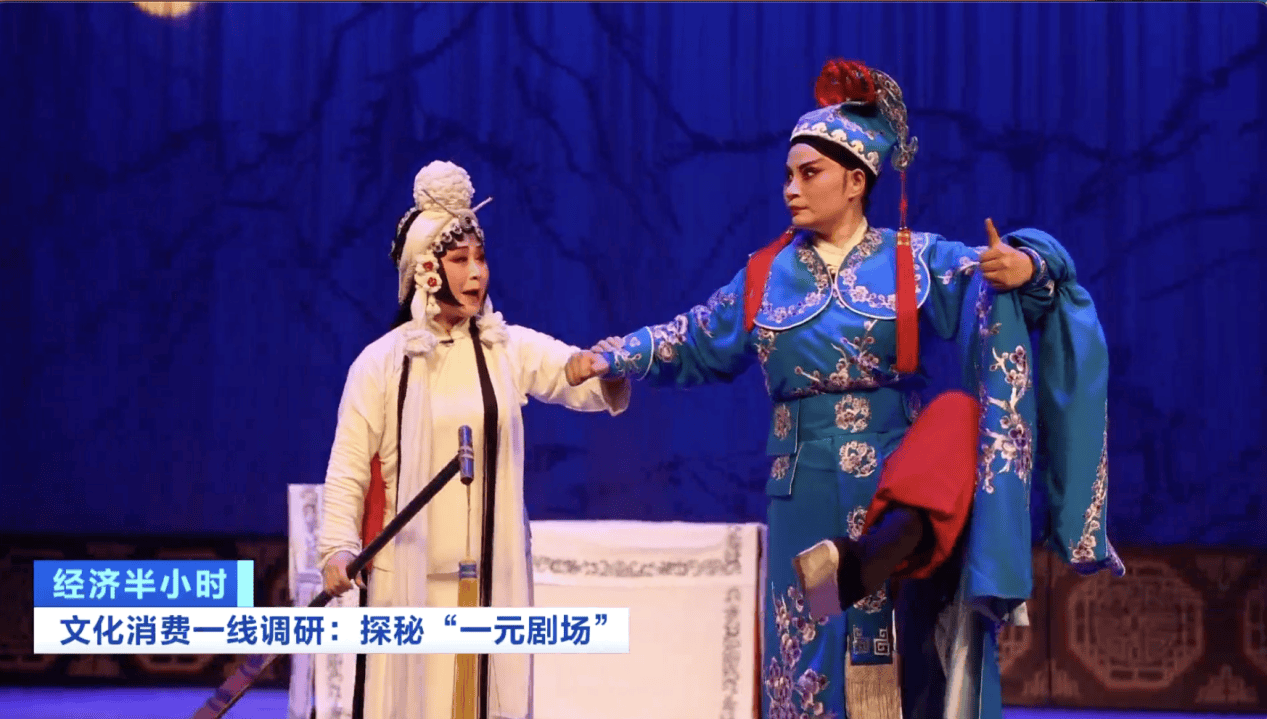
Core Insights - The "One Yuan Theater" model is gaining popularity in various regions, providing a beneficial exploration for the performance market's penetration and the dissemination of traditional culture [1] - This model allows audiences to enjoy high-quality performances at a low cost, fostering a new cultural consumption habit [1] - The cultural consumption landscape is evolving, with traditional art forms facing challenges due to high ticket prices and limited performances [1][2] Group 1 - The "One Yuan Theater" offers a series of affordable performances, such as Qin opera, allowing local audiences to experience cultural events without significant financial burden [1] - The model aims to bridge the gap between art and daily life, making applause and box office success no longer contradictory [1] - There is a need for a balance between maintaining artistic standards and making performances accessible to the public, ensuring that lowering ticket prices does not equate to a decline in quality [1] Group 2 - The low ticket price of one yuan may not cover the performance costs, potentially leading to financial losses for theaters [2] - Government support and subsidies are essential for sustaining theater vitality and promoting the creative transformation of traditional culture [2] - Successful strategies for enhancing audience engagement include refining classic performances, introducing new works, and increasing interaction between actors and audiences [2]
“一元剧场”,缘何叫好又叫座?
Jing Ji Wang· 2025-11-22 03:28
Core Viewpoint - The "One Yuan Theater" model has gained popularity in various regions, providing affordable access to traditional opera, thus promoting cultural transmission and addressing public cultural service needs [1][2][3]. Group 1: Cultural Impact - The "One Yuan Theater" initiative allows audiences to enjoy traditional performances at a minimal cost, effectively bridging the gap between the public and the arts [1]. - This model has revitalized traditional opera, attracting a large audience and creating new opportunities for the preservation and promotion of cultural heritage [2]. - Young actors are gaining valuable experience through increased performance opportunities, addressing issues of talent loss and industry gaps [2]. Group 2: Public Cultural Services - The initiative exemplifies a combination of government support, market operations, and social participation in public cultural service provision [3]. - Various regions are mobilizing social organizations and businesses to support cultural events, ensuring sustainability through community involvement and funding [3]. - The "One Yuan Theater" not only delivers cultural experiences but also fosters community engagement, allowing local audiences to participate actively in the arts [3]. Group 3: Community Engagement - The success of the "One Yuan Theater" lies in its ability to engage the community, making them both audience members and active participants in cultural activities [3][4]. - By encouraging local involvement, the initiative helps to root cultural practices within the community, ensuring long-term sustainability and appreciation of the arts [4].
“一元剧场”叫好又叫座(热议)
Ren Min Ri Bao· 2025-11-20 22:21
Core Insights - The "One Yuan Theater" model has gained popularity in various regions, allowing audiences to enjoy traditional performances at a minimal cost, thus addressing the issues of accessibility and affordability in cultural services [1][2][3] Group 1: Cultural Impact - The "One Yuan Theater" initiative is designed to bridge the gap between traditional arts and the community, making cultural experiences more accessible to the public [1][2] - This model has revitalized traditional opera by attracting a large audience, providing new opportunities for the preservation and promotion of these art forms [2][3] - Young actors are gaining valuable experience through increased performance opportunities, helping to mitigate issues of talent loss and industry gaps [2][3] Group 2: Public Cultural Services - The initiative exemplifies a combination of government support, market operations, and social participation, which is becoming a mainstream model for public cultural service provision [3] - Various regions are mobilizing social organizations and businesses to support cultural activities, ensuring sustainability through community involvement and funding [3] - The "One Yuan Theater" not only delivers cultural experiences but also fosters community engagement, allowing local residents to participate actively in performances and cultural discussions [3][4] Group 3: Community Engagement - The success of the "One Yuan Theater" relies on active community participation, where audiences are not just passive viewers but also contributors to the cultural landscape [3][4] - The initiative emphasizes the importance of cultural practices being centered around people, ensuring that cultural development resonates with the community [4]
演出市场“冷热不均”如何破局?看“一元剧场”的经济账本
Sou Hu Cai Jing· 2025-10-03 00:51
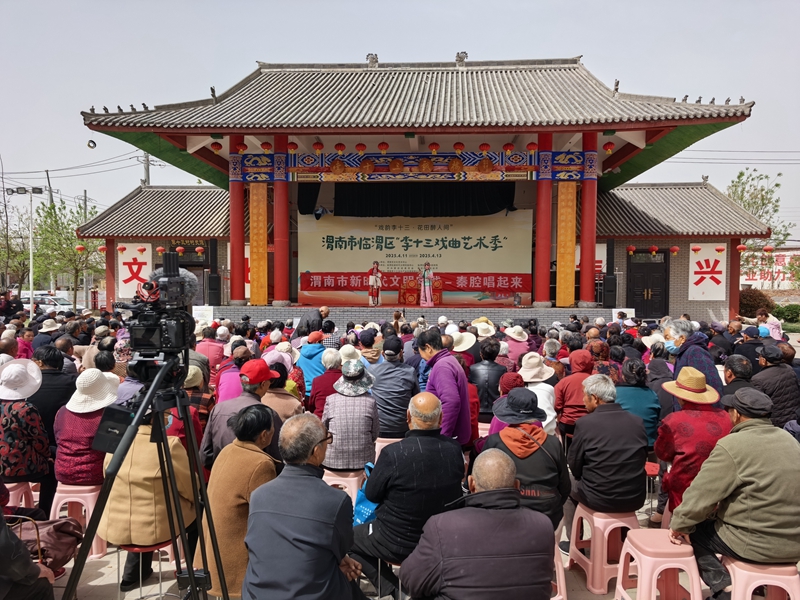
Core Viewpoint - The article discusses the booming performance market in China, projected to reach a box office revenue of 57.954 billion yuan in 2024, while highlighting issues such as high ticket prices and an imbalance between large and small cities in terms of performance offerings [1] Group 1: Challenges in the Performance Market - The performance market faces challenges including high commercial ticket prices and a severe lack of affordable performances in grassroots settings, leading to a "hot in big cities, cold in small cities" phenomenon [1] - In the past, the city of Weinan struggled with a lack of performances despite having rich cultural resources, resulting in a situation where even renowned performances went unnoticed [3] Group 2: Innovative Solutions - In 2007, Weinan initiated a one-yuan performance model to address these challenges, focusing on government support, corporate partnerships, and community benefits [5] - The one-yuan theater model quickly gained popularity, with tickets selling out within half an hour during its first performance, reigniting the passion of performers [7] Group 3: Impact of One-Yuan Theater - The Weinan Qin Opera Troupe now performs around 200 shows annually, with approximately 120 being one-yuan performances, effectively addressing the issues of affordability and accessibility for the audience [9] - The local government provides subsidies of 4,000 to 6,000 yuan per performance, although the troupe still faces financial challenges and seeks corporate sponsorship [10] Group 4: Community Engagement and Cultural Revival - The increase in performance opportunities has led to a rise in income and interest in Qin Opera among younger generations, with new performers joining the troupe [18] - In Chongqing's Kaizhou District, the "One Yuan Theater" concept has been adapted to create a community stage, allowing ordinary people to participate in performances [20] Group 5: Future Prospects and Economic Integration - The "One Yuan Theater" model is expanding across various regions, breaking down barriers between culture and audiences, and becoming a significant driver for consumption and cultural heritage [27] - Future plans include transforming theater traffic into sustainable consumer power through IP development, cultural tourism integration, and platform economy strategies [25]

“一元剧场”叫好又叫座
Jing Ji Ri Bao· 2025-09-20 00:50
Core Viewpoint - The "One Yuan Theater" initiative provides affordable cultural services to the public, enhancing access to high-quality artistic performances while promoting cultural engagement among communities [1][2] Group 1: Government Support and Public Engagement - The government subsidizes performances, exemplified by a subsidy of 10,000 yuan per show in Cao County, Shandong, maintaining a ticket price of 1 yuan for six years, benefiting over 200,000 attendees [1] - The low ticket price of 1 yuan effectively attracts more audiences and enriches the cultural life of the community, allowing more people to appreciate the art [1][2] Group 2: Cultural Policy Effectiveness - The popularity of the "One Yuan Theater" reflects the precision and effectiveness of cultural welfare policies, supporting local theatrical arts and fostering public interest in culture [2] - The initiative encourages broad participation in the arts, leading to a more vibrant cultural innovation and creation process [2] Group 3: Future Development and Sustainability - There is a need to enhance the self-sustaining capabilities of artistic groups and promote a healthy cycle in the theater market, potentially through corporate sponsorships [2] - The success of the "One Yuan Theater" can serve as a model for other cultural initiatives, such as "One Yuan Movies" or "One Yuan Exhibitions," tailored to local resources and community needs [2]
秦音起山河
Ren Min Wang· 2025-09-01 11:38
Core Insights - The article highlights the cultural initiatives in Shaanxi province, particularly focusing on the "One Yuan Theater" project in Weinan, which aims to enhance cultural accessibility and engagement among the local population through affordable performances [4][5][6]. Group 1: Cultural Initiatives - The "One Yuan Theater" project has organized over 36,000 performances in the past year, generating revenue of 1.49 billion yuan, showcasing a successful blend of cultural outreach and economic viability [2][5]. - Shaanxi province has implemented a comprehensive cultural supply model, evolving from "sending culture to the countryside" to "promoting cultural outreach," which has significantly increased cultural engagement among the populace [2][5][6]. - The province has seen a total of over 52,250 performances by 2024, with an online audience exceeding 25.76 million, indicating a robust cultural consumption trend [5]. Group 2: Cultural Heritage and Preservation - The article discusses the revival of traditional folk songs in Shaanxi, with a focus on the establishment of a protective framework for intangible cultural heritage, including an annual budget of 30 million yuan for heritage protection in Yulin [10][11]. - The establishment of various cultural institutions, such as the Shaanxi Folk Song Museum, has attracted over 200,000 visitors, reflecting a growing interest in local cultural heritage [10]. - Legislative efforts have been made to protect and promote folk songs, with specific regulations enacted in cities like Ankang, marking a collaborative approach to cultural preservation [11]. Group 3: Economic Impact of Cultural Activities - The integration of cultural activities with tourism has led to a significant increase in visitor numbers, with 9.2 million attendees at cultural performances in the first half of the year, positioning Shaanxi as a leader in cultural tourism [14]. - The cultural and related industries' contribution to the GDP has risen from 6.11% in 2021 to 6.57% in 2024, indicating a positive trend in the economic impact of cultural initiatives [15]. - The province has seen the establishment of 1,674 new cultural and related industry entities, reflecting a growing investment in cultural infrastructure and services [15].