三元锂

Search documents
曾毓群/徐金富/付文辉/白厚善/石俊峰论道锂电高质量发展
高工锂电· 2025-11-25 11:32
Core Insights - The Chinese lithium battery industry has entered a new phase of high-quality development, focusing on long-termism, technological innovation, and global layout [2][3][5] - Key industry leaders discussed the importance of maintaining industry self-discipline and avoiding price wars that harm reputation and competitiveness [5][12][13] Group 1: Industry Characteristics - Lithium batteries are integral to the energy sector, with rising global electricity demand and a significant increase in China's new electricity consumption [6] - The penetration rate of new energy vehicles in China remains high, with emerging fields like electric commercial vehicles and data centers contributing to growth [6][7] Group 2: Innovation and Technology - The growth potential of the lithium battery sector is heavily reliant on innovation capabilities, with past advancements driven by breakthroughs in materials and systems [8][10] - Current innovation deficiencies could weaken future competitiveness, necessitating long-term investment in materials and chemical systems [10] Group 3: Manufacturing and Employment - The manufacturing sector must maintain reasonable profit expectations and promote high-quality employment, allowing workers to grow their skills and wealth [11] - Some companies are criticized for using outdated testing methods and production lines, which may yield short-term financial gains but are ultimately unsustainable [11][12] Group 4: Company Strategies - Companies like Tianci Materials and Rongbai Technology are focusing on technological differentiation and global expansion to adapt to the new cycle of value return [16][17][26] - Tianci Materials has achieved significant market share in electrolyte production and is investing in solid-state battery technology and innovative materials [17][19] Group 5: Future Trends - The storage market is expected to grow significantly, driven by advancements in battery technology and the decreasing costs of solar power [27] - By 2035, the demand ratio for lithium iron phosphate and sodium-ion battery materials is projected to shift to 4:6, indicating a trend towards more cost-effective materials [29] Group 6: Globalization and ESG - Companies are adopting global strategies, with a focus on vertical integration and establishing a global presence to meet increasing demand [30][31] - ESG (Environmental, Social, Governance) considerations are becoming a foundational aspect of corporate strategies, promoting sustainable development and enhancing the industry's global image [31]



镍,五年之内重新起航
3 6 Ke· 2025-05-15 23:37
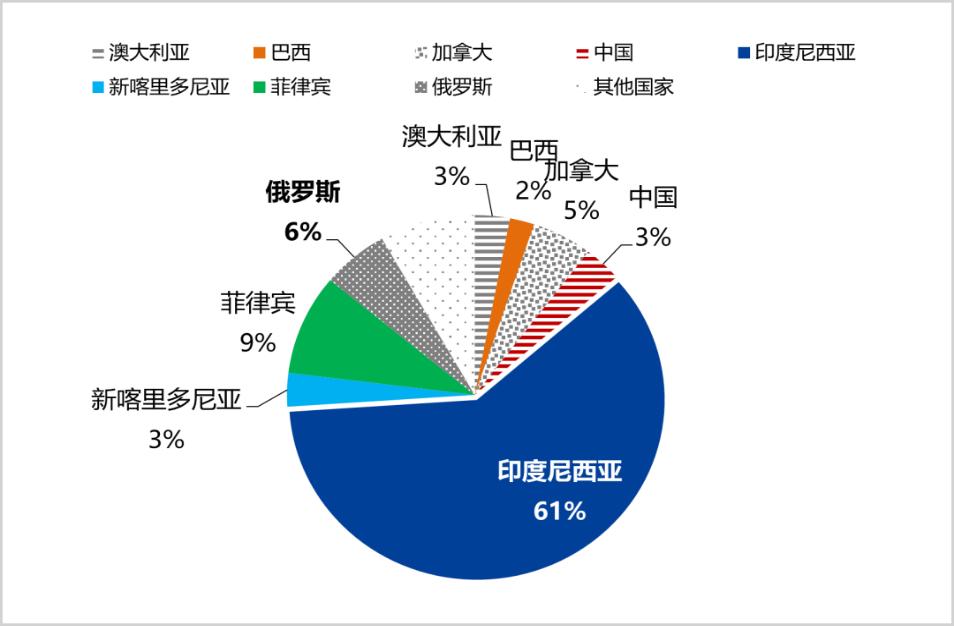
Core Viewpoint - The nickel market is currently facing significant challenges, but there is potential for recovery and growth in the next five years, particularly driven by advancements in solid-state battery technology [1] Supply Expansion and Market Dynamics - Indonesia has become the dominant player in the global nickel industry, with its nickel ore resources primarily consisting of high-grade laterite nickel, accounting for over 60% of global nickel production by 2024 [2][4] - From 2015 to 2022, Indonesia's nickel production increased from 130,000 tons to 1.6 million tons, representing a 144% share of the global increase in nickel production during that period [2] - The recent increase in nickel prices has led to a situation where prices are nearing or below production costs, prompting a market correction [4] Demand Side and Battery Technology - The shift from ternary lithium batteries to lithium iron phosphate (LFP) batteries has reduced the demand for nickel, as LFP batteries do not require nickel [5][7] - Solid-state batteries, expected to be commercially available between 2027 and 2030, could significantly increase nickel demand due to their higher energy density and longer lifespan [9] - The anticipated demand for nickel in solid-state batteries could lead to a substantial increase in overall nickel consumption, with projections indicating a potential shortage by 2030 [10] Industry Outlook and Opportunities - Chinese companies have established a strong presence in the nickel supply chain, positioning themselves to benefit from future market shifts [10][11] - Companies like Grinm and others are expanding their production capabilities, with Grinm expected to increase its nickel output from 51,600 tons in 2024 to over 216,000 tons by 2027 [11] - The current market challenges may serve as a foundation for future growth, as companies that endure the downturn could emerge stronger in the next cycle [11]