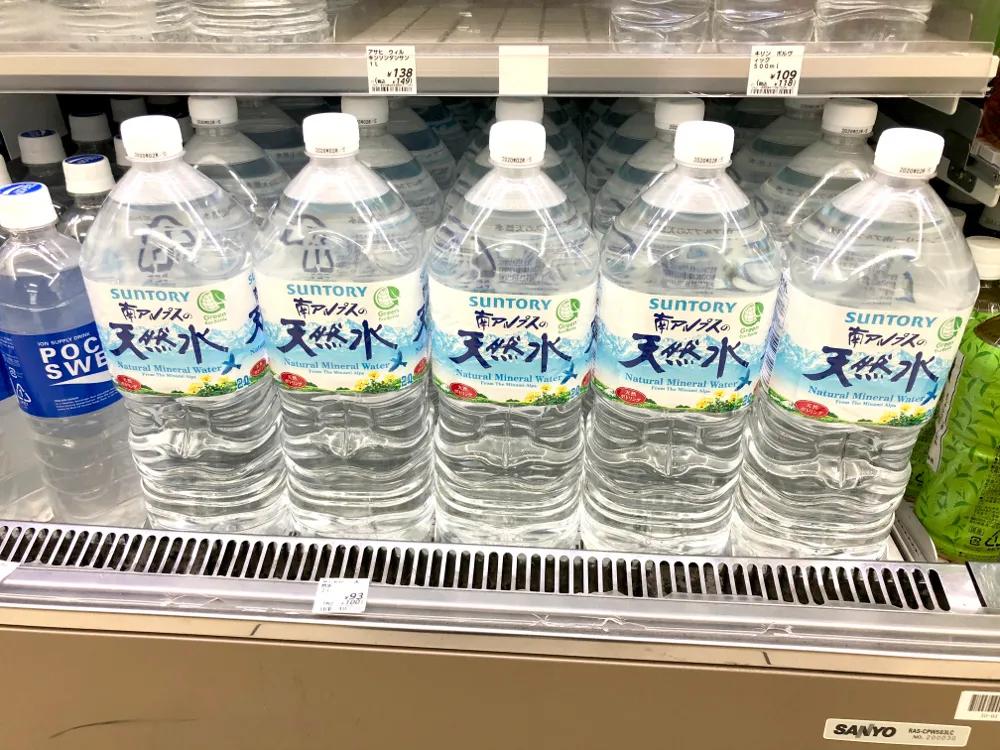
三得利天然水

Search documents
价格补贴、反内卷与产能过剩
虎嗅APP· 2025-10-07 13:11
Group 1 - The article discusses the phenomenon of price competition and overcapacity in various industries, using oil, water, and milk as case studies [5] - The first case study focuses on the oil crisis of the 1970s, highlighting how low oil prices prior to the crisis led to a significant change in consumer behavior and the automotive industry in the U.S. [6][10] - It explains that the low oil prices were not solely due to exploitation by capitalist countries but were also driven by the need to expand market size and create consumer habits [9] Group 2 - The second case study examines the pricing strategies in Japan's retail sector, particularly the phenomenon where 2L bottled water is cheaper than 550ml, illustrating competitive pricing and consumer sensitivity [11][13] - It notes that this pricing strategy is a result of long-term deflation and competitive pressure, leading to a situation where retailers use lower-priced larger bottles to attract customers [12][14] Group 3 - The final case study addresses the "milk dumping" incidents during the Great Depression in the U.S., where milk was discarded instead of being distributed to those in need [16][21] - It outlines the complexities behind this phenomenon, including actions taken by farmers, industry associations, and government interventions aimed at stabilizing milk prices [17][19]


550mL水卖108日元,2L水却卖100日元,日本便利店的水定价怎么“反常识”?
3 6 Ke· 2025-06-16 01:48
Core Insights - The pricing of bottled water in Japanese convenience stores shows a unique phenomenon where larger 2L bottles are often cheaper than smaller 550mL bottles, which is contrary to typical pricing strategies observed in other markets [1][3][9]. Pricing Strategy - In Japanese convenience stores, the price of 2L Suntory natural water is 100 yen, while the 550mL version is priced at 108 yen, highlighting a common trend where larger packages are more cost-effective [1][7]. - The official pricing for 550mL bottled water from brands like Suntory and Coca-Cola ranges from 130 to 140 yen, while 2L bottles are priced between 270 to 336 yen, indicating significant discounts in convenience stores [5][6]. Market Dynamics - The pricing strategy reflects a shift in consumer behavior and market dynamics, where price sensitivity has increased due to stagnant wage growth and rising competition in the retail sector [9][14]. - The bottled water market in Japan has seen a general decline in prices over the past two decades, with the price of 2L Suntory water dropping from 200 yen in 1997 to 90 yen in 2017 [11][14]. Consumer Behavior - Consumers in Japan are increasingly drawn to larger, more economical packaging options, particularly in convenience stores, which cater to both immediate needs and bulk purchasing [18][20]. - The convenience store market has adapted by lowering prices on 2L bottles to compete with supermarkets, ensuring that they attract consumers looking for bulk purchases [18][20]. Competitive Landscape - The competitive landscape has led to a phenomenon where convenience stores offer lower prices for 2L bottled water compared to supermarkets, which is atypical for retail pricing strategies [17][20]. - Retailers are focusing on maintaining market share by adjusting pricing strategies, often involving promotional discounts and sales incentives to drive volume [14][20].