三得利无糖乌龙茶

Search documents
中国人最爱喝的饮料,大多数都不及格
虎嗅APP· 2026-01-03 13:35
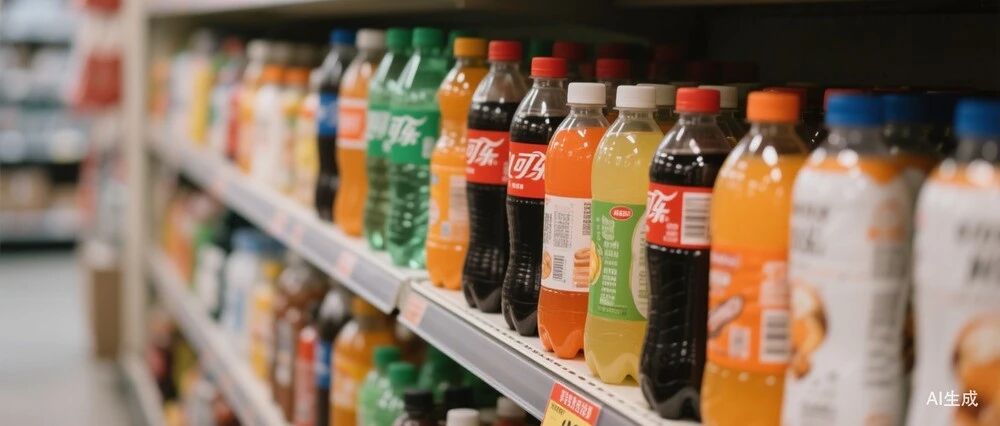
Core Viewpoint - Shanghai is implementing a beverage "nutritional choice" grading system, marking a national first aimed at reducing sugar consumption, particularly from sugary drinks [4][5][6]. Group 1: Grading System Overview - The grading system categorizes beverages into four levels: A, B, C, and D, with A being the healthiest and D the least healthy [9]. - Manufacturers are required to label C and D grade beverages, effectively informing consumers about their health risks [9][10]. - The grading is based on three criteria: sugar content, saturated fat content, and the presence of non-sugar sweeteners [10]. Group 2: Comparison with Singapore - Singapore has already implemented a similar grading system since late 2022, which has now expanded to include freshly prepared drinks [5][6]. - The Singaporean system is considered one of the strictest globally, with penalties for non-compliance, including advertising bans for D grade beverages [14]. Group 3: Health Implications - The average sugar intake in Singapore is significantly above the World Health Organization's recommended limit, with many people consuming around 60 grams daily, primarily from sugary drinks [37]. - In contrast, China's average daily sugar intake is lower, at about 21 grams, suggesting that the grading system could be beneficial if adapted [38][42]. Group 4: Beverage Analysis - Common beverages like carbonated drinks and fruit juices often fall into C or D grades due to high sugar content, while unsweetened teas and sodas are more likely to achieve A grades [24][30]. - The grading system may not favor certain products like full-fat milk, which could receive lower grades due to saturated fat content, despite their nutritional benefits [26][29]. Group 5: Consumer Behavior and Alternatives - The rise of non-sugar sweeteners in beverages is a response to sugar reduction efforts, but their health implications are still debated [49][52]. - The World Health Organization has raised concerns about the potential health risks associated with excessive consumption of non-sugar sweeteners, suggesting that moderation is key [54][55].

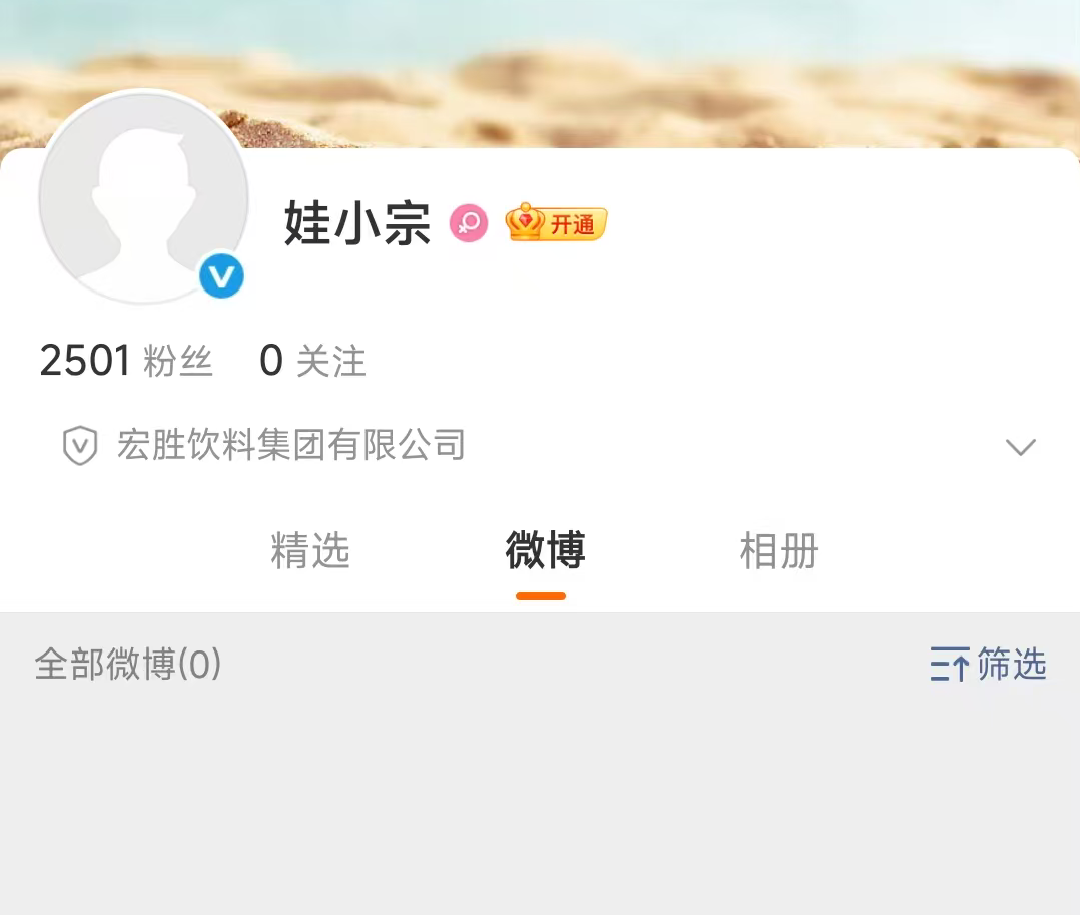
宗馥莉辞职后,“娃小宗”微博账号上线!挑战娃哈哈任重道远
2 1 Shi Ji Jing Ji Bao Dao· 2025-10-11 06:14
Core Viewpoint - The recent resignation of Zong Fuli from Wahaha Group and her establishment of a new brand "Wawa Xiaozong" indicates a significant shift in the company's leadership and branding strategy, amidst ongoing internal turmoil within Wahaha Group [3][4]. Group 1: Company Developments - Zong Fuli has resigned from her positions as legal representative, director, and chairman of Wahaha Group, with confirmation from the company regarding her departure [3]. - The new brand "Wawa Xiaozong" has been registered and is positioned to enter the sugar-free tea market, which is highly competitive with established brands like Nongfu Spring and Coca-Cola [4][5]. - The internal document from Wahaha Group indicates a strategic shift towards the new brand due to compliance issues with the Wahaha trademark, suggesting a long-term plan for brand transition [4]. Group 2: Market Challenges - Analysts highlight the intense competition in the beverage industry, suggesting that Zong Fuli may underestimate the challenges of establishing a new brand in a saturated market [5][6]. - The timeline for brand recognition and acceptance is lengthy, with significant hurdles in securing distributors and ensuring product turnover, which may hinder the success of "Wawa Xiaozong" [6]. - The brand's initial focus on the beverage sector raises questions about potential competition with Wahaha's existing product lines, complicating market positioning [5].

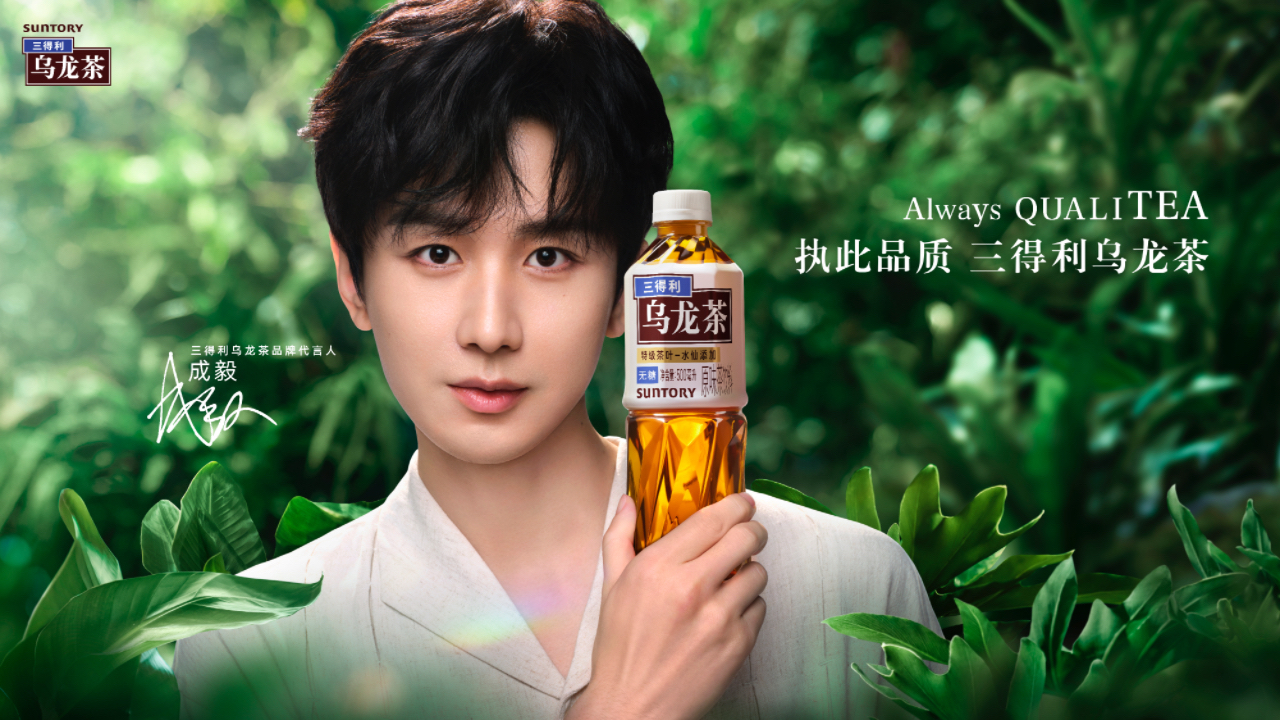
执此品质,三得利乌龙茶 三得利乌龙茶官宣品牌代言人成毅
Zhong Guo Shi Pin Wang· 2025-05-11 13:12
Group 1 - Suntory Oolong Tea has appointed Cheng Yi as its brand ambassador, aligning his serious and professional image with the brand's high-quality positioning [1][2] - The brand has launched a new advertisement campaign titled "With This Quality, Suntory Oolong Tea," injecting fresh energy into its premium tea beverage offerings [1][2] - Since entering the Chinese market in 1997, Suntory Oolong Tea has focused on creating high-quality products, including its classic no-sugar Oolong tea made from premium Fujian tea leaves [2][3] Group 2 - Suntory Oolong Tea has introduced various flavored Oolong series products, such as Jasmine Oolong, Orange Peel Oolong, and Osmanthus Oolong, to meet consumer demand for innovative flavors [2][3] - In response to the trend of more refined tea beverage consumption, Suntory Oolong Tea plans to explore new flavor innovations, including the development of "Pure Tieguanyin with Elegant Orchid Aroma" by 2025 [2][3] - The collaboration with Cheng Yi is based on a shared commitment to quality and long-term vision, aiming to present high-quality tea to a broader audience [2][3]