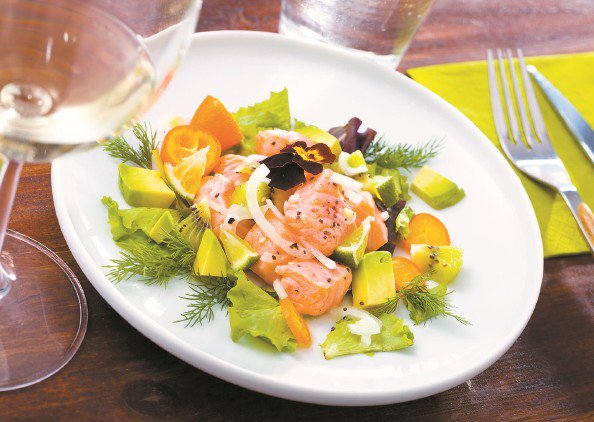
三文鱼牛油果沙拉

Search documents
品质生活跃迁 从盒区房看中国城市新消费图景
Bei Jing Shang Bao· 2026-01-09 11:01
Core Insights - The report by Hema outlines a significant shift in China's consumption landscape, highlighting the movement of consumer spending from first-tier cities to emerging markets, indicating a trend of "consumption equality" and a redefinition of quality of life [1][7] Group 1: Emerging Market Trends - Emerging cities are experiencing a transformation in consumption patterns, with a growing interest in health foods, coffee culture, outdoor activities, and artistic pursuits, which were previously associated with first-tier cities [3][5] - The "Box District Index" introduced in the report measures commercial vitality in emerging cities, showing indices like 171 for Shijiazhuang, 141 for Xuzhou, and 127 for Linyi, all significantly above the national average [7] - The demand for quality consumption in emerging cities is surging, with consumers seeking products and services that enhance their lifestyle and reflect individuality [6][12] Group 2: Health and Emotional Value in Consumption - Consumers are increasingly purchasing items that carry emotional significance, health benefits, and aesthetic appeal, moving beyond basic necessities [8][10] - The concept of "emotional value" is becoming a new standard for consumption, with consumers seeking products that provide comfort and self-affirmation in their busy lives [10][11] - Health-conscious products are gaining traction, with organic tea oil sales increasing by 40% in certain regions, reflecting a shift towards actionable health consumption [11] Group 3: Evolution of Consumption Spaces - The nature of consumption spaces is evolving from mere transaction points to multifaceted environments that blend shopping, experience, and social interaction [13][15] - Retail giants are adapting to the demand for experiential and social shopping environments, with traditional malls incorporating diverse activities to enhance customer engagement [15][16] - Hema is leveraging innovative service systems to integrate online and offline experiences, transforming physical spaces into vibrant commercial hubs [16]

三文鱼配牛油果 网红色拉搭配的健康法则
Xin Lang Cai Jing· 2026-01-07 06:53
Core Viewpoint - The article discusses the nutritional aspects and misconceptions surrounding salads, emphasizing that while they are perceived as healthy, they may not always provide balanced nutrition. Group 1: Popularity and Nutritional Potential of Salads - The popularity of salads is linked to modern demands for visual appeal, health labels, and convenience in dining [3] - A quality salad can offer significant nutritional benefits, including vitamins, minerals, dietary fiber, and high-quality proteins [3] Group 2: Nutritional Truths of Popular Combinations - The combination of salmon and avocado in salads provides healthy fats but requires careful portion control to avoid excessive calorie intake [4] - Processed ingredients like ham and cheese in salads often contain high sodium levels, necessitating caution in their consumption [4] Group 3: Common Pitfalls in Salad Consumption - Large portions of leafy greens may not equate to adequate vegetable intake, leading to insufficient dietary fiber [6] - Many salads either exclude carbohydrates or overload on various "healthy" grains, which can lead to imbalanced calorie intake [7] - Salad dressings can significantly increase calorie content, with common options like mayonnaise being particularly high in calories [8] - The cumulative effect of healthy fats from ingredients like avocado and nuts can lead to exceeding recommended fat intake [9] - Protein sources in salads are often minimal, which may not provide sufficient satiety and can lead to increased hunger shortly after eating [10] Group 4: Ideal Salad Composition - An ideal salad should include approximately 200 grams of vegetables to ensure adequate fiber and micronutrient intake [11] - Quality protein sources should be included in a palm-sized portion to enhance satiety [11] - A fist-sized portion of healthy carbohydrates should be incorporated for sustained energy [11] - Healthy fats should be used sparingly, such as a small amount of nuts or avocado [11] - Dressings should be light and used in moderation, preferably served on the side to control intake [11]