新中式审美

Search documents
到底是谁还在花钱?
创业家· 2026-01-16 10:16
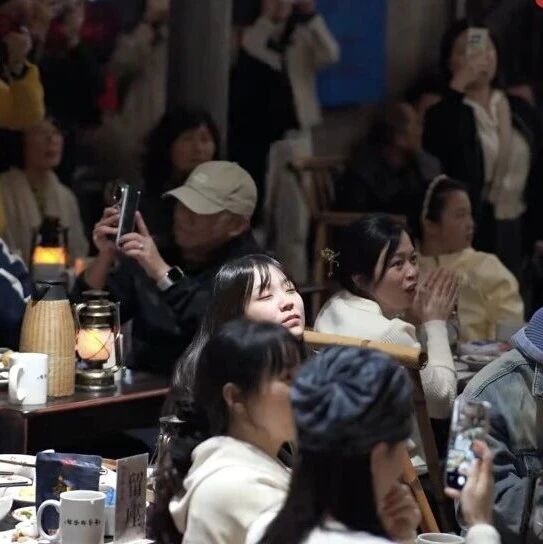
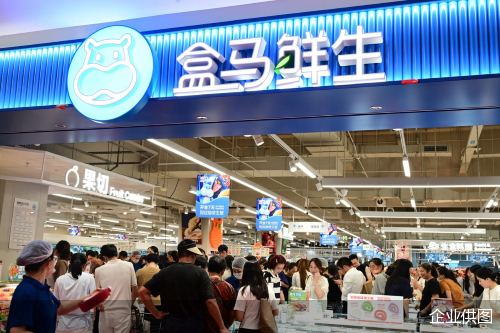
Core Insights - Emerging markets are beginning to dominate consumer discourse, with cities like Changsha leading new consumption trends due to a combination of reasonable income and leisure time [4][8][20] - The shift in consumer behavior is characterized by a move from seeking external validation to pursuing self-value and emotional fulfillment, marking the beginning of China's fifth consumption era [22][24] Group 1: Consumption Trends - Cities like Changsha and Guiyang are becoming consumption leaders, with Changsha's comedy clubs and tea houses attracting significant foot traffic and demonstrating a willingness to spend on leisure [10][11][18] - The coffee culture in Guiyang has flourished, with over 3,000 coffee shops catering to a population of about 6 million, indicating a strong local demand for quality products [18] - Other cities like Yibin and Bengbu are also showing unique consumption patterns, such as high demand for fresh salmon and specialty cakes, reflecting a desire for quality and novelty in daily life [19][20] Group 2: Emotional and Health-Oriented Consumption - Emotional consumption is becoming a significant driver, with the market expected to grow from 2.31 trillion yuan in 2024 to 2.72 trillion yuan in 2025, and surpassing 4.5 trillion yuan by 2029 [24] - Health-conscious consumption is on the rise, with 71% of consumers actively researching product ingredients, leading to increased sales of health-oriented products [26][29] - The trend of "self-reward" is evident, with sales of flowers and desserts increasing, indicating a shift towards more diverse and emotionally fulfilling purchases [25] Group 3: Market Dynamics and Brand Strategies - The consumer base is shifting from first-tier cities to emerging markets, with retail growth in lower-tier cities outpacing that of major urban centers [35][38] - Brands like Domino's Pizza are successfully tapping into these markets by offering affordable and innovative products, achieving record sales in new locations [40] - Retailers like Hema are expanding into new cities, focusing on high-end products to meet the evolving demands of consumers in these regions [41][45] Group 4: Supply Chain Innovations - Hema has established a robust supply chain with multiple centers and direct sourcing bases, enabling efficient distribution of fresh products to emerging markets [45] - The company is transforming local specialties into urban bestsellers, demonstrating the potential for regional products to gain national traction [45][46] - This new retail model positions companies as essential infrastructure, connecting global supply chains with local consumer needs [46]

到底是谁还在花钱?
虎嗅APP· 2026-01-13 10:11
Core Insights - The growth engine of China's consumer market is shifting from traditional first-tier cities to emerging cities, indicating a significant change in consumption patterns [4][17]. - Emerging cities like Changsha and Guiyang are leading new consumption trends, characterized by a willingness to spend and a focus on emotional value in purchases [9][19]. Group 1: Emerging Consumption Trends - Changsha has become a leader in new consumption trends, with unique entertainment options like comedy clubs and tea houses attracting consumers [11][12]. - Guiyang ranks second nationally in the willingness to spend on self-pleasure, with a thriving coffee culture despite not being a coffee-producing region [13]. - The 2025 Box District Consumption Power Report highlights surprising consumption behaviors in cities like Yibin and Bengbu, showcasing a desire for quality and novelty in food [14][15]. Group 2: Emotional and Health-Oriented Consumption - Emotional value is becoming a key driver of consumer behavior, with reports indicating that emotional experiences are now central to purchasing decisions [19][20]. - The emotional consumption market is projected to grow significantly, reaching 2.72 trillion yuan in 2025, reflecting a shift towards seeking self-value and emotional fulfillment [20]. - Health-conscious consumption is also on the rise, with 71% of consumers actively researching product ingredients before purchase, indicating a proactive approach to dietary health [23][25]. Group 3: Market Dynamics and Opportunities - The retail landscape is evolving, with brands adapting to the changing preferences of consumers in emerging cities, which are becoming the core growth engines for fast-moving consumer goods [36][38]. - Companies like Hema are expanding into emerging cities, focusing on high-end products to meet the growing demand for quality among local consumers [38][42]. - The success of innovative retail models and supply chain strategies is crucial for companies aiming to tap into the vast consumer base in these regions, highlighting the importance of addressing real consumer needs [43].
品质生活跃迁 从盒区房看中国城市新消费图景
Bei Jing Shang Bao· 2026-01-09 11:01
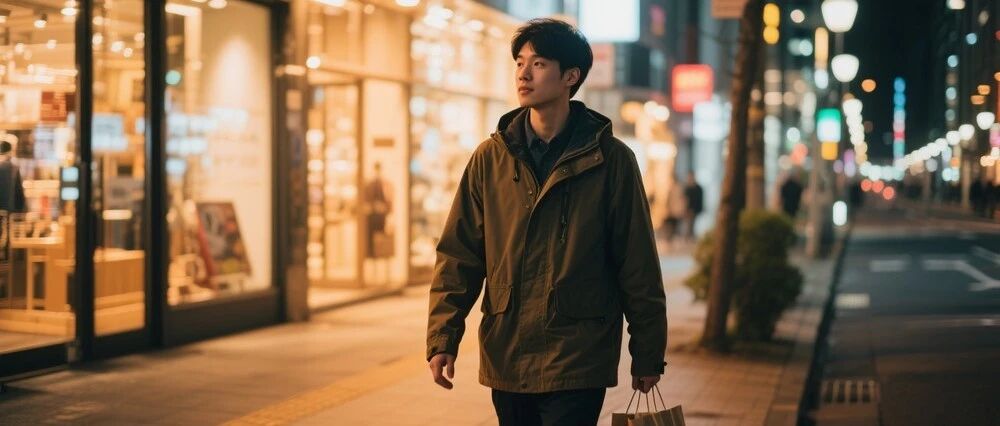
Core Insights - The report by Hema outlines a significant shift in China's consumption landscape, highlighting the movement of consumer spending from first-tier cities to emerging markets, indicating a trend of "consumption equality" and a redefinition of quality of life [1][7] Group 1: Emerging Market Trends - Emerging cities are experiencing a transformation in consumption patterns, with a growing interest in health foods, coffee culture, outdoor activities, and artistic pursuits, which were previously associated with first-tier cities [3][5] - The "Box District Index" introduced in the report measures commercial vitality in emerging cities, showing indices like 171 for Shijiazhuang, 141 for Xuzhou, and 127 for Linyi, all significantly above the national average [7] - The demand for quality consumption in emerging cities is surging, with consumers seeking products and services that enhance their lifestyle and reflect individuality [6][12] Group 2: Health and Emotional Value in Consumption - Consumers are increasingly purchasing items that carry emotional significance, health benefits, and aesthetic appeal, moving beyond basic necessities [8][10] - The concept of "emotional value" is becoming a new standard for consumption, with consumers seeking products that provide comfort and self-affirmation in their busy lives [10][11] - Health-conscious products are gaining traction, with organic tea oil sales increasing by 40% in certain regions, reflecting a shift towards actionable health consumption [11] Group 3: Evolution of Consumption Spaces - The nature of consumption spaces is evolving from mere transaction points to multifaceted environments that blend shopping, experience, and social interaction [13][15] - Retail giants are adapting to the demand for experiential and social shopping environments, with traditional malls incorporating diverse activities to enhance customer engagement [15][16] - Hema is leveraging innovative service systems to integrate online and offline experiences, transforming physical spaces into vibrant commercial hubs [16]
2025新中式审美内容消费报告
Sou Hu Cai Jing· 2025-12-09 07:20
Group 1 - The emergence of the new Chinese aesthetic is driven by economic growth, policy support, and cultural confidence, with young people exploring traditional cultural elements in a "guarding and innovating" manner, leading to its transition from niche to mainstream appeal [1][10] - The new Chinese aesthetic has penetrated various aspects of daily life, including food, fashion, home decor, and cultural tourism, with traditional ingredients and modern health concepts becoming popular choices [1][15] - The commercial value of the new Chinese aesthetic is being realized, serving as a key marketing tool for brands and becoming a cultural symbol for Chinese brands going global, as seen with stores like Paris Cha Ba Dao and Zhou Dafu [1] Group 2 - The integration of technologies like AI and AR has revitalized the new Chinese aesthetic, particularly in traditional and modern contexts, as demonstrated by innovative presentations during events like the CCTV Spring Festival Gala [2] - The new Chinese aesthetic has gained significant traction on social media, with topics related to it generating billions of views, indicating its widespread acceptance and influence across various demographics [1][15][36] - The popularity of modified Hanfu has made it easier for the general public to experience the beauty of the new Chinese aesthetic in daily life, contributing to its mainstream adoption [20][21]
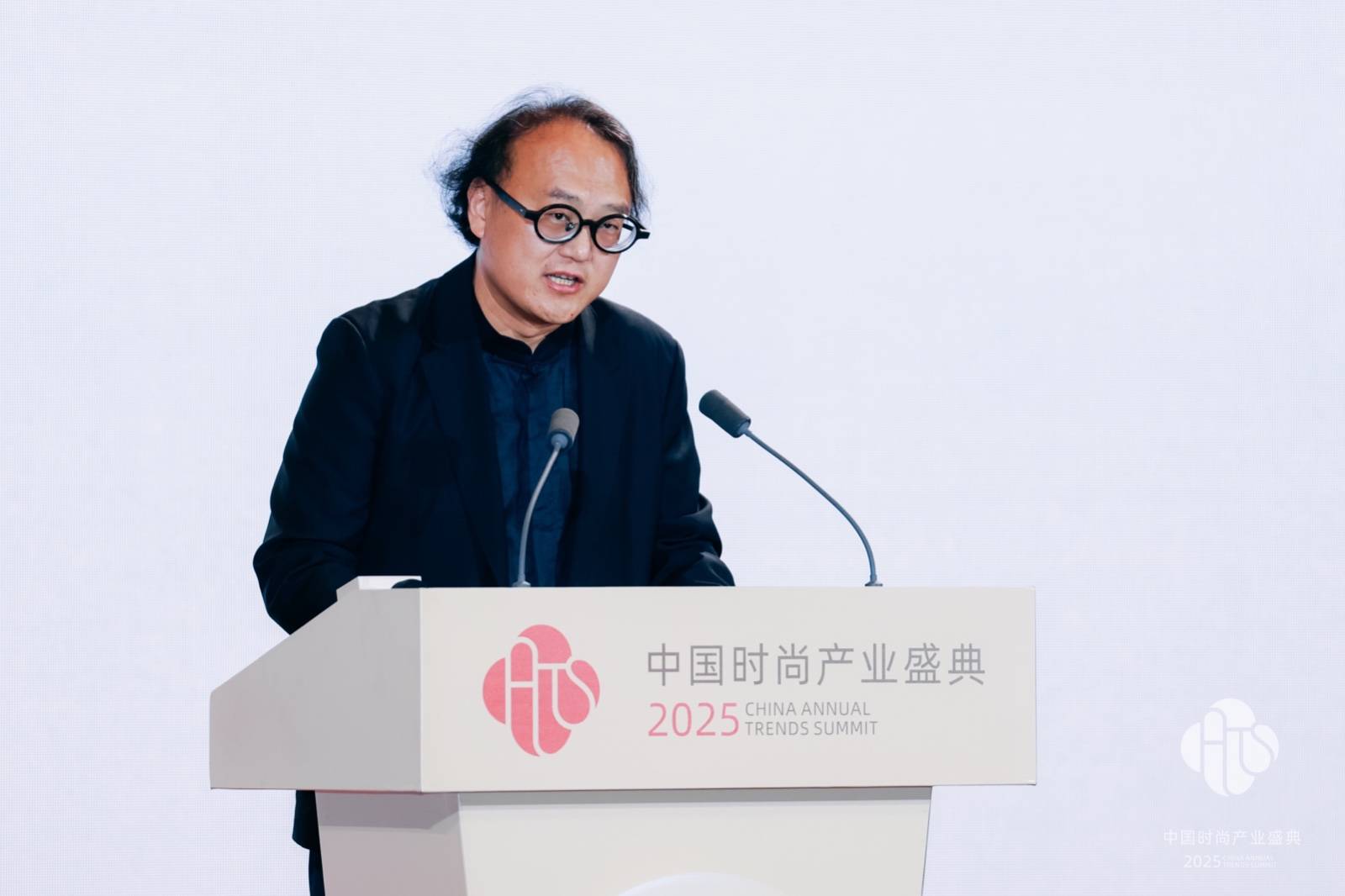
见证东方美学的荣耀时刻——2025中国时尚产业盛典开幕
Sou Hu Wang· 2025-06-14 06:41
Core Insights - The 2025 China Fashion Industry Summit opened in Shanghai, themed "Fashion China, Glory of the East," highlighting the rapid growth of the Chinese fashion industry across traditional and emerging sectors [1] - The event aims to create a platform for the fashion industry, promoting high-quality development and showcasing Chinese aesthetics on a global stage [1] Group 1: Industry Development - The summit featured the release of the "China Fashion Consumption Development Report," which analyzed consumer fashion perceptions and habits based on over 1,600 surveys and interviews, providing actionable insights for industry growth [1] - Discussions included the integration of culture and tourism, emphasizing innovative storytelling to attract attention and create trends in the fashion sector [16] Group 2: Aesthetic and Cultural Insights - Keynote speeches explored the aesthetic roots of Chinese fashion and its influence on contemporary innovation, with a focus on the unique Eastern aesthetics that inspire modern fashion [2][4] - The concept of "New Chinese Aesthetics" was discussed, highlighting its impact on fashion design and cultural expression [10] Group 3: Fashion Show Highlights - The "Fashion China Night" featured a grand show that combined traditional elements with modern design, showcasing 90 designer pieces that reflect both Eastern aesthetics and contemporary styles [24][36] - The show was divided into five acts, each representing different aspects of Chinese culture and craftsmanship, culminating in a performance that blended fashion with technology [39][45] Group 4: Investment and Collaboration - The fashion industry investment conference attracted representatives from various sectors, facilitating connections between quality projects and financial institutions, aiming to drive high-quality development in the fashion industry [48] - The event also included a series of collaborative activities, such as the "New Chinese Style 100 Questions" initiative, engaging celebrities and fashion influencers in discussions about revitalizing traditional Chinese culture [49]