
三菱汽车

Search documents
日本制造,在华大溃退
虎嗅APP· 2025-12-04 09:51
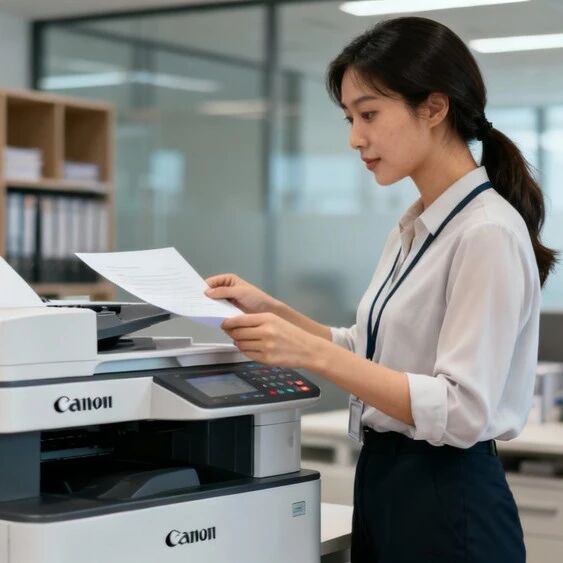
Core Viewpoint - The article discusses the withdrawal of Japanese manufacturing companies from the Chinese market, highlighting the decline of brands like Canon, Sony, and Yakult, and the reasons behind this trend, including increased competition from local manufacturers and a failure to adapt to market changes [5][22][29]. Group 1: Company Withdrawals - Canon's production facility in Zhongshan, China, ceased operations on November 21, 2025, marking the end of over 20 years of presence in the region [4][5]. - Yakult announced the closure of its Guangzhou factory, which had been operational for 23 years, and previously shut down its Shanghai factory [6][17]. - Sony officially exited the Chinese smartphone market by shutting down its Xperia brand [7]. - Mitsubishi Motors completely withdrew from the Chinese market, ending both vehicle sales and its joint engine production with Shenyang Aerospace Mitsubishi [7][16]. Group 2: Market Dynamics - The Japanese manufacturing sector's exit from China is characterized as a response to competitive pressures rather than a strategic shift, with companies facing declining market shares and sales [22][29]. - The shift towards a paperless office has led to a shrinking market for printers, impacting Canon significantly, which saw its market share drop to 3.9% by Q3 2025 from 16% in 2010 [22][24]. - In the probiotic beverage sector, Yakult's market share has been eroded by local competitors offering better price-performance ratios, with Yakult's sales declining significantly from their peak [26][27]. Group 3: Competitive Landscape - The decline of Japanese brands in China is attributed to the loss of technological advantages, as local manufacturers have improved their capabilities and now hold a significant market share in sectors like printing [23][24]. - Japanese companies have been slow to adapt to changing consumer preferences, such as the demand for low-sugar beverages, which has hindered their competitiveness [27]. - Despite their struggles in China, Japanese manufacturers still maintain strong global market positions, with Canon holding a 22% share of the global printer market as of 2023 [29]. Group 4: Future Implications - The article suggests that the exit of Japanese companies from China is not the end of their global competitiveness but rather a new chapter for Chinese manufacturers, who are now positioned to compete on a larger scale [32]. - The success of Chinese brands in domestic markets, particularly in appliances, indicates a shift in market dynamics where local companies are gaining dominance [30].

日本制造,在华大溃退
Xin Lang Cai Jing· 2025-12-04 05:48
Core Viewpoint - The article discusses the withdrawal of Japanese manufacturing companies from the Chinese market, highlighting the decline of brands like Canon, Yakult, and Mitsubishi, which were once dominant players in their respective industries. This trend reflects a broader shift in the competitive landscape as Chinese companies advance in technology and market presence, leading to a significant reduction in the market share of Japanese brands [1][9][11]. Group 1: Canon's Closure - Canon's production line at its Zhuhai facility ceased operations on November 21, 2025, marking the end of its 20-year presence in China [21][22]. - The factory, once a significant employer in the region, had seen its workforce shrink to just over 1,400 employees by the time of closure [29]. - Canon's market share in the Chinese laser printer market plummeted to 3.9% by the third quarter of 2025, down from 16% in 2010 [11][37]. Group 2: Other Japanese Brands - Yakult announced the closure of its Guangzhou factory, which had been operational for 23 years, and previously shut down its Shanghai factory [23][31]. - Mitsubishi Motors ceased all local production in China, with its vehicle sales dropping from 133,000 units in 2019 to just 33,600 units in 2022 [31][34]. - The article notes that the decline of these brands is not an isolated incident but part of a larger trend of Japanese companies exiting the Chinese market, including Sony and Toshiba [24][33]. Group 3: Market Dynamics - The decline of Japanese brands is attributed to several factors, including the rise of local competitors and a shift in consumer preferences towards more affordable and innovative products [12][38]. - The Chinese market for printers has evolved, with local brands capturing 41.5% of the market share by 2025, while Japanese brands struggle to adapt [11][37]. - Japanese companies are perceived to have failed to respond to changing market conditions, maintaining outdated business models and product offerings [12][41]. Group 4: Global Perspective - Despite their struggles in China, Japanese manufacturers still hold significant global market shares, with Canon commanding 22% of the global printer market as of 2023 [15][42]. - The profitability of Japanese automotive brands remains strong on a global scale, with Toyota's profits significantly outpacing those of Chinese competitors [44]. - The article concludes that while Japanese brands face challenges in China, their global competitiveness remains intact, indicating a need for adaptation rather than a complete retreat from the market [17][47].

三菱汽车首席执行官加藤:我们在美国销售的所有车辆均在日本生产,因此将全额承担美国关税成本,不会将关税转嫁给供应商
Ge Long Hui· 2025-11-05 11:05
Core Viewpoint - Mitsubishi Motors' CEO, Akio Kato, stated that all vehicles sold in the U.S. are produced in Japan, and the company will fully absorb the U.S. tariff costs without passing them on to suppliers [1] Group 1 - Mitsubishi Motors is committed to absorbing the full cost of U.S. tariffs on vehicles [1] - The company emphasizes that all vehicles sold in the U.S. market are manufactured in Japan [1]
美国汽车关税下,韩日车企在美库存即将见底
Huan Qiu Shi Bao· 2025-06-23 21:38
Group 1 - The global automotive industry is experiencing an accelerated trend of price increases due to the rapid depletion of "non-tariff inventories" in the U.S. market [1] - Toyota plans to raise the average price of its brand vehicles in the U.S. by $270 next month, while Mitsubishi will increase prices by an average of 2.1% [1] - Subaru has also announced price hikes starting from products shipped in June [1] Group 2 - Japanese automakers are temporarily absorbing the costs from high tariffs imposed by the U.S., while Korean automakers are facing significant pricing pressure [3] - Experts indicate that for global automakers, not raising prices equates to profit erosion, making the timing of price increases a critical issue [3] - Hyundai Motor Group remains cautious about adjusting prices, having extended its price freeze period previously set to end on July 7 [3] Group 3 - Hyundai and Kia rely heavily on imports for their U.S. sales, with 65% of their vehicles imported, significantly higher than competitors like Honda (35%) and Toyota (51%) [4] - The ability of Hyundai and Kia to maintain price freezes is attributed to their prior inventory levels, which are now rapidly depleting [4] - As of April, Hyundai's inventory could support sales for about three months, while Kia's could last for about two months, indicating a looming need for imports as inventories are nearly exhausted [4]


