
佳能打印机

Search documents
日本制造,拼命撤出中国?背后不简单
商业洞察· 2026-01-06 09:23
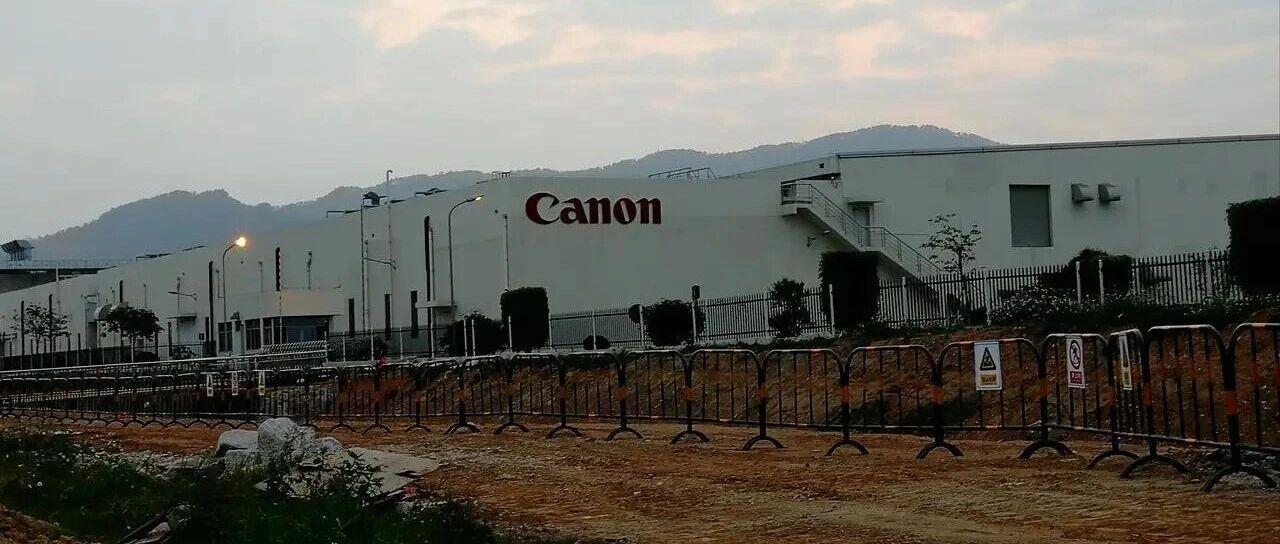
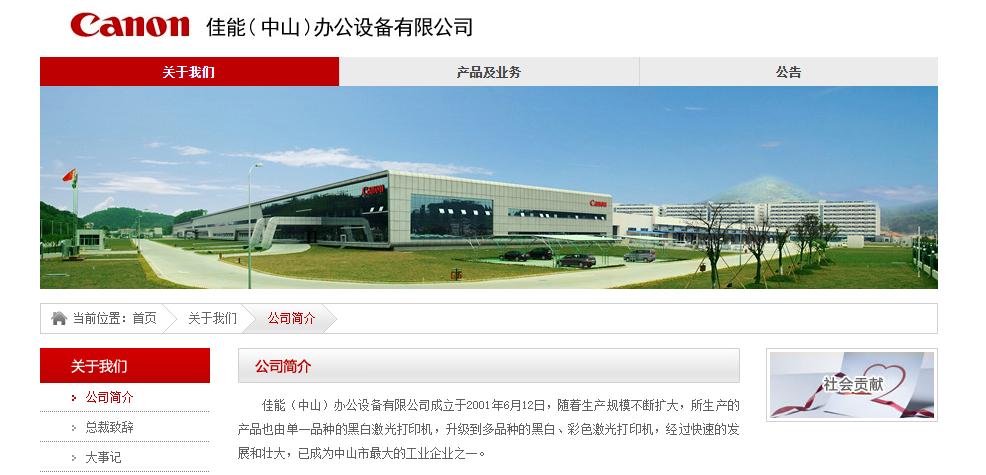
Core Viewpoint - Japanese companies are facing significant challenges in the Chinese market, leading to closures and exits from various sectors, but they are simultaneously increasing investments in high-end technology and local operations in China [4][22][29]. Group 1: Company Closures and Exits - Canon has closed its printer production base in Zhongshan, which was once a major manufacturing hub, reflecting a significant decline in its market presence [5]. - Nissan announced the closure of its Wuhan factory, which had a low production utilization rate of only 3%, leading to its acquisition by another company [6]. - Mitsubishi has completely exited the Chinese automotive market after over 40 years of operation, ceasing its vehicle production [6]. - Sony has officially withdrawn its Xperia smartphone business from China, indicating a strategic retreat from the market [6]. - Yakult closed its first factory in Guangzhou after experiencing a drastic drop in sales, with daily sales nearly halving compared to previous years [6]. Group 2: Market Dynamics and Competition - The decline of Japanese brands in China is attributed to the rapid advancement of domestic brands, which have overtaken their Japanese counterparts in various sectors [11][12]. - Japanese companies have been slow to adapt to market changes, relying heavily on their brand reputation and quality, which has diminished due to various scandals [14][17]. - The local adaptation of Japanese companies has lagged, with many failing to incorporate local consumer preferences into their product offerings [19][20]. Group 3: Strategic Shifts and Investments - Despite the closures, Japanese investment in China has surged, with a 55.5% year-on-year increase in the first three quarters of this year, leading all countries [23]. - Companies like Toyota are making significant investments in high-end technology, such as establishing a wholly-owned electric vehicle company in Shanghai [24]. - Panasonic is investing in semiconductor packaging materials in Shanghai, indicating a strategic focus on critical supply chains amid global competition [28]. - The overall trend shows a "K-shaped differentiation," where low-end capacities are exiting while high-end investments are increasing, reflecting a strategic shift in how Japanese companies view the Chinese market [29].

日本制造,拼命撤出中国?背后不简单
3 6 Ke· 2025-12-29 12:23
Core Viewpoint - Japanese companies are facing significant challenges in the Chinese market, leading to closures and exits from various sectors, but they are simultaneously increasing investments in high-end technology within China [1][9][23]. Group 1: Company Closures and Exits - Canon has closed its printer production base in Zhongshan, which was once a significant employment hub, producing millions of laser printers and generating nearly 3.2 billion in industrial output in 2022 [1][4]. - Nissan announced the closure of its Wuhan factory, which had a production capacity of 300,000 vehicles per year but struggled with low sales, achieving only 3% utilization [5]. - Mitsubishi has completely exited the Chinese automotive market after over 40 years, ceasing its joint engine project and halting vehicle production [5][7]. - Sony has officially withdrawn its Xperia smartphone business from China, and Yakult has closed its first factory in Guangzhou due to a significant drop in sales [6][7]. Group 2: Market Dynamics and Competition - The decline of Japanese brands in China is attributed to the rapid advancement of domestic brands, which have overtaken their Japanese counterparts in market share [9][11]. - Japanese companies have been slow to adapt to market changes, relying heavily on brand reputation and quality premiums, which have diminished due to various scandals [13][15]. - The market share of Japanese cars in China has dropped from nearly 25% in 2020 to 11.2% last year, while domestic brands dominate the appliance and electronics sectors [12]. Group 3: Strategic Shifts and Investments - Despite the closures, Japanese investment in China has surged, with a 55.5% year-on-year increase in the first three quarters of this year, indicating a strategic pivot towards high-end technology [17][23]. - Toyota has invested $2 billion to establish a wholly-owned electric vehicle company in Shanghai, marking a shift from joint ventures to direct investment in high-end technology [19]. - Panasonic is focusing on semiconductor packaging materials in Shanghai, reflecting a commitment to the Chinese market as a critical battleground for global electronics manufacturing [22]. Group 4: Future Outlook - The current situation represents a significant restructuring of Japanese companies in China, moving away from low-end production towards high-end sectors, indicating a fundamental strategic shift [23][24]. - Companies that can innovate and localize effectively are likely to thrive in the competitive Chinese market, which is seen as a global strategic high ground rather than just a low-cost manufacturing base [24][25].
日本制造,在华大溃退
虎嗅APP· 2025-12-04 09:51
Core Viewpoint - The article discusses the withdrawal of Japanese manufacturing companies from the Chinese market, highlighting the decline of brands like Canon, Sony, and Yakult, and the reasons behind this trend, including increased competition from local manufacturers and a failure to adapt to market changes [5][22][29]. Group 1: Company Withdrawals - Canon's production facility in Zhongshan, China, ceased operations on November 21, 2025, marking the end of over 20 years of presence in the region [4][5]. - Yakult announced the closure of its Guangzhou factory, which had been operational for 23 years, and previously shut down its Shanghai factory [6][17]. - Sony officially exited the Chinese smartphone market by shutting down its Xperia brand [7]. - Mitsubishi Motors completely withdrew from the Chinese market, ending both vehicle sales and its joint engine production with Shenyang Aerospace Mitsubishi [7][16]. Group 2: Market Dynamics - The Japanese manufacturing sector's exit from China is characterized as a response to competitive pressures rather than a strategic shift, with companies facing declining market shares and sales [22][29]. - The shift towards a paperless office has led to a shrinking market for printers, impacting Canon significantly, which saw its market share drop to 3.9% by Q3 2025 from 16% in 2010 [22][24]. - In the probiotic beverage sector, Yakult's market share has been eroded by local competitors offering better price-performance ratios, with Yakult's sales declining significantly from their peak [26][27]. Group 3: Competitive Landscape - The decline of Japanese brands in China is attributed to the loss of technological advantages, as local manufacturers have improved their capabilities and now hold a significant market share in sectors like printing [23][24]. - Japanese companies have been slow to adapt to changing consumer preferences, such as the demand for low-sugar beverages, which has hindered their competitiveness [27]. - Despite their struggles in China, Japanese manufacturers still maintain strong global market positions, with Canon holding a 22% share of the global printer market as of 2023 [29]. Group 4: Future Implications - The article suggests that the exit of Japanese companies from China is not the end of their global competitiveness but rather a new chapter for Chinese manufacturers, who are now positioned to compete on a larger scale [32]. - The success of Chinese brands in domestic markets, particularly in appliances, indicates a shift in market dynamics where local companies are gaining dominance [30].

日本制造,在华大溃退
Xin Lang Cai Jing· 2025-12-04 05:48
Core Viewpoint - The article discusses the withdrawal of Japanese manufacturing companies from the Chinese market, highlighting the decline of brands like Canon, Yakult, and Mitsubishi, which were once dominant players in their respective industries. This trend reflects a broader shift in the competitive landscape as Chinese companies advance in technology and market presence, leading to a significant reduction in the market share of Japanese brands [1][9][11]. Group 1: Canon's Closure - Canon's production line at its Zhuhai facility ceased operations on November 21, 2025, marking the end of its 20-year presence in China [21][22]. - The factory, once a significant employer in the region, had seen its workforce shrink to just over 1,400 employees by the time of closure [29]. - Canon's market share in the Chinese laser printer market plummeted to 3.9% by the third quarter of 2025, down from 16% in 2010 [11][37]. Group 2: Other Japanese Brands - Yakult announced the closure of its Guangzhou factory, which had been operational for 23 years, and previously shut down its Shanghai factory [23][31]. - Mitsubishi Motors ceased all local production in China, with its vehicle sales dropping from 133,000 units in 2019 to just 33,600 units in 2022 [31][34]. - The article notes that the decline of these brands is not an isolated incident but part of a larger trend of Japanese companies exiting the Chinese market, including Sony and Toshiba [24][33]. Group 3: Market Dynamics - The decline of Japanese brands is attributed to several factors, including the rise of local competitors and a shift in consumer preferences towards more affordable and innovative products [12][38]. - The Chinese market for printers has evolved, with local brands capturing 41.5% of the market share by 2025, while Japanese brands struggle to adapt [11][37]. - Japanese companies are perceived to have failed to respond to changing market conditions, maintaining outdated business models and product offerings [12][41]. Group 4: Global Perspective - Despite their struggles in China, Japanese manufacturers still hold significant global market shares, with Canon commanding 22% of the global printer market as of 2023 [15][42]. - The profitability of Japanese automotive brands remains strong on a global scale, with Toyota's profits significantly outpacing those of Chinese competitors [44]. - The article concludes that while Japanese brands face challenges in China, their global competitiveness remains intact, indicating a need for adaptation rather than a complete retreat from the market [17][47].
