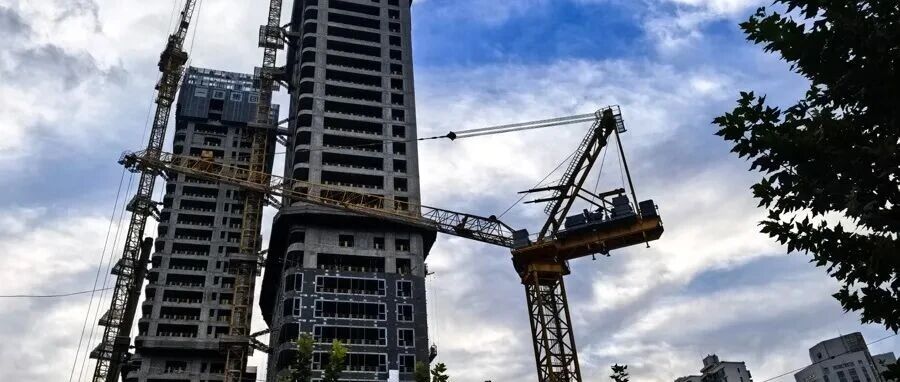
上海金陵华庭

Search documents
嘉里建设(00683):IP租赁短期承压,销售大增,财务优化分红慷慨
Shenwan Hongyuan Securities· 2026-03-24 13:26
Investment Rating - The report maintains a "Buy" rating for Kerry Properties (00683) [3][8] Core Insights - The company is experiencing short-term pressure on IP leasing, but has seen a significant increase in sales and has optimized its finances with generous dividends [8] - For the fiscal year 2025, the company reported a core profit of HKD 2 billion, a decrease of 22% year-on-year, which is slightly below expectations [8] - The company’s total revenue for 2025 is projected at HKD 19.57 billion, reflecting a marginal increase of 0.4% year-on-year, while the consolidated revenue is expected to reach HKD 25.02 billion, a 17% increase [8] Financial Data and Profit Forecast - Revenue projections for the upcoming years are as follows: - 2024: HKD 19.499 billion - 2025: HKD 19.568 billion - 2026E: HKD 16.354 billion - 2027E: HKD 25.227 billion - 2028E: HKD 26.416 billion - Year-on-year growth rates for revenue are projected at 48.96% for 2024, 0.35% for 2025, -16.43% for 2026E, 54.26% for 2027E, and 4.71% for 2028E [7] - Net profit attributable to ordinary shareholders is forecasted as follows: - 2024: HKD 808 million - 2025: HKD 938 million - 2026E: HKD 1.404 billion - 2027E: HKD 2.671 billion - 2028E: HKD 2.923 billion - The projected PE ratios are 40 for 2024, 34 for 2025, 23 for 2026E, 12 for 2027E, and 11 for 2028E [7][9] Business Segments Performance - The company’s property development revenue for 2025 is expected to be HKD 17.67 billion, a year-on-year increase of 28%, with significant contributions from mainland China and Hong Kong [8] - The sales amount for 2025 is projected at HKD 34.68 billion, reflecting a substantial year-on-year increase of 175% [8] - The company’s IP value is estimated at HKD 87.2 billion for 2025, a 3% increase year-on-year, with a total area of 21.06 million square feet, a 13% increase [8] Financial Optimization and Dividends - The company has optimized its finances with a total debt of HKD 55.8 billion, a decrease of 6% year-on-year, and a net debt ratio of 33.3%, down 8.2 percentage points [8] - The dividend per share (DPS) for 2025 is projected to be HKD 1.35, maintaining the same level as the previous year, with a dividend payout ratio of 97% and a corresponding dividend yield of 6% [8]

嘉里建设发布年度业绩,股东应占溢利9.38亿港元 同比增加16%
Zhi Tong Cai Jing· 2026-03-24 05:16
Core Viewpoint - Kerry Properties (00683) reported a revenue of HKD 19.568 billion for the year ending December 31, 2025, reflecting a year-on-year increase of 0.4% [3] Financial Performance - The company's attributable profit to shareholders reached HKD 938 million, marking a 16% increase year-on-year [3] - Earnings per share were HKD 0.65, with a proposed final dividend of HKD 0.95 per share [3] Sales and Revenue Breakdown - Annual contract sales amounted to HKD 34.684 billion, significantly boosted by strong pre-sales performance of the Shanghai Jinling Huating project [3] - Consolidated revenue grew by 17% to HKD 25.015 billion, up from HKD 21.361 billion in 2024, primarily due to a 28% increase in property sales recognition for 2025 [3] - The growth was largely driven by projects in Hong Kong, including Ti Wai, Hoi Ying Shan, and Long Tian Feng [3] Challenges - The growth in revenue was partially offset by a 3% decline in rental income from investment properties and hotels, indicating ongoing challenges in the commercial property market [3]
嘉里建设:2025年录得股东应占溢利9.38亿港元,同比上升16%
Cai Jing Wang· 2026-03-24 05:16
Core Viewpoint - Kerry Properties reported a 16% year-on-year increase in shareholder profit for the fiscal year 2025, amounting to HKD 938 million, despite a 22% decrease in underlying profit to HKD 2.008 billion when excluding non-cash fair value changes of investment properties [3] Group 1: Financial Performance - The group's annual contract sales reached HKD 34.684 billion, a significant increase from HKD 12.605 billion in 2024, driven by strong pre-sales performance of the Shanghai Jinling Huating project [3] - Consolidated revenue grew by 17% year-on-year to HKD 25.015 billion, primarily due to a 28% increase in sales recognition from development properties, with most contributions coming from projects in Hong Kong, including Ti Wai, Hoi Ying Shan, and Long Tian Feng [3] - However, the growth in revenue was offset by a 3% decline in rental income from investment properties and hotels, indicating ongoing challenges in the commercial property market [3]
嘉里建设:2025年录得股东应占溢利9.38亿港元,同比上升16%丨财面儿
Cai Jing Wang· 2026-03-23 05:00
Core Viewpoint - Kerry Properties reported a 16% year-on-year increase in shareholder profit to HKD 938 million for the fiscal year 2025, although the underlying profit decreased by 22% to HKD 2.008 billion when excluding non-cash fair value changes of investment properties [1] Group 1: Financial Performance - The annual contract sales reached HKD 34.684 billion, significantly up from HKD 12.605 billion in 2024, driven by strong pre-sales performance of the Shanghai Jinling Huating project [1] - Consolidated revenue grew by 17% year-on-year to HKD 25.015 billion, primarily due to a 28% increase in sales recognition from development properties, mainly from projects in Hong Kong such as Tiwai, Hoi Ying Shan, and Long Tian Feng [1] - However, this growth was offset by a 3% decline in rental income from investment properties and hotels, indicating ongoing challenges in the commercial property market [1]
嘉里建设(00683)发布年度业绩,股东应占溢利9.38亿港元 同比增加16%
智通财经网· 2026-03-23 04:18
Group 1 - The core viewpoint of the article highlights Kerry Properties (00683) reporting a revenue of HKD 19.568 billion for the year ending December 31, 2025, representing a year-on-year increase of 0.4% [1] - The company's net profit attributable to shareholders reached HKD 938 million, marking a 16% increase compared to the previous year [1] - Earnings per share were reported at HKD 0.65, with a proposed final dividend of HKD 0.95 per share [1] Group 2 - The annual contract sales amounted to HKD 34.684 billion, significantly driven by strong pre-sales performance of the Shanghai Jinling Huating project [1] - Consolidated revenue grew by 17% to HKD 25.015 billion, up from HKD 21.361 billion in 2024, primarily due to a 28% increase in property sales recognition for 2025 [1] - The growth was partially offset by a 3% decline in rental income from investment properties and hotels, indicating ongoing challenges in the commercial property market [1]
嘉里建设(00683.HK)年度纯利增长16%至9.38亿港元 末期息维持0.95港元
Ge Long Hui· 2026-03-23 04:16
Core Viewpoint - Kerry Properties (00683.HK) reported a slight revenue increase of 0.4% year-on-year, with a total revenue of HKD 19.568 billion for the fiscal year ending December 31, 2025, while net profit attributable to shareholders rose by 16% to HKD 938 million [1] Financial Performance - The company's basic earnings per share were HKD 0.65, and a final dividend of HKD 0.95 per share is proposed [1] - Excluding non-cash fair value changes from investment properties, the underlying profit decreased by 22% to HKD 2.008 billion, attributed to weak leasing performance in the office segment and an increase in tax expenses [1] - The annual contract sales reached HKD 34.684 billion, significantly up from HKD 12.605 billion in 2024, driven by strong pre-sales performance of the Shanghai Jinling Huating project [1] Revenue Breakdown - Consolidated revenue increased by 17% to HKD 25.015 billion, compared to HKD 21.361 billion in 2024, primarily due to a 28% increase in recognized sales from development properties, mainly from projects in Hong Kong [1] - However, this growth was partially offset by a 3% decline in rental income from investment properties and hotels, indicating ongoing challenges in the commercial property market [1]
嘉里建设(00683.HK):高端住宅典范 优质商业资产重估可期
Ge Long Hui· 2025-11-06 13:00
Core Viewpoint - The company is expected to achieve a revenue of HKD 19.5 billion in 2024, representing a year-on-year increase of 49%, driven by its diversified business model focusing on high-end residential development and quality IP leasing [1] Business Segments Property Development - The company achieved sales of HKD 16.2 billion in the first half of 2025, a year-on-year increase of 130%, with mainland China and Hong Kong contributing 66% and 34% respectively [3] - In mainland China, the company is focusing on the Shanghai market, with the Jinling Huating project being a key driver, achieving sales of HKD 10.6 billion in the first half of 2025 [3] - In Hong Kong, sales were HKD 5.5 billion in the first half of 2025, a decrease of 5%, primarily relying on the luxury project Tiwai [3] IP and Hotel Operations - The company's IP value reached HKD 86.3 billion in the first half of 2025, a year-on-year increase of 14%, with mainland China and Hong Kong accounting for 67% and 33% respectively [2] - Total IP and hotel area is 21.33 million square feet, with a projected increase of 36% by 2031, and a 7-year CAGR growth rate of 7% [2] - Rental income from IP decreased by 5.5% to HKD 2.502 billion, while hotel rental income fell by 3.3% to HKD 1.03 billion, attributed to a low market sentiment [2] Financial Performance and Dividends - The company maintains a robust financial position with total borrowings of HKD 59.6 billion, a decrease of 2% year-on-year, and a net debt ratio of 38.4% [4] - The company has consistently paid a dividend of HKD 1.35 since 2017, resulting in a high dividend yield of 6.9% [4] - Projected net profit for 2025-2027 is HKD 1.75 billion, HKD 1.62 billion, and HKD 4.03 billion respectively, with year-on-year growth rates of 116%, -7%, and 149% [4]
嘉里建设(00683):高端住宅典范,优质商业资产重估可期
Shenwan Hongyuan Securities· 2025-11-05 11:10
Investment Rating - The report initiates coverage with a "Buy" rating for the company [2][7]. Core Insights - The company is positioned as a high-end residential developer with a focus on premium commercial assets, anticipating a revaluation of its quality IP [6][7]. - The company is expected to achieve significant revenue growth, with projected revenues of HKD 19.5 billion in 2024, representing a year-on-year increase of 49% [6]. - The financial outlook includes a forecasted net profit of HKD 1.75 billion in 2025, reflecting a substantial year-on-year growth of 116% [6][7]. Financial Data and Profit Forecast - Revenue projections for the company are as follows: - 2023: HKD 13.09 billion - 2024: HKD 19.5 billion - 2025E: HKD 20.17 billion - 2026E: HKD 15.08 billion - 2027E: HKD 24.44 billion - Year-on-year growth rates for revenue are projected at -10.3% for 2023, 49.0% for 2024, and 3.5% for 2025 [5]. - The net profit forecast is as follows: - 2023: HKD 3.24 billion - 2024: HKD 0.81 billion - 2025: HKD 1.75 billion - 2026: HKD 1.62 billion - 2027: HKD 4.03 billion - The projected net profit growth rates are 17.7% for 2023, 75.1% for 2024, and 116.1% for 2025 [5][6]. Business Structure - The company operates a diversified business model with revenue contributions from property development (66%), IP leasing (25%), and hotel operations (9%) [6][27]. - The geographical revenue distribution shows a focus on mainland China (66%) and Hong Kong (34%) [6][27]. Property Development - The company achieved a sales amount of HKD 16.2 billion in the first half of 2025, a year-on-year increase of 130%, with mainland sales contributing HKD 10.6 billion [6][42]. - The company is focusing on high-end residential projects, particularly in Shanghai and Hong Kong, with significant sales from the Jinling Huating project [6][45]. IP and Hotel Operations - The company’s IP value reached HKD 86.3 billion in the first half of 2025, with a year-on-year increase of 14% [6]. - The total area of IP and hotel operations is projected to increase by 36% by 2031, with a compound annual growth rate (CAGR) of 7% [6][7]. Financial Health and Dividends - The company maintains a healthy financial position with a net debt ratio of 38.4% as of the first half of 2025, expected to decrease to around 30% by the end of 2026 [6]. - The company has consistently provided dividends, with a dividend per share (DPS) of HKD 1.35 since 2017, resulting in a high dividend yield of 6.9% [6][7].
马来西亚首富之子1.17亿元自购上海豪宅,20%利润率生意曝光
21世纪经济报道· 2025-11-04 05:42
Core Viewpoint - The recent purchase by Guo Konghua, the chairman of Kerry Properties, of a luxury apartment in Shanghai has stirred significant interest in the high-end real estate market, highlighting the strategic moves of developers in a tightening market [1][3][12]. Summary by Sections Transaction Details - Guo Konghua acquired a four-bedroom unit in the Shanghai Jinling Huating project for RMB 117 million (approximately HKD 127.7 million), with a construction area of about 449 square meters [1][3]. - The transaction price per square meter was approximately RMB 260,300, surpassing the registered price of RMB 206,000 for other units in the same project [3][4]. Project Insights - The Jinling Huating project has recently received pre-sale permits for 40 units, with an average price of RMB 206,000 per square meter [3][5]. - The project is expected to generate a net profit of approximately RMB 23 million for Kerry Properties, indicating a profit margin of about 19.66% [7][8]. Market Context - The luxury real estate market in Shanghai is experiencing a supply contraction, with a reported 2,624 units priced above RMB 30 million available from January to October 2023, a decrease of over 50% year-on-year [19][20]. - The high-end market is entering a "stock game" phase due to the anticipated continued reduction in land supply within the inner ring of Shanghai [21]. Strategic Implications - Guo Konghua's purchase is seen as a signal of confidence in the future development of Kerry Properties' projects, serving as a form of "free publicity" for the Jinling Huating project [12][13]. - The trend of developers purchasing their own luxury units is becoming more common, reflecting a strategic approach to managing inventory and capitalizing on asset appreciation [19][22].