
专家系统

Search documents
突破有限理性:AI时代的组织设计和创新
3 6 Ke· 2026-02-04 02:11
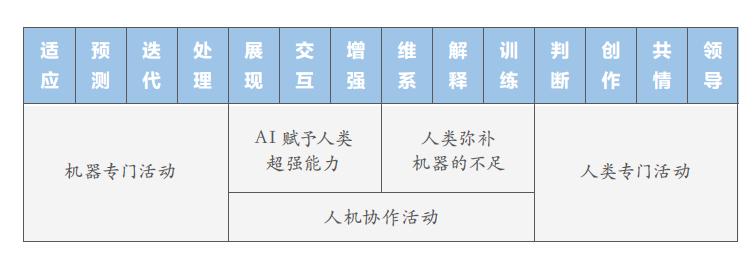
Core Insights - The article discusses how organizations can adapt to environmental changes through effective design, emphasizing the limitations of human rationality and the need for specialized departments and roles [1][2] Group 1: Organizational Design and AI - Organizations are evolving into complex ecosystems that require clear internal collaboration and coordination mechanisms to respond to environmental changes [1] - The introduction of AI is seen as a potential solution to overcome the constraints of human limited rationality in organizational decision-making [2][3] - AI's role in decision-making is highlighted, particularly in the processing and output stages of the decision-making model, which can enhance organizational design [3][4] Group 2: AI's Impact on Decision-Making - AI can provide answers to questions posed by organizations, but its decision-making logic remains opaque, paralleling human decision-making processes that often rely on heuristics [4][5] - AI is viewed as an external brain that can supplement human roles in organizations, with certain tasks being more suitable for machines while others require human judgment [5][6] Group 3: AI in Organizational Practices - Case studies illustrate how AI can significantly reduce costs and improve efficiency in various organizational functions, such as game development, while also highlighting its limitations [7][8] - Employees express concerns about effectively instructing AI, indicating that successful AI implementation relies on knowledgeable personnel [8] Group 4: Governance and Ethical Considerations - The integration of AI into high-level management raises complex issues regarding accountability and the ethical implications of AI-driven decisions [9] - New governance mechanisms are needed to address the challenges posed by AI in strategic decision-making, including accountability for AI-generated outcomes and the potential erosion of human judgment [9] Group 5: Organizational Change Theories - The article critiques traditional planned change theories in the context of digital transformation, suggesting that organizations must adopt a more flexible, iterative approach to change driven by data and practice [14][15] - A new theory of continuous change is proposed, where organizational goals evolve through ongoing iterations rather than being predetermined [15][16] Group 6: Future Organizational Structures - The emergence of AI may lead to new organizational forms that prioritize flexibility and real-time data-driven processes, potentially redefining the concept of organizational scale [12][13] - Organizations may need to shift from a traditional role-based structure to one that is process-oriented, allowing for more adaptive and efficient operations [12][13]

从被吹捧到沦为鸡肋,“AI”这个词用了还不到一年
3 6 Ke· 2025-10-17 11:56
Core Insights - The article discusses the potential onset of a third AI winter, drawing parallels with historical AI downturns due to unmet expectations and market realities [4][7]. Group 1: Current AI Market Situation - Many AI products launched earlier this year are now facing declining interest as they fail to address real business problems, leading to increased operational burdens and costs for companies [1][5]. - The high costs of training large models and their limited applicability in vertical markets have resulted in low return on investment, causing many AI projects to become mere showcases rather than practical solutions [5][6]. Group 2: Historical Context of AI Winters - The first AI winter occurred from 1974 to 1980, characterized by overly optimistic predictions that were not met due to technological limitations, leading to reduced funding and interest in AI research [2][3]. - The second AI winter from 1987 to 1993 was marked by the limitations of expert systems, which could not scale or adapt, resulting in a loss of market confidence and funding [3][4]. Group 3: Factors Contributing to Potential Third AI Winter - There is a significant gap between technological capabilities and market expectations, leading to a lack of sustainable business models for many AI products [6][7]. - Many companies are rushing into AI projects without a clear strategy or understanding of market needs, resulting in products that do not align with customer requirements [6][7]. - The urgency for immediate returns from both enterprises and investors is causing a lack of patience for long-term AI development, which may lead to a withdrawal of capital and support [7].