世纪金源·天河源筑

Search documents
广东省房协王韶:城市人口红利依然明显 为住房需求提供持续支撑
Zhong Guo Jing Ying Bao· 2025-11-03 02:35
Core Viewpoint - The housing market in Guangzhou has significant potential, supported by demographic trends and strategic initiatives from companies like Century Golden Resources Group [1][2]. Group 1: Housing Market Insights - According to the 7th National Population Census, the per capita housing area in Guangzhou is only 28.1 square meters, with rental housing accounting for 58.1% of the total housing sources [1]. - 39% of the housing stock is over 20 years old, and only 30.8% of the housing has elevators, indicating substantial room for improvement in living quality [1]. - The resident population in Guangzhou has increased by 87.9% since 2000, with a floating population of 11.52 million and an elderly population (65 years and older) making up 7.7% of the total [1]. Group 2: Strategic Initiatives and Corporate Responsibility - Century Golden Resources Group has donated 110 million yuan to South China University of Technology to support the "Everest Climbing Plan," reflecting the company's commitment to education and long-term strategic vision [1][2]. - The company has cumulatively donated over 7.4 billion yuan to public welfare, with more than 4 billion yuan directed towards education and research [2]. - The strategic location of Tianhe Yuanzhu in the Huawushan Innovation Source Area is intended to create a community that fosters innovation and collaboration with top talent and institutions [2][3]. Group 3: Urban Development and Innovation - The Huawushan Innovation Source Area is positioned as the core source of technological innovation in Guangzhou, serving as a vibrant growth hub within the Tianhe District [3]. - This area is surrounded by multiple key platforms and is recognized as a new high ground for technological innovation, providing essential support for urban renewal and innovation initiatives [3].
只有村民,才能救广州楼市
Sou Hu Cai Jing· 2025-07-08 03:22
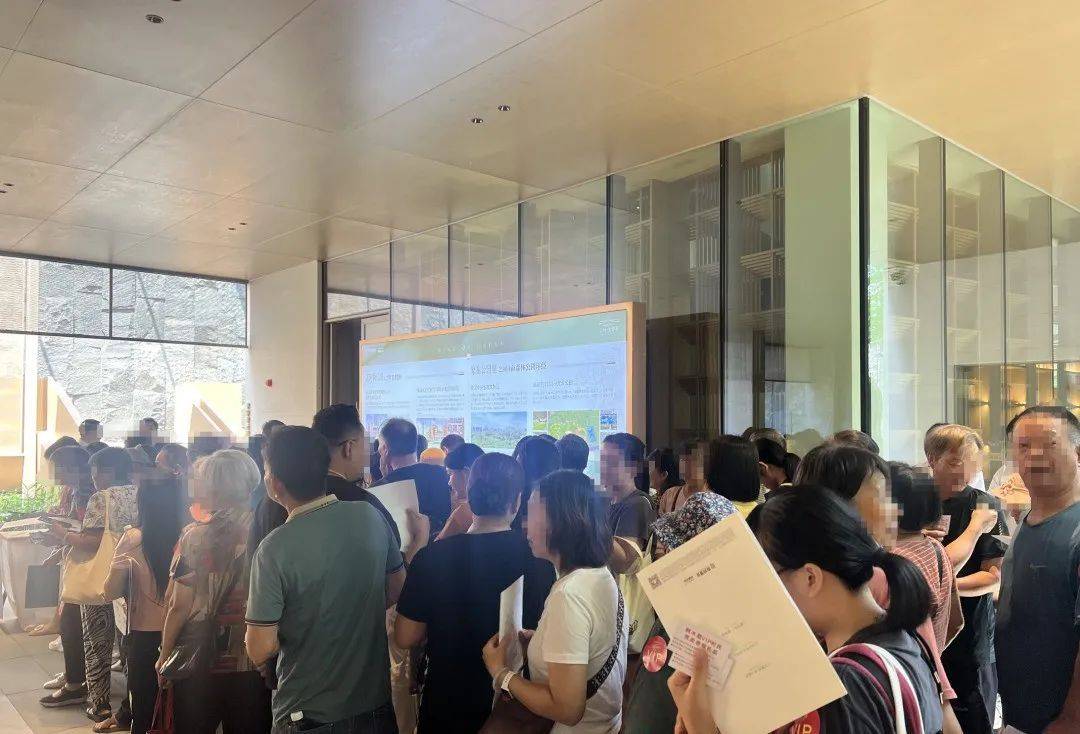
Core Insights - The recent surge in home buying activity in Tianhe, particularly at the LianTou WenJinFu project, indicates a significant shift in the local real estate market driven by the influx of villagers participating in the housing exchange program [1][3][7] Group 1: Market Dynamics - The number of replacement housing options for villagers has increased from 5 to 9, which has led to heightened competition in the real estate market [3] - Tianhe district achieved a record of 1,044 new home registrations in June, surpassing other districts like Zengcheng and Panyu [8][11] - Six out of the top ten new home projects in Tianhe for the first half of the year were included in the housing exchange program, highlighting the program's impact on sales [11][12] Group 2: Sales Performance - The sales performance of several projects has seen dramatic increases, with the Zhongjian Tianhe Jingcheng No. 1 project experiencing a 3,700% month-over-month increase in June [13] - The overall sales momentum continued into July, with nearly 480 units sold in the first week alone, indicating strong demand [15] - The total available units in Tianhe are reported to be 7,142, suggesting a potential for rapid sales if the current trend continues [15] Group 3: Developer Strategies - Developers are actively implementing strategies to attract villagers, including offering free transportation and gifts, to capitalize on the housing exchange trend [19] - The success of the Huangpu district in utilizing the housing exchange model has set a precedent, with over 1,100 units sold and more than 20 billion yuan in funds circulated [22] Group 4: Broader Implications - The trend of using existing new homes for relocation purposes is expected to grow, as traditional motivations for home buying are diminishing [24][26] - The overall inventory in Guangzhou has increased, with Tianhe facing a longer absorption period compared to other districts, indicating a supply-demand imbalance [26]