
中国银行App

Search documents
信用卡App逐步关停!银行线上渠道加速整合
Guo Ji Jin Rong Bao· 2025-12-27 01:25
Core Viewpoint - The trend of integrating credit card apps into main banking apps is gaining momentum among Chinese banks, with Postal Savings Bank being the second state-owned bank to announce the closure of its independent credit card app, following Bank of China [1][3][4]. Group 1: Bank Actions - Postal Savings Bank announced the integration of its "Postal Credit Card App" services into the "Postal Bank App," ceasing the use of the independent app [3]. - Bank of China previously announced a similar move, planning to migrate services from its "Bountiful Life" app to the main "Bank of China" app [3]. - Over the past two years, more than ten banks, including Beijing Rural Commercial Bank and Shanghai Rural Commercial Bank, have also closed or merged their credit card app services [3]. Group 2: Market Trends - Experts indicate that the closure of independent credit card apps reflects a broader trend in the banking industry aimed at reducing costs and improving efficiency [4][8]. - The integration of apps is seen as a response to the declining profitability and operational costs associated with maintaining separate credit card apps [4][8]. - The digital transformation in banking is shifting focus from standalone functionalities to a more integrated and user-friendly experience through main banking apps [6]. Group 3: Strategic Considerations - Different types of banks have varying motivations for app integration; state-owned banks focus on creating a unified ecosystem, while joint-stock banks aim for differentiated competitive advantages [7]. - Smaller banks prioritize efficiency and survival, using app integration primarily to reduce costs and enhance local service offerings [7]. - The operational burden of maintaining multiple apps, including development and maintenance costs, is a significant factor driving this trend [8]. Group 4: Future Outlook - The future of credit card services may not be limited to main banking apps, as new service formats like mini-programs and embedded lifestyle platforms could emerge [8]. - Banks are encouraged to strengthen their "one bank" digital strategy, enhancing online integration based on business characteristics and user preferences to improve user experience [8].


又一国有大行,调整这一服务
Jing Ji Wang· 2025-12-26 02:02
Core Viewpoint - The recent announcements from Postal Savings Bank and other banks indicate a trend towards integrating credit card services into main banking apps, reflecting a broader digital transformation strategy in the banking industry [1][2]. Group 1: Company Actions - Postal Savings Bank announced adjustments to its credit card online services, integrating these functions into the "Postal Savings Bank App," leading to the discontinuation of the "Postal Credit Card App" [1]. - China Bank has also initiated the migration of credit card functions to the "China Bank App," with plans to cease the original app's services [1]. - Other banks, including Jiangxi Bank and Beijing Rural Commercial Bank, have similarly shut down or integrated their credit card apps into their main mobile banking platforms this year [1]. Group 2: Industry Trends - The National Financial Regulatory Administration issued a notice in September 2024, mandating financial institutions to optimize or terminate mobile applications with low user engagement, poor experience, redundant functions, or compliance risks [1]. - Professor Tian Lihui from Nankai University highlighted that the "slimming down" of bank apps is a necessary choice for the digital transformation of the banking industry, predicting that more banks will integrate credit card services into their main apps, creating a "main app + diversified lightweight touchpoints" matrix model [2]. - Consumers may need to adapt to new channels in the short term, but the long-term experience is expected to improve, providing a more integrated and seamless one-stop service [2].
继中国银行后,邮储银行也调整这一服务!今年来,江西银行、北京农商行等多家银行已纷纷出手
Mei Ri Jing Ji Xin Wen· 2025-12-25 23:56
Core Viewpoint - Postal Savings Bank of China is adjusting its credit card online channel services to integrate credit card functions into the "Postal Savings Bank App," discontinuing the "Postal Credit Card App" while ensuring that customer services remain unaffected [1][3]. Group 1: Company Actions - Postal Savings Bank announced the integration of credit card services into its main app, ceasing the use of the "Postal Credit Card App" [1]. - China Bank has also initiated a similar migration of credit card functions to the "China Bank App," with plans to stop the original app's download and registration [3]. - Other banks, including Jiangxi Bank and Beijing Rural Commercial Bank, have also closed or integrated their credit card apps into their main mobile banking platforms [5]. Group 2: Industry Trends - The integration of credit card services into main banking apps is part of a broader digital transformation strategy in the banking industry, driven by the need for efficiency and improved user experience [3][5]. - Financial institutions are responding to regulatory guidance to optimize or terminate underperforming mobile applications, which is leading to a trend of consolidating services into fewer apps [3]. - The shift towards a "main app + diversified lightweight touchpoints" model is expected to enhance user experience by reducing the need for multiple app logins and passwords [3].

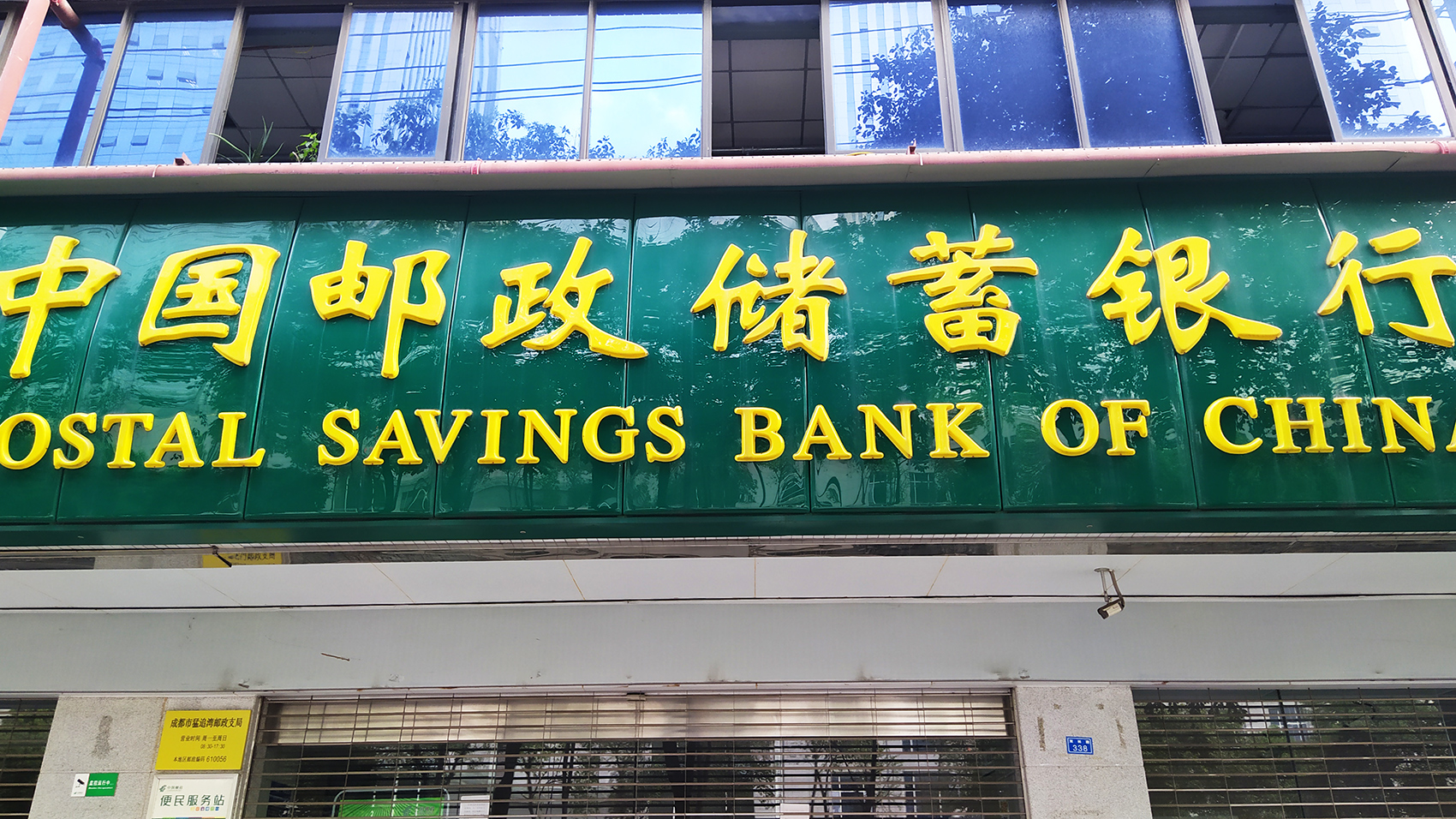
又一家大行关停信用卡App
Di Yi Cai Jing Zi Xun· 2025-12-23 12:29
Core Viewpoint - The trend of integrating credit card services into main banking apps is accelerating as banks face slowing user growth and rising customer acquisition costs, leading to the closure of independent credit card apps [2][3][6] Group 1: Bank Actions - Postal Savings Bank of China announced the gradual cessation of updates to its "Postal Savings Credit Card App," migrating functions to the "Postal Savings Bank App" [3] - China Bank was the first major state-owned bank to close its independent credit card app, integrating services into the "China Bank App" [3] - Several smaller banks, including Jiangxi Bank and Beijing Rural Commercial Bank, have also shut down or integrated their credit card apps into main mobile banking platforms [4] Group 2: Market Dynamics - The credit card industry has shifted from rapid expansion to a phase of stock competition, with growth in card issuance slowing and some banks experiencing declines in card volume [6] - The operational costs of maintaining independent credit card apps have become unsustainable due to overlapping functionalities and the need for continuous updates and security measures [6][7] Group 3: User Experience and Regulatory Influence - Users prefer a unified app experience, as managing multiple apps for different services leads to a fragmented service experience [7] - Regulatory guidance has emphasized the need for banks to optimize or terminate underperforming apps, supporting the trend towards app consolidation [7] Group 4: Future Trends - The integration of credit card services into main apps is seen as an upgrade in service delivery rather than a reduction in credit card offerings [8] - Future banking strategies will focus on enhancing user experience through data-driven personalized services and integrating financial services with everyday life [8][9] - Banks are expected to face challenges in technology integration and user adaptation during this transition, necessitating investments in IT infrastructure and security [8]


又一家大行关停信用卡App
第一财经· 2025-12-23 11:35
Core Viewpoint - The article discusses the trend of banks, particularly state-owned banks, integrating credit card services into their main banking apps, leading to the shutdown of independent credit card apps due to rising operational costs and changing user preferences [3][5][6]. Group 1: Bank Actions - Postal Savings Bank of China announced the gradual cessation of its independent credit card app, integrating its functions into the main Postal Savings Bank app, ensuring that customer services remain unaffected [5][6]. - China Bank was the first major state-owned bank to close its independent credit card app, merging its services into the "China Bank App" [6]. - Several smaller banks have also shut down or integrated their credit card apps into their main banking platforms, indicating a broader trend across the banking sector [6][7]. Group 2: Market Environment - The credit card industry has shifted from rapid expansion to a phase of stock competition, with growth in credit card issuance slowing down and some banks experiencing a decline in card numbers [6][7]. - The operational costs of maintaining independent credit card apps have become unsustainable compared to the value they provide, leading to their closure [7]. Group 3: User Experience and Regulatory Influence - Users have faced challenges with multiple apps, leading to a demand for a unified platform that enhances service experience and reduces the need for frequent app switching [7][8]. - Regulatory guidance has encouraged banks to optimize or terminate underperforming apps, further supporting the trend of app integration [8]. Group 4: Future Trends - The integration of credit card services into main banking apps is seen as an upgrade in service delivery, focusing on better user experience and operational efficiency [8][9]. - Future banking strategies may include expanding functionalities in main apps, such as wealth management and enhanced security features, to increase user engagement [9].

“瘦身”成大势所趋,又一家大行关停信用卡App
Di Yi Cai Jing· 2025-12-23 11:03
Core Viewpoint - The trend of integrating credit card services into main banking apps is accelerating, driven by user growth slowdown and rising customer acquisition costs, leading to the closure of independent credit card apps by several banks [1][2][4]. Group 1: Bank Actions - Postal Savings Bank announced the gradual integration of credit card functions into the "Postal Savings Bank App," ceasing updates for the "Postal Credit Card App" [1][2]. - China Bank was the first major state-owned bank to close its independent credit card app, merging its services into the "China Bank App" [2]. - Other banks, including Jiangxi Bank and Beijing Rural Commercial Bank, have also shut down or integrated their credit card apps into main mobile banking platforms [3]. Group 2: Market Environment - The credit card industry has shifted from rapid expansion to a phase of stock competition, with growth in card issuance slowing and some banks experiencing a decline in card numbers [4]. - The operational costs of maintaining independent credit card apps have become unsustainable due to overlapping functionalities and user dispersion [4]. Group 3: User Experience and Regulatory Influence - Users prefer a unified app experience, as managing multiple apps for different services has become cumbersome [5]. - Regulatory guidance has emphasized the need for banks to optimize or terminate underperforming apps, supporting the trend of app consolidation [5]. Group 4: Future Trends - The integration of credit card services into main apps is seen as an upgrade in service form and operational logic, focusing on enhancing user experience and efficiency [6]. - The digital transformation in banking is moving towards specialization, personalized services, and ecosystem integration, with banks needing to address challenges in technology compatibility and user adaptation [6]. - Future developments may include expanding functionalities in wealth management and enhancing security measures, such as biometric authentication [6][7].
继中行关停“缤彩生活”之后,又一大行整合独立信用卡APP!
Xin Lang Cai Jing· 2025-12-23 10:08
Core Viewpoint - Postal Savings Bank of China announced the integration of its independent credit card app into the main Postal Bank app, marking a shift in strategy as the bank aims to enhance user experience and reduce operational costs [1][6]. Group 1: App Integration and User Transition - The independent "Postal Credit Card App" will gradually cease updates, with all functionalities migrating to the "Postal Bank App" [1][6]. - As of November 15, the bank had already suspended new user registrations and card activations for the independent app, offering incentives such as 228 yuan in discounts to facilitate user transition [2][7]. - This move follows a trend among major state-owned banks, with Bank of China having already closed its independent credit card app in September [2][7]. Group 2: Market Trends and Regulatory Environment - The closure of independent credit card apps reflects a broader industry trend as banks shift from high-growth strategies to focusing on existing customer bases amid rising customer acquisition costs [2][3]. - Regulatory guidance from the National Financial Supervision Administration emphasizes the need for financial institutions to optimize or terminate low-activity apps, promoting a "less is more" approach [2][3]. Group 3: Structural Adjustments in Banking - Experts suggest that the integration is driven by the need to reduce costs and improve user experience, as the profitability of credit card services has been declining [3][8]. - Several banks have restructured their credit card divisions, indicating a shift in organizational strategy to enhance service efficiency [3][8]. Group 4: Product Strategy Changes - The issuance of co-branded credit cards has significantly decreased, with major banks halting nearly 100 co-branded cards due to high costs and low user engagement [4][9]. - Credit card benefits are also being reduced, with at least eight banks adjusting their offerings in various sectors, reflecting a reevaluation of cost-effectiveness [4][9]. Group 5: Market Dynamics and Future Outlook - The credit card market is undergoing structural adjustments, with the total number of credit cards in China decreasing to 707 million by the end of Q3 2025, down by 20 million from the beginning of the year [10]. - The industry is transitioning from "incremental expansion" to "deep cultivation of existing customers," focusing on efficiency, user experience, and sustainable development [5][10].
消失的信用卡App
Bei Jing Shang Bao· 2025-12-22 12:59
Core Insights - A trend of "streamlining and integration" of credit card apps across state-owned banks, joint-stock banks, and regional banks is accelerating, with Postal Savings Bank being the latest to announce the integration of its credit card app into its main banking app [1][3] - This shift reflects a significant transformation in the banking industry's digital strategy, moving from "expansion" to "refinement," indicating a new phase of "reducing quantity while improving quality" in online credit card services [1][8] Group 1: Integration of Credit Card Apps - Postal Savings Bank will gradually stop updating its "Postal Credit Card App," migrating all functions to the "Postal Bank App," following China Bank's earlier move to close its independent credit card app [3][4] - The integration aims to enhance operational efficiency and user experience by consolidating resources and focusing on the main app ecosystem [5][6] - The trend of integrating independent credit card apps is not limited to large banks; smaller banks like Beijing Rural Commercial Bank and Jiangxi Bank have also closed their credit card apps, merging services into their mobile banking platforms [7][8] Group 2: Industry Context and Drivers - The rise of independent credit card apps began around 2015, aiming to create a "financial + lifestyle" ecosystem, but as competition intensified, these apps became burdensome due to overlapping functionalities and low user engagement [6][10] - Regulatory pressures and the need for cost reduction are driving banks to optimize or terminate underperforming mobile applications, as highlighted by the recent guidelines from the National Financial Regulatory Administration [7][9] - The future of credit card services is expected to evolve into a "main app + diversified lightweight touchpoints" model, where the main app serves as a comprehensive platform while maintaining personalized services through various channels [9][10]

银行整合旗下信用卡、直销银行App 折射数字化转型新趋势
Zheng Quan Ri Bao· 2025-11-11 16:12
Core Insights - The trend of "thinning" bank apps is becoming increasingly significant, with independent credit card apps and direct banking apps being the main categories for shutdown and integration [1][2] - Several banks, including China Bank, are consolidating their credit card app functionalities into their main banking apps, reflecting a shift towards centralized services [1] - The closure of direct banking apps is also on the rise, with Beijing Bank announcing the cessation of its direct banking app and website, migrating functionalities to its main app [1] Industry Trends - The decline in the proportion of credit card business within banks' credit structures and the redundancy of functions in independent apps are driving the integration trend [2] - The shift from a multi-app operation model to a focus on a single, comprehensive app is aimed at reducing maintenance costs and meeting user demand for one-stop services [2][3] - Regulatory pressures for financial client app registration are also prompting banks to streamline redundant applications, enhancing the usage frequency and data security of main platforms [2] Digital Transformation - The banking industry's digital transformation is characterized by three new trends: moving from "many and complete" to "focused and specialized," shifting from product-oriented to user-oriented services, and evolving from isolated online services to integrated ecosystems [3] - Challenges in the app integration process include technical compatibility, user habit migration, and data security [3] - Recommendations for banks include optimizing mobile ecosystems, enhancing digital capabilities, exploring diversified services, and ensuring compliance and security during data migration [3]

银行App主动“瘦身”,究竟图个啥?
Da Zhong Ri Bao· 2025-11-11 07:05
Core Viewpoint - The recent trend of banks shutting down their mobile applications is driven by low user engagement, operational cost pressures, and regulatory requirements, leading to a consolidation of services into fewer, more efficient apps [1][2]. Group 1: Reasons for App Shutdown - Multiple banks, including state-owned and major city commercial banks, have announced the closure of their mobile apps due to low usage and engagement, which results in resource wastage [1]. - As of 2024, over 10 small and medium-sized banks have already discontinued their credit card apps, with at least six more expected to do so by October 2025, integrating their functions into main banking apps [1]. - The trend of shutting down direct banking apps began earlier, with at least 21 banks ceasing operations of their direct banking apps in 2023 [1]. Group 2: Industry Insights - Operational cost pressure is a significant factor driving banks to close underperforming apps, allowing for better resource allocation and cost reduction [2]. - The rise of internet finance and increased market competition have led to a diversion of users from traditional banking apps, prompting banks to consolidate their offerings to enhance competitiveness [2]. - Regulatory guidance from the National Financial Supervision Administration emphasizes the need for banks to optimize or terminate apps that have low user engagement, poor user experience, redundant functions, or compliance risks [2]. Group 3: User Perspective - The closure of redundant apps is seen as a win-win situation for both banks and users, as users prefer a single, multifunctional app that is efficient, secure, and convenient [2].