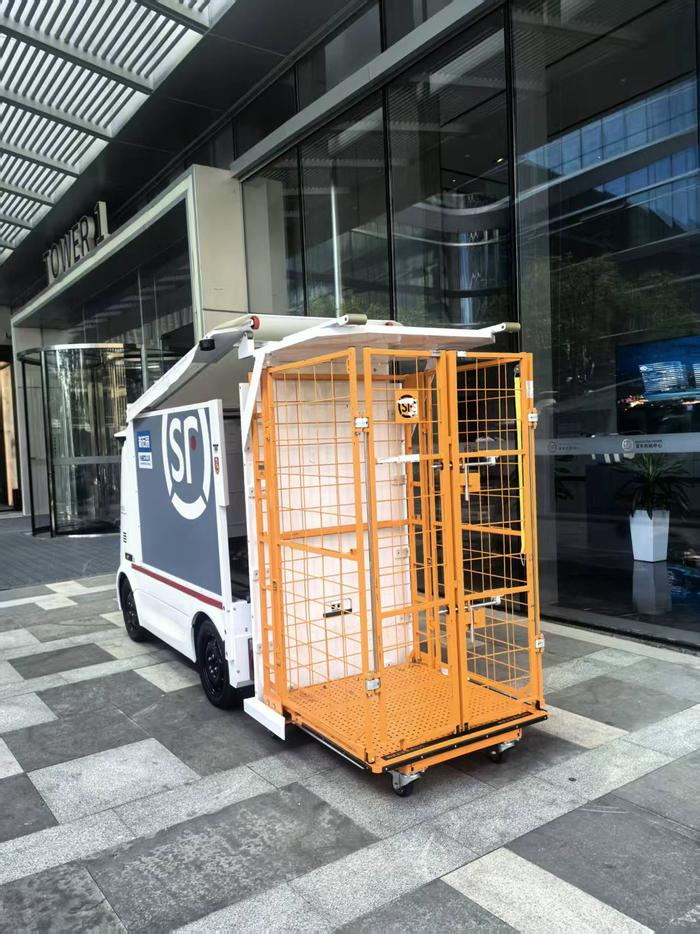
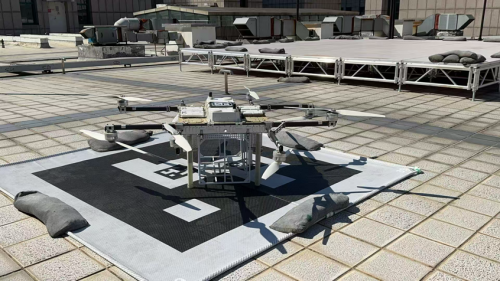
丰翼方舟40无人机

Search documents
粤港澳大湾区领跑低空经济新赛道
Ren Min Ri Bao Hai Wai Ban· 2026-01-07 23:00
Core Insights - The Guangdong-Hong Kong-Macao Greater Bay Area is positioned as a leading hub for the emerging low-altitude economy, with significant policy support and industry collaboration [2][4]. Group 1: Event Overview - The 2025 Greater Bay Area Low Altitude Economy High-Quality Development Conference was held in Guangzhou, showcasing the region's commitment to developing a comprehensive low-altitude economic ecosystem [2]. - Various flying vehicles were presented, including drones and air ambulances, illustrating the practical applications of low-altitude economic initiatives [3]. Group 2: Market Potential - The low-altitude economy market in China is projected to reach 1.5 trillion yuan by 2025 and is expected to exceed 2 trillion yuan by 2030, with Guangdong accounting for over 30% of the industry chain [4]. - Guangdong is set to produce 6.94 million civilian drones in 2024, leading the nation with a 95% market share in consumer drones and 54% in industrial drones [4]. Group 3: Policy Initiatives - New policies were introduced to support low-altitude economic infrastructure, technological innovation, and management services, including a comprehensive low-altitude airspace management reform plan [5]. - The "Twelve Measures for Low Altitude Finance" were released to enhance financial support for low-altitude economic clusters, focusing on systemic support and collaboration [5]. Group 4: Infrastructure and Talent Development - The Guangdong Low Altitude Flight Comprehensive Management Service Platform was launched, capable of monitoring over 50,000 flights daily and processing 80 million data points [6]. - A talent cultivation service platform for the low-altitude economy was established, aiming to build a robust talent pool for the sector's development [6]. Group 5: Collaborative Efforts - Multiple cities in the Greater Bay Area are collaborating to drive low-altitude economic growth, with Guangzhou planning significant infrastructure developments and a government fund of 20 billion yuan to support the industry [7]. - Hong Kong and Macau are also taking steps to establish regulatory frameworks and support systems for low-altitude economic development [7]. Group 6: Future Development - The "2025 Greater Bay Area Low Altitude Economy Blue Book" emphasizes the importance of collaborative integration among core cities like Guangzhou, Shenzhen, and Zhuhai, and the need for cross-border cooperation with Hong Kong and Macau [8].

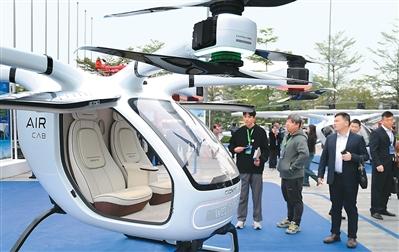
大湾区低空经济掘金千亿风口
21世纪经济报道· 2025-12-27 12:35
Core Viewpoint - The development of the low-altitude economy hinges on identifying real scene demands, with a focus on high-frequency, low-risk scenarios to drive regulatory and management improvements [1]. Low-altitude Logistics: Competition Among Tech Giants - Major companies like JD.com, Meituan, and SF Express are actively competing in the low-altitude logistics sector, showcasing their unmanned aerial vehicles (UAVs) [3][6]. - JD.com plans to achieve normalized operations for its drones and unmanned vehicles by 2025, with significant logistics improvements in the Greater Bay Area, including a 70% increase in transportation efficiency for medical supplies across the Pearl River [4][6]. - Meituan has launched 65 flight routes and completed 740,000 commercial orders by December, with a focus on instant delivery services [6]. - SF Express has established 1,400 flight routes and operates over 1,000 drones, aiming to expand its coverage in the Greater Bay Area [8]. Low-altitude Cultural Tourism: A New Consumption Trend - The low-altitude cultural tourism sector is transitioning from niche experiences to mass consumption, projected to reach a market size of 200 billion yuan by 2030 [10][12]. - The Ministry of Culture and Tourism and the Civil Aviation Administration have issued a plan to support the development of low-altitude tourism, encouraging the creation of unique routes and products [14]. - Guangzhou is leading in low-altitude tourism development, with plans for 10 low-altitude takeoff and landing bases and a government fund of 20 billion yuan to support the industry [14]. - The integration of low-altitude tourism with various applications, such as aerial sightseeing and emergency rescue, provides a testing ground for regulatory frameworks and operational safety [15]. Business Model Validation - The profitability of low-altitude tourism has been validated, with operators beginning to generate revenue, indicating a significant step towards the economic viability of the low-altitude sector [17].

顺丰同城打造“无人机+末端配送”新模式,为武汉血液运输提供全场景运力保障
Hang Zhou Ri Bao· 2025-10-06 10:29
Core Insights - SF Express has partnered with Wuhan Children's Hospital to launch an integrated blood transportation service using drones and ground delivery, enhancing the efficiency and flexibility of medical logistics [1][5][6] Group 1: Service Overview - The new service combines SF Express's drone resources with flexible last-mile delivery capabilities, achieving full-scenario coverage through a "sky + ground" model [1][5] - The first operational route covers 11 kilometers, significantly reducing blood transportation time from over 1 hour to approximately 10 minutes [3][5] Group 2: Operational Efficiency - The drone, Fengyi Ark 40, can transport up to 40 units (8000cc) of blood in a single flight, meeting the daily blood demand of a medium to large hospital [3] - The integrated delivery model allows for flexible scheduling based on weather and demand, ensuring stable and timely delivery of medical supplies [5][6] Group 3: Cost and Resource Optimization - By utilizing third-party services, hospitals can optimize operational costs, reducing the need for dedicated blood collection teams and associated fixed expenses [5][6] - The "sky + ground" model enhances emergency blood supply capabilities, allowing hospitals to respond effectively to sudden demands or adverse weather conditions [6] Group 4: Future Expansion - Following the successful operation of the initial route, the model is expected to expand to other delivery lines, improving the urgent transportation of medical supplies [8] - The integrated delivery service may also extend to other high-efficiency logistics sectors, showcasing its value in low-altitude logistics applications [8]
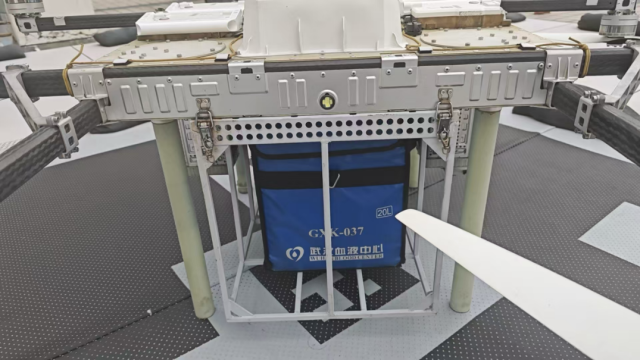
顺丰同城协同顺丰速运推出空地一体化配送服务 助力医疗物资紧急输送
Zheng Quan Shi Bao Wang· 2025-09-30 11:40
Core Insights - SF Express collaborates with Wuhan Children's Hospital to launch an integrated blood transportation service using drones and ground delivery [1][2] - The service significantly reduces transportation time for medical supplies from over 1 hour to approximately 10 minutes [1][2] Group 1: Service Overview - The new service combines SF Express's drone resources with flexible last-mile delivery capabilities, ensuring full-scenario coverage for medical material transport [1] - The first operational route covers 11 kilometers, with the drone capable of transporting up to 40 units (8000cc) of blood in a single flight [1][2] Group 2: Operational Efficiency - Previously, hospitals required ambulances to retrieve blood from the Wuhan Blood Center, taking about 1 hour, or up to 1.5 hours during peak traffic [2] - The integrated "air + ground" delivery model allows for flexible adjustments based on weather and demand, ensuring timely delivery of emergency medical supplies [2] Group 3: Cost and Resource Optimization - The introduction of third-party services optimizes operational costs for hospitals by reducing the need for dedicated blood retrieval teams, thus lowering fixed expenses related to manpower and vehicles [2] - The service enhances the blood supply capability during emergencies or adverse weather, significantly improving emergency response times [2] Group 4: Future Expansion - Following the successful operation of the initial route, the model is expected to expand to other delivery routes, enhancing the efficiency of urgent medical material transport [3] - The "air + ground" delivery service may also extend to other high-efficiency delivery sectors, showcasing its value in low-altitude logistics applications [3]

“无人机+末端配送”!空地一体化血液运输11公里10分钟到
Yang Zi Wan Bao Wang· 2025-09-30 09:23
Core Viewpoint - The collaboration between SF Express and Wuhan Children's Hospital introduces an integrated "air + ground" blood transportation service, significantly reducing delivery time from over 1 hour to approximately 10 minutes for an 11-kilometer route [1][3]. Group 1: Service Details - The service utilizes the Fengyi Ark 40 drone, capable of transporting up to 40 units (8000cc) of blood in a single flight, meeting the daily blood demand of a medium to large hospital [3]. - The integrated delivery model allows for flexible scheduling based on weather and demand, using ground transport during adverse conditions and drone transport during favorable weather [5]. Group 2: Operational Efficiency - Previously, hospitals required an ambulance to retrieve blood from the Wuhan Blood Center, taking about 1 hour for a round trip, which could extend to 1.5 hours during peak traffic [5]. - The new model ensures timely delivery of emergency medical supplies under various weather conditions, with drones unaffected by urban traffic and requiring only about 10 square meters for takeoff [5]. Group 3: Future Expansion - Following the successful operation of the initial route, the service is expected to expand to additional delivery lines, enhancing the efficiency of emergency medical supply transport [5]. - The "air + ground" delivery service may also extend to other high-efficiency delivery sectors, showcasing its value in low-altitude logistics applications [5].
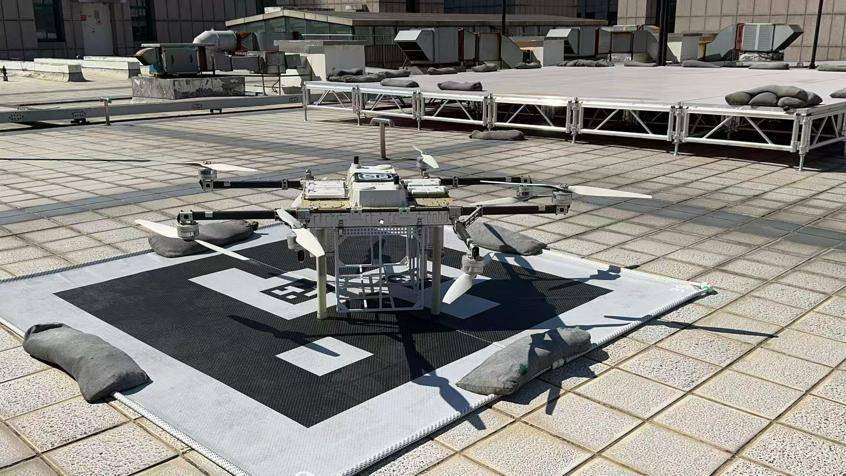
顺丰同城协同顺丰速运推出空地一体化配送服务,助力武汉血液运输航线精细化运营
Zhong Jin Zai Xian· 2025-09-30 06:45
Core Insights - SF Express has launched an integrated blood transportation service in collaboration with Wuhan Children's Hospital, utilizing both drone and ground delivery methods to enhance the efficiency and flexibility of medical logistics [1][4][6] Group 1: Service Overview - The new service combines SF Express's drone resources with flexible last-mile delivery capabilities, achieving full-scenario coverage through a "sky + ground" model [1][6] - The first operational route covers 11 kilometers, significantly reducing blood transportation time from over 1 hour to approximately 10 minutes [4][6] Group 2: Operational Efficiency - The drone, Fengyi Ark 40, can transport up to 40 units (8000cc) of blood in a single flight, meeting the daily blood supply needs of a medium to large hospital [4] - The integrated delivery model allows for flexible adjustments based on weather conditions and delivery demands, ensuring stable and timely delivery of medical supplies [6][8] Group 3: Cost and Resource Optimization - Hospitals benefit from reduced operational costs by eliminating the need for dedicated blood retrieval teams, thus lowering fixed expenses related to manpower and vehicles [8] - The "sky + ground" delivery system enhances the emergency blood supply capability, allowing hospitals to respond effectively to sudden demands or adverse weather conditions [8] Group 4: Future Expansion - Following the successful operation of the initial route, the integrated delivery model is expected to expand to other logistics routes, improving the efficiency of emergency medical supply transport [8] - This "sky + ground" service model may also extend to other high-efficiency delivery sectors, showcasing its value in low-altitude logistics applications [8]
顺丰唯一科技产业园落子杭州,构建智慧物流“样板间”
Xin Lang Cai Jing· 2025-08-16 09:58
Group 1 - The core point of the article highlights the advancements in logistics technology by SF Express, particularly the deployment of X3 unmanned vehicles and the Fengyi Ark 40 drones in Hangzhou, which significantly enhance operational efficiency and reduce costs [1][3][4] - SF Express has deployed 192 X3 unmanned vehicles in various districts of Hangzhou, which has reduced the unloading time for couriers from 20-30 minutes to almost instantaneous, leading to a 40% decrease in transportation costs and a 25-minute reduction in average working time per shift [1][4] - The Fengyi Ark 40 drones operate two delivery routes in Hangzhou, flying 12 to 15 flights daily, and can transport loads of up to 10 kilograms, reducing delivery time from 30 minutes by land to just 12 minutes [3][4] Group 2 - The SF Innovation Center, established in October 2020, is the only technology industrial park under SF Group, comprising six office clusters and nearly 50,000 square meters of supporting facilities, with over 130 companies and more than 4,000 employees [4][6] - The center focuses on smart logistics, artificial intelligence, and intelligent manufacturing, with smart logistics being the core industry, accounting for 50% of the industrial cluster [4][6] - The center has incubated 68 companies, with 11 receiving external financing, and has established a tech innovation fund in collaboration with Zhejiang University [6][7]