主权黄金债券

Search documents
印度人拥有的2.4万吨黄金,如何搞垮印度经济
创业邦· 2025-10-20 03:38
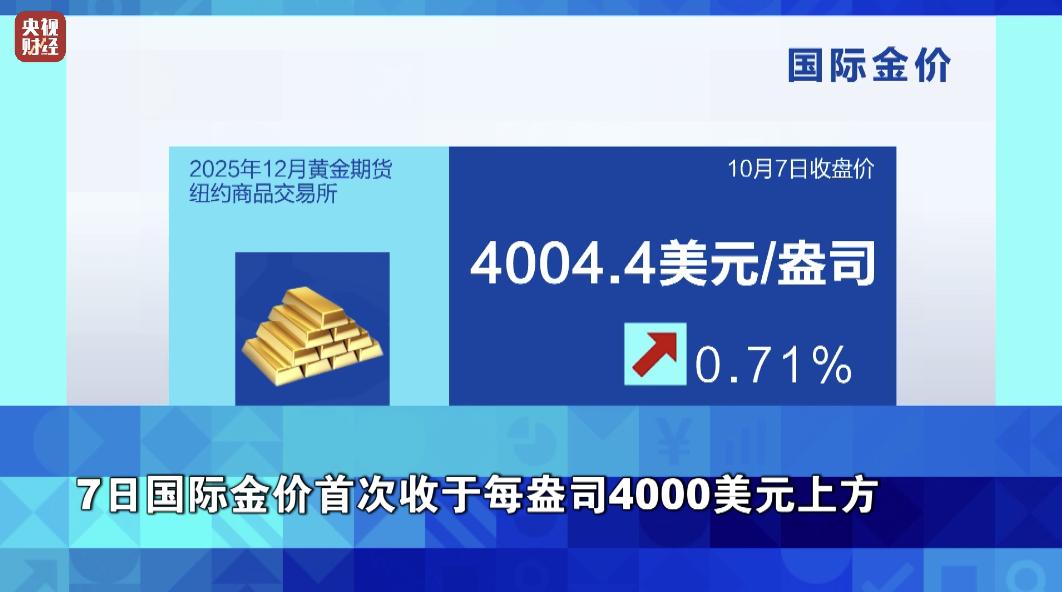
Core Viewpoint - The article discusses the contrasting trends in gold consumption between India and China, highlighting India's increasing demand for gold despite rising prices, while China's consumption is declining significantly [6][10]. Group 1: Gold Price Trends - Gold prices have surged dramatically, rising from $1,800 per ounce in early 2022 to $4,000 currently, marking a significant increase [6]. - In September, India's gold imports nearly doubled month-on-month, reaching approximately 120 tons [9]. Group 2: Consumption Patterns - In 2024, China's gold consumption is expected to drop by 10%, while India's is projected to rise by 6%, with a notable shift in gold jewelry consumption from 38% to 19% in China and from 20% to 35% in India [10]. - The article emphasizes that Indian consumers are increasingly purchasing gold jewelry, with a cultural inclination towards gold as a symbol of wealth and status [25][39]. Group 3: Cultural Significance of Gold in India - Gold holds a significant cultural and religious value in India, viewed as a symbol of purity and prosperity, deeply embedded in the Indian psyche [37][39]. - The tradition of gifting gold jewelry during weddings is prevalent, with families often saving gold for their daughters as a form of security and wealth [41]. Group 4: Economic Implications - India's gold imports account for 86% of its gold supply, with the country relying heavily on imports due to minimal domestic production [49]. - The high demand for gold leads to substantial foreign exchange expenditure, with gold and its products being the second-largest import item for India, amounting to $55.846 billion in the 2024-25 fiscal year [49]. Group 5: Government Policies and Challenges - The Indian government has attempted to curb gold demand by increasing import duties, which has led to a rise in gold smuggling activities [52][54]. - The introduction of Sovereign Gold Bonds aimed to mobilize "sleeping gold" has resulted in significant financial losses for the government, as the redemption prices have far exceeded the initial issue prices [57].


印度人拥有的2.4万吨黄金,如何搞垮印度经济
36氪· 2025-10-17 00:21
Core Viewpoint - The article discusses the contrasting behaviors of gold consumption in India and China amidst soaring gold prices, highlighting India's cultural obsession with gold and its implications for the economy [5][63]. Group 1: Gold Price Trends - Gold prices have surged dramatically, rising from $1,800 per ounce in early 2022 to $4,000 currently, marking a significant increase [5]. - In September, India's gold imports increased by nearly 100% month-on-month, amounting to approximately 120 tons [8]. Group 2: Consumption Patterns - In 2024, China's gold consumption is expected to drop by 10%, while India's is projected to rise by 6%, with a notable shift in gold jewelry consumption from 38% to 19% in China and from 20% to 35% in India [8]. - India's private gold holdings are estimated at 24,000 tons, accounting for about 11% of the world's total gold supply, surpassing the reserves of major economies [13]. Group 3: Cultural Significance of Gold - Gold is deeply embedded in Indian culture, viewed as a symbol of purity and prosperity, with significant importance placed on gold jewelry during weddings [47][53]. - The average Indian household allocates 35% to 40% of wedding expenses to gold jewelry, contrasting with only 10% in Western countries [33]. Group 4: Economic Implications - The reliance on gold as a savings mechanism leads to a significant portion of wealth being "frozen," with one-third of savings held in gold jewelry, limiting economic circulation [66]. - India's gold imports accounted for $55.846 billion in the 2024-25 fiscal year, representing the second-largest trade item, which drains foreign exchange without contributing significantly to economic value [66]. Group 5: Government Policies and Challenges - The Indian government has raised gold import duties multiple times to curb demand, with the current rate at 15% [67]. - Despite efforts to activate "sleeping gold" through sovereign gold bonds, the government faces significant losses as redemption prices have soared, leading to a situation where the public continues to purchase gold regardless of economic policies [78].

印度人拥有的2.4万吨黄金,如何搞垮印度经济
3 6 Ke· 2025-10-13 23:57
Core Viewpoint - The gold market in India is experiencing a significant surge in demand, contrasting sharply with declining consumption in China, driven by cultural factors and economic instability [3][41]. Group 1: Gold Price Trends - Gold prices have skyrocketed from $1,800 per ounce in early 2022 to $4,000 currently, reaching new highs [1]. - In September, India's gold imports increased nearly 100% month-on-month, amounting to approximately 120 tons [3]. Group 2: Consumption Patterns - In 2024, China's gold consumption is expected to drop by 10%, while India's is projected to rise by 6%, with a notable increase in gold jewelry consumption [3]. - India's share of global gold jewelry consumption rose from 20% to 35%, while China's share plummeted from 38% to 19% [3]. Group 3: Cultural Significance of Gold in India - Gold is deeply embedded in Indian culture, viewed as a symbol of purity and prosperity, with significant importance in religious practices and weddings [30][31]. - Many Indian families begin saving gold for their daughters from birth, as it serves as a form of wealth and security in marriage [33]. Group 4: Economic Implications - Approximately 51% of India's gold demand comes from the middle-income class, while 30% comes from the lower-income group, indicating a widespread cultural affinity for gold despite economic constraints [29]. - The reliance on gold as a savings mechanism has led to a significant portion of wealth being "frozen" in the form of jewelry, which does not contribute to economic circulation [42][44]. Group 5: Government Policies and Challenges - The Indian government has raised gold import duties multiple times to curb demand, leading to a rise in gold smuggling activities [47][49]. - The introduction of sovereign gold bonds aimed at mobilizing "sleeping gold" has resulted in significant financial losses for the government, as redemption prices have soared [56].