黄金储蓄

Search documents
俄罗斯央行,确认出售实物黄金!弥补国家预算所需资金
Sou Hu Cai Jing· 2025-11-22 05:12
Core Viewpoint - The Central Bank of Russia has begun selling physical gold reserves to address budgetary needs, following significant foreign currency reserve freezes due to sanctions related to the Ukraine crisis [1] Group 1: Gold Reserves and Sales - The Central Bank of Russia confirmed it has started selling physical gold reserves, although it did not disclose the timing or scale of these sales [1] - Russia holds over 2,300 tons of gold, making it the fifth-largest holder of gold reserves globally [1] Group 2: Impact of Sanctions - Since the escalation of the Ukraine crisis in February 2022, the EU and G7 have frozen nearly half of Russia's foreign currency reserves, totaling approximately €300 billion, with around €200 billion held in European clearing banks [1] - As the world's second-largest gold producer, Russia mines over 300 tons of gold annually, but since 2022, Russian gold bars have been banned from Western markets [1] Group 3: Domestic Gold Demand - To stimulate domestic demand for gold, Russia has eliminated value-added tax on retail gold purchases and is assisting sanctioned mining companies in finding alternative export solutions [1] - A survey indicated that gold has become one of the most favored savings methods among Russians, with consumer purchases of retail gold expected to reach 62.2 tons this year, comparable to national reserves of Spain or Austria [1][2] Group 4: Changing Savings Preferences - Following the imposition of sanctions, the convenience of using Western currencies for savings has decreased, leading to an increased demand for gold since 2022 [2]
印度人拥有的2.4万吨黄金,如何搞垮印度经济
虎嗅APP· 2025-10-16 10:31
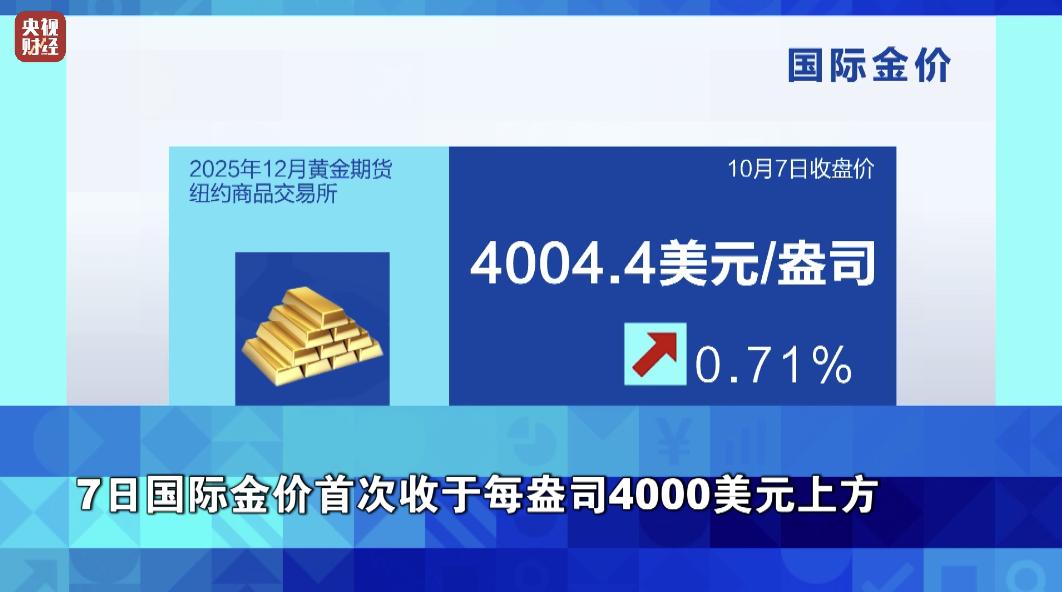
Core Viewpoint - The article discusses the contrasting trends in gold consumption between India and China, highlighting India's increasing demand for gold despite rising prices, while China's consumption is declining significantly [5][8][28]. Group 1: Gold Market Dynamics - Gold prices have surged dramatically, reaching $4000 per ounce from $1800 in early 2022, leading to a significant increase in gold imports in India, which rose nearly 100% month-on-month in September [5][8]. - In 2024, China's gold consumption is expected to drop by 10%, while India's is projected to increase by 6%, with gold jewelry consumption in China plummeting from 38% to 19% of global gold jewelry consumption, while India's share rose from 20% to 35% [8][28]. Group 2: Cultural Significance of Gold in India - India holds approximately 24,000 tons of gold in private hands, accounting for about 11% of the world's total gold supply, surpassing the reserves of major economies [11][12]. - Gold is deeply embedded in Indian culture and religion, viewed as a symbol of purity and prosperity, with significant importance placed on gold jewelry during weddings and festivals [21][22]. Group 3: Economic Implications of Gold Consumption - The reliance on gold as a savings mechanism has led to a situation where a third of India's savings are in the form of gold jewelry, which is not utilized in the economic cycle, effectively freezing wealth [27][28]. - India's gold imports account for 86% of its gold supply, leading to a significant trade deficit, with gold and its products being the second-largest import item, costing approximately $55.846 billion in the 2024-2025 fiscal year [28][32]. Group 4: Government Policies and Challenges - The Indian government has attempted to curb gold demand by increasing import duties, which has led to a rise in gold smuggling, as the price difference between legal and illegal gold becomes significant [32][33]. - The introduction of Sovereign Gold Bonds (SGB) aimed to mobilize gold savings has resulted in substantial losses for the government, as the redemption prices have far exceeded the initial issue prices, leading to a situation where the government is termed as the "world's most unfortunate gold short" [34][35].


印度人拥有的2.4万吨黄金,如何搞垮印度经济
3 6 Ke· 2025-10-13 23:57
Core Viewpoint - The gold market in India is experiencing a significant surge in demand, contrasting sharply with declining consumption in China, driven by cultural factors and economic instability [3][41]. Group 1: Gold Price Trends - Gold prices have skyrocketed from $1,800 per ounce in early 2022 to $4,000 currently, reaching new highs [1]. - In September, India's gold imports increased nearly 100% month-on-month, amounting to approximately 120 tons [3]. Group 2: Consumption Patterns - In 2024, China's gold consumption is expected to drop by 10%, while India's is projected to rise by 6%, with a notable increase in gold jewelry consumption [3]. - India's share of global gold jewelry consumption rose from 20% to 35%, while China's share plummeted from 38% to 19% [3]. Group 3: Cultural Significance of Gold in India - Gold is deeply embedded in Indian culture, viewed as a symbol of purity and prosperity, with significant importance in religious practices and weddings [30][31]. - Many Indian families begin saving gold for their daughters from birth, as it serves as a form of wealth and security in marriage [33]. Group 4: Economic Implications - Approximately 51% of India's gold demand comes from the middle-income class, while 30% comes from the lower-income group, indicating a widespread cultural affinity for gold despite economic constraints [29]. - The reliance on gold as a savings mechanism has led to a significant portion of wealth being "frozen" in the form of jewelry, which does not contribute to economic circulation [42][44]. Group 5: Government Policies and Challenges - The Indian government has raised gold import duties multiple times to curb demand, leading to a rise in gold smuggling activities [47][49]. - The introduction of sovereign gold bonds aimed at mobilizing "sleeping gold" has resulted in significant financial losses for the government, as redemption prices have soared [56].