
黄金加工与销售

Search documents
打金店1个月扫出1700克金粉,价值近200万,行业隐秘与黄金狂欢的真相
Sou Hu Cai Jing· 2026-02-06 00:11
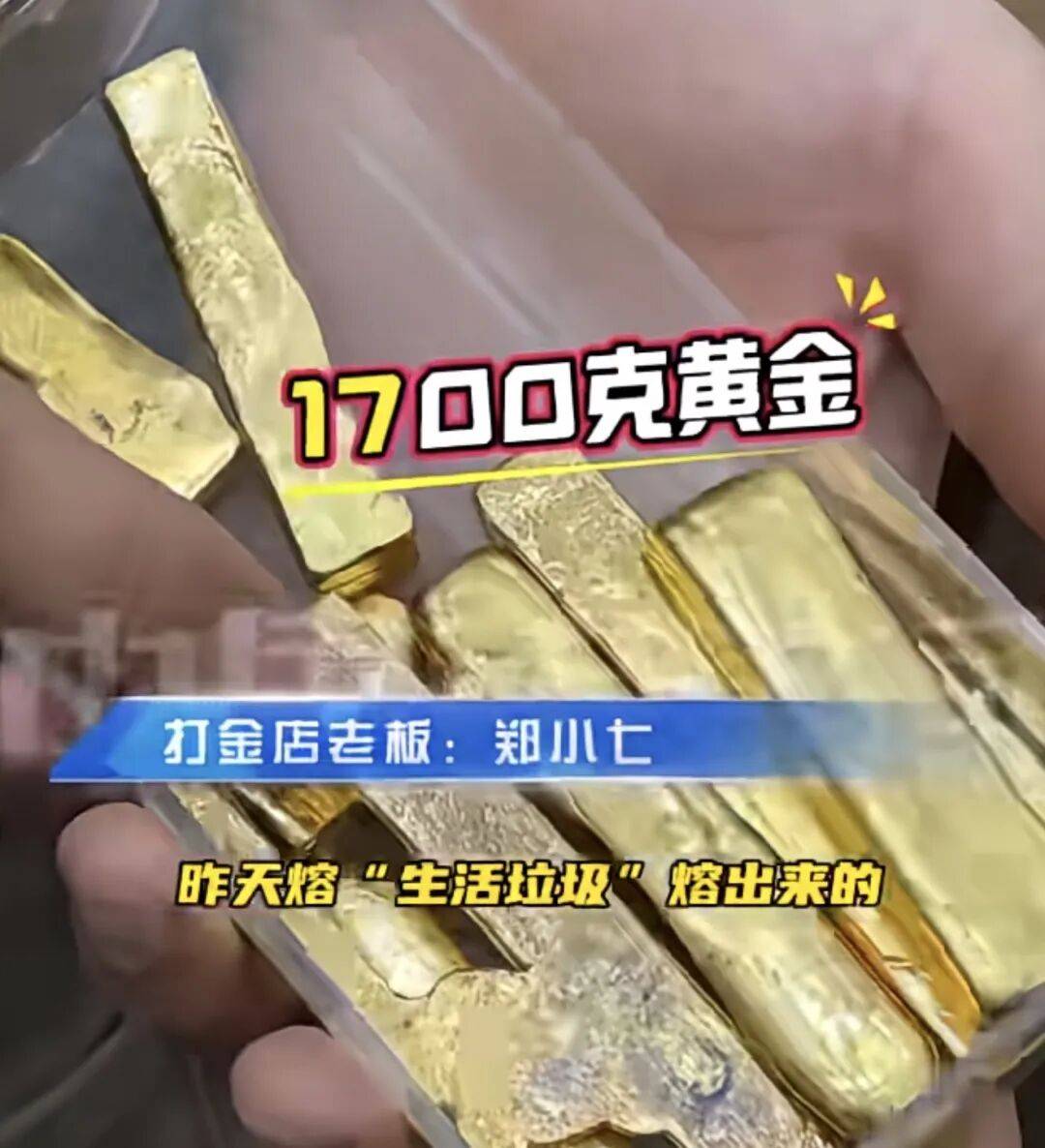
Core Viewpoint - A goldsmith in Hangzhou discovered 1700 grams of gold dust valued at nearly 2 million yuan from what he referred to as "household waste," raising questions about the legitimacy of such accumulation in a small gold processing shop [1][3]. Industry Insights - The gold dust's value, calculated at approximately 190 to 200 million yuan based on domestic gold prices, is deemed unusual by industry experts, as the normal loss rate in gold processing is between 0.1% and 0.25%, implying that 1700 grams of gold dust would require processing 680 kilograms to 1.7 tons of gold [4][6]. - Many industry insiders suggest that the accumulation of 1700 grams of gold dust is likely the result of years of collection rather than a single month's production, as the processing capacity of a typical small gold shop is far less than what would be required to generate such a quantity [4][6]. Processing and Sources - Gold dust is a byproduct of the gold processing stages, including polishing and grinding, where fine gold particles are lost and often discarded as waste. Reputable gold shops collect this dust using specialized equipment and recycle it through burning and refining processes [6]. - The surge in gold prices has led to increased business for goldsmiths, with many customers bringing in old gold jewelry for remaking or cashing in. However, the claim of significant gold dust accumulation raises concerns about potential over-processing and loss manipulation [6][7]. Ownership Disputes - The ownership of the gold dust has become a contentious issue, as customers argue that the dust represents a loss of their original gold items and should belong to them. If shops artificially inflate loss rates through excessive processing, it could be seen as a form of theft [7]. - Currently, there are no standardized regulations governing gold loss rates in the industry, leading to potential exploitation through misleading practices such as inaccurate weight measurements and inflated loss claims [7][9]. Regulatory Environment - In December 2025, the China Gold Association introduced guidelines aimed at improving transparency in gold recycling, mandating that the weighing and pricing processes be monitored in the presence of customers to address longstanding issues of ambiguity and lack of oversight [9]. - Despite these regulations, the gold recycling market still faces numerous risks, including fraudulent practices and manipulation of weighing equipment, which can lead to significant financial losses for consumers [9][10]. Market Reactions - The volatility in gold prices has created a challenging environment for goldsmiths, with some shops experiencing substantial losses due to sudden price drops. For instance, one shop reported a loss of approximately 2 million yuan due to a decline in gold value [10]. - The high gold prices have also sparked a trend of DIY gold processing, which can lead to high loss rates and safety hazards, including fire incidents from home melting operations [10].

浙江一打金店老板扫金粉扫出1700克黄金,老板:价值近200万元!
Sou Hu Cai Jing· 2026-02-05 02:51
Group 1 - The gold market has experienced significant volatility, with notable price fluctuations leading to increased demand for gold buying and selling activities [3] - On February 5, the spot gold price rose to $5,015.23 per ounce, marking a daily increase of over 1% [3] - A gold shop owner in Hangzhou reported collecting 1,700 grams of gold from what he termed "lifestyle waste," which he estimated to be worth around 2 million yuan [2] Group 2 - The increase in gold recovery business at gold shops is a direct response to the recent market trends and consumer behavior [3] - The gold shop owner expressed concerns about the perception of wealth associated with the amount of gold recovered from daily operations [2]
黄金跌价了,金条降价,25年12月24日国内黄金、足金、金条最新价
Sou Hu Cai Jing· 2025-12-26 13:15
Group 1 - The core viewpoint of the article highlights the significant increase in domestic gold prices, with the price per gram generally surpassing 1400 RMB, alongside a rise in platinum and palladium prices, prompting domestic exchanges to implement risk control measures. Analysts attribute this to factors such as easing inflation, expectations of interest rate cuts, geopolitical risks, and central bank gold purchases, with Goldman Sachs predicting gold prices could reach 4900 USD by 2026 [1] Group 2 - Recent retail gold prices in domestic stores have shown a notable decline, particularly in cities like Haikou and Shenzhen, where the price difference for the same gold purity can reach approximately 17 RMB per gram, leading to a potential price gap of over 500 RMB for a 30-gram gold ornament [1] - The lower gold prices in Shenzhen are primarily due to its proximity to a major gold distribution center, resulting in abundant supply and competition, which helps to lower retail prices. In contrast, Haikou relies on external sourcing, leading to higher logistics costs and a greater markup due to strong tourism demand [1] Group 3 - There is a significant disparity in processing fees across different regions, which can greatly affect the overall cost of purchasing gold. For instance, processing fees for hard gold in Shenzhen may be around 100 RMB per gram, while fees in Hainan could be considerably higher, impacting the investment efficiency for consumers [3] Group 4 - The current market has seen increased transparency in pricing across various channels, yet substantial regional price differences and brand premiums remain. Consumers are advised to consider cross-city purchases carefully, as travel expenses may offset any potential savings from price differences [5] - There are objective pricing differences among brands, with similar gold ornaments showing significant price variations across different brands and sales channels. Consumers are encouraged to clarify their needs, focusing on standard gold bars or low-premium channels for investment, while for jewelry purchases, they should compare gold prices, processing fees, weight, and buyback policies to avoid hidden costs [6]
印度人拥有的2.4万吨黄金,如何搞垮印度经济
36氪· 2025-10-17 00:21
Core Viewpoint - The article discusses the contrasting behaviors of gold consumption in India and China amidst soaring gold prices, highlighting India's cultural obsession with gold and its implications for the economy [5][63]. Group 1: Gold Price Trends - Gold prices have surged dramatically, rising from $1,800 per ounce in early 2022 to $4,000 currently, marking a significant increase [5]. - In September, India's gold imports increased by nearly 100% month-on-month, amounting to approximately 120 tons [8]. Group 2: Consumption Patterns - In 2024, China's gold consumption is expected to drop by 10%, while India's is projected to rise by 6%, with a notable shift in gold jewelry consumption from 38% to 19% in China and from 20% to 35% in India [8]. - India's private gold holdings are estimated at 24,000 tons, accounting for about 11% of the world's total gold supply, surpassing the reserves of major economies [13]. Group 3: Cultural Significance of Gold - Gold is deeply embedded in Indian culture, viewed as a symbol of purity and prosperity, with significant importance placed on gold jewelry during weddings [47][53]. - The average Indian household allocates 35% to 40% of wedding expenses to gold jewelry, contrasting with only 10% in Western countries [33]. Group 4: Economic Implications - The reliance on gold as a savings mechanism leads to a significant portion of wealth being "frozen," with one-third of savings held in gold jewelry, limiting economic circulation [66]. - India's gold imports accounted for $55.846 billion in the 2024-25 fiscal year, representing the second-largest trade item, which drains foreign exchange without contributing significantly to economic value [66]. Group 5: Government Policies and Challenges - The Indian government has raised gold import duties multiple times to curb demand, with the current rate at 15% [67]. - Despite efforts to activate "sleeping gold" through sovereign gold bonds, the government faces significant losses as redemption prices have soared, leading to a situation where the public continues to purchase gold regardless of economic policies [78].

印度人拥有的2.4万吨黄金,如何搞垮印度经济
虎嗅APP· 2025-10-16 10:31
Core Viewpoint - The article discusses the contrasting trends in gold consumption between India and China, highlighting India's increasing demand for gold despite rising prices, while China's consumption is declining significantly [5][8][28]. Group 1: Gold Market Dynamics - Gold prices have surged dramatically, reaching $4000 per ounce from $1800 in early 2022, leading to a significant increase in gold imports in India, which rose nearly 100% month-on-month in September [5][8]. - In 2024, China's gold consumption is expected to drop by 10%, while India's is projected to increase by 6%, with gold jewelry consumption in China plummeting from 38% to 19% of global gold jewelry consumption, while India's share rose from 20% to 35% [8][28]. Group 2: Cultural Significance of Gold in India - India holds approximately 24,000 tons of gold in private hands, accounting for about 11% of the world's total gold supply, surpassing the reserves of major economies [11][12]. - Gold is deeply embedded in Indian culture and religion, viewed as a symbol of purity and prosperity, with significant importance placed on gold jewelry during weddings and festivals [21][22]. Group 3: Economic Implications of Gold Consumption - The reliance on gold as a savings mechanism has led to a situation where a third of India's savings are in the form of gold jewelry, which is not utilized in the economic cycle, effectively freezing wealth [27][28]. - India's gold imports account for 86% of its gold supply, leading to a significant trade deficit, with gold and its products being the second-largest import item, costing approximately $55.846 billion in the 2024-2025 fiscal year [28][32]. Group 4: Government Policies and Challenges - The Indian government has attempted to curb gold demand by increasing import duties, which has led to a rise in gold smuggling, as the price difference between legal and illegal gold becomes significant [32][33]. - The introduction of Sovereign Gold Bonds (SGB) aimed to mobilize gold savings has resulted in substantial losses for the government, as the redemption prices have far exceeded the initial issue prices, leading to a situation where the government is termed as the "world's most unfortunate gold short" [34][35].

投资者称买到“假金条”,工商银行回应:正在核实中
Di Yi Cai Jing· 2025-05-09 14:36
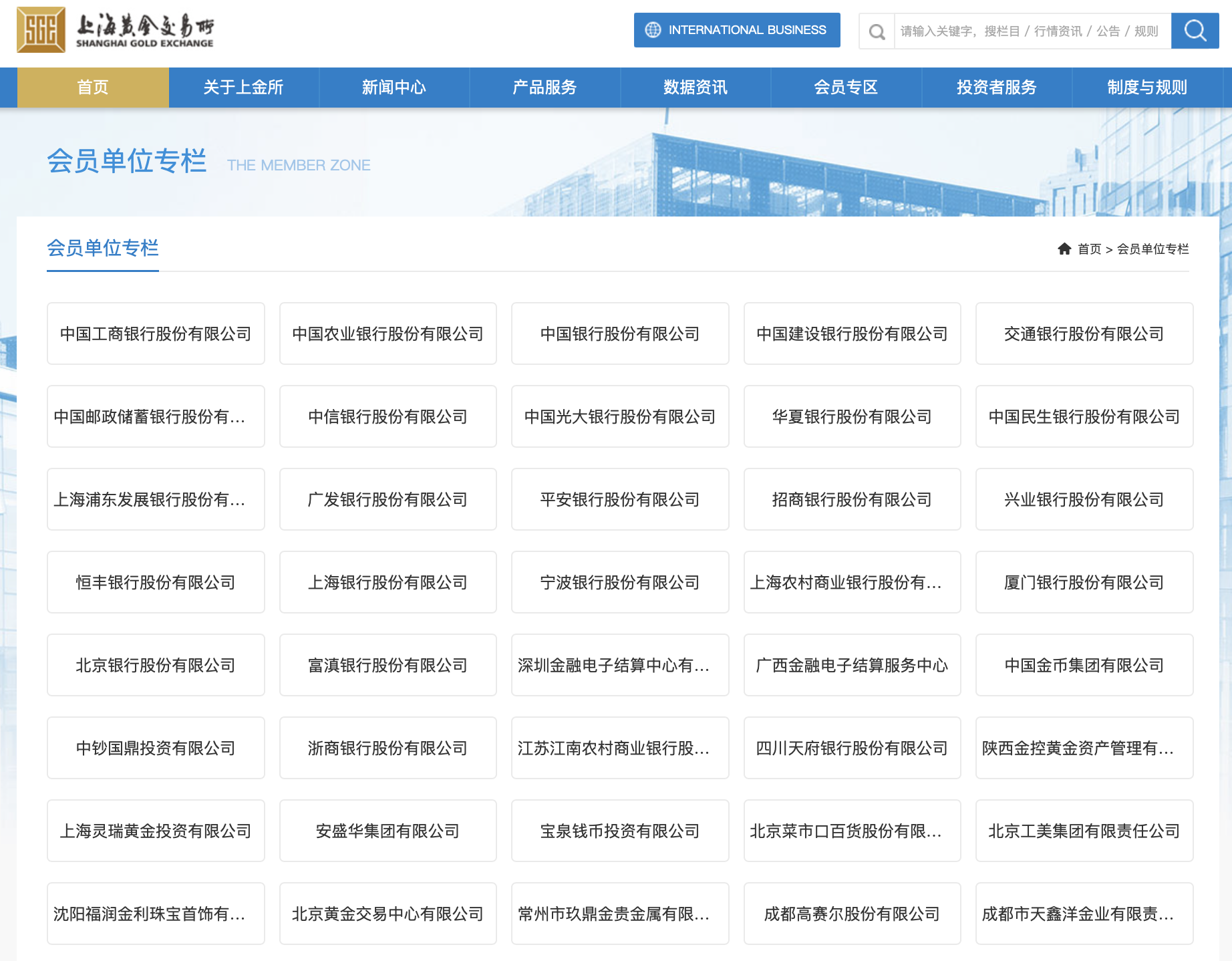
Group 1 - The core issue raised is the concern over the quality of gold bars purchased from banks, following reports of impurities found in these products [1] - The Industrial and Commercial Bank of China (ICBC) has acknowledged the issue and is verifying the claims made by customers regarding the gold bars [1] - The general manager of Swiss Metalor Precious Metals Suzhou stated that gold bars sold by state-owned banks are typically sourced from certified refineries, ensuring high credibility despite some market irregularities [1][3] Group 2 - Banks categorize their gold products into investment gold bars and themed gold bars, with different supply channels and pricing models [2] - Investment gold bars are supplied by members of the Shanghai Gold Exchange, including major companies like Shandong Gold and Metalor, and are marked with weight and purity information [3] - The price markup for investment gold bars ranges from 8 to 20 yuan per gram, while themed gold bars can have a markup of 70 to 180 yuan per gram due to their craftsmanship and branding [3] Group 3 - Banks also offer a gold buyback service, requiring that the gold products be in good condition and meet specific criteria for repurchase [7][8] - The buyback process includes thorough verification, but challenges exist due to the need for destructive testing at factories, which cannot be performed at bank branches [9] - The rise in gold prices has led to an increase in fraudulent activities, including the circulation of substandard gold bars that do not meet purity or weight standards [10] Group 4 - The Shanghai Gold Exchange has issued multiple risk warnings in response to significant fluctuations in precious metal prices, urging members to prepare risk management plans [11]

在银行买到“掺假金条”?业内:可能有两种情况
Zhong Guo Jing Ying Bao· 2025-05-09 04:41
Group 1 - Recent reports indicate concerns over the quality of gold bars sold by banks, with claims of impurities found inside the bars [1] - Banks typically rely on visual inspection, weight verification, and certificate validation for repurchasing gold bars, which may not effectively detect internal adulteration [2] - The rapid increase in gold prices has led to a rise in bank repurchase volumes, exposing potential industry pitfalls, such as stringent repurchase conditions and hidden fees [2] Group 2 - Consumers are advised to purchase gold from certified channels, retain complete packaging and purchase receipts, and use basic testing methods to identify potential issues [3] - The industry needs to enhance transparency and regulatory oversight to rebuild trust, including implementing stricter quality traceability systems for gold bars [3]