
黄金走私

Search documents
北京大兴机场海关查获600余克黄金
中国基金报· 2026-01-15 06:46
Group 1 - The article discusses a recent incident at Beijing Daxing Airport Customs where two travelers using the "green channel" were found with suspicious luggage during inspection [2] - A total of 6 pieces of gold products weighing approximately 603.96 grams were discovered in the hand luggage of the travelers, with an estimated value of around 590,000 RMB [3] - Gold and its products are classified as restricted items for entry and exit from the country, and travelers must declare any excess amounts to customs [5] Group 2 - The article highlights that concealing, disguising, or failing to declare restricted items to evade customs supervision constitutes smuggling, which can lead to criminal charges if the situation is severe [5]

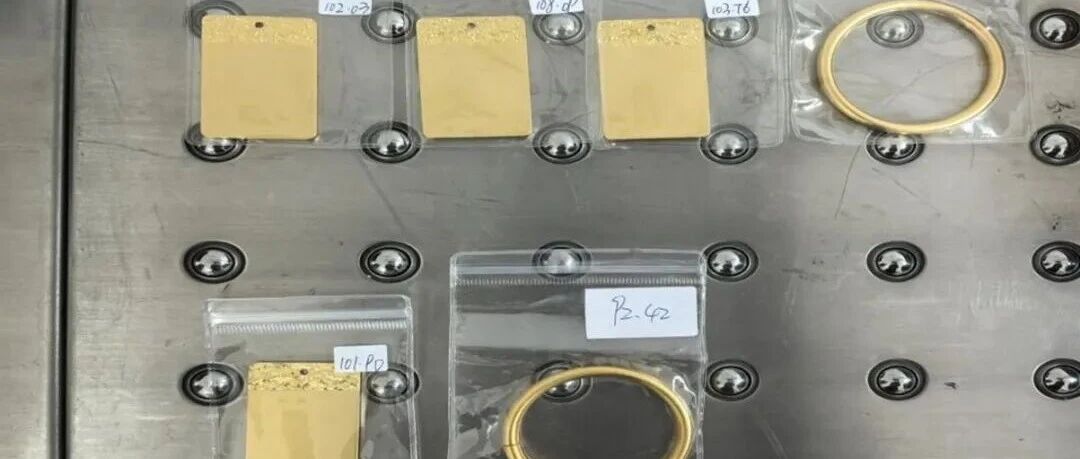
黑帮、直升机与消失的500吨黄金
华尔街见闻· 2026-01-02 10:55
Core Insights - The global gold price has reached a historic high of over $4,300 per ounce, leading to a surge in illegal gold smuggling, with an estimated 500 tons flowing into the hands of criminals annually, causing significant fiscal losses for gold-producing countries like Madagascar [2][6] - A "covert war" over gold control is unfolding between central banks and multinational smuggling groups, prompting many central banks to break from conventional practices and engage in direct gold acquisition [3][5] - Countries from Madagascar to Ecuador are no longer passively managing reserves but are actively intervening in the domestic artisanal gold mining sector to reclaim control over this strategic resource [4][5] Summary by Sections - **Illegal Gold Smuggling**: The soaring gold prices have exacerbated illegal mining and smuggling activities, with Madagascar's central bank estimating an annual gold production of 20 tons valued at approximately $2.8 billion, yet official export data shows almost no gold [7][8] - **Environmental and Social Crisis**: The economic losses from illegal gold activities are accompanied by environmental and social crises, such as mercury pollution in Ghana and drug gangs in Ecuador using gold mining for money laundering [9][10] - **Central Bank Acquisition Strategies**: To regain control, multiple central banks are implementing or expanding centralized acquisition plans. Ecuador's central bank is enhancing its domestic acquisition program, while Madagascar aims to increase its gold reserves from 1 ton to 4 tons through expanded purchases from artisanal miners [11][12] - **Long-term Success Examples**: Ghana is establishing a new central procurement group, "GoldBod," to regulate acquisitions and mitigate environmental damage, while Mongolia's long-standing acquisition program has effectively become a significant source of foreign exchange and reduced toxic mercury use in mining [13][14] - **Challenges of "Dirty Gold"**: Central banks face risks in ensuring that acquired gold is not "dirty gold." Many countries lack adequate due diligence and traceability mechanisms, which could lead to the purchase of illegally mined gold linked to conflict [15][16] - **Technological Solutions for Traceability**: To address traceability issues, Ecuador is testing a new system using isotope scanners to identify the chemical composition of ore, allowing for precise tracking of its origin. The World Gold Council is optimistic that advancements in traceability technology will significantly reduce the amount of gold flowing to criminals in the next decade [18][19]
黄金走私掏空国库!多国央行下场收购
Jin Shi Shu Ju· 2026-01-02 03:50
Core Viewpoint - The central theme of the articles revolves around the efforts of central banks in various countries, particularly Madagascar, to combat illegal gold smuggling and enhance the regulation of the gold industry amid soaring gold prices. Group 1: Madagascar's Gold Smuggling Issue - Madagascar's central bank governor estimates that the country produces 20 tons of gold annually, valued at approximately $2.8 billion, with most of it smuggled out illegally, resulting in significant tax and foreign exchange losses for the nation [1] - The governor aims to completely curb the gold smuggling industry within Madagascar, highlighting the advanced transportation methods used by criminal gangs [1] - The surge in gold prices, exceeding 60% and reaching over $4,300 per ounce, has intensified illegal mining and smuggling activities, prompting urgent regulatory actions [1] Group 2: Global Central Bank Initiatives - Central banks from countries like Ecuador, the Philippines, and Ghana are launching centralized gold acquisition plans to strengthen oversight of the gold sector [2] - The CEO of the World Gold Council noted that artisanal and small-scale mining accounts for about 1,000 tons of gold production annually, with a significant portion flowing into illegal channels [2] - Ghana established a new centralized gold acquisition agency, "GoldBod," in 2025 to address the political crisis stemming from mercury pollution caused by artisanal mining [2] Group 3: Ecuador's Gold Acquisition Plan - Ecuador's central bank has expanded its domestic gold acquisition program, which was initially launched in 2016, to attract miners with favorable purchase prices and quick settlement within 48 hours [3][4] - The focus on providing reasonable pricing is crucial to redirect miners away from illegal trading channels [4] Group 4: Challenges and Success Stories - The implementation of gold acquisition plans faces challenges, particularly in verifying the legality of the gold sourced, with many countries experiencing setbacks due to inadequate due diligence and traceability mechanisms [5] - Successful examples, such as Mongolia's gold acquisition program, have effectively eliminated the use of mercury in mining by enabling quick detection of mercury in the ore [5][6] - The Swiss Better Gold Association emphasizes the increasing difficulty of regulating the gold industry and improving mining standards amid rising gold prices [6] Group 5: Future of Gold Traceability - Current gold ore traceability technology is in its infancy but holds promise for ensuring compliance in gold sourcing [7] - Ecuador is testing a new traceability system using isotopic scanning to chemically identify ore, with other countries following suit [7] - The World Gold Council suggests that widespread implementation of such systems could drastically reduce the amount of gold flowing to illegal entities in the future [7]
持有量全球第一!穷人吃不起饭也穿金戴银,印度为何疯狂囤黄金?
Sou Hu Cai Jing· 2025-12-19 05:35
Core Viewpoint - India has a deep-rooted cultural and economic relationship with gold, which is evident in both affluent and impoverished communities, making it a significant symbol in Indian society [1][10]. Group 1: Economic Impact of Gold - India is the second-largest consumer of gold globally, with an annual consumption of 800 tons, trailing only China, which consumes 985 tons [5]. - The country relies heavily on imports for its gold supply, with 86% of the gold needed being imported, 13% sourced from recycling, and only 1% from mining [5]. - Gold imports are the second-largest after oil, with over 70% of gold being used for jewelry production, posing a significant economic challenge for India [7]. Group 2: Cultural Significance of Gold - Gold has been a part of Indian culture since ancient times, with archaeological findings of gold ornaments dating back to the 10th to 5th centuries BC [10]. - The Hindu religion plays a crucial role in the reverence for gold, with significant references in religious texts and practices, such as donations of gold to temples [10][12]. - The tradition of dowries in India necessitates that families prepare substantial amounts of gold for their daughters, with estimates suggesting that Indian households hold over 17,000 tons of gold [14]. Group 3: Challenges and Government Response - The obsession with gold has led to economic issues, including rampant smuggling and a black market, despite government efforts to regulate gold imports and consumption [16]. - Historical bans on gold imports were lifted in 1991, leading to a surge in gold consumption among the wealthy, which has contributed to widening economic disparities [16]. - Recent government initiatives to stabilize the economy have included plans to accumulate gold, further encouraging public interest in gold investment [16][18].
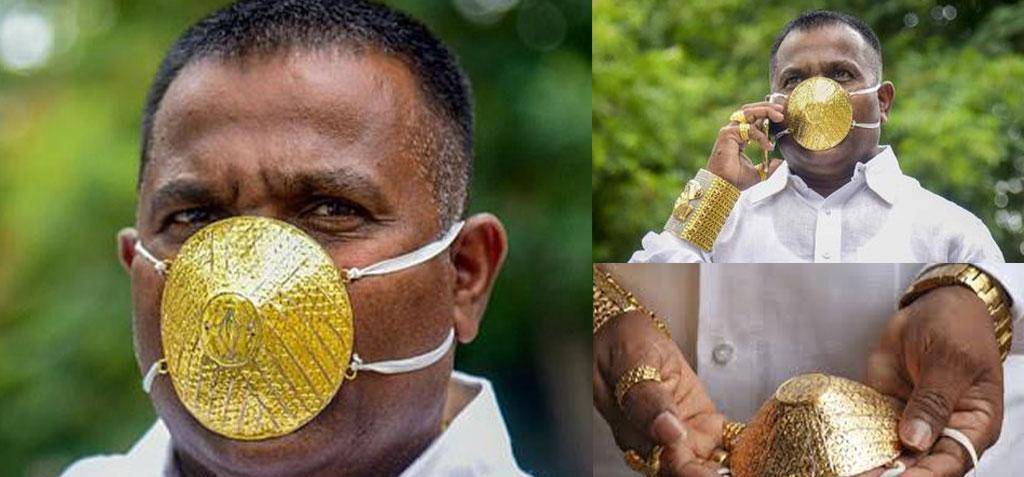
遏制黄金走私每年可为加纳节省20亿美元
Shang Wu Bu Wang Zhan· 2025-11-14 16:35
Core Insights - Illegal gold trading and smuggling in Ghana is estimated to siphon approximately $2 billion annually from the national treasury, and curbing this activity could recover significant losses and enhance gold export revenues [1] Group 1: Economic Impact - Ghana's gold export revenue for the current year is approximately $8 billion as of October 15, and if the $2 billion lost to smuggling is included, the total export value could reach around $10 billion [1] - Effective law enforcement actions can significantly reduce the economic impact of gold smuggling [1] Group 2: Enforcement Actions - The Gold Commission's special task force is collaborating with national security agencies to arrest individuals suspected of illegal gold manufacturing, trading, and smuggling [1] - Multiple individuals have been prosecuted for involvement in related criminal activities, including illegal trading and smuggling [1]
从洗钱到走私,黄金市场灰色链条有多野?纸黄金提现难只冰山一角
Sou Hu Cai Jing· 2025-11-06 13:02
Core Viewpoint - The article discusses the complexities and regulatory challenges surrounding gold trading in China, particularly focusing on the limitations of physical gold withdrawals from paper gold accounts and the implications for money laundering and smuggling activities [1][14]. Regulatory Environment - The restriction on physical gold withdrawals is partially due to tax considerations, but the primary reason is to maintain control over gold trading and prevent market chaos [2][4]. - The government aims to prevent a "gold run" similar to bank runs, where excessive demand for physical gold could lead to market panic due to insufficient inventory [6][14]. Money Laundering and Smuggling - Gold has become a popular tool for money laundering and fraud, as its high value and liquidity make it easy for criminals to convert illicit funds into gold and then cash [7][9]. - The rise of smuggling activities is attributed to the disparity in gold prices and regulations between China and other countries, leading to a lucrative black market for gold [11][13]. Market Implications - Recent policies limiting gold withdrawals coincide with a drop in gold prices, suggesting a strategic move to stabilize the market and prevent speculative trading [14][18]. - While these regulations may pose short-term challenges for gold traders, the long-term value of gold as a hedge against inflation and a stable asset remains intact [18][20]. Investment Considerations - Investors are advised to navigate the gold market cautiously, focusing on legitimate channels and maintaining a balanced approach to asset allocation [20].

印度人拥有的2.4万吨黄金,如何搞垮印度经济
创业邦· 2025-10-20 03:38
Core Viewpoint - The article discusses the contrasting trends in gold consumption between India and China, highlighting India's increasing demand for gold despite rising prices, while China's consumption is declining significantly [6][10]. Group 1: Gold Price Trends - Gold prices have surged dramatically, rising from $1,800 per ounce in early 2022 to $4,000 currently, marking a significant increase [6]. - In September, India's gold imports nearly doubled month-on-month, reaching approximately 120 tons [9]. Group 2: Consumption Patterns - In 2024, China's gold consumption is expected to drop by 10%, while India's is projected to rise by 6%, with a notable shift in gold jewelry consumption from 38% to 19% in China and from 20% to 35% in India [10]. - The article emphasizes that Indian consumers are increasingly purchasing gold jewelry, with a cultural inclination towards gold as a symbol of wealth and status [25][39]. Group 3: Cultural Significance of Gold in India - Gold holds a significant cultural and religious value in India, viewed as a symbol of purity and prosperity, deeply embedded in the Indian psyche [37][39]. - The tradition of gifting gold jewelry during weddings is prevalent, with families often saving gold for their daughters as a form of security and wealth [41]. Group 4: Economic Implications - India's gold imports account for 86% of its gold supply, with the country relying heavily on imports due to minimal domestic production [49]. - The high demand for gold leads to substantial foreign exchange expenditure, with gold and its products being the second-largest import item for India, amounting to $55.846 billion in the 2024-25 fiscal year [49]. Group 5: Government Policies and Challenges - The Indian government has attempted to curb gold demand by increasing import duties, which has led to a rise in gold smuggling activities [52][54]. - The introduction of Sovereign Gold Bonds aimed to mobilize "sleeping gold" has resulted in significant financial losses for the government, as the redemption prices have far exceeded the initial issue prices [57].

印度人拥有的2.4万吨黄金,如何搞垮印度经济
36氪· 2025-10-17 00:21
Core Viewpoint - The article discusses the contrasting behaviors of gold consumption in India and China amidst soaring gold prices, highlighting India's cultural obsession with gold and its implications for the economy [5][63]. Group 1: Gold Price Trends - Gold prices have surged dramatically, rising from $1,800 per ounce in early 2022 to $4,000 currently, marking a significant increase [5]. - In September, India's gold imports increased by nearly 100% month-on-month, amounting to approximately 120 tons [8]. Group 2: Consumption Patterns - In 2024, China's gold consumption is expected to drop by 10%, while India's is projected to rise by 6%, with a notable shift in gold jewelry consumption from 38% to 19% in China and from 20% to 35% in India [8]. - India's private gold holdings are estimated at 24,000 tons, accounting for about 11% of the world's total gold supply, surpassing the reserves of major economies [13]. Group 3: Cultural Significance of Gold - Gold is deeply embedded in Indian culture, viewed as a symbol of purity and prosperity, with significant importance placed on gold jewelry during weddings [47][53]. - The average Indian household allocates 35% to 40% of wedding expenses to gold jewelry, contrasting with only 10% in Western countries [33]. Group 4: Economic Implications - The reliance on gold as a savings mechanism leads to a significant portion of wealth being "frozen," with one-third of savings held in gold jewelry, limiting economic circulation [66]. - India's gold imports accounted for $55.846 billion in the 2024-25 fiscal year, representing the second-largest trade item, which drains foreign exchange without contributing significantly to economic value [66]. Group 5: Government Policies and Challenges - The Indian government has raised gold import duties multiple times to curb demand, with the current rate at 15% [67]. - Despite efforts to activate "sleeping gold" through sovereign gold bonds, the government faces significant losses as redemption prices have soared, leading to a situation where the public continues to purchase gold regardless of economic policies [78].

印度人拥有的2.4万吨黄金,如何搞垮印度经济
3 6 Ke· 2025-10-13 23:57
Core Viewpoint - The gold market in India is experiencing a significant surge in demand, contrasting sharply with declining consumption in China, driven by cultural factors and economic instability [3][41]. Group 1: Gold Price Trends - Gold prices have skyrocketed from $1,800 per ounce in early 2022 to $4,000 currently, reaching new highs [1]. - In September, India's gold imports increased nearly 100% month-on-month, amounting to approximately 120 tons [3]. Group 2: Consumption Patterns - In 2024, China's gold consumption is expected to drop by 10%, while India's is projected to rise by 6%, with a notable increase in gold jewelry consumption [3]. - India's share of global gold jewelry consumption rose from 20% to 35%, while China's share plummeted from 38% to 19% [3]. Group 3: Cultural Significance of Gold in India - Gold is deeply embedded in Indian culture, viewed as a symbol of purity and prosperity, with significant importance in religious practices and weddings [30][31]. - Many Indian families begin saving gold for their daughters from birth, as it serves as a form of wealth and security in marriage [33]. Group 4: Economic Implications - Approximately 51% of India's gold demand comes from the middle-income class, while 30% comes from the lower-income group, indicating a widespread cultural affinity for gold despite economic constraints [29]. - The reliance on gold as a savings mechanism has led to a significant portion of wealth being "frozen" in the form of jewelry, which does not contribute to economic circulation [42][44]. Group 5: Government Policies and Challenges - The Indian government has raised gold import duties multiple times to curb demand, leading to a rise in gold smuggling activities [47][49]. - The introduction of sovereign gold bonds aimed at mobilizing "sleeping gold" has resulted in significant financial losses for the government, as redemption prices have soared [56].
加纳逮捕三名涉嫌走私黄金的印度人。
news flash· 2025-04-29 18:03
Core Viewpoint - Ghana has arrested three Indian nationals suspected of gold smuggling [1] Group 1 - The arrests highlight ongoing issues related to illegal gold trade in Ghana [1] - The Indian nationals are believed to be part of a larger network involved in gold smuggling [1] - This incident may impact Ghana's reputation in the global gold market [1]