
乡土美食

Search documents
网红赋能年货节 直播带货兴乡村
Sou Hu Cai Jing· 2026-02-11 10:53
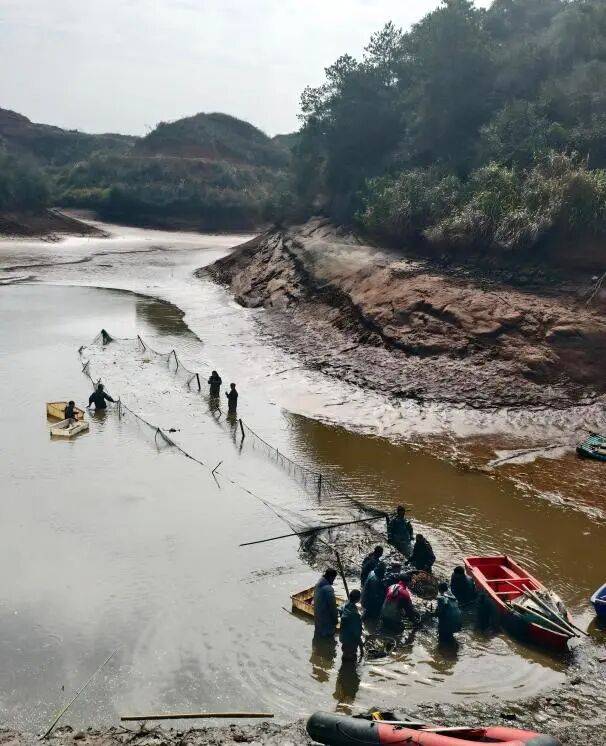
Core Viewpoint - The "Shennong Fuli · Online Purchase of Zhuzhou" event has successfully stimulated consumer potential and enthusiasm through diverse and distinctive activities, particularly by leveraging local agricultural resources and digital platforms [1][3]. Group 1: Event Overview - The event features a collaboration between the well-known creator "Dabiao Ge Vlog" and local agricultural enterprises in Tea Ling County, utilizing a unique "one yuan one fish" model to promote local fishery resources [2][3]. - The initiative aims to connect local agricultural products with national consumers, breaking traditional sales barriers and enhancing the visibility of local brands [3][7]. Group 2: Economic Impact - The live streaming event has resulted in significant order volumes and sales, showcasing local culinary delights and processed agricultural products [3]. - The collaboration is expected to activate the local agricultural market and explore new pathways for rural industrial development, integrating digital economy with traditional agriculture [7]. Group 3: Social Responsibility - The event also includes a charitable initiative, offering a free tasting of local dishes to villagers aged 70 and above, reflecting the social responsibility of the creators and local businesses [5]. - This approach emphasizes the importance of community engagement and the integration of industry development with local welfare [5].


以农文旅深度融合助力乡村振兴
Xin Lang Cai Jing· 2025-12-27 17:39
Core Viewpoint - The integration of agriculture, culture, and tourism (Agri-Culture-Tourism) is essential for revitalizing rural areas and promoting agricultural modernization, enhancing income for farmers, preserving local culture, and improving living environments [1][2][3] Group 1: Agricultural Modernization - The foundation of rural revitalization lies in agricultural modernization, which can be achieved by introducing advanced technologies and management practices to improve product quality and yield [1] - Promotion of modern agricultural technologies such as smart greenhouses and precision irrigation is crucial for enhancing resource utilization efficiency and competitiveness of agricultural products [1] - Development of themed agricultural projects that cater to tourism, such as experience farms and educational activities, can attract visitors and showcase modern agricultural practices [1] Group 2: Cultural Heritage - Rural culture is the soul of Agri-Culture-Tourism integration and is vital for creating unique attractions [2] - Systematic protection and promotion of rural cultural heritage, including historical buildings, folk arts, and traditional customs, are necessary for sustaining cultural vitality [2] - Creative integration of cultural elements into tourism experiences, such as folk workshops and local cuisine, can enhance visitor engagement and facilitate cultural preservation [2] Group 3: Rural Tourism Development - Rural tourism serves as a key vehicle for Agri-Culture-Tourism integration, necessitating improvements in infrastructure and service quality [2] - Enhancements in facilities like roads, parking, and restrooms are essential for improving accessibility and comfort for tourists [2] - Development of differentiated and refined tourism products, such as eco-tourism and wellness retreats, can meet diverse consumer demands and boost related industries [2] Group 4: Sustainable Development - The integration of agriculture, culture, and tourism must prioritize sustainable development and ecological protection to ensure long-term benefits [3] - Emphasis on ecological conservation through restoration, environmental management, and pollution control is critical for maintaining rural landscapes [3] - Adoption of resource-saving and recycling practices, along with the promotion of low-carbon tourism, is essential for sustainable project operations [3] Group 5: Innovation and Collaboration - Innovation and collaboration are key drivers for enhancing Agri-Culture-Tourism integration and competitiveness [3] - The application of technologies such as big data and IoT can empower smart agriculture and tourism [3] - Establishing cross-regional cooperation mechanisms can facilitate resource sharing, joint marketing, and brand development, enhancing overall impact and scale [3]
城乡联动做活乡村消费大文章
Jing Ji Ri Bao· 2025-12-18 22:09
Core Insights - The rural consumption market is gaining significant attention due to the implementation of the rural revitalization strategy, leading to increased income and consumption willingness among farmers [1][2] - Rural consumption growth is outpacing urban consumption, with rural retail sales increasing by 2.8% year-on-year compared to 1.0% for urban areas, highlighting the importance of rural markets in expanding domestic demand [1][2] Group 1: Market Potential - The rural population in China is approximately 465 million, accounting for 33% of the total population, indicating a substantial consumer market [2] - The structure of rural consumption is shifting from survival-based to development-oriented, with increased demand for appliances, smartphones, and services in culture, tourism, education, and health [2] - Digital transformation is enhancing rural consumption, with improved digital infrastructure allowing for better access to products and services, thus creating new business opportunities [2] Group 2: Challenges and Solutions - Despite the potential, rural consumption faces challenges such as inadequate commercial facilities, high logistics costs, and limited product quality and variety [3] - Strengthening county economies and developing rural specialty industries are essential for creating more job opportunities and enhancing the economic foundation for consumption [3][4] - Optimizing the rural consumption environment is crucial, with ongoing efforts to improve logistics networks and encourage the development of high-quality, affordable products tailored to rural needs [4] Group 3: Cultural and Creative Opportunities - Rural areas possess rich cultural resources that can be transformed into unique consumer attractions, such as traditional festivals and local crafts [4] - Creative integration of local culture into products can drive consumption, with examples including the transformation of traditional crafts into cultural products and the promotion of local cuisine [4]