非遗工坊

Search documents
这家公园为什么要从“卖风景”转到“卖体验”?
Xin Hua Ri Bao· 2026-02-18 01:11
Core Insights - The transformation from "selling scenery" to "selling experiences" in the tourism industry is driven by changing consumer demands, particularly among younger tourists who seek immersive and interactive experiences rather than just visual enjoyment [1][3] - Jiangsu Yancheng Huanghai Forest Park has successfully adapted to these demands by creating diverse experiential offerings, resulting in increased visitor stay duration and repeat spending [1][2] Group 1: Visitor Experience Transformation - Huanghai Forest Park has increased the average visitor stay from 0.5 days to 2.3 days and raised the repeat spending rate from 15% to 45% [1] - The park has developed four major experiential themes: healing, sports, culture, and night tourism, which cater to various visitor needs [2] - The park's self-operated revenue has grown from 4.4 million yuan in 2020 to 198 million yuan by 2025, with annual visitor numbers exceeding 2.5 million [2] Group 2: Industry Trends and Innovations - The shift to "selling experiences" involves integrating local culture, history, and intangible heritage into engaging and shareable experiences, moving away from generic tourist attractions [3] - Embracing innovation through digital technologies, such as VR experiences and smart tourism, is essential for developing niche products that align with evolving consumer preferences [3] - The transition signifies a broader industry evolution from resource-dependent growth to innovation-driven development, emphasizing quality experiences over mere visitor numbers [3]
从“卖风景”到“卖体验”
Xin Hua Ri Bao· 2026-02-09 21:28
Core Insights - The transformation of Yancheng Yellow Sea Forest Park from "selling scenery" to "selling experiences" has significantly increased visitor engagement, with average stay duration rising from 0.5 days to 2.3 days and repeat consumption increasing from 15% to 45% [1][2] Group 1: Visitor Experience Transformation - The park has developed four major scene systems: healing, sports, culture, and night tourism, catering to new visitor demands [2] - The park's self-operated revenue has grown from 4.4 million yuan in 2020 to 198 million yuan in 2025, with annual tourist numbers exceeding 2.5 million [2] Group 2: Cultural and Technological Integration - The shift to "selling experiences" involves deep cultural exploration, transforming local history and traditions into engaging experiences rather than merely adding entertainment options [3] - Embracing innovation through digital technologies, such as VR experiences and smart tourism, is essential for developing niche, customized travel products that align with market demands [3] Group 3: Industry Evolution - The transition from "selling scenery" to "selling experiences" represents a shift in the cultural tourism industry from extensive growth to refined development, moving from resource dependence to innovation-driven strategies [3] - Focusing on enhancing visitor experiences and emotional connections is crucial for making cultural tourism more vibrant and sustainable [3]
火热入境游,映照传统与现代交融的中国
Ren Min Ri Bao· 2026-01-05 03:15
Group 1 - The inbound tourism market in China is experiencing strong growth, with ticket bookings increasing by 110% year-on-year and bookings for experiential products growing over 30 times [1] - New business models and products are providing fresh momentum for development, such as the "duty-free shopping + beach vacation" model in Hainan and themed tours like the "Panda Special Train" [1] - By 2025, bookings for immersive travel projects like intangible cultural heritage workshops and folk performances are expected to surge by 300% year-on-year, reflecting the rich cultural tourism resources in China [1] Group 2 - A series of facilitation measures for inbound tourism have been implemented, including visa exemptions for 76 countries and a 240-hour transit visa exemption policy expanded to 55 countries [2] - In the first three quarters of 2025, the number of foreign visitors under the visa exemption policy reached 20.89 million, a year-on-year increase of over 50% [2] - The World Travel and Tourism Council predicts that China's tourism industry will maintain an average annual growth rate of 7% over the next decade, positioning China to become the world's largest tourism market by 2031 [2] Group 3 - Foreign tourists' deep recognition of China's image is driving the sustained popularity of "China tours," with positive experiences challenging stereotypes [3] - Five Chinese cities ranked in the top 20 for tourism safety and five in the top 10 for smart tourism, indicating a vibrant and modern image of China [3] - The open and high-quality inbound tourism market serves as a bridge for the world to perceive the dynamic nature of China, enhancing cultural exchanges [3]
以农文旅深度融合助力乡村振兴
Xin Lang Cai Jing· 2025-12-27 17:39
Core Viewpoint - The integration of agriculture, culture, and tourism (Agri-Culture-Tourism) is essential for revitalizing rural areas and promoting agricultural modernization, enhancing income for farmers, preserving local culture, and improving living environments [1][2][3] Group 1: Agricultural Modernization - The foundation of rural revitalization lies in agricultural modernization, which can be achieved by introducing advanced technologies and management practices to improve product quality and yield [1] - Promotion of modern agricultural technologies such as smart greenhouses and precision irrigation is crucial for enhancing resource utilization efficiency and competitiveness of agricultural products [1] - Development of themed agricultural projects that cater to tourism, such as experience farms and educational activities, can attract visitors and showcase modern agricultural practices [1] Group 2: Cultural Heritage - Rural culture is the soul of Agri-Culture-Tourism integration and is vital for creating unique attractions [2] - Systematic protection and promotion of rural cultural heritage, including historical buildings, folk arts, and traditional customs, are necessary for sustaining cultural vitality [2] - Creative integration of cultural elements into tourism experiences, such as folk workshops and local cuisine, can enhance visitor engagement and facilitate cultural preservation [2] Group 3: Rural Tourism Development - Rural tourism serves as a key vehicle for Agri-Culture-Tourism integration, necessitating improvements in infrastructure and service quality [2] - Enhancements in facilities like roads, parking, and restrooms are essential for improving accessibility and comfort for tourists [2] - Development of differentiated and refined tourism products, such as eco-tourism and wellness retreats, can meet diverse consumer demands and boost related industries [2] Group 4: Sustainable Development - The integration of agriculture, culture, and tourism must prioritize sustainable development and ecological protection to ensure long-term benefits [3] - Emphasis on ecological conservation through restoration, environmental management, and pollution control is critical for maintaining rural landscapes [3] - Adoption of resource-saving and recycling practices, along with the promotion of low-carbon tourism, is essential for sustainable project operations [3] Group 5: Innovation and Collaboration - Innovation and collaboration are key drivers for enhancing Agri-Culture-Tourism integration and competitiveness [3] - The application of technologies such as big data and IoT can empower smart agriculture and tourism [3] - Establishing cross-regional cooperation mechanisms can facilitate resource sharing, joint marketing, and brand development, enhancing overall impact and scale [3]
旅客量5年激增205%!包银高铁全线贯通再扩银川“文旅朋友圈”
Zhong Guo Jing Ji Wang· 2025-12-22 09:22
Core Viewpoint - The completion of the Bao-Yin High-Speed Railway is expected to significantly enhance the transportation network in Yinchuan, promoting high-quality development in the cultural and tourism sectors of the region [1][2]. Group 1: Impact on Transportation and Tourism - The Bao-Yin High-Speed Railway is described as a "golden link" for the high-quality development of Yinchuan's cultural tourism, facilitating travel for local communities and reshaping the tourism landscape [1]. - Passenger volume at Yinchuan Station is projected to increase from 4.11 million in 2019 to 12.57 million by 2024, representing a growth of 205%, highlighting the railway's impact on travel demand [1]. - The railway will expand the customer market radius, attracting tourists from regions like Beijing-Tianjin-Hebei and the Yangtze River Delta, and creating a "2-hour tourism circle" with nearby cities [1]. Group 2: Strategic Planning and Development - Yinchuan is actively planning "high-speed rail + cultural tourism" integration projects, leveraging the railway's convenience to enhance red tourism and immersive film experiences [2]. - The development of wine tourism, unique rural accommodations, and intangible cultural heritage workshops along the railway will create new opportunities for the tourism industry [2]. - The city aims to foster a new model of integrated cultural tourism development that connects urban and rural areas, promoting a comprehensive and collaborative industry landscape [2]. Group 3: Consumer Engagement and Marketing - In anticipation of the high-speed rail passenger influx, Yinchuan's tourism department is preparing to cultivate new consumer experiences, including winter discounts and themed travel routes [1]. - Initiatives like the "Le Gou Yinchuan" brand are being developed to attract and retain visitors, enhancing the overall tourism experience [1].

“数”说“十四五”文化和旅游高质量发展
Yang Shi Xin Wen Ke Hu Duan· 2025-10-03 01:29
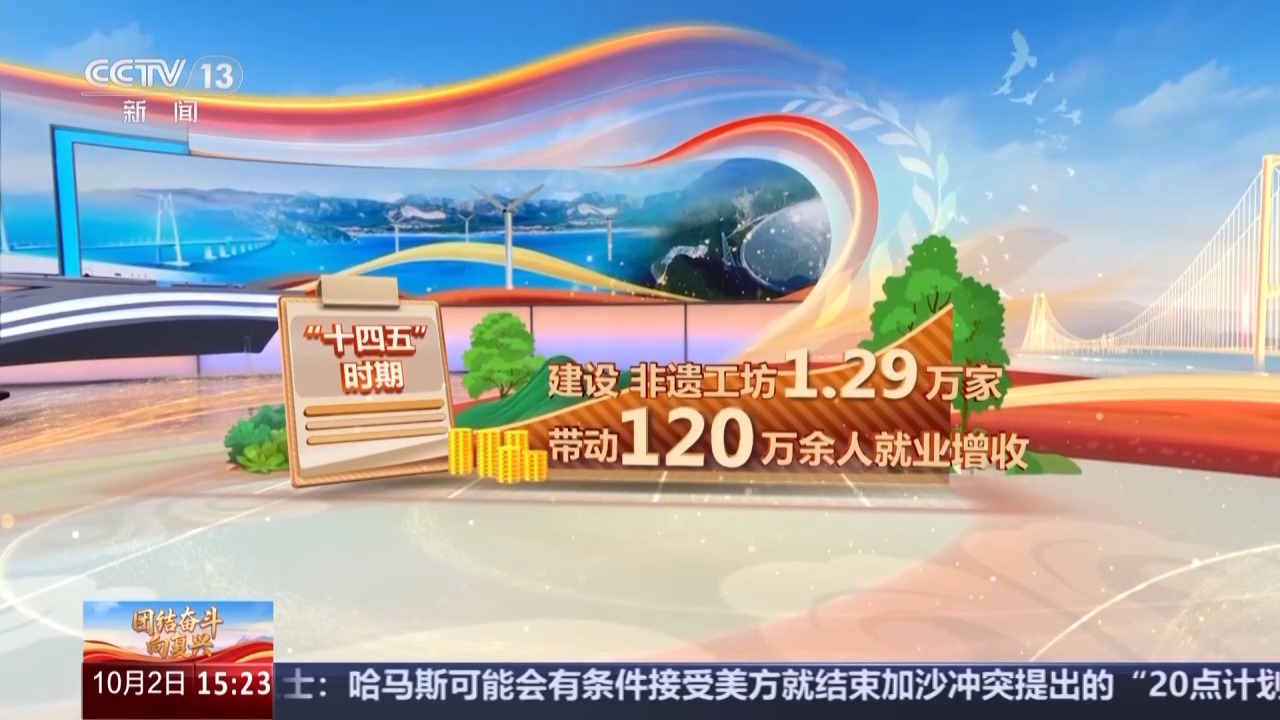
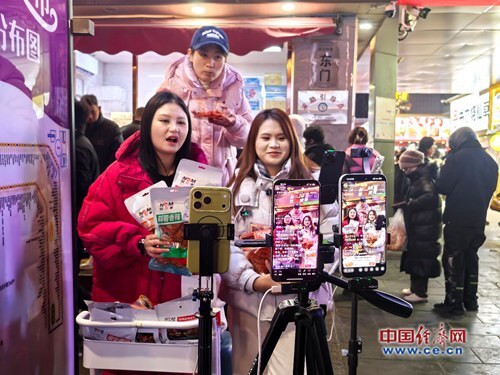
Core Insights - The "14th Five-Year Plan" marks a significant year for China's cultural and tourism industry, which is experiencing robust growth [1]. Group 1: Industry Growth - During the "14th Five-Year Plan" period, 58 new 5A-level tourist attractions were launched nationwide, with approximately 2,600 new A-level attractions, bringing the total to 16,500, and increasing county coverage to 97% [3]. - The tourism attractions are undergoing rapid upgrades in product types and service quality [3]. Group 2: Employment and Cultural Heritage - A total of 12,900 non-heritage workshops have been established, creating job opportunities for over 1.2 million people [3]. - The promotion of intangible cultural heritage in scenic spots, streets, and communities is enhancing the cultural life of the public [3]. Group 3: Tourism Statistics - In the previous year, inbound tourists reached 132 million, representing a year-on-year increase of over 60% [7]. - Domestic residents traveling abroad reached 123 million, with a year-on-year growth of over 40% [7].