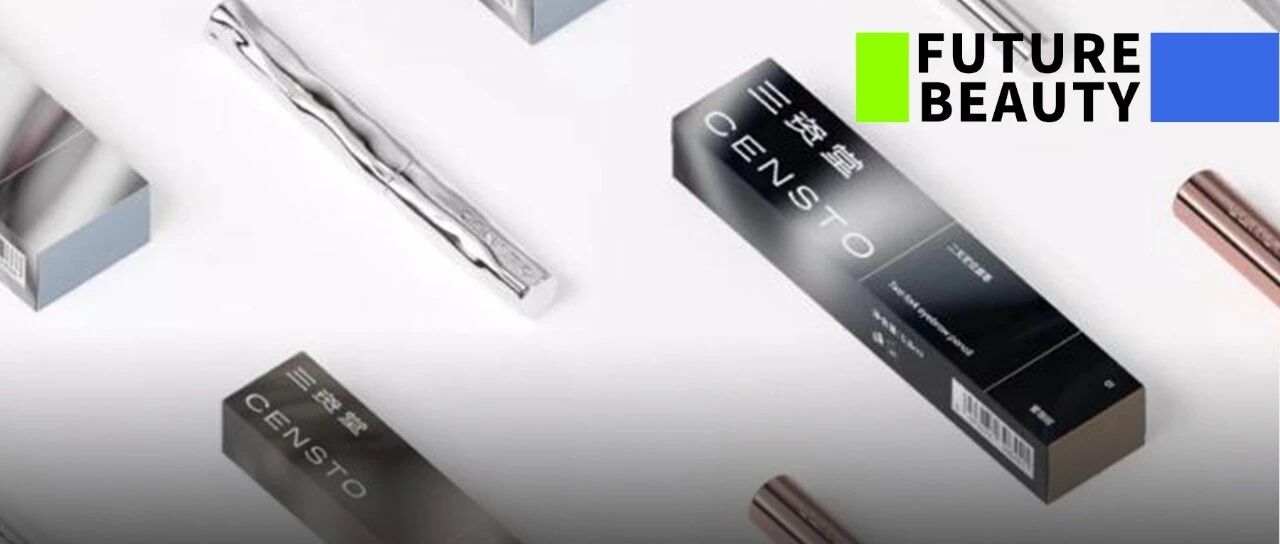
二叉眉笔

Search documents
国际美妆巨头的潮水方向变了:LVMH被传“瘦身”二线品牌,韩妆借功效卷土重来,丝芙兰押注国潮抖音爆款
Yang Zi Wan Bao Wang· 2026-02-27 12:14
Core Insights - The Chinese beauty market is shifting from "incremental dividends" to "stock game," leading international giants to rethink their strategies as traditional high-entry tactics fail [1] - LVMH is reportedly planning to divest several brands, including Make Up For Ever, while Amorepacific is focusing on repeat purchases with its efficacy-driven brand Aestura [1][9] - Sephora is now featuring popular domestic brands that emerged from Douyin, indicating a significant shift in its product selection strategy [2][4] Group 1: Sephora's Strategy Shift - Sephora has introduced a "next hot product" section in stores, showcasing brands like Sanzi Tang and BABI, which previously gained popularity through Douyin [2] - The introduction of these brands is a response to declining sales, with Sephora China reporting a 12.3% revenue drop and a cumulative loss exceeding 1 billion yuan since 2022 [3] - The company is expanding its product range to include more affordable and effective brands, moving away from solely high-end offerings [4] Group 2: LVMH's Brand Management - LVMH is evaluating the sale of brands like Fresh and Make Up For Ever, which have been underperforming, with the latter experiencing eight consecutive years of losses [7][8] - The company aims to focus on core brands that can drive revenue, such as Dior and Guerlain, while divesting from those that do not meet performance expectations [8] - The shift reflects a broader industry trend where luxury brands are reassessing their portfolios and focusing on profitability rather than brand quantity [8] Group 3: Amorepacific's Market Entry - Amorepacific has introduced its efficacy-focused brand Aestura to the Chinese market, targeting the growing demand for post-medical skincare solutions [9][10] - The brand's strategy involves building trust through clinical data and leveraging its reputation in Korean hospitals, although it faces challenges in establishing credibility in China [9][10] - Aestura's success could signify a turning point for Korean beauty brands in China, emphasizing the need for efficacy and repeat purchases over mere brand recognition [10]
15亿级国货三资堂:从“造爆款”到“塑品牌”
FBeauty未来迹· 2026-01-20 10:03
Core Viewpoint - The beauty brand Sanzi Tang focuses on innovation for the majority, targeting everyday consumers who seek confidence in their daily lives, contrasting with the industry's trend towards niche and luxury products. This approach has led to over 1.5 billion in sales within three years and successful entry into Sephora as a representative of domestic brands [3][25]. Group 1: Brand Positioning and Growth - Sanzi Tang's rapid growth is attributed not only to capturing traffic benefits but also to resonating with the fundamental relationship between brands and the public [4]. - The brand's narrative in its first TV commercial, "Facing with Composure," metaphorically presents life as an interview, highlighting the pressures faced by contemporary individuals [6]. - The brand identifies itself as a practical makeup brand innovating for the majority, serving as an empathetic companion that understands daily struggles and provides emotional support [8][10]. Group 2: Product Innovation and Market Strategy - Sanzi Tang aims to redefine makeup as an accessible psychological empowerment tool, transforming the act of makeup into a confidence-building ritual [21]. - The brand has successfully iterated its star product, the dual-tip eyebrow pencil, seven times since its launch, receiving multiple international design awards and achieving top sales in its category [14]. - The brand's strategy includes lowering barriers to makeup enjoyment by addressing common user challenges such as application difficulty and time consumption [10][23]. Group 3: Market Position and Channel Strategy - Sanzi Tang's entry into Sephora marks a significant milestone, positioning the brand alongside international competitors and enhancing its credibility in the market [25][29]. - Sephora's selection of Sanzi Tang reflects a shift in its product selection logic, focusing on market validation and consumer demand rather than exclusivity [27]. - The brand's growth trajectory demonstrates a transition from a popular online product to a trusted professional brand recognized in mainstream retail [25][29]. Group 4: Systematic Support and Future Growth - The brand's growth is supported by its parent company, which provides robust supply chain capabilities, efficient channel integration, and strategic foresight [32]. - Sanzi Tang's journey illustrates a systematic approach to brand development, emphasizing product innovation, operational efficiency, and brand resonance [34]. - As the brand reaches a new sales milestone, its focus shifts from rapid growth to sustainable growth, leveraging its emotional connection with millions of users [36].

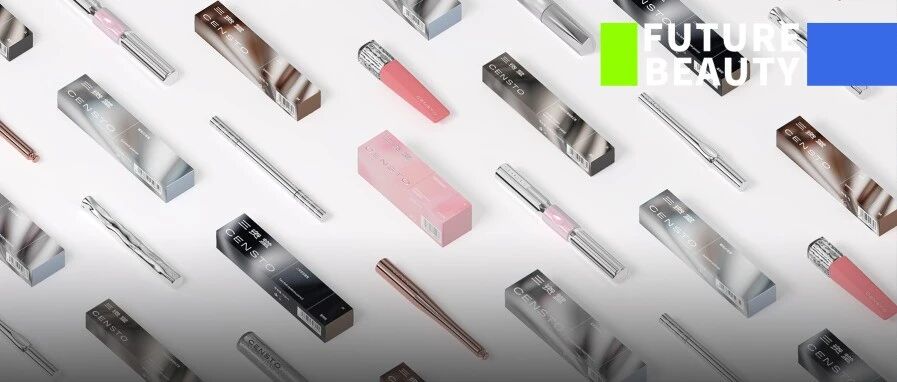
“抖品牌”三资堂入驻丝芙兰:高端零售的自救还是降级?
Sou Hu Cai Jing· 2025-12-02 16:13
Group 1 - The collaboration between Sephora and the budget brand Sanzi Tang reflects a mutual need for both parties amid their respective challenges in the beauty retail industry [2][4][14] - Sephora has faced significant financial difficulties, with cumulative losses exceeding 1 billion yuan since 2022 and a net loss of 120 million yuan in the first half of 2025, alongside a 12.3% year-on-year revenue decline [4][12] - The decline in Sephora's performance is attributed to a loss of consumer trust and increased competition from both international brands enhancing their online presence and local beauty stores offering more affordable prices [7][11] Group 2 - Sanzi Tang's rise is supported by its effective marketing strategy, leveraging social media platforms like Douyin to create viral products, with its eyebrow pencil achieving over 1.6 million sales in just four months [2][8] - The brand aims to transition from a "white label" perception to a recognized brand by enhancing its image through celebrity endorsements and establishing a more substantial market presence [9][11] - The partnership with Sephora is seen as a strategic move for Sanzi Tang to gain credibility and access to a high-end retail environment, although it faces challenges in aligning its low-cost products with Sephora's premium positioning [14][15] Group 3 - The collaboration is characterized as a "self-rescue experiment" for Sephora, which is attempting to attract younger consumers and boost sales by introducing lower-priced products [12][14] - There is a risk that the introduction of budget brands like Sanzi Tang could dilute Sephora's high-end image, leading to potential brand perception issues among its core clientele [14][15] - The success of this partnership will depend on both companies' ability to meet their core demands while maintaining brand integrity and consumer trust [15]
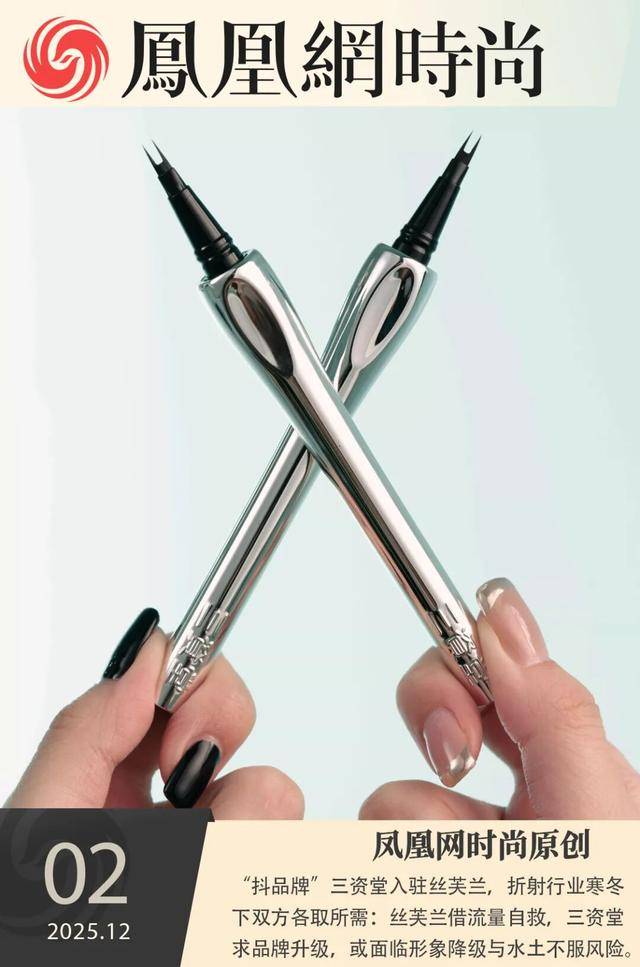
“蚂蚁雄兵”,50元彩妆抖音爆卖的真相
3 6 Ke· 2025-12-01 08:08
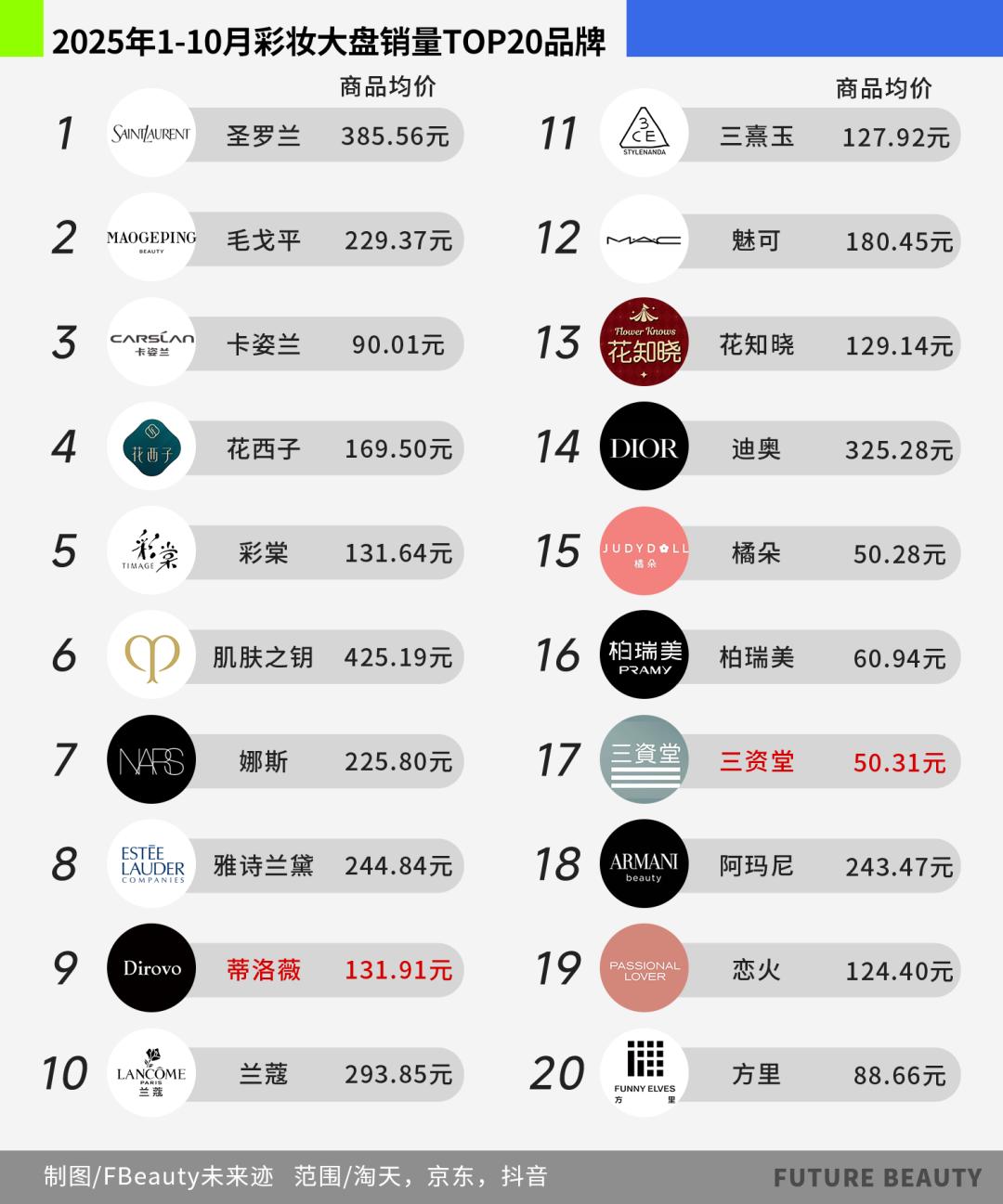
Core Insights - The Chinese makeup market is witnessing a significant shift with the rise of domestic brands priced around 50 yuan, which are dominating various categories on platforms like Douyin [1][2][5] - This shift indicates a change in competitive dynamics, where product innovation focused on "extreme cost-performance" and addressing consumer pain points is becoming crucial [1][2] Market Dynamics - The makeup market is divided into three main forces: international luxury brands (e.g., YSL, Nars) that dominate the high-end segment, established domestic brands (e.g., Mao Geping, Huaxizi) that are upgrading their offerings, and the emerging "new makeup" brands priced around 50 yuan [2][5] - The 0-50 yuan price segment accounts for one-fifth of the overall market, with over 50% market share in eye makeup categories [5][12] Sales Performance - Brands like Sanzi Tang, eLL, and BABI have consistently ranked in the top 20 on Douyin, showcasing their ability to maintain sales momentum over several months [9][12] - During the 2025 Douyin Double 11 event, several domestic brands achieved over a million units in sales, indicating strong consumer demand and market penetration [12][14] Product Innovation - The "50 yuan makeup" brands have captured at least 21 category tops on Douyin, demonstrating their dominance in specific segments such as foundation, eye makeup, and lip products [17][29] - These brands focus on specific consumer needs with high cost-performance products, leading to their success in the market [17][23] Consumer Behavior - A fundamental shift in consumer logic is observed, where younger consumers prioritize practical solutions over brand prestige, favoring products that address their daily makeup challenges [23][30] - The emergence of three distinct brand types—established brands adapting to new channels, new brands thriving in content-driven e-commerce, and native brands leveraging efficiency—illustrates the diverse paths to success in this market [25][27][29] Brand Strategy - Brands are increasingly focusing on multi-channel strategies, transitioning from reliance on traffic to building brand equity through offline and online presence [31] - The appointment of celebrity endorsements is becoming a key strategy for these brands to enhance emotional connections and brand identity among consumers [32][34]
深度|“蚂蚁雄兵”,50元彩妆抖音爆卖的真相
FBeauty未来迹· 2025-11-28 12:13
Core Viewpoint - The Chinese makeup market is undergoing a significant transformation, with a new force of domestic brands priced around 50 yuan emerging to redefine market dynamics and competition [3][5][12]. Market Dynamics - The makeup market is divided into three main forces: international luxury brands (e.g., YSL, Estée Lauder) dominating the high-end segment, local leading brands (e.g., Mao Geping, Huaxizi) focusing on brand upgrades, and the emerging "new makeup" brands priced around 50 yuan [5][7]. - The 0-50 yuan price segment accounts for one-fifth of the overall market, with over 50% market share in eye makeup, indicating its dominance in this category [7][11]. Sales Performance - Brands priced around 50 yuan have shown strong sales performance on platforms like Douyin, with several brands achieving over a million units sold during events like Double 11 [11][12]. - The brands in this price range have demonstrated consistent ranking in sales, with some brands maintaining top positions for several months, showcasing their operational stability [10][12]. Consumer Behavior - The rise of 50 yuan makeup brands reflects a fundamental shift in consumer logic, where younger consumers prioritize practical solutions over luxury branding [15][22]. - The success of these brands is attributed to their ability to address specific consumer pain points with high cost-performance ratios [15][22]. Brand Evolution - The emerging brands can be categorized into three types based on their establishment years: 1. Established brands (before 2017) that adapted to new channels [16]. 2. New brands (2018-2021) that grew alongside content e-commerce [18]. 3. Native Douyin brands (after 2022) that focus on efficiency and niche markets [20][22]. Strategic Development - These brands are transitioning from a focus on traffic to building brand assets through multi-channel strategies, including entering physical retail spaces [24][25]. - Brand image is being enhanced through celebrity endorsements, aiming to create deeper emotional connections with consumers [26][28]. Conclusion - The 50 yuan makeup brands are reshaping the market landscape, proving the power of niche segments and high cost-performance ratios, while emphasizing the importance of product barriers and brand value for long-term success [28].
“厦门帮”杀进丝芙兰,一部爽剧?
FBeauty未来迹· 2025-11-20 14:46
Core Viewpoint - The entry of the domestic beauty brand CENSTO into Sephora marks a significant shift in Sephora's brand selection strategy, moving from a focus on high-end products to embracing market-validated and user-recognized brands, indicating a potential recalibration of the definition of "high quality" in the beauty market [7][9][10]. Group 1: CENSTO's Entry into Sephora - CENSTO officially announced its entry into Sephora on November 20, 2025, with four key eyebrow makeup products available in Sephora's offline flagship store [3]. - CENSTO is the only domestic brand focusing on professional eye makeup among the new brands entering Sephora China in 2025 [4]. - The four core products from CENSTO are priced around 50 yuan, significantly lower than the mid-to-high price range typically associated with Sephora's offerings [8][9]. Group 2: Market Trends and Consumer Behavior - The beauty market in China is experiencing a "value return" trend, with younger consumers shifting their purchasing logic from "high price equals good quality" to "good quality justifies high price" [10]. - There is a growing demand for professional makeup products at accessible price points, particularly in the eyebrow and eye makeup categories, where convenience and user-friendliness are prioritized [10][11]. - CENSTO's products, such as the dual-head eyebrow pencil and mascara, represent innovative solutions that meet real consumer needs, allowing the brand to build a broad user base [10][11]. Group 3: CENSTO's Growth Strategy - CENSTO's rapid growth is attributed to its focus on product functionality, effective e-commerce strategies, and reasonable pricing, making it a model for other domestic beauty brands [18][24]. - The brand has successfully captured market share in the eyebrow product segment, with its eyebrow pencil ranking first in sales on major platforms like Douyin and JD [16][18]. - CENSTO is expanding its product line to include lip products, indicating its ambition to transition from an eye-focused brand to a comprehensive makeup brand [21][22]. Group 4: Industry Implications - CENSTO's entry into Sephora may signal a new norm in the beauty industry, where domestic brands can successfully penetrate high-end retail channels by addressing genuine consumer needs and offering differentiated products [11][35]. - The case of CENSTO illustrates that domestic brands are not limited by channel opportunities but must focus on understanding user needs and delivering stable, popular products [35].