京西稻

Search documents
上庄联拓农业夏海威:科技赋能非遗 深耕京西稻高质量发展之路
Zhong Guo Zhi Liang Xin Wen Wang· 2026-01-08 09:27
Core Viewpoint - The premium agricultural product industry is accelerating its upgrade towards "technology empowering tradition, quality anchoring development, and traceability ensuring safety" [1] Group 1: Industry Trends - The revitalization of intangible cultural heritage techniques and standardized quality control are key drivers for high-quality development in the industry [1] - The 2025 China Food and Drug Quality Safety Conference highlighted the importance of these trends in shaping the future of agricultural products [1] Group 2: Company Insights - Xia Haiwei, General Manager of Shangzhuang LianTuo Agricultural Technology Development (Beijing) Co., Ltd., shared experiences in the inheritance of intangible cultural heritage and technological empowerment in the Jingxi rice sector [1] - The company emphasizes "technology revitalizing intangible heritage and craftsmanship preserving original flavors" as a foundation for development and leading the high-quality upgrade of premium agricultural products [1]
北京海淀获评国家级“两山”实践创新基地
Bei Jing Ri Bao Ke Hu Duan· 2025-12-25 14:37
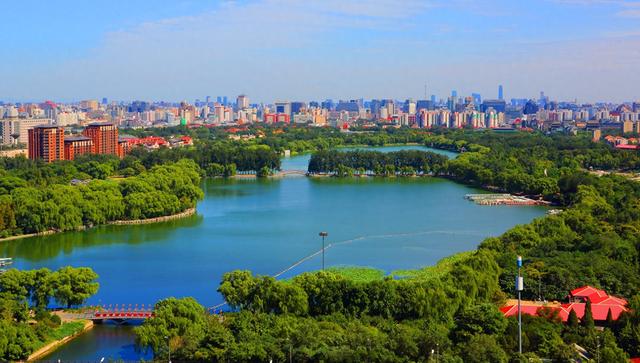
Group 1 - Haidian District has been officially designated as a "Green Water and Green Mountain is Gold and Silver Mountain" practice innovation base by the Ministry of Ecology and Environment, becoming the first area in Beijing's central urban area to receive both national-level titles of "Ecological Civilization Construction Demonstration Zone" and "Two Mountains" practice innovation base [1] - The district is recognized for its complete ecological system of "mountains, waters, forests, fields, lakes, and grass," and is focused on integrating natural elements with urban development, aiming to accelerate the development of new productive forces and build a world-leading technology park [3] - The transformation of the old industrial base in the Xisanqi Innovation Development Zone has led to the relocation of over 10 "high-energy-consuming" enterprises, freeing up 56 hectares of land for the construction of a 265,000 square meter ecological park, which supports the development of the world's first AI innovation street [3] Group 2 - In 2024, the total number of tourists in Haidian District reached 91.438 million, representing a year-on-year growth of 17.3%, with tourism revenue increasing by 17.8%, leading the city of Beijing [5] - The "Ten Cross Green Chain" formed by the Qinghe Riverside Green Corridor and the Beijing-Zhangjiakou Railway Heritage Park has activated regional innovation resources and driven economic development and industrial upgrades in the surrounding areas [7] - The "Yudao Yuanshang" agricultural and cultural tourism brand has helped rural areas generate over 6.6 million yuan in income from 2023 to 2024, with the yield of Jingxi rice smart farms increasing by over 35% [9] Group 3 - The Daoxiang Lake Reclaimed Water Plant has innovatively transformed from an "environmental nuisance facility" to an "ecological check-in site," creating a new model of "water-saving pollution control—resource recycling—ecological integration—value spillover" [11] - The region has successfully accelerated the conversion of ecological value into economic and social value, demonstrating the innovative practice of the "Two Mountains" concept in Haidian District, with the total economic output exceeding 10 trillion yuan for three consecutive years [13]

遍地金黄,京西稻田丰收了
Bei Jing Ri Bao Ke Hu Duan· 2025-10-12 06:56
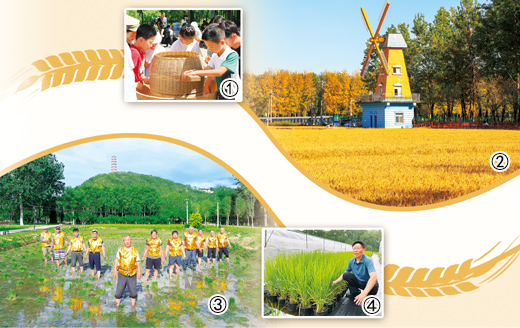
Group 1 - The core viewpoint of the article highlights the agricultural advancements in the Jingxi area, where over 2,000 acres are cultivated, yielding approximately 1.1 million pounds of rice, with 70% of the production located in Shangzhuang Town [1] - The introduction of advanced technologies, such as a digital comprehensive management cloud platform for unmanned farms, has transformed traditional manual control into remote wireless intelligent management [1] - The development of agricultural cultural projects, including science popularization research, parent-child experiences, and rural tourism, is contributing to rural income generation [1]
京西稻,香飘三百年
Ren Min Ri Bao Hai Wai Ban· 2025-09-25 00:08
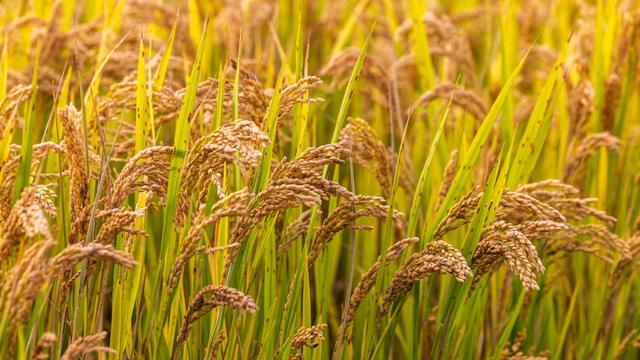
Core Viewpoint - The article highlights the cultural and agricultural significance of Jingxi rice, emphasizing its historical roots, unique cultivation methods, and the integration of modern technology in its production [2][5][10]. Group 1: Historical Background - Jingxi rice, known for its excellent taste, has a history of over 300 years, originating from seeds brought back by Emperor Kangxi during his southern tour [3][5]. - The rice was initially cultivated in the royal fields near Yuquan Mountain and gained popularity due to its unique flavor and quality [3][4]. Group 2: Cultivation Techniques - The cultivation of Jingxi rice relies on traditional methods combined with modern agricultural technology, including soil testing and customized fertilization [4][6]. - The use of a symbiotic farming system involving ducks helps maintain soil health and enhances the rice's flavor [4][5]. Group 3: Technological Advancements - Recent advancements in agricultural technology have led to the development of new rice varieties, such as "Jingjingxiang No. 3" and "Jingjingxiang No. 5," which are being promoted for their resilience and quality [4][6]. - The integration of data-driven farming practices has improved crop management and pest control, ensuring higher yields and better quality [4][6]. Group 4: Cultural and Economic Impact - Jingxi rice has become a cultural symbol and a popular agricultural product, recognized as a geographical indication and an important agricultural heritage [10][11]. - The rice fields have transformed into tourist attractions, offering educational experiences and promoting local culture through various activities [10][11]. Group 5: Community Engagement - The cultivation area has become a natural classroom for children, allowing them to learn about agriculture through hands-on experiences [9][11]. - Community events, such as music festivals and cultural exhibitions, have further enhanced the visibility and appreciation of Jingxi rice [10][11].