
他克莫司胶囊

Search documents
印度尼帕病毒疫情或来自医院;全国三级公立中医院实现儿科全覆盖【21健讯Daily】
2 1 Shi Ji Jing Ji Bao Dao· 2026-01-26 23:43
Policy Developments - The National Health Commission released the "Guidelines for Clinical Application of New Antitumor Drugs (2025 Edition)" to standardize the clinical use of new antitumor drugs, which include small molecule targeted drugs and monoclonal antibodies [2] Drug and Device Approvals - North China Pharmaceutical announced it received a drug registration certificate for Tacrolimus capsules (0.5mg, 1mg), which is an immunosuppressant used to prevent organ transplant rejection [4] - A new lung cancer early diagnosis kit developed by the Hangzhou Institute of Medicine has been approved for market release, potentially improving early diagnosis rates for lung cancer [5] Financial Reports - YaoXingTang projected a net profit of 260 million to 330 million yuan for 2025, representing a year-on-year increase of 127.79% to 189.12%, driven by improved operational efficiency and resource allocation [7] - MaiDe Medical expects a revenue of approximately 447 million yuan for 2025, marking a year-on-year increase of about 62.81%, and anticipates a net profit of around 66.52 million yuan, indicating a turnaround from previous losses [8] Capital Market Activities - Tongrentang Medical submitted an IPO application to the Hong Kong Stock Exchange, with CICC as the sponsor [10] - New Jingzhiyuan Biotech completed over 200 million yuan in Series B financing, led by Xingze Capital and a well-known industry fund [11] Industry Developments - Over 40% of county-level traditional Chinese medicine hospitals have initiated the establishment of county medical communities, with a total of 3,099 such communities formed across 2,199 counties and cities [13] - The National Health Commission reported that all tertiary public traditional Chinese medicine hospitals have achieved full coverage in pediatrics, enhancing health services for children and the elderly [14]


华北制药(600812.SH):他克莫司胶囊获得《药品注册证书》
Ge Long Hui A P P· 2026-01-26 10:50
Core Viewpoint - North China Pharmaceutical (600812.SH) has received approval from the National Medical Products Administration for the registration of Tacrolimus capsules (0.5mg, 1mg), a potent immunosuppressant used to prevent organ rejection after liver or kidney transplants [1]. Company Summary - The approved product, Tacrolimus, is designed to inhibit the formation of cytotoxic lymphocytes, which are the primary factors in graft rejection [1]. - Tacrolimus is indicated for use in preventing graft rejection after liver or kidney transplants, particularly when other immunosuppressive medications are ineffective [1].
华北制药:“他克莫司胶囊”产品取得注册证
Sou Hu Cai Jing· 2026-01-26 10:03
Group 1 - Huabei Pharmaceutical has received the drug registration certificate for Tacrolimus capsules from the National Medical Products Administration [1] - The product name is "Tacrolimus Capsules" [1] Group 2 - International gold prices have surpassed $5000, marking a 280% increase over the past seven years [1] - Future trends in gold prices are expected to depend on the US dollar, international monetary system, interest rate cuts, and technological revolutions [1]
医院卖34.93元药店19元 同款药为何不同价?
2 1 Shi Ji Jing Ji Bao Dao· 2026-01-16 00:22
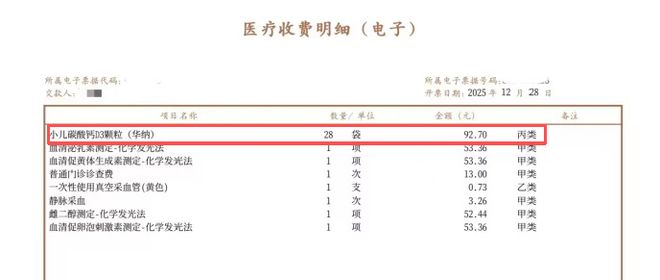
Core Viewpoint - The significant price discrepancies between hospital and retail pharmacy prices for the same medication raise concerns about the effectiveness of centralized procurement policies and the trust in public healthcare systems [2][3]. Price Discrepancies - A specific example highlights that the price of pediatric calcium carbonate D3 granules is 34.93 yuan in a hospital, while the same product is priced at approximately 19 yuan in pharmacies and e-commerce platforms, resulting in a price difference of 15.93 yuan [2]. - The price of the same medication can vary significantly across different sales channels, with instances of hospital prices being higher than retail prices and vice versa [3]. Centralized Procurement Issues - The pediatric calcium carbonate D3 granules were included in centralized procurement in 2022, with a winning bid price of 3.795 yuan per bag, which was further reduced to 2.495 yuan per bag in subsequent procurement rounds [3][4]. - Despite the centralized procurement prices, hospitals are reportedly selling the medication at prices that exceed these rates, indicating a disconnect between procurement prices and actual supply costs [4][6]. Factors Contributing to Price Differences - The pricing discrepancies are attributed to several factors, including the dynamic nature of market conditions, hidden service costs in hospitals, and the competitive pricing strategies of retail pharmacies and e-commerce platforms [6][7]. - Regulatory gaps and insufficient monitoring of real-time prices across different sales channels contribute to the lack of price uniformity [8]. Regulatory Responses - The National Medical Insurance Administration has initiated measures to address price discrepancies, including monitoring and comparing prices across various platforms to ensure compliance with procurement guidelines [10][11]. - Local governments are also implementing stricter regulations to align hospital prices with those of retail pharmacies and e-commerce platforms, emphasizing the need for transparency and fairness in drug pricing [11][12]. Future Directions - Experts suggest that a more transparent pricing mechanism is necessary, potentially resembling e-commerce platforms, to allow for direct price comparisons and foster competition among pharmaceutical companies [12].


调查|医院卖34.93元 药店19元 同款药为何不同价?
2 1 Shi Ji Jing Ji Bao Dao· 2026-01-16 00:20
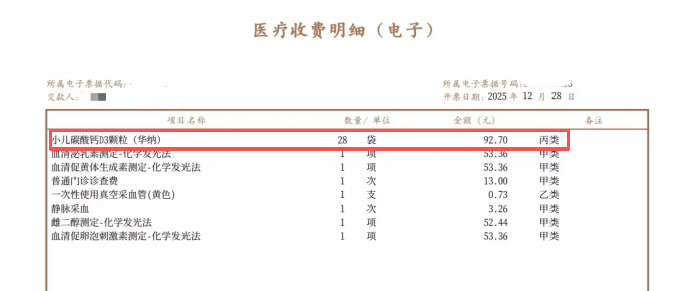
Core Viewpoint - The significant price discrepancies between hospital and retail prices for pediatric calcium D3 granules raise concerns about the effectiveness of centralized procurement policies and public trust in healthcare systems [1][3][8]. Price Discrepancies - Pediatric calcium D3 granules sold in hospitals can be priced at 34.93 yuan for a 14-bag pack, while the same product is available for approximately 19 yuan in pharmacies and e-commerce platforms, resulting in a price difference of 15.93 yuan [1]. - Similar price discrepancies exist for other medications, with examples showing hospital prices exceeding retail prices and vice versa [2]. Centralized Procurement and Pricing - The pediatric calcium D3 granules were included in centralized procurement in 2022, with the winning bid price set at 3.795 yuan per bag, which was later reduced to 2.495 yuan per bag in 2025 [3][4]. - Despite the centralized procurement prices, hospitals are selling the product at prices that deviate from these rates, indicating a disconnect between procurement prices and actual supply costs [3][8]. Factors Contributing to Price Differences - The price differences can be attributed to several factors, including the dynamic nature of market conditions, hidden service costs in hospitals, and the competitive pricing strategies of retail and online pharmacies [9][10]. - Regulatory gaps and the lack of real-time monitoring of drug prices contribute to the persistence of these discrepancies [10][11]. Regulatory Responses - The National Medical Insurance Administration has acknowledged these pricing issues and is working on measures to align hospital prices with those of retail pharmacies and e-commerce platforms [11][13]. - Local governments are also implementing stricter regulations to ensure that procurement prices are consistent with market prices, with penalties for non-compliance [14][15]. Future Directions - Experts suggest that a transparent pricing mechanism similar to e-commerce platforms should be established to allow for better price comparisons and competition among suppliers [17].
价差80%!电商平台卖19元,医院卖34.93元,又一乱象曝光
2 1 Shi Ji Jing Ji Bao Dao· 2026-01-15 15:01
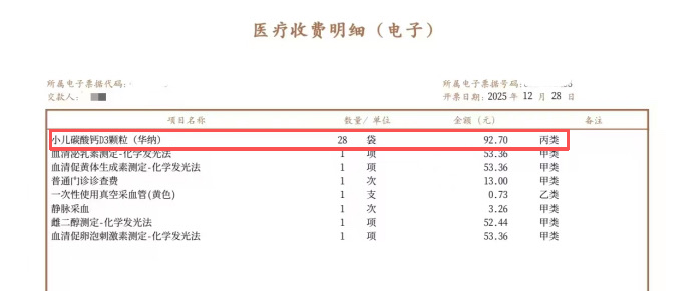
Core Viewpoint - The significant price discrepancies between hospital and retail/e-commerce prices for pediatric calcium D3 granules raise concerns about the effectiveness of centralized procurement policies and public trust in healthcare pricing [1][3][7]. Group 1: Price Discrepancies - Pediatric calcium D3 granules from Hunan Warner Pharmaceutical are priced at 34.93 yuan in a pediatric hospital, while the same product is available for approximately 19 yuan in pharmacies and e-commerce platforms, indicating a price difference of over 80% [1]. - A similar case was reported where a consumer found a vitamin D product priced at 47.4 yuan in a hospital, while the same product was 63 yuan in a retail pharmacy and only 29.8 yuan online [2]. - The price of pediatric calcium D3 granules in hospitals is reportedly higher than the centralized procurement price of 2.495 yuan per bag, which raises questions about the adherence to procurement policies [3][4]. Group 2: Causes of Price Differences - The price discrepancies are attributed to several factors, including the dynamic nature of market conditions, raw material costs, and the potential disconnect between procurement prices and actual supply costs [7][10]. - Public hospitals are expected to follow a zero-markup policy, but actual selling prices may reflect higher supply costs, leading to price deviations from the centralized procurement prices [7][10]. - The lack of timely updates to the listed prices on procurement platforms compared to the competitive pricing in retail and e-commerce markets contributes to these discrepancies [10][11]. Group 3: Regulatory Responses - The National Medical Insurance Administration has initiated actions to compare prices across different sales channels and address any significant discrepancies [14]. - Local governments, such as in Guangdong and Anhui, have implemented rules to ensure that listed prices align with local retail prices and to prompt adjustments when prices exceed a certain threshold [15][16]. - Experts suggest establishing a transparent pricing mechanism that allows for real-time price comparisons across channels to enhance market competition and reduce reliance on administrative controls [17].
价差80%!电商平台卖19元,医院卖34.93元,又一乱象曝光
21世纪经济报道· 2026-01-15 14:56
Core Viewpoint - The article highlights significant price discrepancies between hospital and retail prices for pediatric calcium D3 granules, raising concerns about the effectiveness of centralized procurement policies and the trust in public healthcare systems [1][2][3]. Price Discrepancies - A notable price difference of 80% was reported for pediatric calcium D3 granules, with hospital prices reaching 34.93 yuan compared to 19 yuan in pharmacies and e-commerce platforms [1]. - Similar instances of price variation exist, such as a consumer purchasing a vitamin D product for 47.4 yuan in a hospital, while the same product was priced at 63 yuan in a retail pharmacy and only 29.8 yuan online [2]. Centralized Procurement Issues - Pediatric calcium D3 granules were included in centralized procurement in 2022, with the winning bid price set at 3.795 yuan per bag, which was later reduced to 2.495 yuan per bag in 2025 [3]. - Despite the procurement price, the hospital price for the same product was found to be 3.31 yuan per bag, indicating a discrepancy between procurement prices and actual hospital pricing [3]. Factors Contributing to Price Differences - Experts suggest that the price differences stem from various factors, including the dynamic nature of market conditions, raw material costs, and the potential disconnect between procurement prices and actual supply costs [6]. - Public hospitals are expected to adhere to a zero-markup policy, but the actual supply prices may lead to higher hospital prices if they exceed the procurement prices [6]. Regulatory Responses - The National Medical Insurance Administration has initiated measures to address price discrepancies, including monitoring and adjusting prices to align with market conditions [15][16]. - Local governments have also implemented regulations to ensure that procurement prices remain comparable to retail prices, with specific thresholds for price adjustments [16]. Future Directions - Experts advocate for a transparent pricing mechanism that allows for real-time price comparisons across different sales channels, aiming to reduce reliance on administrative controls and enhance market competition [18].

中美华东新药来袭,10000亿市场风云再起
Xin Lang Cai Jing· 2026-01-04 07:36
Core Insights - The company, China Medical East, has received clinical approval for its new drug CMCY2304, enhancing its portfolio of chemical drugs [1] - In Q1-Q3 2025, the company ranked among the top 12 enterprises in the chemical drug market in China, with a sales increase of 12.41% [2] - The company has successfully secured two class 1 new drugs this year, indicating strong market potential and growth prospects [3] Group 1 - The new drug CMCY2304 is indicated for ischemic cardiovascular and cerebrovascular diseases caused by arteriosclerosis, as well as for preventing thrombosis during hemodialysis [1] - The chemical drug market in China is projected to maintain a scale of over 1 trillion yuan from 2021 to 2024, with a slight decline of around 2% expected in Q1-Q3 2025 [1] - The company's best-selling chemical drug, Tacrolimus capsules, achieved sales of 1.86 billion yuan in Q1-Q3 2025, while other products also contributed significantly to sales [2] Group 2 - The newly approved drugs include Remabizine injection, which, in combination with a device for measuring glomerular filtration rate, has a sales potential exceeding 1 billion yuan [3] - The company has submitted a marketing application for Edaravone tablets, aimed at improving symptoms and functionality in acute ischemic stroke patients, which offers convenience for self-administration [3] - With the continuous launch of new drugs, the company's position in the 1 trillion yuan chemical drug market is expected to strengthen, aligning with its goal of becoming a leading global innovative pharmaceutical company [3]
法治在线丨处方药遭非法倒卖 起底医保“回流药”黑色产业链
Yang Shi Xin Wen· 2025-12-08 12:59
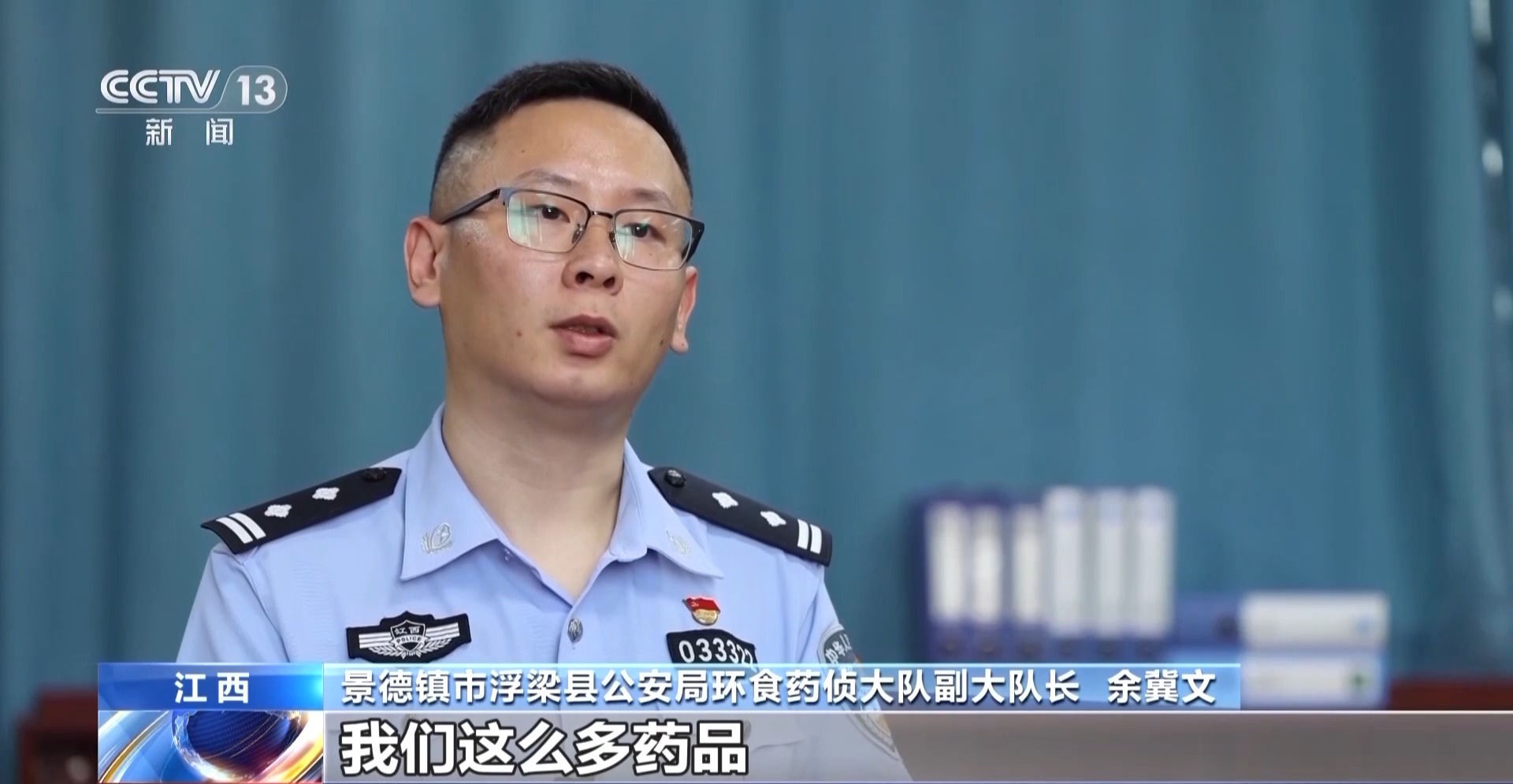
Core Viewpoint - The illegal resale of medical insurance drugs, known as "medical insurance return drugs," poses significant health risks to users and severely undermines the security of the national medical insurance fund [1]. Group 1: Illegal Activities and Law Enforcement - In Jiangxi Jingdezhen, police seized over 10,000 boxes of medical insurance return drugs from a residential property [3][5]. - The drugs, primarily prescription medications for dialysis treatment, were found stored improperly in a residential setting, raising concerns about their safety and legality [6][11]. - The main suspect, Dai Mingshou, was previously under criminal supervision for similar offenses but continued to engage in illegal drug sales [9][18]. Group 2: Drug Sourcing and Market Dynamics - The drugs were sourced from patients and intermediaries, with a network of "second-hand dealers" facilitating the illegal trade [18][22]. - Dai Mingshou purchased drugs at prices ranging from 170 to 180 yuan and resold them for 185 to 200 yuan, exploiting the medical insurance system to profit from the low out-of-pocket costs for patients [20][22]. - The illegal operation involved using coded language for communication to evade law enforcement, indicating a sophisticated network of drug trafficking [23][25]. Group 3: Legal Consequences and Judicial Actions - The total value of the drugs involved in the case exceeded 13 million yuan, with multiple individuals in the supply chain facing legal repercussions [30][33]. - Dai Mingshou was sentenced to six years in prison and fined 120,000 yuan for concealing and disguising criminal proceeds, highlighting the judicial system's response to such crimes [37][39]. - The case underscores the broader issue of medical insurance fraud and its detrimental impact on public health and the integrity of the medical insurance fund [31][39]. Group 4: Regulatory Measures and Public Awareness - The National Medical Insurance Bureau, in collaboration with various authorities, has initiated a nationwide crackdown on issues related to medical insurance fund management, focusing on the illegal sale of return drugs [41]. - The introduction of a drug traceability feature in the National Medical Insurance Service Platform App allows consumers to verify the legitimacy of medications, promoting public awareness and safety [43].
超量购药、倒卖牟利 5起个人骗取医保基金典型案例公布
Yang Shi Wang· 2025-11-05 12:50
Core Viewpoint - The National Medical Insurance Administration has reported five typical cases of individuals fraudulently obtaining medical insurance funds, highlighting serious issues of excessive drug purchases and collusion with "drug dealers" that undermine the integrity of the medical insurance system [1] Group 1: Case Summaries - Case 1: A resident of Lijiang, Yunnan, named Luo, fraudulently purchased and resold medications, causing a loss of 2.199 million yuan to the medical insurance fund from March 2021 to August 2023 [2] - Case 2: In Chongqing, two individuals, Song A and Song B, exploited their special disease insurance to excessively purchase and resell medications, resulting in a loss of 627,300 yuan since January 2023 [3] - Case 3: Zhang from Meishan, Sichuan, was found to have made excessive purchases across multiple medical institutions, leading to the dismantling of a large criminal gang and a recovery of 269,700 yuan for the medical insurance fund [4] - Case 4: Xu from Leqing, Zhejiang, was involved in fraudulent activities since 2016, leading to a loss of over 170,000 yuan, and was sentenced to three years in prison with a suspended sentence [5] - Case 5: Liu and three others in Ganzhou, Jiangxi, were found to have excessively purchased a specific medication, resulting in a loss of over 20,000 yuan, with ongoing investigations into the involved medical personnel [6][7] Group 2: Regulatory Actions - The National Medical Insurance Administration, in collaboration with judicial authorities, has taken strict actions against individuals involved in fraudulent activities, including criminal prosecutions and financial recoveries [1][7] - The cases reveal significant issues related to excessive drug purchases and the involvement of medical personnel, prompting the administration to adopt a "zero tolerance" policy towards fraud [7]