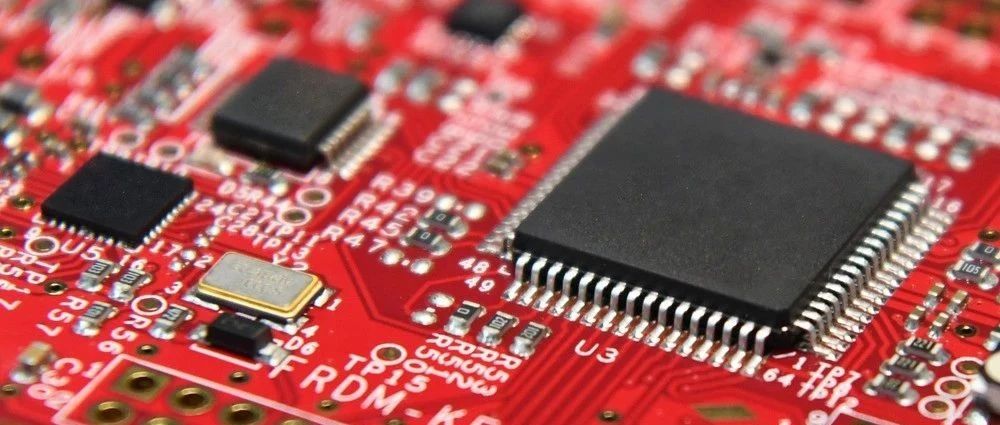
低介电玻纤布

Search documents
中金2026年展望 | 基础材料:供给优化持续,结构升级为王
中金点睛· 2025-12-22 23:38
Core Viewpoint - The article forecasts the industry landscape and corporate competition strategies for 2026, emphasizing demand as the starting point for analysis, with recommendations for sectors including fiberglass, consumer building materials, glass, and cement [2] Group 1: Fiberglass - The fiberglass sector is expected to maintain a favorable supply-demand balance, with a projected net increase in production of 400,000 to 500,000 tons by 2026, driven by high-end products like wind power yarn [6][10] - The high-end special fabric market is anticipated to continue its growth, with significant price increases expected for wind power yarn and potential price adjustments for ordinary yarn and electronic fabrics [5][7] - The industry is likely to see rational expansion with limited new capacity, as new entrants face challenges in achieving excess returns due to high initial costs [6][10] Group 2: Consumer Building Materials - The consumer building materials sector is under pressure, with new construction expected to decline by 16% year-on-year in 2026, and completions down by 7% [3][12] - Positive signals are emerging, including price increases for waterproofing materials and gypsum boards, alongside a reduction in cost rates and easing of impairment risks [3][11] - The market is witnessing a consolidation phase where leading companies are expected to recover profitability, benefiting from improved demand and supply optimization [11][15] Group 3: Glass and Cement - The glass sector is undergoing a "de-involution" process, with supply reductions anticipated as companies respond to ongoing losses, particularly in the float glass segment [3][24] - Cement demand is projected to decline by 7% in 2026, with supply-side policies aimed at curbing overproduction expected to play a crucial role in market dynamics [27][28] - The industry is expected to see a gradual recovery in pricing as supply and demand begin to balance, aided by a decrease in coal prices which may alleviate profit pressures [28][25]

石英纤维电子布产业链、需求与投资逻辑(附企业清单)
材料汇· 2025-07-15 13:31
Core Viewpoint - The article discusses the importance of electronic cloth in the production of copper-clad laminates (CCL) and its impact on the performance of printed circuit boards (PCB), highlighting the growing demand for specialized electronic cloth in high-performance applications such as AI hardware and data centers [5][16][21]. Group 1: Electronic Cloth and CCL - Copper-clad laminates (CCL) are essential materials for manufacturing printed circuit boards (PCB), composed of electronic cloth, resin matrix, and copper foil [5]. - The dielectric constant (Dk) and dielectric loss (Df) of electronic cloth significantly influence the signal integrity in PCBs, affecting the electromagnetic field distribution and energy loss during signal transmission [8][9]. - The dielectric properties of electronic cloth, such as Dk and Df, are critical for high-speed signal transmission, with lower values indicating better performance [9][10]. Group 2: Market Trends and Demand - The demand for specialized electronic cloth, including low dielectric (Low-DK) and low expansion (Low-CTE) glass fiber cloth, is increasing due to the rising requirements for AI hardware and high-speed data communication [20][21]. - The global PCB industry is entering a new growth cycle, with an expected compound annual growth rate (CAGR) of 5.2% from 2024 to 2029, driven by high-end applications in AI, servers, and automotive electronics [41][42]. - The market for high-end CCL is projected to outperform the overall market, with manufacturers maintaining a cautious expansion strategy amid strong demand [43][50]. Group 3: Competitive Landscape - The market for Low-DK second-generation glass fiber cloth is characterized by limited suppliers, with major players including Nitto Denko, AGY, and Huagong Technology actively expanding production capacity [54]. - The top ten manufacturers in the CCL market account for approximately 75% of global sales, with the leading four companies holding nearly 48% market share [51]. - Companies like Feilihua and Zhongcai Technology are focusing on developing quartz fiber electronic cloth, which offers superior dielectric performance compared to traditional glass fibers [60][79].