低GI燕麦奶

Search documents
破局东方-全球品牌的中国发展| 36氪 WISE2025 商业之王大会
3 6 Ke· 2025-12-12 08:08
Core Insights - The WISE 2025 conference in Beijing emphasizes an immersive experience showcasing trends in technology and business, focusing on the intersection of AI, globalization, and traditional industries [1] - OATLY, a foreign brand, has successfully navigated the Chinese market, achieving significant growth despite challenges faced by other foreign brands [3][4] Company Performance - OATLY reported a 28.8% year-on-year growth in Q3, with a notable 40% growth in August, indicating resilience and upward momentum in a challenging market [5][6] - The introduction of innovative products like "OATLY PLUS" and turmeric oat milk has resonated well with health-conscious consumers, contributing to strong sales [5][6] Market Strategy - OATLY's success is attributed to a combination of localized innovation and global brand principles, allowing it to meet local consumer demands effectively [6][7] - The company has shifted its focus from coffee shop sales to retail, capitalizing on its established brand recognition in the coffee sector to penetrate the retail market [9][10] Competitive Landscape - OATLY has established itself as a leader in the plant-based beverage market, with a strong association between the brand and oat milk in consumers' minds, benefiting from the overall growth of the category [13][14] - The company emphasizes quality and sustainability, which are key factors in maintaining consumer trust and loyalty amidst competition [12][14] Future Outlook - OATLY plans to continue expanding its retail presence, leveraging its established brand equity and consumer awareness to drive future growth [9][10] - The company aims to maintain its commitment to quality and innovation while adapting to local cultural preferences, ensuring its long-term viability in the market [16][17]



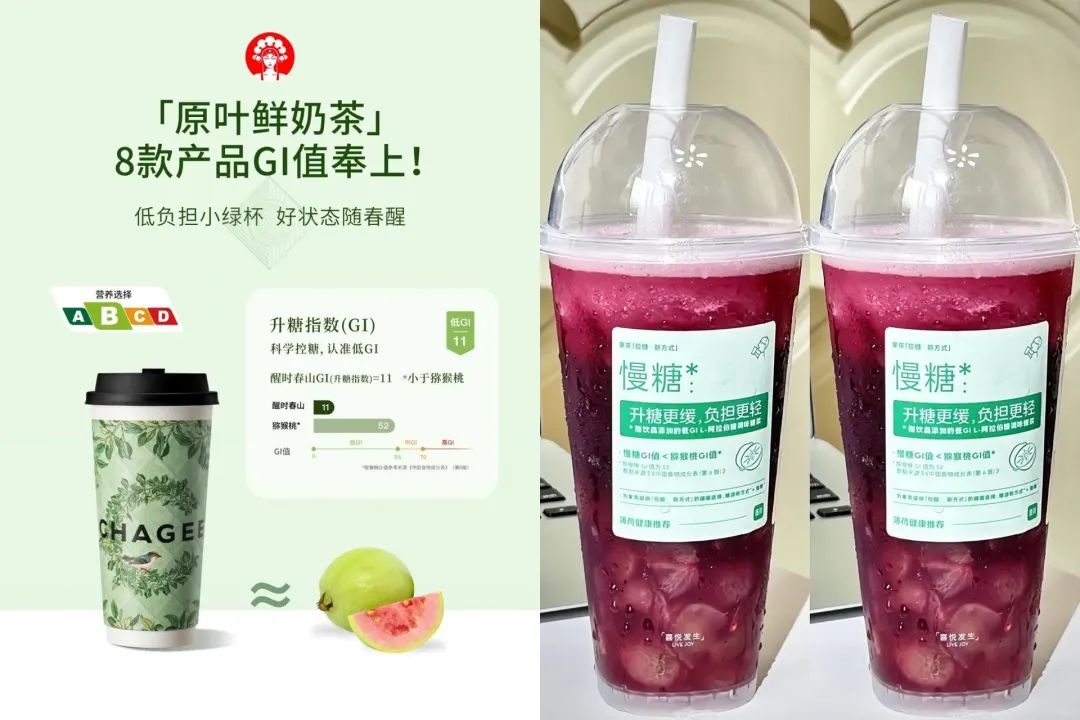
0糖0脂后,下一个健康食品风口是低GI?
新消费智库· 2025-12-08 13:04
Core Viewpoint - The article discusses the rapid growth of the low Glycemic Index (GI) food market in China, driven by increasing health awareness among urban consumers and the introduction of various low GI products by established and new brands [4][22]. Group 1: Market Trends - The low GI food market in China reached a scale of 176.2 billion yuan in 2024, with an annual growth rate exceeding 10% [22]. - The search popularity for low GI food and beverages increased by 56% year-on-year, indicating a significant rise in consumer interest [6]. - The low GI food category is expanding beyond traditional baked goods to include staple foods, snacks, and beverages, reflecting a diversification of consumer choices [12]. Group 2: Consumer Behavior - Urban consumers are increasingly shifting towards low GI foods as part of a healthier lifestyle, with a notable rise in the consumption of these products among not just diabetics but also fitness enthusiasts and health-conscious individuals [12][22]. - The popularity of low GI foods is supported by social media, with the 低GI topic on Douyin receiving over 360 million views, and related content on Xiaohongshu exceeding 10 million views [6][8]. Group 3: Brand Innovations - Traditional food brands like Junlebao, Kangshifu, and Wangwang are reformulating their high GI products to include low GI alternatives, utilizing ingredients like chickpeas and barley [10][12]. - New players in the market, such as Masisala, are leveraging their expertise in specialized medical foods to gain consumer trust and expand their product offerings [14][16]. - Retailers like Hema and Dingdong are not only selling low GI products but are also actively involved in the supply chain, promoting the development of these products [17][19]. Group 4: Policy Influence - The Chinese government's "Healthy China 2030" strategy promotes low GI diets, encouraging companies to develop low sugar or sugar-free products and to label them with low GI certifications [12][22]. - Recent guidelines from the National Health Commission have further emphasized the importance of low GI diets in managing weight and preventing obesity [12].
“燕麦奶健康饮食倡议”发布,多方共促燕麦健康融入消费者日常
Zhong Guo Shi Pin Wang· 2025-10-23 09:49
Group 1 - The core viewpoint of the articles emphasizes the growing recognition and promotion of oat milk as a healthy dietary choice in China, driven by both policy and scientific consensus [3][6][9] - The "Oat Milk Healthy Diet Initiative" was launched to promote the health consumption concept of oat milk, focusing on technological innovation, health value, scientific diet, healthy consumption, and policy collaboration [1][3] - OATLY, as the only corporate representative in the initiative, has successfully integrated global oat milk production technology with local consumer needs, leading to significant growth in both the coffee and retail sectors since entering the Chinese market in 2018 [9][11] Group 2 - Experts from various institutions advocate for the enhancement of oat milk processing technology to improve palatability and reduce consumption difficulty, while also promoting the inclusion of whole grains and dietary fiber in diets [6][9] - The initiative aims to expand the supply channels of oat milk products and explore more consumption scenarios, such as tea, coffee, dining, baking, and retail, to enhance accessibility and convenience [6][9] - The initiative reflects a commitment to industry responsibility and aims to position China as a leader in the global plant-based industry, aligning with the "Healthy China" strategy and scientific consensus [9][11]

0糖0脂后,下一个健康食品风口是低GI?
3 6 Ke· 2025-08-28 03:20
Core Insights - The rise of low GI (Glycemic Index) foods is driven by increasing health awareness among urban consumers and the promotion of weight management policies, leading to a significant market opportunity for brands [3][4][14] - Traditional food brands are rapidly adapting to market changes by reformulating high GI products to low GI alternatives, expanding their product lines to include staples, snacks, and beverages [4][6][10] - The low GI food market in China is projected to reach 176.2 billion yuan in 2024, with an annual growth rate exceeding 10%, driven by a growing diabetic population and a shift towards healthier eating habits [14][16] Industry Trends - The search interest for low GI foods has increased by 56% year-on-year, indicating a growing consumer demand [1] - Major brands like Panpan, Jiangzhong Honggu, and others are launching low GI products, while platforms like Hema and Dingdong are creating dedicated sections for these foods [1][3] - The introduction of low GI certifications and government initiatives, such as the "Healthy China 2030" strategy, is promoting the development and consumption of low GI products [6][14] Consumer Behavior - The target audience for low GI foods has expanded beyond diabetic patients to include health-conscious individuals, fitness enthusiasts, and pregnant women [6][10] - Consumers are willing to pay a premium for healthier options, as evidenced by the rising repurchase rates for health-focused products [16] - The popularity of low GI foods is reflected in social media engagement, with topics related to low GI diets garnering millions of views [1][3] Product Innovation - Companies are innovating product formats and packaging to cater to modern consumer lifestyles, such as single-serving options for on-the-go consumption [10][12] - New players in the market, like Marsala and Sugar Friends, are leveraging their expertise in specialized medical foods to gain consumer trust [7][10] - Collaborations between retailers and established brands are helping to reduce costs and improve product offerings in the low GI segment [12][14]
销量暴涨60倍,控糖界新晋“顶流”,让盒马、山姆集体“上头”
3 6 Ke· 2025-08-21 08:09
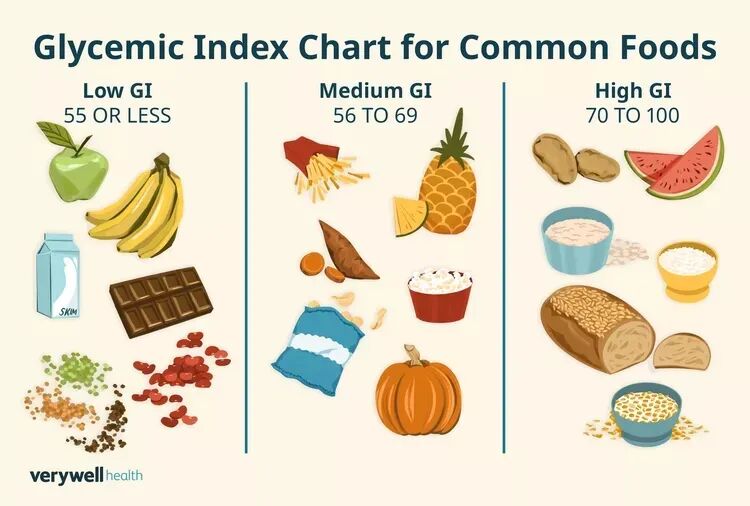
Core Insights - The low GI (Glycemic Index) concept is gaining popularity as a health standard in food products, particularly in the beverage sector, with brands like Bawang Tea and Heytea adopting low GI ingredients [1][3] - The low GI market is expected to significantly expand in 2024, driven by increased consumer awareness and a growing health consciousness, with social media discussions about low GI topics surging by 146% year-on-year [3][10] - Methuselah, a company with a strong background in medical nutrition, has successfully transitioned into the consumer market with low GI products, achieving over 100 million in sales and completing a significant funding round [5][11] Industry Trends - The low GI food market in China is evolving from a niche medical focus to a broader consumer appeal, with a market size reaching 1.762 trillion yuan in 2021 and a stable growth rate of over 10% [10][11] - The target audience for low GI products has expanded beyond diabetic patients to include health-conscious consumers, fitness enthusiasts, and older adults, reflecting a shift towards general wellness [11][12] - The product range for low GI foods is diversifying, now including staples, snacks, meal replacements, and beverages, with innovations incorporating natural low GI ingredients [11][14] Market Dynamics - Major food brands, including Yili and Kang Shifu, are entering the low GI space, indicating a competitive landscape where traditional giants and new entrants collaborate [13][14] - New retail channels like Dingdong Maicai and Hema are playing a crucial role in promoting low GI products, with significant sales growth observed in these platforms [16][17] - The low GI market faces challenges such as consumer awareness, certification standards, and balancing taste with nutritional benefits, which companies are addressing through education and product innovation [22][24] Company Strategies - Methuselah leverages its medical background to build consumer trust, using clear health labels and engaging in partnerships with hospitals to enhance credibility [25][28] - The company focuses on user feedback from retail partners to refine product offerings, ensuring that low GI products meet consumer preferences while maintaining competitive pricing [28][31] - Targeted marketing strategies are employed to reach specific demographics, such as older adults, by offering convenient packaging and tailored nutritional solutions [31][33]