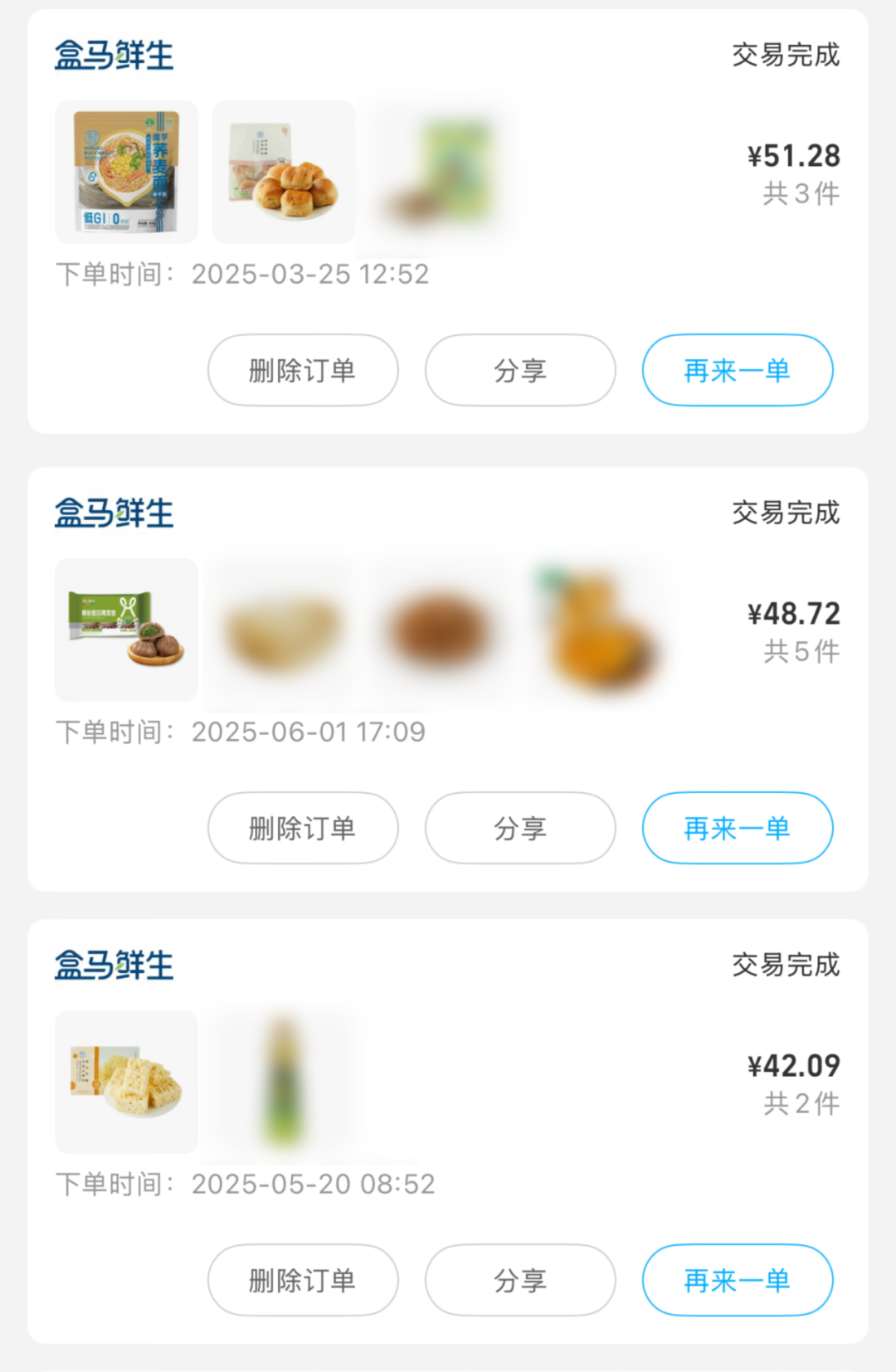
低GI面条

Search documents
低GI饮食成热门 是健康新选还是消费陷阱?
Yang Shi Xin Wen· 2025-12-28 20:46
Group 1 - The core concept of "low GI" refers to the glycemic index, which indicates the ability of a food to raise blood sugar levels. Low GI foods are defined as those with a glycemic index of 55 or less, according to the 2023 guidelines from the Chinese Nutrition Society [1] - The market for low GI foods is expanding, with a variety of products such as cereals, cakes, beverages, and even low GI rice and noodles available in supermarkets. These products are prominently displayed and often come at a higher price point compared to regular options [2][4] - There is a significant consumer interest in low GI foods, with some products marketed as suitable for diabetics, pregnant women, and those looking to lose weight. However, there is ongoing debate regarding the effectiveness of these foods [9] Group 2 - Experts suggest that low GI foods are not a necessity for everyone and can be viewed as a choice in managing sugar intake. There are many economical and practical methods for controlling blood sugar that individuals can easily adopt [11] - Practical tips for lowering glycemic index include mixing beans or other grains with rice during cooking, adjusting the order of food consumption during meals, and practicing mindful eating [12] - Additional lifestyle factors such as ensuring adequate sleep and maintaining a calm mindset are also important for blood sugar regulation, alongside dietary and exercise habits [16]


低GI饮食成热门,是健康新选还是消费陷阱?
Xin Lang Cai Jing· 2025-12-28 15:19
Core Viewpoint - The article discusses the rising popularity of low GI (glycemic index) foods, which are marketed as healthier options for consumers looking to manage blood sugar levels. It highlights the definition of low GI foods, their characteristics, and the misconceptions surrounding their health benefits [1][10]. Group 1: Definition and Characteristics of Low GI Foods - Low GI foods are defined as those with a glycemic index of 55 or less, indicating a slower digestion and absorption rate of carbohydrates, which helps avoid sharp spikes in blood sugar levels [1]. - These foods are designed with special formulations and processes to enhance their slow-digesting properties, providing benefits such as prolonged satiety [1]. Group 2: Market Trends and Consumer Behavior - The demand for low GI foods has surged, with many consumers prioritizing "sugar control" in their diets, leading to a wide variety of low GI products available in supermarkets and online platforms [1][3]. - A notable example includes a low GI yogurt priced at nearly 30 RMB for four small boxes, significantly higher than regular yogurt priced at around 10 RMB for the same quantity [1]. Group 3: Misconceptions and Expert Insights - There are common misconceptions about low GI foods, such as the belief that they are synonymous with low sugar or low-calorie options. Experts warn that consuming large quantities of low GI foods can still lead to elevated blood sugar levels [7][9]. - It is emphasized that consumers should also consider the glycemic load (GL) of foods, which accounts for the total carbohydrate content, providing a more accurate reflection of their impact on blood sugar [7][8]. Group 4: Practical Tips for Blood Sugar Management - Experts suggest that low GI foods are not essential for everyone, and there are economical ways to manage blood sugar, such as incorporating beans or whole grains into meals and adjusting eating habits [10]. - Additional recommendations include taking a walk after meals or performing simple exercises to help lower post-meal blood sugar levels [12].
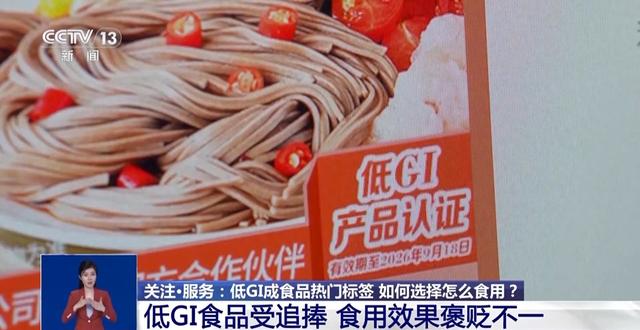
狂吸父母退休金的「慢升糖」食品,是智商税么?
36氪· 2025-06-25 13:56
Core Viewpoint - The article discusses the rising popularity of low glycemic index (GI) foods, particularly among older consumers, and the potential implications for health and marketing strategies in the food industry [3][16][18]. Group 1: Low GI Food Trends - Low GI foods have become ubiquitous in supermarkets, with various products prominently displaying "low GI" labels [7][8]. - The demand for low GI foods is driven by a significant diabetic population in China, prompting government initiatives to promote healthier eating habits [16][18]. - The certification process for low GI foods involves rigorous testing to ensure that blood sugar responses are significantly lower than that of glucose [17][20]. Group 2: Consumer Behavior and Marketing - Older consumers, particularly retirees, are increasingly willing to invest in health-oriented products, despite higher prices associated with low GI certifications [30]. - The article highlights a contrast between the purchasing power and health awareness of older consumers versus younger working individuals, who may prioritize cost and convenience over health [34]. - Marketing strategies have evolved to target health-conscious consumers, with products often featuring various health claims and certifications to attract buyers [11][20]. Group 3: Product Pricing and Perception - Low GI products are often priced significantly higher than their non-GI counterparts, with some items costing up to 40% more [14][30]. - The perception of health benefits associated with low GI foods can lead to a psychological effect, influencing consumer choices and satisfaction [23][25]. - The article raises questions about the authenticity and reliability of low GI certifications, as different products may carry varying labels and standards [21][20].
狂吸父母退休金的“慢升糖”食品,是智商税么?
Hu Xiu· 2025-06-18 09:27
Core Viewpoint - The article discusses the rising trend of low glycemic index (GI) foods in the market, particularly targeting older consumers, and raises concerns about the authenticity and marketing strategies behind these products [1][5][12]. Group 1: Market Trends - Low GI food labels have become ubiquitous in supermarkets, appearing on various products from noodles to snacks, indicating a significant shift in consumer awareness and demand for healthier options [6][10]. - The concept of low GI foods is being promoted as part of a national health initiative, with the government encouraging the consumption of low sugar or no sugar products to combat diabetes [12][14]. Group 2: Consumer Behavior - Older consumers, particularly retirees, are increasingly investing in low GI foods, despite the higher prices associated with these products, reflecting a shift in their spending priorities towards health [26]. - There is a growing "health anxiety" among consumers, leading them to seek out products that claim to have health benefits, such as low GI foods, which may not always be substantiated [10][30]. Group 3: Certification and Authenticity - The process for obtaining low GI certification involves rigorous testing to ensure that the blood sugar response to the product is significantly lower than that of glucose, which adds credibility to the label [13][16]. - Different products may carry varying low GI certifications due to the involvement of multiple third-party laboratories, leading to inconsistencies in labeling and consumer confusion [16][17]. Group 4: Pricing Dynamics - The presence of low GI labels can lead to a price increase of up to 40% for similar products, raising questions about the value proposition for consumers [12][11]. - Despite the higher costs, consumers are willing to pay more for products that align with their health goals, indicating a potential market opportunity for companies offering certified low GI foods [26].