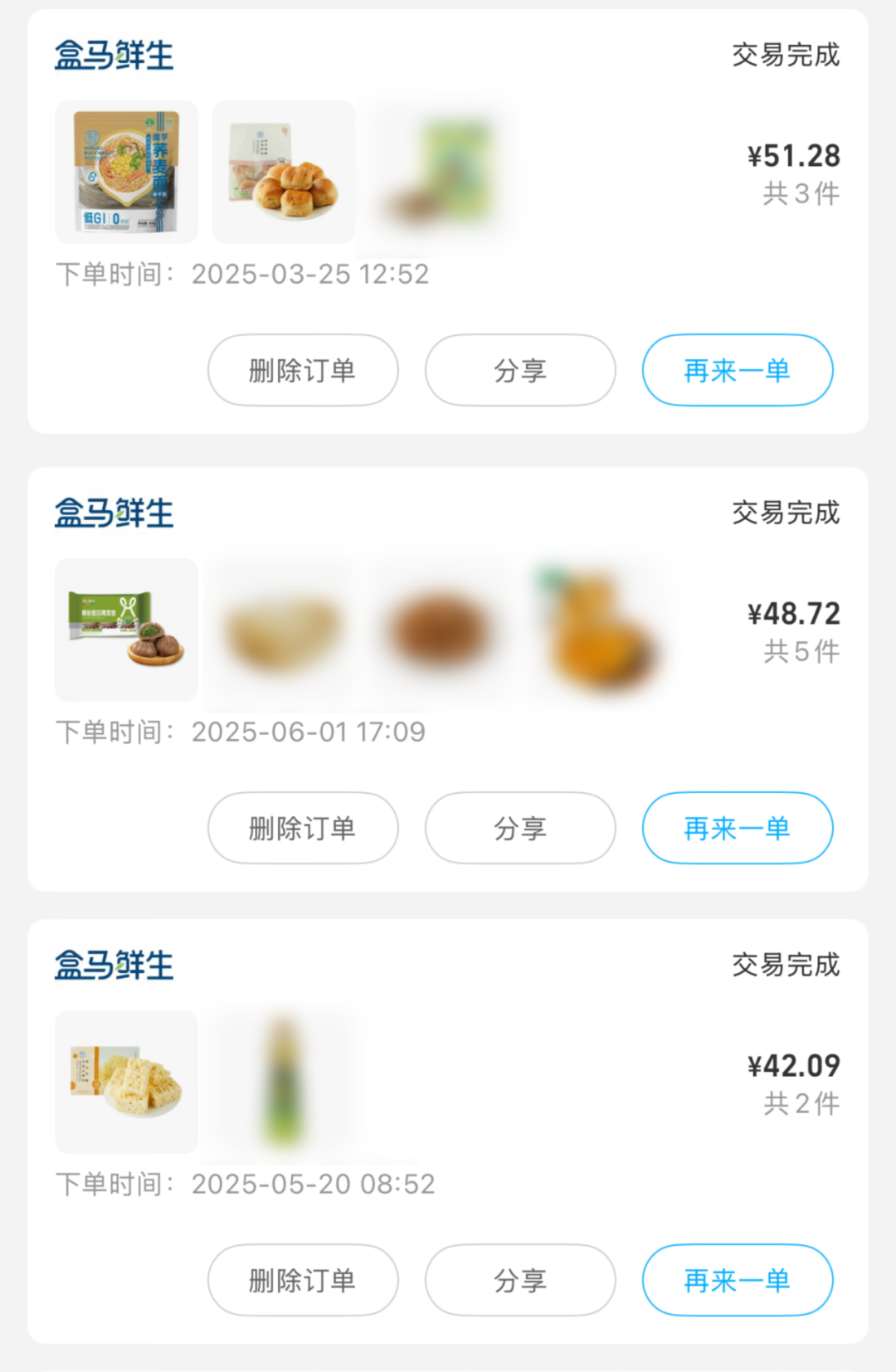
低GI面包

Search documents
清洁标签、全麦、低 GI 混战:千亿市场的常温包装面包的未来在哪?
东京烘焙职业人· 2026-03-03 08:32
Core Insights - The article discusses the transformation of the Chinese packaged bread market, highlighting the shift from long-shelf-life to short-shelf-life products, driven by changing consumer preferences towards health and freshness [4][7][12]. Market Overview - The overall market size for bread in China is projected to exceed 200 billion yuan by 2025, with packaged bread accounting for 45% of the market share, expected to surpass 900 billion yuan [6]. - Short-shelf-life bread is becoming dominant, expected to account for over 60% of the packaged bread market by 2025, while long-shelf-life bread remains significant in niche markets [7]. Consumer Trends - There is a notable shift in consumer preferences towards health-oriented products, with sales of whole grain, low GI, and clean label breads expected to reach 38.4% of the market by 2025 [9][11]. - 68% of consumers are willing to pay a premium of over 20% for bread with health claims, indicating a strong market for health-focused products [11]. Historical Development - The evolution of the packaged bread market can be divided into three phases: 1. Long-shelf-life dominance, characterized by brands like Dali Garden and Panpan, focusing on convenience and affordability [12]. 2. The rise of short-shelf-life products, led by brands like Taoli, emphasizing freshness and quality [15]. 3. A current focus on health, with a diverse range of products competing in the market [18]. Sales Channels - Supermarkets remain the largest sales channel for packaged bread, but their market share is declining, while convenience stores are experiencing rapid growth [7]. - Online sales, including e-commerce, account for 10.1% of the market, with health-oriented products driving growth [7]. Product and Marketing Changes - The product landscape is shifting from sweet breads to health-oriented options, with a significant increase in the availability of whole grain and functional breads [33]. - Marketing strategies are evolving from price-based narratives to health value propositions, focusing on ingredient transparency and nutritional benefits [35]. Challenges and Opportunities - The industry faces challenges from the increasing prevalence of freshly baked bread, price wars, and the rapid evolution of consumer demands [39][42]. - However, the industrialized nature of packaged bread offers efficiency advantages that freshly baked products cannot match, particularly in terms of distribution and cost [47]. - The health trend presents opportunities for brands that can innovate and meet consumer demands for cleaner, healthier products [50][51]. Technological Innovations - Advances in technology are reshaping the competitive landscape, with new methods for preserving freshness and improving ingredient quality [54][56]. - The focus on clean labels and health-oriented formulations is becoming a standard requirement for market entry, driven by regulatory changes and consumer expectations [34].

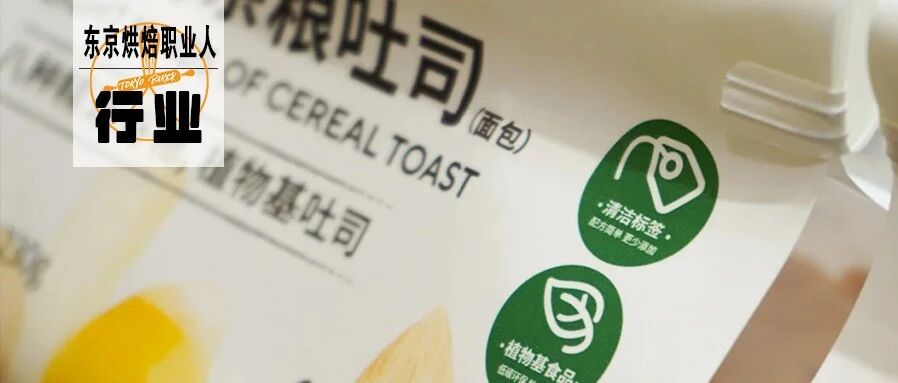
狂吸父母退休金的「慢升糖」食品,是智商税么?
36氪· 2025-06-25 13:56
Core Viewpoint - The article discusses the rising popularity of low glycemic index (GI) foods, particularly among older consumers, and the potential implications for health and marketing strategies in the food industry [3][16][18]. Group 1: Low GI Food Trends - Low GI foods have become ubiquitous in supermarkets, with various products prominently displaying "low GI" labels [7][8]. - The demand for low GI foods is driven by a significant diabetic population in China, prompting government initiatives to promote healthier eating habits [16][18]. - The certification process for low GI foods involves rigorous testing to ensure that blood sugar responses are significantly lower than that of glucose [17][20]. Group 2: Consumer Behavior and Marketing - Older consumers, particularly retirees, are increasingly willing to invest in health-oriented products, despite higher prices associated with low GI certifications [30]. - The article highlights a contrast between the purchasing power and health awareness of older consumers versus younger working individuals, who may prioritize cost and convenience over health [34]. - Marketing strategies have evolved to target health-conscious consumers, with products often featuring various health claims and certifications to attract buyers [11][20]. Group 3: Product Pricing and Perception - Low GI products are often priced significantly higher than their non-GI counterparts, with some items costing up to 40% more [14][30]. - The perception of health benefits associated with low GI foods can lead to a psychological effect, influencing consumer choices and satisfaction [23][25]. - The article raises questions about the authenticity and reliability of low GI certifications, as different products may carry varying labels and standards [21][20].
狂吸父母退休金的“慢升糖”食品,是智商税么?
Hu Xiu· 2025-06-18 09:27
Core Viewpoint - The article discusses the rising trend of low glycemic index (GI) foods in the market, particularly targeting older consumers, and raises concerns about the authenticity and marketing strategies behind these products [1][5][12]. Group 1: Market Trends - Low GI food labels have become ubiquitous in supermarkets, appearing on various products from noodles to snacks, indicating a significant shift in consumer awareness and demand for healthier options [6][10]. - The concept of low GI foods is being promoted as part of a national health initiative, with the government encouraging the consumption of low sugar or no sugar products to combat diabetes [12][14]. Group 2: Consumer Behavior - Older consumers, particularly retirees, are increasingly investing in low GI foods, despite the higher prices associated with these products, reflecting a shift in their spending priorities towards health [26]. - There is a growing "health anxiety" among consumers, leading them to seek out products that claim to have health benefits, such as low GI foods, which may not always be substantiated [10][30]. Group 3: Certification and Authenticity - The process for obtaining low GI certification involves rigorous testing to ensure that the blood sugar response to the product is significantly lower than that of glucose, which adds credibility to the label [13][16]. - Different products may carry varying low GI certifications due to the involvement of multiple third-party laboratories, leading to inconsistencies in labeling and consumer confusion [16][17]. Group 4: Pricing Dynamics - The presence of low GI labels can lead to a price increase of up to 40% for similar products, raising questions about the value proposition for consumers [12][11]. - Despite the higher costs, consumers are willing to pay more for products that align with their health goals, indicating a potential market opportunity for companies offering certified low GI foods [26].