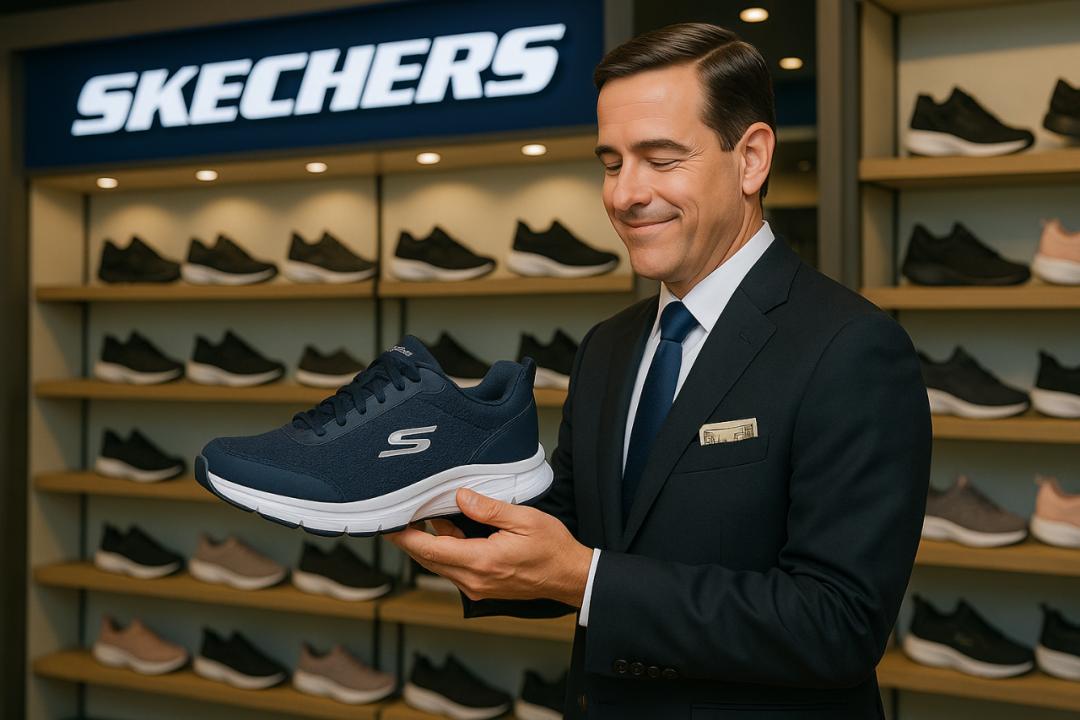
健步鞋

Search documents
上海首家银发商店开业即销售火爆
Sou Hu Cai Jing· 2026-01-11 03:30
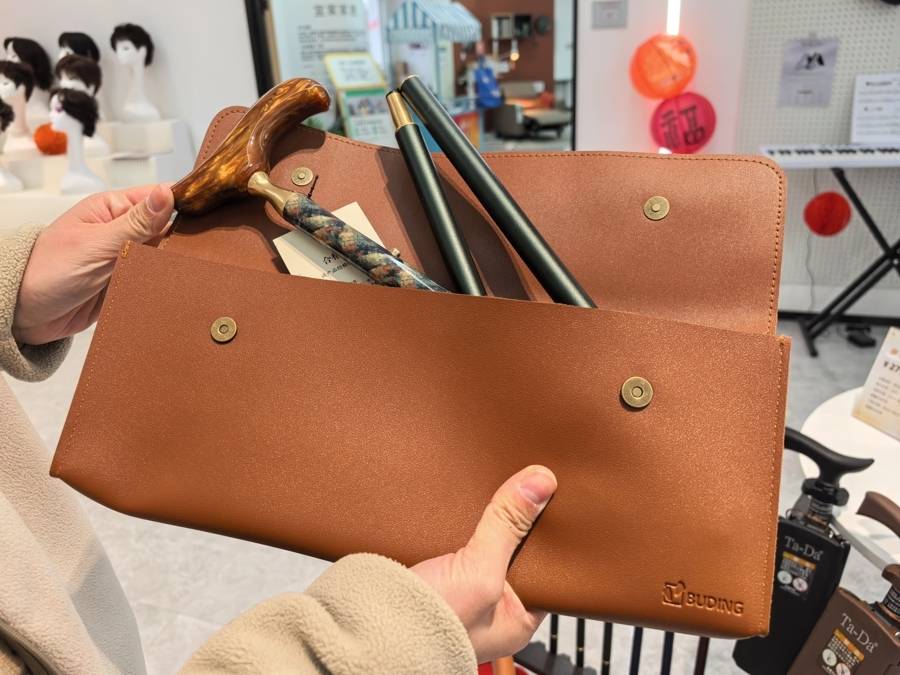
Core Insights - The opening of Shanghai's first "Silver Hair Store" has attracted significant attention, becoming a popular destination for the elderly, with sales exceeding 300,000 yuan within two weeks of opening [1] - The store aims to bridge the gap between innovative products and the elderly population, addressing their specific needs and preferences [1][4] - The growing elderly population in Shanghai, nearing 40%, indicates a stable and capable consumer market for silver-haired products [1] Product Offerings - The store features a wide range of products, including smart aids, age-friendly home decor, health foods, and functional clothing, catering to the evolving tastes of the elderly [2][4] - Popular items include stylish walking shoes and multifunctional carts, which combine practicality with modern aesthetics [5][7] - The store also offers rental services for elderly care equipment, making it more accessible for families [2] Consumer Behavior - The new generation of elderly consumers is increasingly seeking quality and aesthetic appeal in products, moving away from traditional perceptions of elderly goods [4] - A significant portion of purchases is made by children for their elderly parents, indicating a family-oriented consumption pattern [8] Experience-Oriented Shopping - The store operates as a dynamic showroom, adjusting its product offerings based on customer feedback and needs, exemplified by the "wish wall" where elderly customers can express their desires for specific products [9] - The importance of hands-on experience is highlighted, as many elderly customers prefer to try products before making a purchase decision, especially for larger items [10][11] Community Engagement - The store collaborates with local businesses and community initiatives to enhance the shopping experience and provide tailored services, such as policy interpretation for subsidies related to elderly care [13][24] - Other local stores are also exploring unique approaches to cater to the elderly, creating a diverse landscape in the silver economy [14][16] Market Trends - The silver economy in Shanghai is characterized by a diverse range of offerings, from community-focused shops to large retail spaces integrating technology and lifestyle products [18][19] - The market is evolving, with a need for clarity in defining the boundaries of the silver economy, which encompasses both products specifically for the elderly and broader societal changes due to aging [19][20] Future Outlook - The silver store model is seen as a positive development, contributing to a more elderly-friendly society and creating a complete ecosystem for the silver economy [24] - There is an expectation for continued growth and innovation in this sector, with a focus on integrating various aspects of elderly care and consumer needs [24]

斯凯奇94亿美元私有化交易引诉讼风波
Sou Hu Cai Jing· 2025-12-05 02:07
Group 1 - The acquisition of Skechers by 3G Capital for approximately $9.4 billion at $63 per share has sparked a lawsuit from hedge funds seeking to reassess the company's fair value, claiming the price undervalues the company [2][4] - The acquisition price represented a 30% premium over the 15-day volume-weighted average stock price prior to the announcement, but the stock had already dropped 25% by April 24 due to U.S. government tariff policy fluctuations [4] - Skechers' sales for the first half of 2025 reached $4.85 billion, a 10% year-over-year increase, with the Asia-Pacific region contributing $1.19 billion, up 15.8%, although sales in China declined by 12.1% [6] Group 2 - The lawsuit from hedge funds is seen as a speculative move, where they purchased shares before the acquisition and are now challenging the price to seek higher returns [5] - 3G Capital attempted to negotiate a settlement with a slightly higher offer than the acquisition price, but it did not meet the expectations of the hedge funds and other large investors [5] - Skechers China has managed to produce over 90% of its products locally, reducing the impact of external trade environment changes, and is investing in digitalization and AI to enhance its supply chain [5]
韩剧女主穿火的鞋,这回真成美国足力健了
3 6 Ke· 2025-11-25 01:08
Core Insights - Skechers is shifting its focus towards the elderly market, aiming to attract "parent fans" as it faces challenges in growth and customer acquisition [3][5][15] - The company's sales in the Asia-Pacific region have shown a positive growth of 15.8% year-on-year, while the Chinese market has seen a decline of 12.1% in the first half of 2025 [3][12] - Skechers has appointed actor Tony Leung as its brand ambassador in the Asia-Pacific region, but the marketing strategy has received mixed reactions from younger consumers [3][5] Sales Performance - In the first half of 2025, Skechers generated $4.85 billion in global sales, marking a 10% year-on-year increase [3] - The Chinese market, however, has been a drag on overall performance, with sales declining by 11.5% in Q4 2024 and 12.1% in the first half of 2025 [3][12] Market Positioning - Skechers has historically positioned itself as a "comfortable alternative" in the footwear market, differentiating itself from major brands like Nike and Adidas [7][12] - The brand has seen significant growth in China, with sales increasing from 74 million yuan in 2008 to 10.43 billion yuan in 2017, averaging a 73% annual growth rate [12] Target Demographics - The core customer group for Skechers in China is individuals around 45 years old, indicating a shift towards appealing to middle-aged and elderly consumers [15][20] - The brand's marketing strategy has included targeting family-oriented consumption, with products designed for all age groups [20][22] Competitive Landscape - Skechers faces increasing competition from local brands like Anta and Li Ning, which have gained popularity among younger consumers [12][27] - The brand's traditional appeal to comfort is being challenged by competitors offering more stylish and technologically advanced options [27][31] Marketing Strategy - The recent marketing campaign featuring Tony Leung emphasizes comfort and ease of use, targeting older consumers but potentially alienating younger audiences [20][22] - Skechers has been criticized for its outdated designs, which do not resonate with the aesthetic preferences of younger consumers [15][24] Future Outlook - The company is at a crossroads, needing to decide whether to adapt to younger consumers' preferences or continue focusing on its established comfort-oriented strategy [15][27] - Skechers' recent privatization and acquisition by 3G Capital may lead to strategic shifts in its operations and marketing approach [15][27]


韩剧女主穿火的鞋,这回真成美国足力健了
36氪· 2025-11-25 00:09
Core Viewpoint - Skechers is shifting its focus from targeting younger consumers to appealing to the middle-aged and elderly demographic, as evidenced by its recent marketing strategies and brand endorsements [4][22][30]. Group 1: Company Performance - In the first half of 2025, Skechers achieved global sales of $4.85 billion, a year-on-year increase of 10%, with the Asia-Pacific market growing by 15.8%. However, the Chinese market saw a decline, with sales dropping by 12.1% [6][22]. - Skechers' sales in China rose from 74 million yuan in 2008 to 10.43 billion yuan in 2017, averaging a remarkable annual growth rate of 73% over ten years [17]. Group 2: Market Positioning - Skechers has historically positioned itself as a "comfortable alternative" in the footwear market, focusing on practicality rather than competing directly with high-end brands like Nike and Adidas [12][34]. - The brand has been criticized for its aesthetic appeal, with many consumers perceiving its designs as unattractive compared to competitors [20][32]. Group 3: Target Demographic Shift - Skechers is increasingly targeting middle-aged consumers, with 60.17% of respondents aged 36 to 45 expressing a desire for easy-to-wear shoes [24][26]. - The brand's recent marketing campaigns, including the endorsement of actor Tony Leung, are aimed at appealing to older consumers, which has led to a perception of Skechers as "American elder shoes" [8][22]. Group 4: Competitive Landscape - The rise of domestic brands like Anta and Li Ning has intensified competition, challenging Skechers' market share and forcing it to reconsider its strategies [18][38]. - Skechers faces challenges in maintaining its market position as competitors invest heavily in research and marketing, with leading brands allocating 3% to 4% of their annual revenue to R&D [36].

683亿,斯凯奇要卖了
3 6 Ke· 2025-05-07 12:14
Group 1 - 3G Capital plans to acquire Skechers for $9.4 billion (approximately 68.3 billion RMB), with the transaction expected to complete in Q3 of this year, leading to Skechers going private [2][7] - Following the announcement, Skechers' stock price surged by 25% [2] - Skechers has successfully differentiated itself in the market by focusing on casual footwear, avoiding the professional sports segment dominated by Nike and Adidas, and has become the second-largest casual shoe brand in the U.S. [3] Group 2 - Skechers' global sales are projected to grow from approximately $4.6 billion in 2020 to about $9 billion by 2024, nearly doubling in four years, with a year-on-year growth of 12.1% in 2024, outpacing Nike and Adidas [3] - In Q1 2025, Skechers reported sales of $2.41 billion, a 7.1% increase compared to the same period in 2024, but profits slightly decreased to $202.4 million [4] - Since entering the Chinese market in 2007, Skechers has seen significant success, with revenue exceeding 9 billion RMB in 2024, surpassing local brands like Xtep and 361 Degrees [5] Group 3 - Skechers has aggressively expanded in China, adding an average of 500 stores annually, reaching nearly 3,500 stores by 2024, with China accounting for 15% of its sales and becoming its largest overseas market [6] - However, in Q1 2025, sales in the Chinese market declined by 16%, and Skechers' stock has dropped about 30% since the beginning of the year due to trade policy uncertainties and declining sales in China [6] - Analysts believe Skechers' decision to go private is aimed at avoiding regulatory pressures and gaining greater operational autonomy amid trade challenges [7][8] Group 4 - 3G Capital, founded in Brazil in 2004, manages $14.3 billion in assets and is known for significant investments in the consumer sector [9][10] - The firm has a history of successful acquisitions, including the merger of AmBev and Interbrew to form InBev, and the acquisition of Anheuser-Busch, resulting in the creation of AB InBev [10][11] - 3G Capital's acquisition of Skechers at a 30% premium over its market valuation reflects confidence in Skechers' long-term business prospects and growth potential [12]