
老年用品

Search documents
2026全球老年用品市场洞察报告
大数跨境· 2026-02-12 01:20
Investment Rating - The report indicates a strong investment opportunity in the elderly products market, highlighting its growth potential driven by global aging demographics and increasing demand for high-quality, intelligent products [7][19]. Core Insights - The elderly products market is evolving from a niche category to a new blue ocean for cross-border consumption, with significant growth in both mature and emerging markets [7][19]. - The global elderly economy is projected to reach $14.2 trillion by 2024 and $27.9 trillion by 2033, with a compound annual growth rate (CAGR) of 7.9% from 2025 to 2033 [32][33]. - The report emphasizes the importance of product innovation and emotional connection in meeting the needs of the elderly population, particularly in developed markets [105][170]. Market Overview - The elderly products market focuses on individuals aged 60 and above, addressing their needs in health, convenience, safety, and entertainment [21]. - Key product categories include mobility aids, self-care assistance, health monitoring devices, nursing care products, safety and monitoring equipment, and communication tools [22][23]. - The market is driven by rapid global population aging, with the number of people aged 60 and above expected to increase from 1 billion in 2020 to 1.4 billion by 2030 [26][28]. Popular Category Analysis - The elderly care products market is expected to reach $29.4 billion by 2025, with a CAGR of 6.2% [61]. - Mobility aids are projected to grow from $10.4 billion in 2024 to $20.3 billion by 2034, driven by increasing demand for independent living solutions [65]. - The elderly nutrition market is forecasted to reach $20.9 billion in 2024, with protein products expected to hold the largest market share [71]. Overseas Opportunity Analysis - The report identifies high-demand categories such as smart health monitoring devices and safety home products as key opportunities for market entry [102]. - Strategies for entering overseas markets include emphasizing product usability, data accuracy, and integration with mobile applications to meet health management needs [102]. - The report highlights the importance of understanding local regulations and cultural preferences to successfully penetrate international markets [120][121]. Brand Case Studies - The case study of the brand "WhyWorry" illustrates successful market entry strategies for elderly care products, focusing on user lifecycle value and effective channel strategies [130][133]. - "GrandPad" is highlighted for its user-centric design tailored for seniors, demonstrating the value of specialized products in the international market [151][155]. Conclusion - The elderly products market presents significant growth opportunities driven by demographic trends and evolving consumer needs. Companies must leverage local manufacturing capabilities and adapt to market-specific requirements to succeed in international markets [170].
2026全球老年用品市场洞察报告-大数跨境
Sou Hu Cai Jing· 2026-02-11 07:13
Market Overview - The global elderly products market is centered around individuals aged 60 and above, covering seven major categories including mobility support, health monitoring, and caregiving, driven by the surge in the elderly population and increased life expectancy. By 2050, the population aged 60 and above is expected to reach 2.1 billion [1][16] - The silver economy is projected to expand significantly, with a global market size of $14.2 trillion in 2024, increasing to $27.9 trillion by 2033. In China, the market size is expected to reach 8.3 trillion yuan in 2024, with a growth rate of 16.9% [1][22] Hot Category Analysis - All segments within the elderly products market are experiencing growth, with core necessities including caregiving products, mobility aids, and nutritional health products. The global elderly caregiving products market is expected to reach $29.4 billion by 2025 and $450 billion by 2032 [2] - The market for mobility aids is projected to be $10.4 billion in 2024, growing to $20.3 billion by 2034, while nutritional health products are expected to reach $20.92 billion in 2024, with protein products having the highest market share [2] Overseas Opportunity Analysis - The report categorizes product categories into stars, growth, and basic types, highlighting smart health monitoring devices and safe, convenient home products as high-demand star categories. High-end mobility aids are identified as growth categories with significant potential [2] - Challenges for brands entering overseas markets include regulatory compliance, cultural adaptation, and brand competition, particularly in the stringent FDA and CE certification environments of the U.S. and Europe [2] Brand Case Studies - Chinese brand WhyWorry and American brand GrandPad serve as benchmarks for overseas expansion. WhyWorry focuses on adult incontinence care with localized product design and differentiation, while GrandPad specializes in senior-friendly tablets emphasizing simplicity and emotional connection [3]


广州银龄集市:激活银发消费新生态
Sou Hu Cai Jing· 2026-02-10 13:03
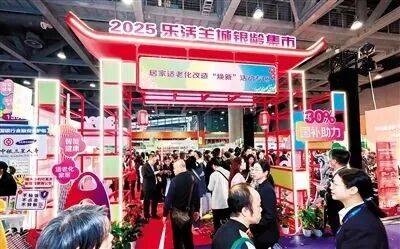
Core Insights - The article discusses how Guangzhou is transforming policy benefits into accessible happiness experiences for the elderly, aiming to stimulate the trillion-level silver economy market through the "Lohas Yangcheng" silver market initiative [1] Group 1: Silver Market Initiative - In 2025, Guangzhou plans to hold 180 "Lohas Yangcheng" silver markets under the guidance of local civil affairs and aging offices, utilizing a "six-in-one" innovative model that integrates various services [1] - The silver market aims to provide a one-stop consumption experience for the elderly, combining supermarkets, hospitals, banks, and community events [1] Group 2: Subsidy Policy Integration - Guangzhou is the first city in China to deeply integrate national subsidies for home adaptation with offline consumption, offering a 30% discount on eligible products, with a maximum subsidy of 10,000 yuan per person [4] - The range of subsidized products has expanded to 54 categories across seven major types, addressing diverse needs from home modifications to health monitoring [4] Group 3: Sales Performance and Impact - The total sales revenue from the silver market reached 43.139 million yuan, with over 35 million yuan attributed to subsidized products [5] - During the ninth Guangzhou International Elderly Health Industry Expo, the silver market's home adaptation section achieved sales exceeding 12 million yuan in three days, with a conversion rate of 35% [5] Group 4: Consumer Behavior Trends - Data from last year's silver market indicates a 200% year-on-year increase in users purchasing elderly-friendly products, reflecting a shift from basic needs to quality improvements [6] - The subsidy policy has encouraged family collaborative consumption, with over half of the orders for elderly products made by children for their parents [6] Group 5: Comprehensive Service Model - The silver market has created a comprehensive service model that includes medical consultations, financial education, and community performances, effectively addressing the diverse needs of the elderly [8] - Each district in Guangzhou has tailored its silver market activities to local characteristics, enhancing the overall experience for the elderly [8] Group 6: Future Developments - The silver market plans to evolve into a 3.0 version focusing on fixed, normalized, decentralized, and digital services, including a mobile service station to reach rural areas [15][16] - The initiative aims to create a vibrant new culture of aging, promoting positive perceptions of elderly consumption and engagement in community activities [18]
从一面“许愿墙”看银发经济新需求
Jing Ji Guan Cha Wang· 2026-02-03 04:19
Core Insights - The article highlights the growing demand for personalized and diverse products for the elderly in China, indicating a mismatch between supply and actual needs in the elderly goods market [1][2] - The silver economy is projected to reach a market size of 6.1 trillion yuan by 2025, more than double the figures from 2014, reflecting a shift in consumption from survival to enjoyment among the elderly [1][5] - The need for a transition from a production-led to a demand-driven approach in the elderly goods market is emphasized, with a focus on understanding and addressing the specific needs of different age groups [1][2] Market Demand and Supply - There is a call for in-depth investigation into the segmented needs of the elderly, with technology and innovation being crucial for precise responses [2] - National policies have been established to guide the supply side, emphasizing the optimization of elderly-friendly product offerings [2] - Key tasks include enhancing the supply of elderly services and products, and building platforms for supply-demand matching [2] Product Development and Innovation - Companies are encouraged to engage with the elderly during the product development phase to ensure that products meet their real needs [3] - Examples include the development of advanced exoskeletons and community-based trials to gather feedback from elderly users [3] - A full-cycle approach of listening to consumers before production, adjusting during development, and optimizing post-launch is essential for success in the silver economy [3] Economic Impact - Addressing the needs of the elderly is not only a compassionate response to aging but also a strategic choice for fostering new economic momentum and driving industrial upgrades [5] - The silver economy is expected to grow to 30 trillion yuan by 2035, accounting for approximately 10% of GDP, highlighting its significance in the national economy [5]

足力健主导艾灸鞋团体标准,34项标准彰显企业担当
Zhong Guo Zhi Liang Xin Wen Wang· 2026-01-30 07:47
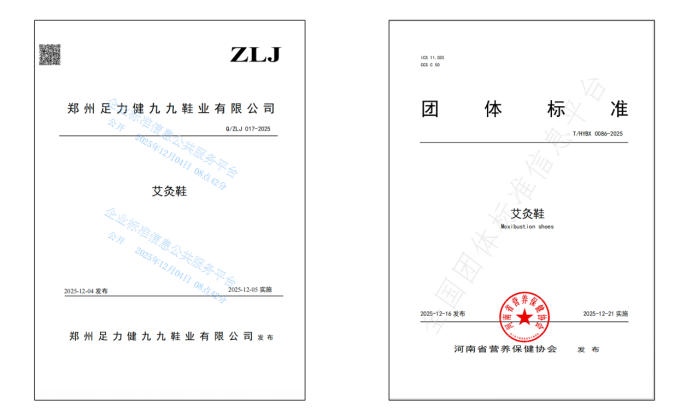
Core Insights - The core initiative of the company is the launch of two important standards for "moxibustion shoes," marking a significant advancement in the elderly health footwear sector and providing essential guidelines for the orderly development of the elderly products market [1][3]. Group 1: Standard Development - The company has participated in the formulation and revision of a total of 34 standards, including 4 national standards, 1 light industry standard, 14 group standards, and 15 enterprise standards, creating a multi-level standard matrix [1]. - The newly released group standard focuses on common industry needs, defining key terms, technical requirements, and testing methods, while the enterprise standard adds stricter specifications tailored to the physiological characteristics and usage scenarios of the elderly [5][7]. Group 2: Market Demand and Product Development - The company's development of moxibustion shoes is driven by a deep understanding of the core needs of the elderly population, particularly their increasing demand for health and wellness products that combine warmth and traditional health concepts [3][8]. - The lack of unified technical specifications and quality standards in the moxibustion shoe market has hindered consumer experience and industry sustainability, prompting the company to initiate the development project alongside standard construction [3][5]. Group 3: Quality Assurance and Industry Leadership - The company emphasizes that product quality assurance relies not only on strict control during production but also on a comprehensive standard system to support it [5]. - The establishment of standards is viewed as a foundational element for industry development, with the company positioning itself as a leader in standard formulation, having taken the lead in drafting key standards such as "elderly shoes" [7][8].
银发商店为老年人提供沉浸式消费新空间
Xin Lang Cai Jing· 2026-01-19 17:08
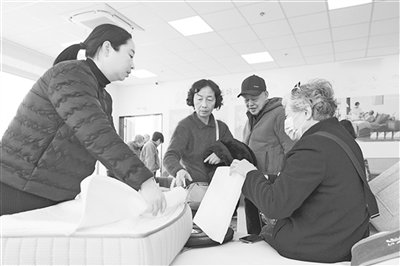
Core Viewpoint - The opening of Shanghai's first silver-haired store represents a significant shift in the retail landscape for elderly products, providing an immersive shopping experience that meets the evolving needs of the aging population [3][4]. Group 1: Store Features and Offerings - The "Shanghai Silver-haired Store" integrates various elderly products, including smart aids, age-friendly home furnishings, functional clothing, and entertainment options, creating a comprehensive shopping environment [3]. - The store aims to address the "last mile" gap between technology products and the elderly, transitioning their consumption from mere functionality to comfort, health, and dignity [3]. Group 2: Market Impact and Consumer Behavior - The physical store complements online shopping platforms by alleviating concerns about product quality and after-sales service, thereby enhancing the confidence and trust of elderly consumers [4]. - This initiative is expected to accelerate the integration of elderly product innovations into daily life, shifting the silver economy from a "protection-oriented" model to a "quality-oriented" one [4]. Group 3: Societal and Economic Implications - The silver-haired store not only caters to the diverse and high-quality lifestyle demands of the elderly but also facilitates intergenerational consumption, easing the concerns of younger consumers about the suitability of products for their elderly relatives [4]. - There is an anticipation for more silver-haired stores to emerge in communities, which would effectively stimulate new economic momentum in the silver economy and improve the availability of quality elderly services and products [4].
【2025榜单】5万亿赛道,30个破局者,15条洞察:中国新银发消费品牌TOP30年度榜
新消费智库· 2026-01-19 14:32
Core Insights - The aging population in China is projected to exceed 297 million, creating a massive market for elderly products, estimated to surpass 50 trillion yuan [2] - Currently, there are over 60,000 types of elderly products globally, but only about 2,000 are produced at scale in China, indicating a significant supply-demand gap [2] - The purchasing power primarily lies with the children of the elderly, who are caught between emotional concerns and practical needs [6][7] Group 1: Consumption Trends - Elderly consumers are willing to spend on health and entertainment, prioritizing products that enhance their longevity and enjoyment of life [6] - The majority of purchases are made by children, who often pay for expensive items like smartwatches and massage chairs, emphasizing the need for dual marketing strategies targeting both generations [7][8] - Elderly individuals are increasingly tech-savvy, often outperforming younger generations in using smartphones and apps, indicating a demand for user-friendly designs rather than "senior versions" of products [10] Group 2: Product Design and Marketing - Effective elderly products should focus on simplicity, removing unnecessary features to avoid confusion [11][12] - Many elderly consumers buy health monitoring devices not for strict data tracking but for peace of mind, highlighting the emotional aspect of health management [13] - Community influencers, such as local shopkeepers, are more effective in promoting products than celebrity endorsements, emphasizing the importance of trust in marketing [14] Group 3: Emerging Business Models - The rental market for medical and rehabilitation equipment is growing, as it offers a cost-effective solution for short-term needs [15] - Companies must focus on genuine product quality and user needs rather than merely meeting subsidy standards to ensure long-term viability [16] - The market for elderly products is vast but under-supplied, with many existing products failing to meet the actual needs and preferences of elderly consumers [17] Group 4: Consumer Behavior - Elderly consumers are cautious decision-makers, often requiring extensive research before making purchases, leading to high brand loyalty once trust is established [20] - They are sensitive to price but prioritize perceived value and effectiveness over mere affordability [21] - Consumption is often driven by necessity rather than desire, with elderly consumers seeking solutions to specific life challenges [22] Group 5: Trust and Authority - Trust in authority figures has evolved, with elderly consumers now valuing advice from family members and community peers alongside traditional experts [24] - Many elderly individuals play a significant role in family purchasing decisions, acting as key financial managers and decision-makers for household needs [26] Group 6: Innovative Brands - The article highlights 30 innovative brands catering to elderly consumers, including those focused on health, home care, and lifestyle products, showcasing the diversity and potential within the silver economy [27][28][29]

实探|上海老人挤爆的“网红店”:3周卖超40万元!不仅卖商品,更卖颜值和尊严
证券时报· 2026-01-19 08:05
Core Viewpoint - The article highlights the emergence of the "silver economy" in Shanghai, showcasing innovative products designed for the elderly that break away from traditional perceptions of dull and monotonous senior goods. The Shanghai Silver Store has quickly gained popularity, achieving sales of over 400,000 yuan within three weeks of opening, indicating a strong market demand for well-designed, functional products for seniors [1][4][25]. Group 1: Product Innovation - The Shanghai Silver Store features products that emphasize multifunctionality and ease of use, such as a shopping cart that transforms into a chair and a heart rate monitor the size of a recording pen [1][9][12]. - Popular items include a "riding chair" cane that can quickly convert into a stable seat, addressing the need for rest during outings [6][7]. - The store aims to bridge the gap between technology and the elderly by providing a comprehensive platform for product experience, consultation, and service [11][25]. Group 2: Market Demand and Consumer Behavior - There is a notable shift in the silver economy towards "aesthetic economy," with elderly consumers increasingly valuing the appearance and design of products alongside functionality [19][20]. - Elderly consumers are reluctant to purchase items labeled as "senior products," preferring terms like "comfortable shoes" that do not carry negative connotations [19][20]. - The article emphasizes the importance of dignity and ease of use for elderly consumers, who prefer products that do not require assistance from others [23][24]. Group 3: Market Challenges - The silver economy faces a "two-sided imbalance," where high-end products are overly complex and low-end products only meet basic needs, leaving a scarcity of mid-tier options that combine quality, affordability, and usability [25][26]. - There is a significant lack of trust and experience in purchasing complex products, necessitating in-person consultations and demonstrations to build consumer confidence [25][26]. - The article points out the "digital divide" that complicates online shopping for the elderly, as many are not comfortable with e-commerce processes [23][24]. Group 4: Future Plans - The Shanghai Silver Store plans to expand its network across major urban areas in the Yangtze River Delta and evolve from single product sales to comprehensive solutions for home modifications and senior activities [1][26]. - The store aims to collaborate with manufacturers to develop products that meet the real needs of elderly consumers, driven by feedback from the market [26].

探访上海首家银发商店感受银发经济新活力
Xin Lang Cai Jing· 2026-01-15 18:26
Group 1 - The core viewpoint of the article highlights the opening of Shanghai's first silver-haired store, which aims to provide a daily extension of the Shanghai Old Expo through innovative product experiences for the elderly [3] - The store features a variety of products tailored for the elderly, including smart assistive devices, age-friendly home furnishings, functional clothing, and entertainment options, creating an immersive shopping experience [3] - The store will regularly update its selection of preferred products to cater to the needs of the elderly demographic, indicating a commitment to continuous improvement and customer engagement [3]

大力支持科技赋能养老服务
Ke Ji Ri Bao· 2026-01-15 13:13
Core Insights - The Ministry of Civil Affairs and seven other departments have jointly issued measures to promote the development of the silver economy and support the cultivation of elderly care service operators [1] Group 1: Key Measures - The measures propose 14 specific initiatives across five areas, emphasizing the integration of technology in elderly care services, including the use of big data, artificial intelligence, and Beidou technology for health monitoring and personalized services [1] - There is a strong encouragement for the development of elderly care robots and support for companies developing smart devices to pilot their applications in elderly care institutions [1] - The focus is on transforming the elderly care service system from a "traditional care model" to a "smart quality enhancement model," driven by technological innovation and supply optimization [1] Group 2: Industry Development Focus - The Ministry of Industry and Information Technology aims to enhance the quality of elderly products and promote the widespread application of smart health and elderly care services, focusing on increasing variety, improving quality, strengthening technology, and enforcing standards [2] - Key areas for technological support include the development of humanoid robots, health monitoring devices, and rehabilitation aids for large-scale application in homes, communities, and elderly care institutions [2] - The measures also include building a supply-demand matching platform to address barriers in the silver consumption market, enhancing the shopping experience for the elderly [2]