
儿童叶黄素

Search documents
警惕被这些违法广告误导
Xin Lang Cai Jing· 2026-01-31 17:25
Group 1 - The market regulatory authority has intensified supervision in key livelihood areas such as healthcare, pharmaceuticals, medical devices, food, and children's myopia prevention, announcing ten typical cases of illegal advertising [1][2] - Guangzhou Jianmei Health Technology Co., Ltd. was fined 600,000 yuan for false advertising claims regarding children's eye health products, including "children's lutein" and "eye nose probiotics" [1] - Nala Zun Camel (Guangzhou) Dairy Co., Ltd. was fined 450,000 yuan for misleading claims in its advertising of "camel milk powder" related to disease prevention and treatment [1] - Inner Mongolia Caozhilou Biotechnology Co., Ltd. was fined 200,000 yuan for advertising "organic perilla seed oil" with claims of cancer prevention [1] Group 2 - Chongqing Linhui Tai Business Information Consulting Co., Ltd. was fined 160,000 yuan for advertising "986 germ life enzyme" and other products with false claims about treating serious diseases [2] - Hangzhou Qingbi Brand Management Co., Ltd. was fined 190,000 yuan for misleading claims in advertisements for various health products, including "myopia astigmatism lutein eye patches" [2] - Songyuan Anorectal Hospital was fined 100,000 yuan for false claims regarding its affiliation with reputable medical institutions, affecting public trust and safety [2] Group 3 - Yunnan Yuyao Biopharmaceutical Co., Ltd. was fined 100,000 yuan for violating advertising regulations by promoting a prescription drug, "Sanqi Fatty Liver Pill," inappropriately [3]


儿童护眼“神器”、抗癌“神药”……警惕被这些违法广告误导
Xin Lang Cai Jing· 2026-01-31 13:22
Core Viewpoint - The article highlights the increasing regulatory scrutiny on misleading advertisements in key consumer sectors such as healthcare, pharmaceuticals, medical devices, and food, particularly focusing on children's eye care and cancer treatment products. Group 1: Misleading Advertisements - Guangzhou Jianmei Health Technology Co., Ltd. was fined 600,000 yuan for advertising products like "children's lutein" and "eye protection lamp" with false claims about disease prevention and treatment [1] - Nala Zun Tuo (Guangzhou) Dairy Co., Ltd. faced a fine of 450,000 yuan for misleading claims in its "camel milk powder" advertisements regarding health benefits [1] - Jingdezhen Yuxin Yicai Ceramics Co., Ltd. was fined 287,200 yuan for misleading consumers by falsely advertising its ceramic tableware as "Jingdezhen porcelain" [1] Group 2: Health Claims in Food Products - Inner Mongolia Caozhilou Biotechnology Co., Ltd. was fined 200,000 yuan for advertising "organic perilla seed oil" with claims of cancer prevention and treatment [2] - Chongqing Linhui Tai Business Information Consulting Co., Ltd. was fined 160,000 yuan for promoting products like "986 germ life enzyme" with false health claims and misleading language [2] - Hangzhou Qingbi Brand Management Co., Ltd. was fined 190,000 yuan for advertising "nearsightedness and astigmatism eye patches" with exaggerated claims about restoring vision [2] Group 3: Real Estate and Medical Device Misleading Claims - Anhui Kangqiao Real Estate Co., Ltd. was fined 150,000 yuan for misleading advertising regarding unplanned facilities in its real estate promotions [3] - Shandong Chengshi Chengshi E-commerce Co., Ltd. was fined 105,000 yuan for advertising unapproved medical devices and health claims related to digestive issues [3] - Yunnan Yuyao Biopharmaceutical Co., Ltd. was fined 100,000 yuan for violating advertising regulations for prescription drugs [3] Group 4: Regulatory Actions - In 2025, national market regulatory authorities handled 44,521 cases of advertising violations, imposing fines totaling 252 million yuan, reinforcing consumer rights protection [4]
别被产品的“专利认证”忽悠丨2025消费问题高发区③
Bei Ke Cai Jing· 2025-12-29 03:09
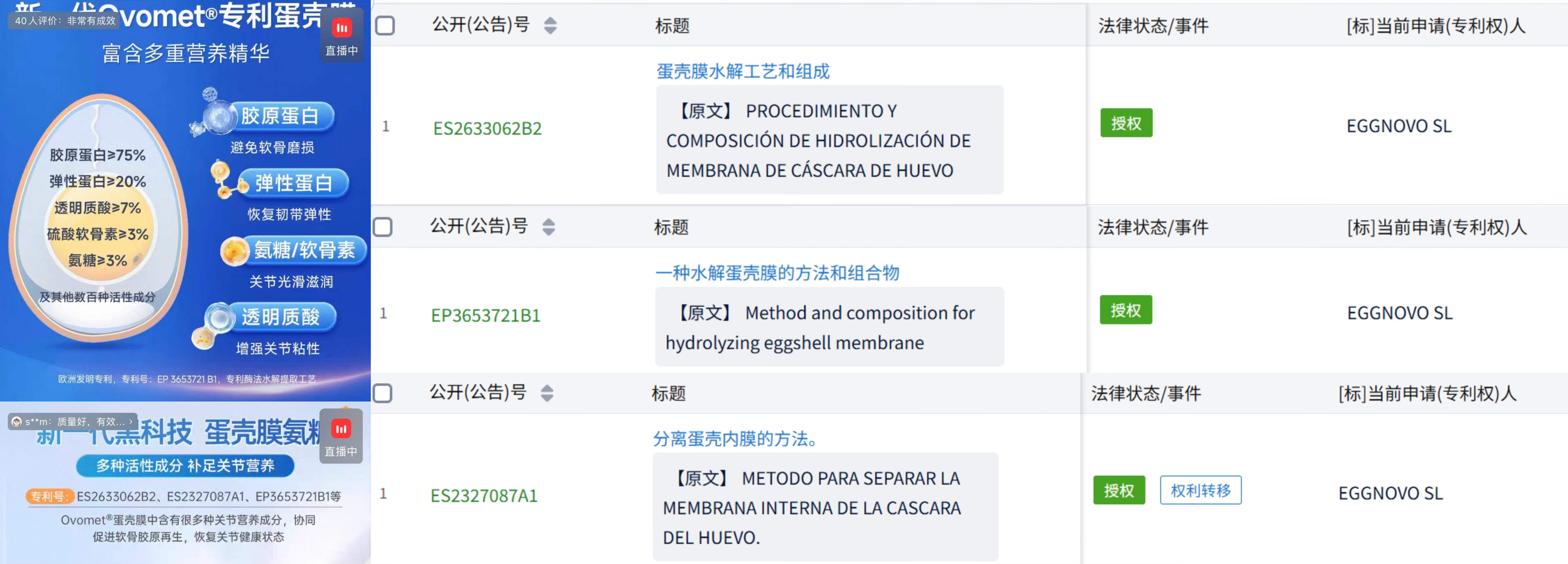
Core Viewpoint - The article highlights the misuse of "patent certification" by some merchants as a marketing tool, misleading consumers about the efficacy and quality of products, particularly in categories like children's lutein and glucosamine products [1][12]. Group 1: Misleading Patent Claims - Some merchants are using patents unrelated to the claimed benefits of their products to mislead consumers, creating a false sense of security regarding product efficacy [1][12]. - An investigation revealed that certain children's lutein products claimed to have patents that do not correlate with their advertised near-sightedness prevention benefits [2][12]. - Specific examples include NaturElan's lutein gummies listing patents related to lutein composition and visual function improvement, which do not support the product's claims [2]. Group 2: Product-Specific Investigations - GreenLife's children's lutein eye protection tablets have patents related to glare prevention and treatment methods for eye diseases, but these do not directly support the product's marketed benefits [3]. - Brieyeye's DHA lutein gummies claimed to have patents for treating eye diseases, but the patents primarily focus on antioxidant compositions, not directly on the product's advertised effects [3]. - Similar misleading claims were found in products like "袋鼠杰克婴童植萃舒鼻膏," where the patents cited were related to manufacturing processes rather than the claimed benefits [4]. Group 3: Legal and Regulatory Insights - Legal experts indicate that using unrelated patents as endorsements for product efficacy may constitute misleading commercial advertising, violating China's Anti-Unfair Competition Law [12]. - The article emphasizes the importance of verifying patent authenticity and relevance to product claims, advising consumers to check patent details on official platforms [14]. - Instances of merchants falsely claiming patents or using expired patents have been documented, leading to legal actions and penalties [13][14].

聚焦儿童营养,产学研融合开启高质量发展新路径
Xin Hua She· 2025-11-13 10:16
Core Insights - The collaboration between LittleUmbrella, JD Health, and Jiangnan University aims to innovate in the children's nutrition sector through a tripartite model of brand, platform, and research [1][2] - The launch of the "Children's Lutein Gold Standard" quality certification system is a significant highlight of this partnership, enhancing the quality control of raw materials [1] Group 1 - LittleUmbrella is a New Zealand-based organic children's nutrition brand that emphasizes organic formulations for better nutrition [1] - The partnership is seen as a model for integrating international trade with industry-academic-research collaboration, allowing LittleUmbrella to adapt more quickly to the Chinese market [2] - The tripartite collaboration is expected to create a new trend in the industry, facilitating the entry of more high-quality children's nutrition products into the market [2] Group 2 - JD Health will leverage its supply chain management and quality control expertise to support the implementation of the "Organic Gold Standard" [1] - The collaboration is characterized by complementary advantages among the three parties, contributing to the establishment of an innovative ecosystem in the children's nutrition field [2]