
元气蛋系列按摩椅

Search documents
影院按摩椅每台每天只赚1毛1,已登陆港交所的乐摩科技有多焦虑?
Xin Lang Cai Jing· 2025-12-18 09:03
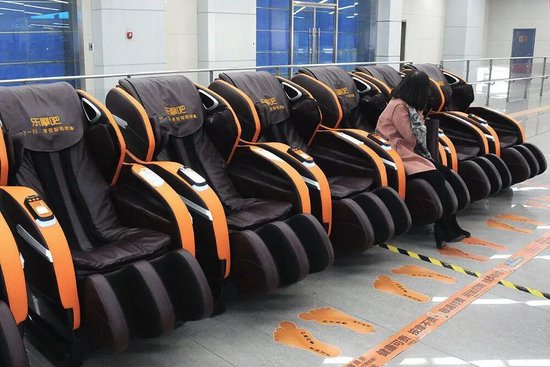
Core Viewpoint - LeMo Technology (2539.HK) debuted on the Hong Kong stock market at an issue price of HKD 40 per share, experiencing a significant first-day increase of 36.25% to close at HKD 54.5, despite a generally unfavorable market environment for new listings [2][22]. Company Overview - LeMo Technology has deployed 535,000 massage chairs across cinemas, shopping malls, and transportation hubs, establishing itself as the industry leader [2][22]. - The company plans to allocate 60% of the net proceeds from its fundraising (HKD 1.82 billion) towards expanding its service network, emphasizing a scale-first approach [2][22]. Financial Performance - The company has faced a "revenue without profit" dilemma, with revenue growth slowing and profit margins contracting, indicating a mismatch between scale expansion and profitability [6][28]. - Revenue increased from RMB 330.15 million in 2022 to RMB 797.99 million in 2024, reflecting a compound annual growth rate of 55.5%, but growth rates have shown a clear downward trend [29][30]. - In 2023, revenue surged by 77.75% due to domestic consumption recovery, but growth is expected to drop to 35.98% in 2024 and further slow to 13.8% in the first eight months of 2025 [30][31]. Cost Structure - Sales costs have risen sharply, with 2022 costs at RMB 244.82 million, increasing to RMB 510.19 million in 2024, outpacing revenue growth for the first time [9][31]. - The total number of massage devices increased from 167,100 in 2022 to 536,400 by 2025, but this expansion has not translated into improved profitability, leading to lower per-device revenue [10][32]. Profitability Issues - Operating profit has shown a decline, with 2023 profits at RMB 87.34 million, slightly decreasing to RMB 85.81 million in 2024, and further dropping to RMB 88.55 million in the first eight months of 2025 [34][33]. - The gross profit margin has fluctuated, peaking at 41.47% in 2023 but falling to 36.16% in 2024, indicating challenges in maintaining profitability amid rising costs [36][14]. Market Challenges - The massage service market in China is projected to be only RMB 2.7 billion in 2024, representing just 0.5% of the overall massage market, limiting the potential for large-scale expansion [41]. - The company faces scrutiny regarding the authenticity of its reported device numbers, with investigations revealing discrepancies in device ID distributions [41][39]. Consumer Experience and Controversies - LeMo Technology has encountered consumer safety issues, including incidents where users have been injured while using their massage chairs, leading to negative public perception [37][15]. - The company's app has received low ratings due to complaints about refund processes and customer service, which may impact user experience and retention [39][17]. Future Outlook - The company acknowledges the challenges of sustaining growth and profitability, with its founder expressing concerns about reaching a revenue ceiling without significant strategic changes [23][20]. - The upcoming years will be critical for LeMo Technology as it navigates market pressures and seeks to establish a more sustainable business model [42][20].

乐摩吧,共享按摩椅领域的机遇与挑战
Sou Hu Cai Jing· 2025-09-14 01:34
Core Viewpoint - LeMo Bar, a prominent brand under Fujian LeMo IoT Technology Co., Ltd., is expanding rapidly in the shared massage chair market and is preparing for an IPO in Hong Kong, presenting both opportunities and challenges for potential investors [1]. Group 1: Company History - LeMo Bar was established in 2016 during the rise of the sharing economy, founded by Xie Zhonghui and Han Daohu, targeting the blue ocean of shared massage chairs [3]. - By July 2025, LeMo Bar is expected to have over 48,000 service points and more than 535,000 massage devices deployed, serving over 165 million identifiable users and 32 million registered members [3]. - LeMo Bar has maintained the top market share among smart massage service providers in mainland China from 2021 to 2023, increasing its market share from 29.4% to 37.3% [3]. Group 2: Competitive Advantages - LeMo Bar has established strong brand recognition, with a brand awareness rate of over 70% in high-frequency consumption scenarios, facilitating market entry for franchisees [4]. - The company effectively integrates massage services into daily life, capitalizing on consumers' fragmented time, with about 30% of cinema-goers opting to use LeMo Bar chairs while waiting for movies [4]. - LeMo Bar operates a dual-track business model of direct sales and partner franchises, with the partner model offering a high gross margin of 74.44% in the first nine months of 2024 [5][6]. Group 3: Investment Considerations - The initial investment for franchisees is relatively low, with costs for a massage chair ranging from 3,000 to 6,000 yuan, and a small shopping mall setup costing around 60,000 to 80,000 yuan [8]. - The average payback period for a massage chair in high-traffic areas is estimated at 6 to 10 months, with potential monthly revenues of 4,500 to 6,750 yuan per chair [8]. - LeMo Bar continuously innovates its product offerings, such as the new "Vitality Egg" series, enhancing user experience with features like heat therapy and personalized massage programs [9]. Group 4: Challenges and Risks - Different scenarios exhibit varying profitability; for instance, while 76% of massage chairs are in cinemas, they only contribute 26% of revenue due to fixed consumer stay times [11]. - Maintenance and hygiene management pose significant challenges, with each chair experiencing 1-2 minor faults monthly and potential serious issues quarterly [12]. - The competitive landscape is intensifying, with numerous brands and traditional manufacturers entering the shared massage chair market, increasing pressure on LeMo Bar [13]. - Negative consumer feedback regarding service quality, such as equipment malfunctions and poor customer service, can undermine brand trust [15]. - Financial pressures are evident, with rising marketing expenses and decreasing cash reserves, which may impact future investments in technology and support for franchisees [16].
贾跃亭的FF融资1.05亿美金|首席资讯日报
首席商业评论· 2025-07-18 04:47
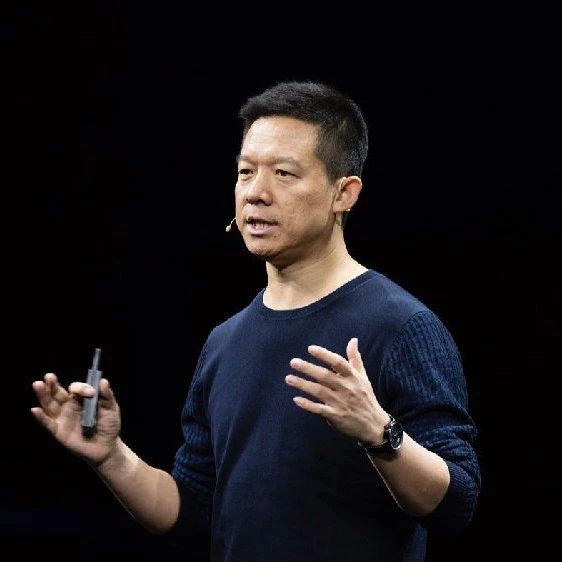
Group 1 - Beijing Human Resources Bureau warns against false advertising regarding title evaluation papers, emphasizing that papers are not mandatory for title applications [1] - Li Auto announces the completion of its "Nine Vertical and Nine Horizontal" high-speed charging network core routes after 2 years and 3 months of development [2] - Tesla's launch of the large six-seat Model Y L has sparked industry attention, with Li Auto's CEO commenting on the competitive landscape for six-seat electric SUVs [3] Group 2 - The investigation into the 7.15 million yuan expenditure on the Niulang and Zhinu sculpture has led to disciplinary actions against local officials [4] - The IPO application of Zhizhi Technology has expired after six months, with Xinhua Huifu as its exclusive sponsor [5] - Allegations of inflated equipment numbers at LeMobai have emerged, with a significant discrepancy between reported and actual quantities of massage chairs [6] Group 3 - Morgan Stanley's CEO indicates that the firm will consider acquisition opportunities, focusing on small firms in wealth and investment management that align with its strategy [7] - Nayuki Tea's marketing of its "Slim Green Bottle" product has been criticized for misleading consumers regarding its functionality [8] - JD.com has modified its delivery guarantee policy, replacing the "20-minute free order" with a "4 yuan coupon" for late deliveries, aiming to enhance overall delivery experience [9] Group 4 - Faraday Future announces a new financing round of 105 million USD, which will support the launch of the FX Super One model and accelerate product and AI technology development [11] - The summer film season has generated a box office of 3.412 billion yuan, with several highly anticipated films set to release in various genres [12]



共享按摩椅乐摩吧逆势增长之谜:设备数量存疑 订单均价虚高 利益深度绑定
Zhong Guo Zheng Quan Bao· 2025-07-16 23:42
Core Viewpoint - The article discusses the unusual growth of LeMoBa in the shared massage chair market despite a general decline in demand since 2021, raising questions about its business practices and financial disclosures [1][2][3]. Industry Overview - The shared massage chair market in China has seen a significant decline since 2020, with major players like Rongtai Health and Aojiahua experiencing substantial drops in revenue from shared massage services [4][5]. - LeMoBa, however, has reportedly doubled its service points and nearly tripled its equipment count within two years, achieving over 900 million yuan in transaction volume by Q3 2024 [1][6]. Company Background - LeMoBa was founded in late 2016, initially sourcing commercial massage chairs from Honor Health, whose chairman, Wu Jinghua, is the actual founder of LeMoBa [5][6]. - Wu Jinghua transferred his shares to others to avoid conflicts of interest, but he still retained a significant stake in the company [5]. Financial Discrepancies - Investigations revealed discrepancies between LeMoBa's reported equipment deployment and actual observations, with many service points having non-sequential equipment IDs, suggesting potential inflation of numbers [7][8]. - For example, the "Yuanqi Egg" series of massage chairs was reported to have a theoretical deployment of over 32,000 units, but only 531 were found in reality, indicating a significant gap [9]. Revenue Model - LeMoBa's revenue primarily comes from two models: direct sales to consumers and a partner model where local partners manage operations [15]. - The company has implemented a stock incentive plan to bind the interests of city partners closely to its business, raising concerns about the authenticity of reported performance [16][15]. Cost Structure - The company faces high operational costs, including equipment depreciation set at three years, which is aggressive compared to industry standards [26][27]. - The average transaction value per massage chair is insufficient to cover the high costs of rent and equipment maintenance, leading to a financially unsustainable model [24][27]. Market Challenges - The shared massage chair business is under pressure due to declining consumer demand and high operational costs, leading to a situation where revenue does not cover expenses [23][27]. - Despite the initial success and capital interest, the ongoing challenges in the market have led to capital withdrawal and forced buybacks, raising questions about the company's financial health [22][23].