光储发电机

Search documents
中自科技董事长陈启章:以科技创新为钥 解锁零碳发展未来
Zheng Quan Ri Bao· 2026-02-10 15:46
Core Viewpoint - The focus on "zero-carbon parks" and "zero-carbon factories" at the Sichuan Provincial Two Sessions highlights the importance of green and low-carbon development in achieving national carbon neutrality goals. The company Zhongzi Technology is actively contributing to this initiative through its innovative solutions and strategic partnerships [1][2]. Group 1: Company Strategy and Initiatives - Zhongzi Technology aims to align with the national "dual carbon" strategy by emphasizing "technological innovation + results transformation" as its dual driving force. The company plans to increase R&D investment to develop key technologies and provide comprehensive solutions for zero-carbon parks [1][3]. - The company has successfully integrated a "catalysis +, energy storage +" industrial layout, focusing on reducing pollution, saving energy, and lowering carbon emissions. It has established a comprehensive solution for zero-carbon parks and a smart energy management platform [6][9]. - Zhongzi Technology has made significant contributions to carbon reduction, with projects like a 2.1 MW distributed photovoltaic system that generates approximately 727,800 kWh annually, reducing CO2 emissions by about 390 tons [4][6]. Group 2: Industry Context and Growth Potential - The "14th Five-Year Plan" emphasizes the development of distributed energy and the construction of zero-carbon factories and parks, with the green low-carbon industry in China estimated to reach approximately 11 trillion yuan, with potential for significant growth in the next five years [3]. - The establishment of national-level zero-carbon parks is seen as a critical pathway for regional and national low-carbon transformation, with Sichuan's Yibin Lingang Economic and Technological Development Zone being recognized as a key site for this initiative [3][4]. - The demand for environmental catalysts and energy storage solutions is expected to grow as global environmental protection efforts intensify, presenting both opportunities and challenges for the industry [9].

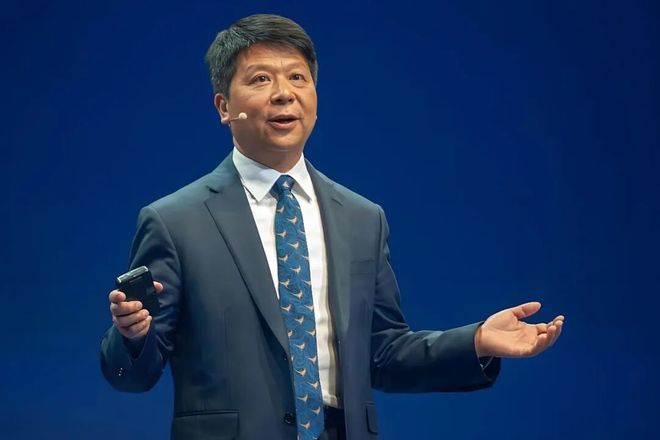
华为郭平:我们处在剧变的洪流中,不能靠情怀来占领市场
Guan Cha Zhe Wang· 2025-09-01 03:39
Core Viewpoint - Huawei views the development of the Harmony operating system as a necessary "war" that must be won to provide global customers with an alternative choice, emphasizing the importance of innovation and ecosystem building in a constrained environment [1][5][12]. Group 1: Strategic Direction - Huawei aims to deepen its presence in the largest single national market while also aspiring to expand globally, positioning itself as a major choice in the tech landscape [1][12]. - The company is committed to investing heavily in research and development, with R&D expenses reaching 97 billion yuan in the first half of the year, a 9.1% increase year-on-year, and accounting for 22.7% of revenue [1][6]. Group 2: Challenges and Responses - Huawei faces significant challenges due to restrictions on accessing advanced semiconductor technologies, necessitating a focus on vertical integration of software and hardware to maintain competitiveness [3][4]. - The company acknowledges the difficulty of building an ecosystem independently and aims to mobilize partners to develop applications based on Harmony, despite the inherent challenges [4][5]. Group 3: Innovation and Research - Huawei divides its research activities into two categories: research for knowledge and development for profit, with a focus on increasing investment in research as the company grows [6][10]. - The company is exploring AI applications across various sectors, aiming to leverage its strengths in data and algorithms to create competitive products and services [9][13]. Group 4: Talent and Organizational Structure - Huawei emphasizes the importance of attracting and nurturing top talent, with a focus on creating an environment that allows innovative individuals to thrive [7][10]. - The company is implementing a more collaborative organizational structure to enhance responsiveness and resource allocation across different business groups [10][11]. Group 5: Market Position and Future Outlook - Huawei recognizes its disadvantages due to external constraints but also sees its strong domestic market as a foundation for future growth [12][14]. - The company is committed to becoming a key player in AI and smart terminal markets, with plans to enhance its product offerings and operational efficiency through AI integration [13][14].